Product identifier
Product name:Mono Ethyl Sebacate(MES)
CAS NO.:693-55-0
Uses of the chemical product:
Intended use: Used as organic intermediate and solvent, etc.
Supplier identifier:
Company name: EAST CHEMSOURCES LIMITED
Address: NO.666 HAIBIN 12TH ROAD,HUANGDAO,QINGDAO,CHINA
Postcode: 266100
E-mail: JOSEN@EASTCHEM-CN.COM
Telephone: 86-0532-81906761
Fax: 86-0532-81906761
Emergency telephone:86-0532-81906761
Section 2 - Hazards identification
EMERGENCY OVERVIEW
Appearance: colorless viscous liquid. Caution! Hygroscopic. May cause eye, skin, and respiratory tract irritation.
Odor: Mild
WARNING STATEMENT
CAUTION!
ASPIRATION HAZARD IF SWALLOWED CAN ENTER LUNGS AND CAUSE DAMAGE
ATTENTION:
THIS PRODUCT IS NOT TO BE USED TO PRODUCE FOGS OR MISTS IN THEATRICAL,MUSICAL OR OTHER ENTERTAINMENT PERFORMANCES.
Section 3 - Composition/Information on ingredients
Description of the chemical product: N,N-Dimethyl Acetamide
Main ingredients:
Index | Chemical Name | CAS No. | Concentration |
1 | Mono Ethyl Sebacate(MES) | 693-55-0 | 99.9% |
2 | Water | 7732-18-5 | 0.1% |
Section 4 - First-aid Measures
If inhalation:
Remove to fresh air. If not breathing, give artificial respiration. If breathing is difficult, give oxygen.
If skin exposure:
Immediately flush skin with plenty of water for at least 15 minutes while removing contaminated clothing and shoes.
If eye exposure:
Immediately flush eyes with plenty of water for at least 15 minutes. If necessary, get medical attention.
If ingestion:
Immediately flush mouth, get medical attention.
Section 5 –Fire Fighting Measures
Extinguishing agent:
Suitable extinguishing agent: Carbon dioxide, Dry chemical powder or appropriate foam. Water spray may be used to keep fire-exposed containers cool. Do not use halogentaed extinguishing media.
Fire-fighting measures and protection for fire-fighters:
Fire-fighters should wear appropriate breathing apparatus and protective equipment.
Section 6 - Accidental Release Measures
Protective measures, protective equipment and emergency procedures:
Evacuate pollution area. Wear personal protective equipment (See section 8). Remove all sources of ignition. Avoid contact with skin and eyes. Avoid breathing vapors. Ensure adequate ventilation.
Methods and material for containment and cleaning up:
If available, immediately cut off source of leaked chemical products. Remove all sources of ignition. Absorb spill with incombustible inert material (e.g., dry sand or earth), then place into an airtight container. Avoid runoff into storm sewers and ditches which lead to waterways.
Section 7 - Handling and Storage
Handling and Disposal:
Operators must receive special training, and strictly abide by the procedures. Do not handle until all safety precautions have been read and understood. Avoid contact with eyes and skin. Avoid breathing dust/fume/gas/mist/vapors/spray. Use personal protective equipment as required. Wear protective gloves/protective clothing/eye protection/ face protection. Wash thoroughly after handling. Keep away from heat/sparks/open flames/hot surfaces. – No smoking. Ground/bond container and receiving equipment. Use explosion-proof electrical/ ventilating/ lighting/ equipment. Use only non-sparkling tools. Take precautionary measures against static discharge.
Storage:
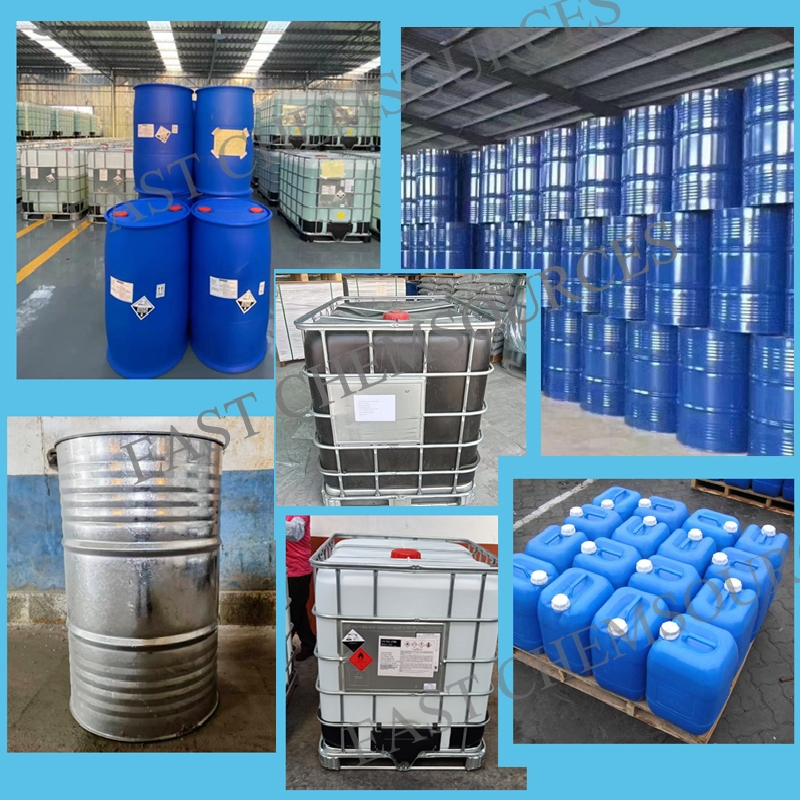
Store in cool, dry and well-ventilated place. Keep container tightly closed. Keep away from heat/sparks/open flames/hot surfaces.
Imcompatibities: strong oxidzing agents and foods.
Section 8 - Exposure Controls and Personal Protection
Engineering control method:
Use adequate general or local exhaust ventilation to keep airborne concentrations below the permissible exposure limits.
Personal protective equipment:
Respiratory protection: If ventilation is insufficient, wear suitable air respirator.
Eye protection: Safety goggles.
Skin and body protection: Protective working clothing and apron.
Hand protection: Use protective gloves.
Other protection: Handle in accordance with good industrial hygiene and safety practice. Do
not eat, drink or smoke when using this product.
Section 9 - Physical and Chemical Properties
Appearance and status: Colorless transparent oily liquid
Odour: with a typical odor
Molecular Formular:C4H9NO
Molecular Weight: 87.12
Melting point: -20°C
Boiling point: 164-166°C
Flash point: 66°C
Solubility: soluble in water
Specific gravity: 1.205(20℃)
Viscosity: 0.94mPa·s
Section 10 - Stability and Reactivity
Stability:
Stable under normal temperature and pressure.
Hazardous Polymerization:
Will not occur.
Incompatible substances:
Strong oxides agents. In the presence of iron, it can react with highly halogenated compounds (carbon tetrachloride or benzene hexachloride).
Hazardous decomposition products:
Dimethylamine, Acetic acid
Section 11 - Toxicological Information
Toxicity Data:
Rat Inlalation LC50> 8810MG/M.
Rabbit Oral LD50 > 4930MG/KG.
Irritation Data:
Causes light damage and irritation on skin and mucosa
Germ Cell Mutagenicity:
No data in vivo test. In vitro test ( Ames test): Negative
Carcinogenicity:
No data avaliable.
Teratogenicity:
No data avaliable.
Section 12 - Ecological Information
Ecotoxicity: In the simulated river water with DMAC up to 400mg / L, the biological test of Lanxi fishes was carried out, in which the survival rate was 100% IN 24 hours.
Biodegradability: DMAC is easily biodegradable.
Non-biodegradability: With UV irradiation on DMAC, it may produce the formation of formaldehyde, dimethylamine and corresponding free radicals.
Section 13 - Disposal Considerations
Nature of waste: Hazadous waste
Disposal methods: Refer to relevant national and local regulations before disposal. It can be treated by biochemical treatment and incineration.
Matters need attention: Pay attention to personal protection to prevent secondary injury and pollution.
Section 14 - Transport Information
DOT: This substance is considered to be non-hazadous for transport.
RID/ADR: This substance is considered to be non-hazadous for transport.
IATA: This substance is considered to be non-hazadous for air transport.
IMO: This substance is considered to be non-hazadous for sea transport.
Other information:
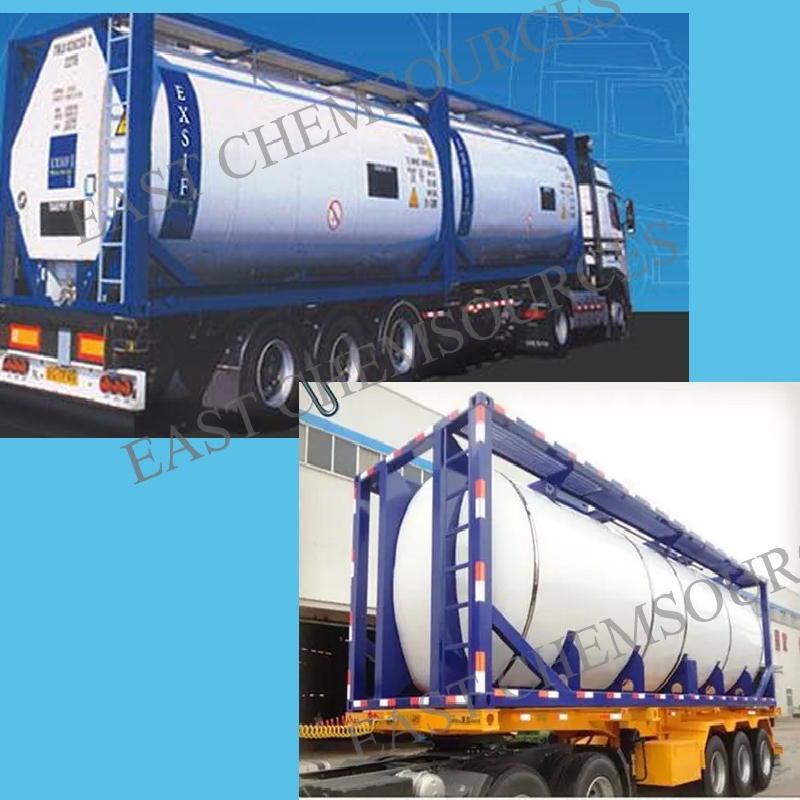
Avoid transporting together with strong oxides agents, food/feed. When stop off, stay away from heat/sparks/open flames/hot surface. During transporation, avoid overturning, damaging and falling the contianers.The transportation vehicles should be thoroughly cleaned up after handing.
Section 15 - Regulatory information
Hazard Symbols: Genral goods.
Indication of Danger: Irritant
R:36
Risk Statements: Irritating to eyes.
S: 2 26
Safety Statements: Keep out of the children. Incase of contact with eyes, rinse immediately with plenty of water and seek medical service.
Section 16 - Other information
Training advice:
Provide adequate information, instruction and training for operators.
Data source:
Provided by company.
Abbreviations and acronyms:
CAS: Chemical Abstracts Service registration number.
GHS: Globally Harmonized System of Classification and Labeling of Chemicals.
EINECS: European Inventory of Existing Commercial Chemical Substances.
IECSC: Inventory of existing chemical substances in China.
TSCA: Toxic Substances Control Act, The American chemical inventory.
DSL: Domestic Substances List, The Canadian chemical inventory.
AICS: The Australian Inventory of Chemical Substances.
ECL: Existing Chemicals List, the Korean chemical inventory.
Disclaimer to reader:
The information in this SDS is provided all the relevant data fully and truly. However, the information is provided without any warranty on their absolute extensiveness and accuracy. This SDS was prepared to provide safety preventive measures for the users who have got professional training. The personal user who obtained this SDS should make independent judgment for the applicability of this SDS under special conditions. In these special cases, we do not assume responsibility for the damage.