Identification of the substance or preparation
Name of product:
N,N'-ethylenebis[N-acetylacetamide]
Use of the substance/preparation
Chemical basic material.
For industrial purposes only
Company/undertaking identification
Company name:
Street/POB-No.:
State/city /postal code:
Telephone:
Tele fax:
Dept. responsible f or information:
Emergency telephone
2. Hazards identification
Classification according to directive 67/548/EEC:
This substance is classified as not hazardous.
Classification according EC regulation 1272/2008 (CLP):
This substance is classified as not hazardous.
Critical hazard to man and environment:
Warning - substance not yet tested completely.
3. Composition/information on ingredients
Chemical characterization (substance)
C10 H16 N2 O4 = (COCH3)2-N-CH2-CH2-N-(COCH3)2
(en-GB)
![Shop Tetraacetylethylenediamine (TAED) 10543-57-4-Detailed Image 2]()
![Shop Tetraacetylethylenediamine (TAED) 10543-57-4-Detailed Image 3]()
![Shop Tetraacetylethylenediamine (TAED) 10543-57-4-Detailed Image 4]()
![Shop Tetraacetylethylenediamine (TAED) 10543-57-4-Detailed Image 5]()
![Shop Tetraacetylethylenediamine (TAED) 10543-57-4-Detailed Image 6]()
Revision :2019-4-26
Date of first version:
2010-4-26
N,N'-ethylenebis[N-acetylacetamide]
Version 1 /Page 2 of 6
CAS-Number:
10543-57-4
234-123-8
EINECS-Number:
4. First aid measures
Following inhalation:
After skin contact:
After eye contact:
Provide fresh air. Consult physician.
Wash with plenty of soap and water. In case of skin reactions, consult a physician.
Immediately flush eyes with plenty of flowing water for 10 to 15 minutes holding
eyelids apart. In case of eye irritation consult an ophthalmologist.
Rinse mouth with water. Consult physician.
After swallowing:
5. Fire fighting measures
Suitable extinguishing media:
Water fog, foam, extinguishing powder, carbon dioxide.
Special exposure hazards arising from the substance or preparation itself , its combustion products or from resulting gases:
Can be released in case of fire: Carbon monoxide and carbon dioxide, nitrogen
oxides (NOx).
Special protective equipment for fire-fighters:
Wear self-contained breathing apparatus. Wear suitable protective clothing.
Additional information:
Hazchem-Code: -
Do not allow fire water to penetrate into surface or ground water.
6. Accidental release measures
Personal precautions:
Avoid contact with the substance. Do not inhale substance. Avoid generation of dust.
Environmental precautions: Do not allow to penetrate into soil, waterbodies or drains.
Methods for cleaning up:
Collect dry and place in appropriate containers for disposal, cleaning.
7. Handling and storage
Handling
Information for safe handling:
Avoid contact with skin and eyes. Do not inhale substance. In case of dust: Provide
adequate ventilation, and local exhaust as needed.
(en-GB)
![Shop Tetraacetylethylenediamine (TAED) 10543-57-4-Detailed Image 8]()
![Shop Tetraacetylethylenediamine (TAED) 10543-57-4-Detailed Image 9]()
![Shop Tetraacetylethylenediamine (TAED) 10543-57-4-Detailed Image 10]()
![Shop Tetraacetylethylenediamine (TAED) 10543-57-4-Detailed Image 11]()
![Shop Tetraacetylethylenediamine (TAED) 10543-57-4-Detailed Image 12]()
![Shop Tetraacetylethylenediamine (TAED) 10543-57-4-Detailed Image 13]()
Revision: 2019-4-26
Date of first version:
2010-4-26
N,N'-ethylenebis[N-acetylacetamide]
Version 1 /Page 3 of 6
Storage
Requirements for storerooms and containers:
Store container tightly closed in a dry and cool place.
Storage class:
11= Combustible solids
8. Exposure controls / Personal protection equipment
Exposure controls
Dust should be vacuumed up immediately at the place it occurs.
See also inf ormation in chapter 7, section storage.
Occupational exposure controls
Respiratory protection:
In case of dust:
Particulates filter P1 according to EN 143.
Protective gloves according to EN 374.
Hand protection:
Observe glove manufacturer's instructions concerning penetrability and breakthrough
time.
Eye protection:
Skin protection:
Tightly sealed safety glasses according to EN 166.
Wear suitable protective clothing.
General protection and hygiene measures:
Change contaminated clothing. After work, wash hands and face.
9. Physical and chemical properties
Appearance
Physical state:
Colour:
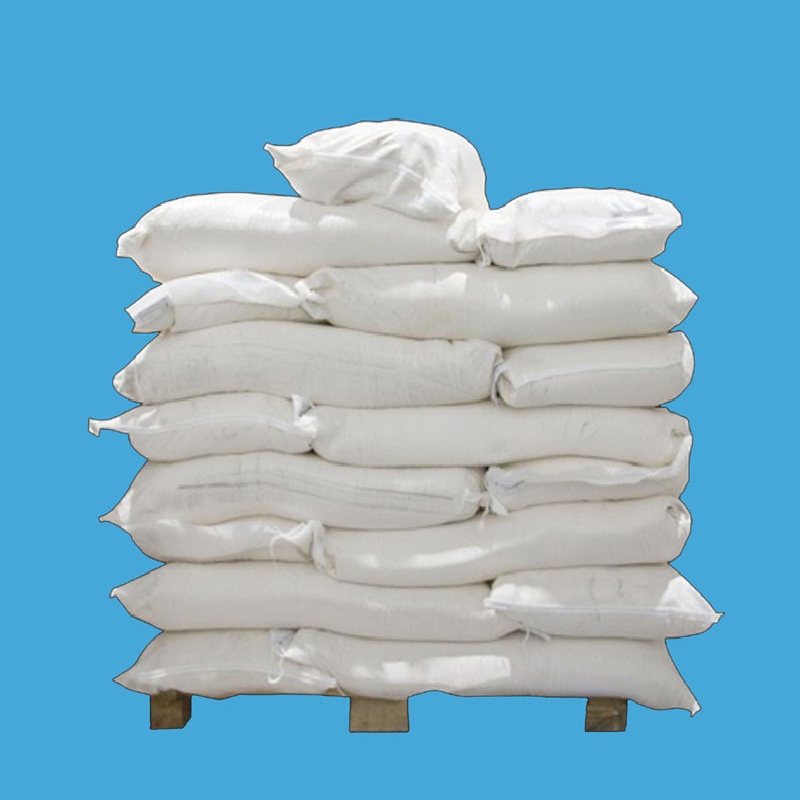
solid (Powder)
white up to beige
weak
Odour:
Important health, safety and environmental information
Boiling temperature / boiling range
Melting point / melting range
Ignition temperature
140 °C (2 hPa)
149 - 154 °C
425 °C
Density :
0,9 g/cm
Solubility in water:
at 20 °C: approx. 1 g/L
Distribution coef f icient (n-octanol /
water):
-1,8 log P(o/w)
Bio-accumulation is not to be expected (log P(o/w) <1).
Additional information
Molecular weight: 228,25 g/mol.
(en-GB)
![Shop Tetraacetylethylenediamine (TAED) 10543-57-4-Detailed Image 15]()
![Shop Tetraacetylethylenediamine (TAED) 10543-57-4-Detailed Image 16]()
![Shop Tetraacetylethylenediamine (TAED) 10543-57-4-Detailed Image 17]()
![Shop Tetraacetylethylenediamine (TAED) 10543-57-4-Detailed Image 18]()
Revision: 2019-4-26
Date of first version:
2010-4-26
N,N'-ethylenebis[N-acetylacetamide]
Version 1 /Page 4 of 6
10. Stability and reactivity
Conditions to avoid:
Metals, strong oxidizing agents, acids, bases.
Hazardous decomposition products:
Can be released in case of fire: Carbon monoxide and carbon dioxide, nitrogen
oxides (NOx).
Additional information:
Product is stable under normal conditions.
11. Toxicological information
Toxicological Tests:
Acute toxicity :
LD50 Rat, oral: > 2000 mg/kg
May cause irritations.
Following inhalation:
After swallowing:
Can damage your health.
May cause irritations.
After skin contact:
After eye contact:
General remarks
May cause irritations.
Bacteriological mutagenicity: Ames test negative.
Warning - substance not yet tested completely.
12. Ecological information
Ecotoxicity
Aquatoxicity :
Daphnia toxicity:
EC50 Daphnia: > 800 mg/L/96h (OECD 203).
Fish toxicity:
LC50 zebrafish: > 500 mg/L/48h.
1 = mild water pollutant (WGK catalog number 1268)
Water Hazard Class:
Details of elimination
Further details:
Biodegradability:
Product is easily biodegradable.
Bioaccumulative potential
Distribution coef f icient (n-octanol / water):
-1,8 log P(o/w)
Bio-accumulation is not to be expected (log P(o/w) <1).
Additional ecological information
Do not empty into drains.
General information:
(en-GB)
![Shop Tetraacetylethylenediamine (TAED) 10543-57-4-Detailed Image 20]()
![Shop Tetraacetylethylenediamine (TAED) 10543-57-4-Detailed Image 21]()
![Shop Tetraacetylethylenediamine (TAED) 10543-57-4-Detailed Image 22]()
![Shop Tetraacetylethylenediamine (TAED) 10543-57-4-Detailed Image 23]()
Revision:: 2019-4-26
Date of first version:
2010-4-26
N,N'-ethylenebis[N-acetylacetamide]
Version 1 /Page 5 of 6
13. Disposal considerations
Product
Waste key number
070199 = Wastes from the manufacture, formulation, supply and use (MFSU) of basic
organic chemicals
MFSU = manufacture, formulation, supply and use
Recommendation:
Special waste. Incinerate according to applicable local, state and federal regulations.
Contaminated packaging
Recommendation:
Dispose of waste according to applicable legislation. Cleaned containers may be recycled.
14. Transport information
Overland transport (ADR/RID)
Product designation:
Not restricted
Transport by sea (IMDG)
Proper shipping name:
Not restricted
Air transport (IATA)
Proper shipping name:
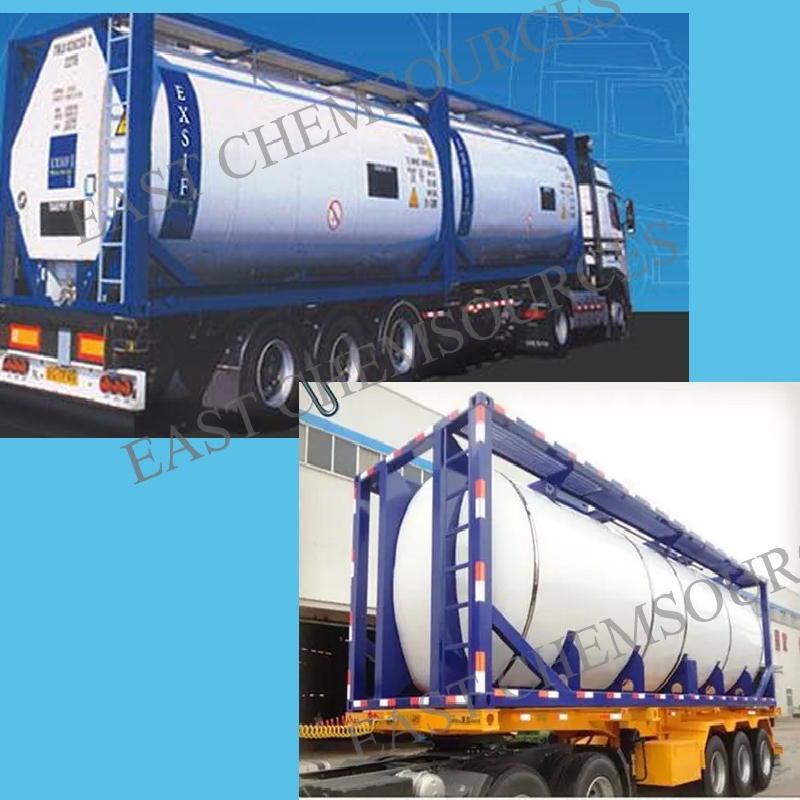
Not restricted
Additional information
Not a hazardous material with respect to transportation regulations.
15. Regulatory information
Labelling (67/548/EEC or 1999/45/EC)
Code letter and hazard symbol:
not applicable
not applicable
R phrase(s):
S phrase(s):
S 24/25
Avoid contact with skin and eyes.
Labelling (EU-GHS)
Hazard sy mbols:
Hazard Statements
not applicable
not applicable
Precautiona
ry Statements
National regulations
National regulations - Great Britain
SHazchem-Code:
-
![Shop Tetraacetylethylenediamine (TAED) 10543-57-4-Detailed Image 25]()
![Shop Tetraacetylethylenediamine (TAED) 10543-57-4-Detailed Image 26]()
![Shop Tetraacetylethylenediamine (TAED) 10543-57-4-Detailed Image 27]()
![Shop Tetraacetylethylenediamine (TAED) 10543-57-4-Detailed Image 28]()
National regulations - Germany
Storage class:
11= Combustible solids
Water Hazard Class:
1 = mild water pollutant (WGK catalog number 1268)
National regulations - USA
TSCA Inventory: listed
TSCA HPVC: not listed
Hazard rating systems
NFPA Hazard Rating:
Health: 1 (Slight)
Fire: 1 (Slight)
Reactivity: 0 (Minimal)
HMIS Version III Rating:
Health: 1 (Slight)
Flammability: 1 (Slight)
Physical Hazard: 0 (Minimal)
Personal Protection: X = Consult your supervisor
16. Other information
Group that issues data sheet
Contact person:
see chapter 1, department responsible for information.
The information in this data sheet has been established to our best knowledge and was up-to-date at time of revision.
It does not represent a guarantee for the properties of the product described in terms of the legal warranty regulations.
)