Section 2: Hazards Identification
2.1 Classification of the substance or mixture
2.1.1 GHS hazard classification
Physical hazards
None
Health hazards
None
Environmental hazards
None2
2.2 Label element
Hazard pictogram
None
Hazard statements
None
Signal word
None
2.3 Precaution statements
Prevention
Keep away from heat and fire
Response
Not applicable
Storage
Store in dry, cool and well-ventilated place
Keep container tightly closed
Disposal
Disposal should be in accordance with
applicable regional, national and local laws
and regulations
Section 3: Composition and Information on Ingredients
3.1 Substance or mixture
Substance
3.2 Composition
Name
CAS#
EC#
% by weight
Sorbitan monostearate
1338-41-6
251-664-9
~ 100
Section 4: First Aid Measures
4.1 First aid measures for different exposure routes
Inhalation
Move to fresh air. If symptoms persist, call a
physician
Skin contact
Remove contaminated clothing. Rinse with
plenty of water and soap
Eye contact
Rinse immediately with plenty of water, for at
least 15 minutes. Get medical attention
immediately if irritation persists
Ingestion
Drink plenty water to dilute and. Get medical
attention immediately if symptoms occur
4.2 Most important symptoms and
effects
None under normal use conditions3
4.3 Protection for emergency personnel
Emergency personnel should be informed
about the substance
4.4 Notes to physician
Physician should be informed about the
substance and treat symptomatically
Section 5: Fire and Explosion Data
5.1 Extinguishing media
Suitable extinguishing media
Substance is high temperature flammable.
Use water, carbon dioxide, foam, dry powder
Unsuitable extinguishing media
Unknown
5.2 Specific hazards arising from the
chemical
May ignite by sparks, heat flames. Carbon
dioxide and carbon dioxide may be released
by fire
5.3 Special protective actions for
firefighters
As in any fire, wear self-contained breathing
apparatus pressure-demand, MSHA/NIOSH
(approved or equivalent) and full protective
gear
Section 6: Accidental Release Measures
6.1 Personal precautions
Comply with good personal hygiene habits.
Advice for non-emergency personnel: do not
breathe in steam or aerosol. Evacuate area;
follow emergency procedures and seek for
expert’s advice. Use personal protective
equipment recommended in Section 8
6.2 Environmental precautions
Untreated chemicals are strictly prohibited to
be discharged into the environment
6.3 Methods for containment and clean
up
Contain spillage, and then collect with non-
combustible absorbent materials, (e.g. sand,
dry lime, soda ash) and place in container for
disposal
according
to
local/
national
regulations. It can also be diluted with a large
amount of water before release into the waste
water system. For large spill, use dike to
contain and then collect, transfer, recycle or
discard after treatment4
6.4 Preventive measures against
secondary hazards
Immediate clean-up of the spillage
Section 7: Handling and Storage
7.1 Handling
Technical measures
Use in well-ventilated place. Wear personal
protective equipment. Wash hands after
working with substance
Local or general ventilation
Provide adequate ventilation
Precautionary measures
Avoid breathing excessive vapors/gas/fume.
Do not get in eyes or contact with skin.
Safe operation statements
Avoid contact with eyes and skin. Use
personal protection recommended by SDS
Section 8.
7.2 Storage
Technical measures
No special storage requirements
Safe storage conditions
Keep containers tightly closed in a dry, cool
and well -ventilated place. Keep away from
kindling material, heat source and direct sun
light
Incompatible substances
Oxidizing agent
Safe packaging material
Unknown
Section 8: Exposure Controls/Personal Protection
8.1 Exposure guidelines
Exposure limits
Unknown
Engineering controls
Closed production area; the use of local
exhaust ventilation is recommended to control
emissions near the source. Ensure there is
eye wash station and emergency shower
station nearby.
8.2 Personal protective equipment
Respiratory protection
Non-powered air-purifying respirators (full
face mask) or self-contained respirator must
be worn when expose to vapor5
Hand protection
Wear appropriate protective gloves
Eye protection
Wear safety goggles
Skin and body protection
Wear gloves and protective clothing (non-
permeable)
Hygiene measures
Smoking, eating and drinking are prohibited at
work site.
Section 9: Physical and Chemical Properties
9.1 General information
Physical state
Solid
Shape
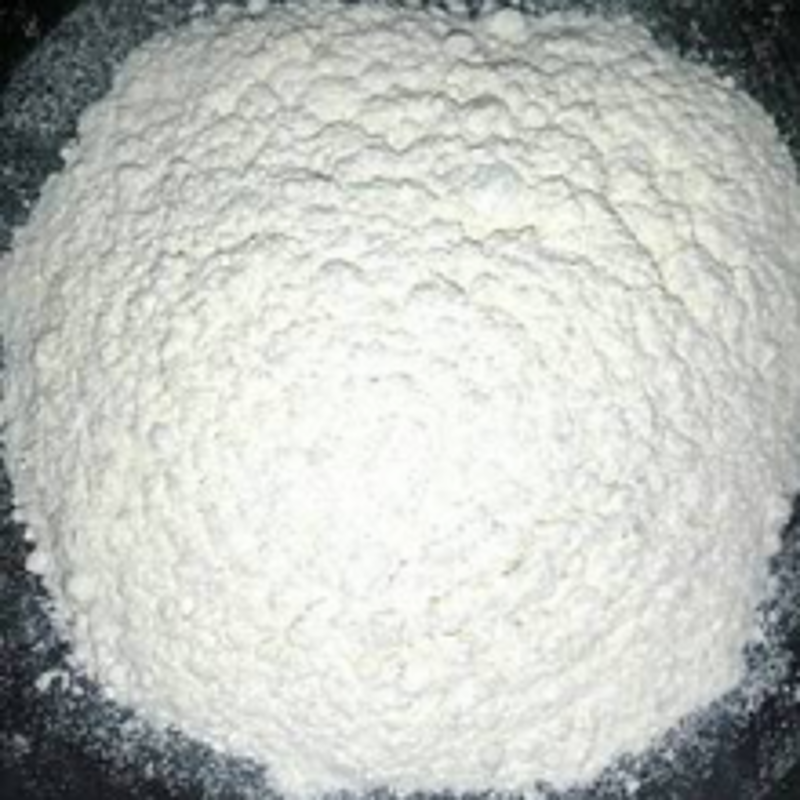
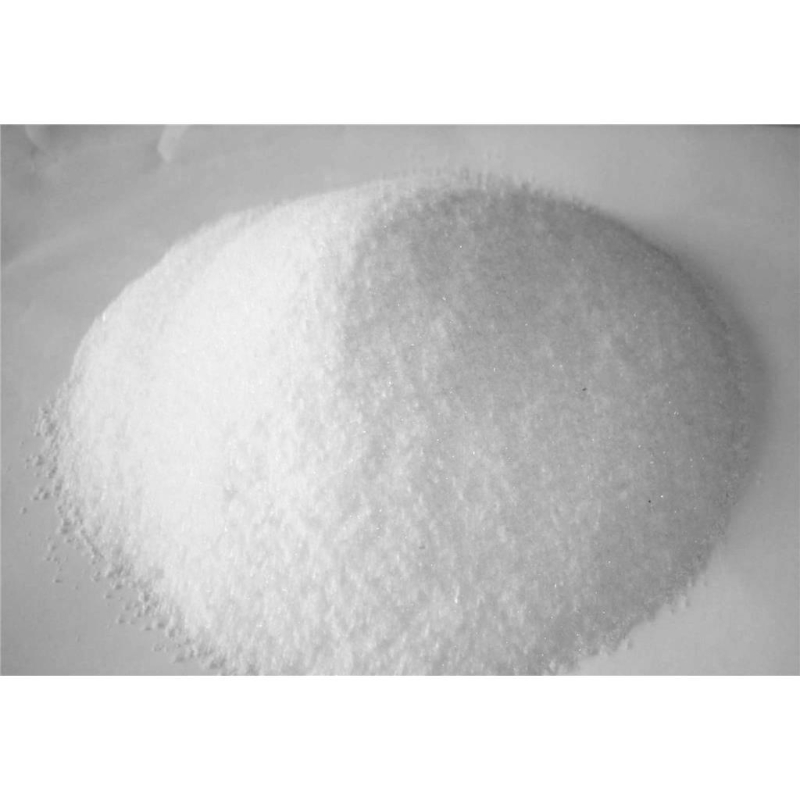
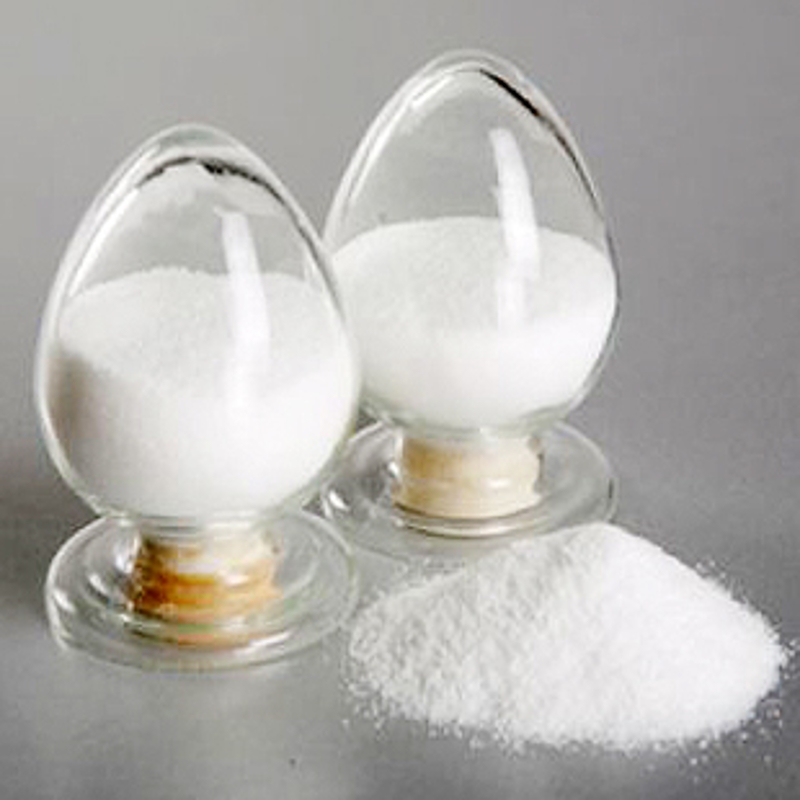
Bead or powder
Color
Range from faint yellow to yellow
Odor
Characteristic odor
pH
7.0-9.0 (5% aqueous solution)
Melting point
54-57°C
Boiling point / range
Unknown
Flash point
>120°C (Closed cup)
Flammability
Unknown
Upper flammability limit (%)
Unknown
Lower flammability limit (%)
Unknown
Upper explosion limit (%)
Unknown
Lower explosion limit (%)
Unknown
Vapor pressure
Unknown
Vapor density
Unknown
Relative density
Unknown
Density
Unknown
Solubility
Soluble in hot ethanol, benzene and
chlorinated organic solvent. Slightly soluble in
diethyl ether and petroleum ether. Can be
dispersed in hot water
Partition coefficient; n-octanol/water
Unknown
Decomposition temperature
Unknown
Molecular Formula
C24H46O6
Molecular weight
430.6g/mol
9.2 Other information
Solubility (other)
Unknown6
Odor threshold
Unknown
Evaporation rate
Unknown
Inflammability (solid, gas)
Unknown
Viscosity
Unknown
Section 10: Stability and Reactivity Data
10.1 Stability
Stable under normal conditions
10.2 Possibility of hazardous reactions
None under normal processing
10.3 Conditions to avoid
Avoid incompatible materials and excessive
heating
10.4 Incompatible materials
Strong oxidant and strong base
10.5 Hazardous decomposition products Unknown
Section 11: Toxicological Information
11.1 Toxicokinetic, metabolism and
distribution
Unknown
11.2 Toxicology information
Acute Toxicity
LD50 (oral, mice)
31000mg/kg
LD50 (percutaneous, rabbit)
No data
LD50 (inhalation, mice)
No data
Skin corrosion/ irritation
Uncategorized
Eye corrosion/ irritation
Uncategorized
Respiratory/ skin sensitization
Uncategorized
Germ cell mutagenicity
Uncategorized
Carcinogenicity
Uncategorized
Reproductive toxicity
Uncategorized
STOT - single exposure
Uncategorized7
STOT - repeated exposure
Uncategorized
Aspiration hazard
Uncategorized
ADI
0~25mg/kg
Section 12: Ecological Information
12.1 Ecotoxicity
Fish
Unknown
Water flea
Unknown
Algae
12.2 Persistence and degradability
Unknown
12.3 Bioaccumulation/ accumulation
Unknown
12.4 Mobility in soil
Unknown
12.5 Other adverse effects
Unknown
Section 13: Disposal Considerations
13.1 Waste from Residues / Unused
Products
Disposal should be in accordance with
applicable regional, national and local laws
and regulations. Empty containers or gasket
material may have residues; these material
and containers must be disposed in a safe
manner.
13.2 Contaminated packaging
Empty containers should be sent to approved
waste disposal sites for regeneration or
disposal. Empty containers may have
residues, pay attention to label warnings
even for empty containers.
13.3 Local Hazardous Waste Codes
Recycle or send it to a special waste disposal
site in a sealed container. Disposal should be
in accordance with applicable regional,
national and local laws and regulations.
Section 14: Transport Information8
ADR/ RID
IMDG
ICAO/ IATA
UN- No.
Uncategorized
Uncategorized
Uncategorized
UN proper shipping name
Non-dangerous
good
Non-dangerous
good
Non-dangerous
good
UN hazard class
Uncategorized
Uncategorized
Uncategorized
Packaging group
Uncategorized
Uncategorized
Uncategorized
Marine pollutant
No
No
No
Special precautions for
user related to transport
or
transportation
measures
Refer to Section 2.2 Refer to Section 2.2 Refer to Section
2.2
Section 15: Other Regulatory Information
15.1 Special regulations/legislation on the safety, health and environmental
protection of substances and mixtures
Whether it is included in the chemical catalogs of other countries:
IECSC
This chemical is listed in IECSC
EINECS
This chemical is listed in EINECS
EPA TSCA
This chemical is listed in TSCA
DSL/ NDSL
This chemical is listed in DSL/
NDSL
2015 Catalogue of Hazardous Chemicals
This chemical is not listed in
2015 Catalogue of Hazardous
Chemicals
The following laws, regulations and standards have made corresponding provisions on the
safe use, storage, transportation, handling, classification and label of chemicals:
Law of the People’s Republic of China on Work safety;
Law of the People’s Republic of China on the Prevention and Control of Occupational
Diseases;
Environmental Protection Law of the People’s Republic of China;
Regulations on the Safe Management of Hazardous Chemicals in China;
Regulations on Production Safety Licenses;
15.2 Notes for downstream uses
Disposal of this product and container should comply with relevant regulations
Section 16: Other Information16.1 Revision description
This document has been updated to comply with GB/T16483-2008 Safety Date Sheet For
Chemical Products Content and Order of Sections
16.2 Details
The information provided in the SDS is correct to the best of our knowledge. The information is
prepared exclusively for the specific material designated.
16.3 Special remarks
The information given in this SDS is designed only as a guidance. Users must independently
determine and judge whether the contents are suitable for use and protect the health and
safety of anyone handling the product. This SDS does not provide any guarantee, the
information relates only to the specific material designated and may not be valid for such
material used in combination with any other material or in any process, unless specified in the
text.
16.4 Abbreviation
ADR (Agreement concerning the International Carriage of Dangerous Goods by Road)
IMDG (International Maritime Dangerous Goods Code)
IATA (International Air Transport Association)
ICAO-TI (International Civil Aviation Organization- Technical Instructions)
CAS (Chemical Abstracts Service)
LC50 (Median lethal concentration)
EC50 (Half maximal effective concentration)
LD50 (Median lethal dose)
ADI (Acceptable daily intake)
16.5 Disclaimer
The information provided in the SDS is correct to the best of our knowledge. No warranties,
expressed or implied, including, but not limited to, any implied warranty of merchantability or
fitness for a particular purpose or course of performance or usage of trade. User is responsible
for determining whether the designated product is fit for a particular purpose and suitable for
user’s method of use or application. Runhua is not responsible for any third-party
compensation, loss, damage, or loss of profits caused, or any special, indirect, incidental, or
consequential. All personnel handling product should be fully aware of the potential risks
involved and take appropriate safety and regulatory measures before actually working with the
product.








 Bangladesh
 Georgia
 Material Safety Data Sheet