Product
Supplier
Encyclopedia
Inquiry
Home > Organic Chemistry > Alcohols, Phenols, Phenol Alcohols > Triethylene glycol for Sale > China Supplier High purity Triethylene glycol CAS NO.112-27-6
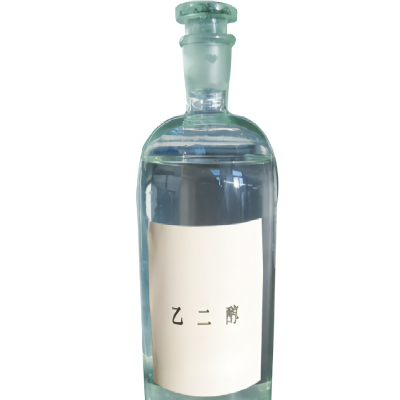
China Supplier High purity Triethylene glycol CAS NO.112-27-6 buy - large image1
China Supplier High purity Triethylene glycol CAS NO.112-27-6 buy - image1
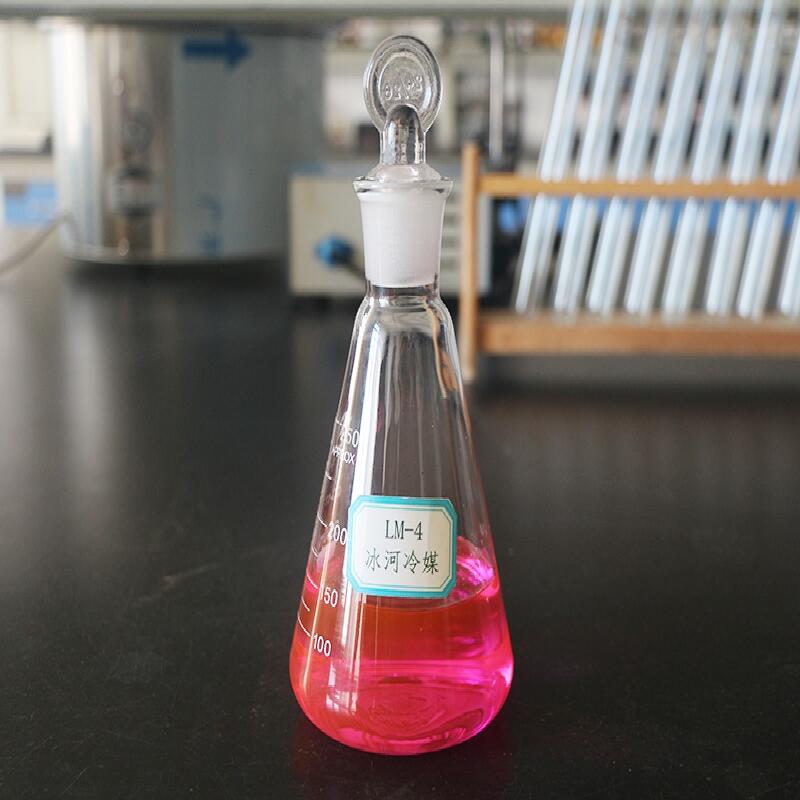
China Supplier High purity Triethylene glycol CAS NO.112-27-6 buy - image2
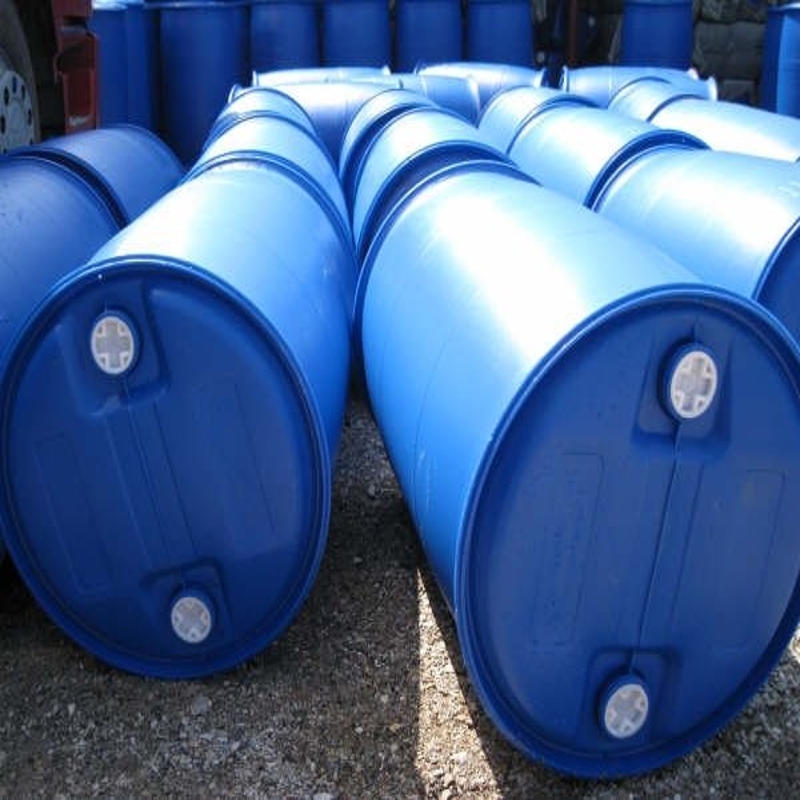
China Supplier High purity Triethylene glycol CAS NO.112-27-6 buy - image3

China Supplier High purity Triethylene glycol CAS NO.112-27-6

40 Inquiries

Unit Price: Get Latest Price
CAS No.:

112-27-6

Grade:

Industrial Grade

Content:

99%

Port:

Shanghai

Brand:

EAST CHEMSOURCES LIMITED

Packaging:

IBC

Price valid (until):

2024-04-13

Company Type:
Trader
Location:
China
Qualification:
Main Products:

Food additives,Pharmaceutical raw materials,Chemicals,Comestic raw materials

  • Product Description

  • Seller Information

  • Inquiry History

  • Description

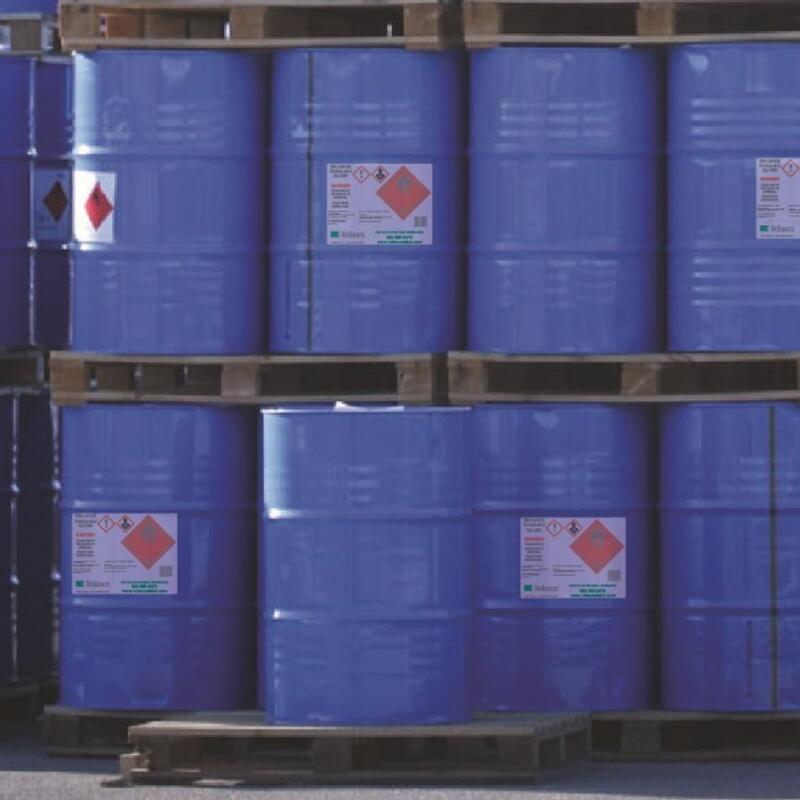
    Shop Triethylene glycol (TEG)for sale C6H14O4 CAS 112-27-6-Detailed Image 1SAFETY DATA SHEETS

    According to the UN GHS revision 9

    Version: 1.0

    Creation Date: July 15, 2019

    Revision Date: July 15, 2019

    SECTION 1: Identification

    1.1GHS Product identifier

    Product name

    2,2'-(ethylenedioxy)diethanol

    1.2Other means of identification

    Product number

    -

    Other names

    Triethylene glycol; 2-[2-(2-hydroxyethoxy)ethoxy]ethanol; Ethanol, 2,2‘-[1,2-ethanediylbis(oxy)]bis-

    1.3Recommended use of the chemical and restrictions on use

    Identified uses

    Industrial and scientific research use.

    Uses advised against

    no data available

    SECTION 2: Hazard identification

    2.1Classification of the substance or mixture

    Not classified.

    2.2GHS label elements, including precautionary statements

    Pictogram(s) No symbol.
    Signal word

    No signal word

    Hazard statement(s)

    none

    Precautionary statement(s)
    Prevention

    none

    Response

    none

    Storage

    none

    Disposal

    none

    2.3Other hazards which do not result in classification

    no data available

    SECTION 3: Composition/information on ingredients

    3.1Substances

    Chemical name Common names and synonyms CAS number EC number Concentration
    2,2'-(ethylenedioxy)diethanol 2,2'-(ethylenedioxy)diethanol 112-27-6 203-953-2 100%

    SECTION 4: First-aid measures

    4.1Description of necessary first-aid measures

    If inhaled

    Move the victim into fresh air. If breathing is difficult, give oxygen. If not breathing, give artificial respiration and consult a doctor immediately. Do not use mouth to mouth resuscitation if the victim ingested or inhaled the chemical.

    Following skin contact

    Remove contaminated clothes. Rinse skin with plenty of water or shower.

    Following eye contact

    First rinse with plenty of water for several minutes (remove contact lenses if easily possible), then refer for medical attention.

    Following ingestion

    Rinse mouth.

    4.2Most important symptoms/effects, acute and delayed

    Vapor and liquid are unlikely to cause harm. (USCG, 1999)

    4.3Indication of immediate medical attention and special treatment needed, if necessary

    Basic treatment: Establish a patent airway (oropharyngeal or nasopharyngeal airway, if needed). Suction if necessary. Watch for signs of respiratory insufficiency and assist ventilations if necessary. Administer oxygen by nonrebreather mask at 10 to 15 L/min. Monitor for pulmonary edema and treat if necessary . Monitor for shock and treat if necessary . Anticipate seizures and treat if necessary . For eye contamination, flush eyes immediately with water. Irrigate each eye continuously with 0.9% saline (NS) during transport . Do not use emetics. For ingestion, rinse mouth and administer 5 ml/kg up to 200 ml of water for dilution if the patient can swallow, has a strong gag reflex, and does not drool. Administer activated charcoal . Ethylene glycol, glycols, and related compounds

    SECTION 5: Fire-fighting measures

    5.1Suitable extinguishing media

    Alcohol foam, dry chemical

    5.2Specific hazards arising from the chemical

    This chemical is combustible. (NTP, 1992)

    5.3Special protective actions for fire-fighters

    Use water spray, powder, alcohol-resistant foam, carbon dioxide.

    SECTION 6: Accidental release measures

    6.1Personal precautions, protective equipment and emergency procedures

    Collect leaking and spilled liquid in sealable containers as far as possible. Absorb remaining liquid in sand or inert absorbent. Then store and dispose of according to local regulations.

    6.2Environmental precautions

    Collect leaking and spilled liquid in sealable containers as far as possible. Absorb remaining liquid in sand or inert absorbent. Then store and dispose of according to local regulations.

    6.3Methods and materials for containment and cleaning up

    Collect and arrange disposal. Keep the chemical in suitable and closed containers for disposal. Remove all sources of ignition. Use spark-proof tools and explosion-proof equipment. Adhered or collected material should be promptly disposed of, in accordance with appropriate laws and regulations.

    SECTION 7: Handling and storage

    7.1Precautions for safe handling

    NO open flames. Handling in a well ventilated place. Wear suitable protective clothing. Avoid contact with skin and eyes. Avoid formation of dust and aerosols. Use non-sparking tools. Prevent fire caused by electrostatic discharge steam.

    7.2Conditions for safe storage, including any incompatibilities

    Store the container tightly closed in a dry, cool and well-ventilated place. Store apart from foodstuff containers or incompatible materials.

    SECTION 8: Exposure controls/personal protection

    8.1Control parameters

    Occupational Exposure limit values

    MAK: (inhalable fraction): 1000 mg/m3; peak limitation category: II(2); pregnancy risk group: B

    Biological limit values

    no data available

    8.2Appropriate engineering controls

    Ensure adequate ventilation. Handle in accordance with good industrial hygiene and safety practice. Set up emergency exits and the risk-elimination area.

    8.3Individual protection measures, such as personal protective equipment (PPE)

    Eye/face protection

    Wear safety spectacles.

    Skin protection

    Protective gloves.

    Respiratory protection

    Use ventilation.

    Thermal hazards

    no data available

    SECTION 9: Physical and chemical properties and safety characteristics

    Physical state

    Liquid.

    Colour

    Colourless.

    Odour

    Practically odorless

    Melting point/freezing point

    -7 °C.

    Boiling point or initial boiling point and boiling range

    286.5 °C. Atm. press.:1 013 hPa.

    Flammability

    Combustible.

    Lower and upper explosion limit/flammability limit

    Lower flammable limit: 0.9% by volume; Upper flammable limit: 9.2% by volume

    Flash point

    176 °C. Atm. press.:1 013.25 hPa.

    Auto-ignition temperature

    347 °C. Atm. press.:1 013 hPa.

    Decomposition temperature

    no data available

    pH

    no data available

    Kinematic viscosity

    dynamic viscosity (in mPa s) = 47.8. Temperature:20°C.

    Solubility

    greater than or equal to 100 mg/mL at 68° F (NTP, 1992)

    Partition coefficient n-octanol/water

    log Pow = -1.75. Temperature:25 °C. Remarks:The substance is within the applicability domain of the model.

    Vapour pressure

    0.001 hPa. Temperature:24.7 °C.

    Density and/or relative density

    1.13 g/cm³. Temperature:15 °C.

    Relative vapour density

    5.2 (vs air)

    Particle characteristics

    no data available

    SECTION 10: Stability and reactivity

    10.1Reactivity

    no data available

    10.2Chemical stability

    no data available

    10.3Possibility of hazardous reactions

    Combustible when exposed to heat or flame.TRIETHYLENE GLYCOL is a ether-alcohol derivative. The ether being relatively unreactive. Flammable and/or toxic gases are generated by the combination of alcohols with alkali metals, nitrides, and strong reducing agents. They react with oxoacids and carboxylic acids to form esters plus water. Oxidizing agents convert alcohols to aldehydes or ketones. Alcohols exhibit both weak acid and weak base behavior. They may initiate the polymerization of isocyanates and epoxides. Reacts with strong oxidants. [Handling Chemicals Safely 1980. p. 932].

    10.4Conditions to avoid

    no data available

    10.5Incompatible materials

    Can react with oxidizing materials.

    10.6Hazardous decomposition products

    When heated to decomposition it emits acrid smoke and irritating fumes.

    SECTION 11: Toxicological information

    Acute toxicity

    • Oral: LD50 - rat (male/female) - > 16 mL/kg bw.
    • Inhalation: LC50 - rat (male/female) - > 5.2 mg/L air.
    • Dermal: LD50 - rabbit (male/female) - 16 mL/kg bw.

    Skin corrosion/irritation

    no data available

    Serious eye damage/irritation

    no data available

    Respiratory or skin sensitization

    no data available

    Germ cell mutagenicity

    no data available

    Carcinogenicity

    no data available

    Reproductive toxicity

    no data available

    STOT-single exposure

    no data available

    STOT-repeated exposure

    no data available

    Aspiration hazard

    A harmful contamination of the air will not or will only very slowly be reached on evaporation of this substance at 20°C.

    SECTION 12: Ecological information

    12.1Toxicity

    • Toxicity to fish: LC50 - Lepomis macrochirus - > 10 000 mg/L - 96 h.
    • Toxicity to daphnia and other aquatic invertebrates: EC50 - Daphnia magna - > 10 000 mg/L - 48 h.
    • Toxicity to algae: NOEC - Pseudokirchneriella subcapitata (previous names: Raphidocelis subcapitata, Selenastrum capricornutum) - > 100 mg/L - 72 h.
    • Toxicity to microorganisms: EC10 - activated sludge, industrial - > 1 995 mg/L - 30 min. Remarks:Respiration rate.

    12.2Persistence and degradability

    AEROBIC: Aerobic river die-away tests, utilizing several different sources of freshwater, have demonstrated that triethylene glycol should biodegrade rapidly in the environment(1). At 20 deg C, the degradation of 10 mg/L triethylene glycol was complete within 7-11 days(1). 25 to 92% of the theoretical BOD was reached within 4 weeks incubation during the MITI test using a sludge inoculum; these results were on an upward trend by the end of the test(2) indicating that acclimation may be important for this compound(SRC). Triethylene glycol degraded 85% of theoretical BOD (1.6 gm/gm) after 20 days at 20 deg C(3).

    12.3Bioaccumulative potential

    An estimated BCF of 3 was calculated in fish for triethylene glycol(SRC), using an estimated log Kow of -1.75(1) and a regression-derived equation(2). According to a classification scheme(3), this BCF suggests the potential for bioconcentration in aquatic organisms is low(SRC).

    12.4Mobility in soil

    Using a structure estimation method based on molecular connectivity indices(1), the Koc of triethylene glycol can be estimated to be 10(SRC). According to a classification scheme(2), this estimated Koc value suggests that triethylene glycol is expected to have very high mobility in soil(SRC).

    12.5Other adverse effects

    no data available

    SECTION 13: Disposal considerations

    13.1Disposal methods

    Product

    The material can be disposed of by removal to a licensed chemical destruction plant or by controlled incineration with flue gas scrubbing. Do not contaminate water, foodstuffs, feed or seed by storage or disposal. Do not discharge to sewer systems.

    Contaminated packaging

    Containers can be triply rinsed (or equivalent) and offered for recycling or reconditioning. Alternatively, the packaging can be punctured to make it unusable for other purposes and then be disposed of in a sanitary landfill. Controlled incineration with flue gas scrubbing is possible for combustible packaging materials.

    SECTION 14: Transport information

    14.1UN Number

    ADR/RID: Not dangerous goods. (For reference only, please check.) IMDG: Not dangerous goods. (For reference only, please check.) IATA: Not dangerous goods. (For reference only, please check.)

    14.2UN Proper Shipping Name

    ADR/RID: Not dangerous goods. (For reference only, please check.) IMDG: Not dangerous goods. (For reference only, please check.) IATA: Not dangerous goods. (For reference only, please check.)

    14.3Transport hazard class(es)

    ADR/RID: Not dangerous goods. (For reference only, please check.) IMDG: Not dangerous goods. (For reference only, please check.) IATA: Not dangerous goods. (For reference only, please check.)

    14.4Packing group, if applicable

    ADR/RID: Not dangerous goods. (For reference only, please check.) IMDG: Not dangerous goods. (For reference only, please check.) IATA: Not dangerous goods. (For reference only, please check.)

    14.5Environmental hazards

    ADR/RID: No IMDG: No IATA: No

    14.6Special precautions for user

    no data available

    14.7Transport in bulk according to IMO instruments

    no data available

    SECTION 15: Regulatory information

    15.1Safety, health and environmental regulations specific for the product in question

    Chemical name Common names and synonyms CAS number EC number
    2,2'-(ethylenedioxy)diethanol 2,2'-(ethylenedioxy)diethanol 112-27-6 203-953-2
    European Inventory of Existing Commercial Chemical Substances (EINECS) Listed.
    EC Inventory Listed.
    United States Toxic Substances Control Act (TSCA) Inventory Listed.
    China Catalog of Hazardous chemicals 2015 Not Listed.
    New Zealand Inventory of Chemicals (NZIoC) Listed.
    Philippines Inventory of Chemicals and Chemical Substances (PICCS) Listed.
    Vietnam National Chemical Inventory Listed.
    Chinese Chemical Inventory of Existing Chemical Substances (China IECSC) Listed.
    Korea Existing Chemicals List (KECL) Listed.

    SECTION 16: Other information

    Information on revision

    Creation Date July 15, 2019
    Revision Date July 15, 2019

    Abbreviations and acronyms

    • CAS: Chemical Abstracts Service
    • ADR: European Agreement concerning the International Carriage of Dangerous Goods by Road
    • RID: Regulation concerning the International Carriage of Dangerous Goods by Rail
    • IMDG: International Maritime Dangerous Goods
    • IATA: International Air Transportation Association
    • TWA: Time Weighted Average
    • STEL: Short term exposure limit
    • LC50: Lethal Concentration 50%
    • LD50: Lethal Dose 50%
    • EC50: Effective Concentration 50%

    Pls input...

    Shop Triethylene glycol (TEG)for sale C6H14O4 CAS 112-27-6-Detailed Image 2

    Items Specifications
    melting point −7 °C(lit.)
    boiling point 125-127 °C0.1 mm Hg(lit.)
    Density 1.124 g/mL at 20 °C(lit.)

    Shop Triethylene glycol (TEG)for sale C6H14O4 CAS 112-27-6-Detailed Image 3

    Shop Triethylene glycol (TEG)for sale C6H14O4 CAS 112-27-6-Detailed Image 4Shop Triethylene glycol (TEG)for sale C6H14O4 CAS 112-27-6-Detailed Image 5Shop Triethylene glycol (TEG)for sale C6H14O4 CAS 112-27-6-Detailed Image 6

    Basic Info
    Product Name:

    Triethylene glycol

    Other Name:

    Ethanol,2,2′-[1,2-ethanediylbis(oxy)]bis-;Triethylene glycol;2,2′-[1,2-Ethanediylbis(oxy)]bis[ethanol];1,2-Di(β-hydroxyethoxy)ethane;3,6-Dioxaoctane-1,8-diol;2,2′-Ethylenedioxydiethanol;Glycol bis(hydroxyethyl) ether;TEG;Triglycol;1,2-Bis(2-hydroxyethoxy)ethane;Trigol;TEG (glycol);2-[2-(2-Hydroxyethoxy)ethoxy]ethanol;1,8-Dihydroxy-3,6-dioxaoctane;NSC 60758;Crestwood A;Hanlon TEG;2,2′-(Ethane-1,2-diylbis(oxy))diethanol;2,2′-(Ethane-1,2-diylbis(oxy))bis(ethanol);2-[2-(2-Hydroxyethoxy)ethoxy]ethan-1-ol;676-18-6;118662-30-9;121202-29-7;939972-01-7;1629855-96-4

    CAS No.:

    112-27-6

    Molecular Formula:

    C6H14O4

    InChIKeys:

    InChIKey=ZIBGPFATKBEMQZ-UHFFFAOYSA-N

    Molecular Weight:

    150.17

    Exact Mass:

    150.17

    BRN:

    969357

    EC Number:

    203-953-2

    UNII:

    3P5SU53360

    ICSC Number:

    1160

    NSC Number:

    60758

    DSSTox ID:

    DTXSID4021393

    Color/Form:

    Colorless liquid

    HScode:

    29094919

    Characteristics
    PSA:

    58.9

    XLogP3:

    -1.24/-1.9 (calculated)

    Appearance:

    Clear very slightly yellow Viscous Liquid

    Density:

    1.1274 g/cm3 @ Temp: 15 °C

    Melting Point:

    -7 °C

    Boiling Point:

    165 °C @ Press: 14 Torr

    Flash Point:

    165 °C

    Refractive Index:

    1.451

    Water Solubility:

    H2O: 50 mg/mL at 20 °C, clear, colorless

    Storage Conditions:

    Store below +30°C.

    Vapor Pressure:

    <0.01 mm Hg ( 20 °C)

    Vapor Density:

    5.2 (vs air)

    Toxicity:

    LD50 orl-rat: 17 g/kg JIHTAB 28,40,46

    Flammability characteristics:

    Lower flammable limit: 0.9% by volume; Upper flammable limit: 9.2% by volume

    Explosive limit:

    0.9-9.2%(V)

    Odor:

    Practically odorless

    Henrys Law Constant:

    Henry's Law constant = 2.61X10⁻¹⁰ atm-cu m/mol at 25 °C (est)

    Experimental Properties:

    Hygroscopic|% in saturated air: approx 0.00013 at 20 °C; 1 ppm approx 6.14 mg/cu m at 25 °C, 760 mm Hg|Hydroxyl radical reaction rate constant = 3.64X10⁻¹¹ cu cm/molec-sec at 25 °C (est)

    Air and Water Reactions:

    Water soluble.

    Reactive Group:

    Alcohols and Polyols

    Reactivity Profile:

    TRIETHYLENE GLYCOL is a ether-alcohol derivative. The ether being relatively unreactive. Flammable and/or toxic gases are generated by the combination of alcohols with alkali metals, nitrides, and strong reducing agents. They react with oxoacids and carboxylic acids to form esters plus water. Oxidizing agents convert alcohols to aldehydes or ketones. Alcohols exhibit both weak acid and weak base behavior. They may initiate the polymerization of isocyanates and epoxides. Reacts with strong oxidants. [Handling Chemicals Safely 1980. p. 932].

    Autoignition Temperature:

    700 °F (USCG, 1999)|700 °F (371 °C).|371 °C

    Flammable Limits:

    Lower flammable limit: 0.9% by volume; Upper flammable limit: 9.2% by volume

    Heat of Vaporization:

    61.04 kJ/mol at 101.3 kPa /=760 mm Hg/

    Hazard Identification

    Classification of the substance or mixture

    Not classified.

    GHS label elements, including precautionary statements

    Pictogram(s) No symbol.
    Signal word

    No signal word

    Hazard statement(s)

    none

    Precautionary statement(s)
    Prevention

    none

    Response

    none

    Storage

    none

    Disposal

    none

    Other hazards which do not result in classification

    no data available

    Handling and Storage

    Precautions for safe handling

    NO open flames. Handling in a well ventilated place. Wear suitable protective clothing. Avoid contact with skin and eyes. Avoid formation of dust and aerosols. Use non-sparking tools. Prevent fire caused by electrostatic discharge steam.

    Conditions for safe storage, including any incompatibilities

    Store the container tightly closed in a dry, cool and well-ventilated place. Store apart from foodstuff containers or incompatible materials.

  • Seller Information
    Business Type:

    Trader

    Main Products:

    Food additives,Pharmaceutical raw materials,Chemicals,Comestic raw materials

    Location:

    Room 501, Unit 6, No. 40, hushan road,Licang,Qingdao

    Payment Terms:

    TT against copy of documents,TT against B/L draft before shipment,100% TT in advance

    Average lead Time:

    10

    Total Annual Revenue:

    $1 million-$2.5 million

    Total Employees:

    11-50

    Year of Establishment:

    2017

    QINGDAO EASTCHEMSORCES TRADE LIMITED is a leading Manufactory supplier of Sorbitol, Citric acid, Sodium hypochlorite based in Qingdao, Shandong, China. With a commitment to quality and customer satisfaction, QINGDAO EASTCHEMSORCES TRADE LIMITED has become a trusted name in the industry. Our product line includes a range of high-quality Sorbitol, Citric acid, Sodium hypochlorite, which are available at competitive prices. QINGDAO EASTCHEMSORCES TRADE LIMITED has established itself as a reliable supplier of chemical products on the echemi.com.

  • Inquiry History
    40 Inquiries
    Country Product Purchase Quantity Date Posted
    India

    Tri ethylene Glyco

    100 MT Jul 2, 2026
    Kazakstan

    Triethylene Glycol

    55018 PCS Jun 30, 2026
    Pakistan

    Triethylene Glycol

    25.00 MT May 16, 2026
    Malaysia

    Triethylene glycol

    1 MT Mar 17, 2026
    Pakistan

    Triethylene glycol

    9405 L Feb 2, 2026
    Egypt

    Triethylene glycol

    7050 KG Aug 26, 2025
    Malaysia

    TEG

    1 20' Fcl Aug 5, 2025
    United Arab Emirates

    Tri Ethylene Glycol 99.5%

    20.00 MT Jul 16, 2025
    India

    TriEthylene Glycol

    1000.00 KG Mar 7, 2025
    Uganda

    Triethylene Glycol

    25 MT Feb 4, 2025
    Pakistan

    Triethylene glycol

    5000.00 MT Oct 21, 2024
    Russia

    Triethylene glycol

    2 MT Sep 16, 2024
    India

    Triethylene Glycol

    2.00 20' Fcl Jun 24, 2024
    Kuwait

    Tri ethylene Glycol

    2200 MT Apr 7, 2024
    Vietnam

    Triethylene glycol

    16000 L Feb 27, 2024
    India

    Triethylene Glycol

    30 MT Feb 26, 2024
    United Arab Emirates

    Triethylene Glycol

    320 L Feb 26, 2024
    Turkey

    Triethylene glycol

    100.00 MT Feb 8, 2024
    South Africa

    Triethylene Glycol

    63 TON Oct 6, 2023
    India

    Tri Ethylene Glycol

    100 MT Jul 2, 2026
    • 1
    • 2
    • Go to Page Go
    Post an enquiry for this product
pic ×

Scan the QR Code to Share

All products displayed on this website are only for non-medical purposes such as industrial applications or scientific research, and cannot be used for clinical diagnosis or treatment of humans or animals. They are not medicinal or edible.

According to relevant laws and regulations and the regulations of this website, units or individuals who purchase hazardous materials should obtain valid qualifications and qualification conditions.

The information shown above is provided by the enterprise itself, and the authenticity, accuracy and legitimacy of the content are the responsibility of the publishing company. ECHEMI does not bear any guarantee responsibility for this. Please be aware that risks in internet transactions objectively exist.

Feedback & Suggestions
Send Message

Thank you for your feedback. If you require further assistance, please contact us by email at info@echemi.com or call us at +86-532-55729510.