Product
Supplier
Encyclopedia
Inquiry
Home > Analytical Chemistry > Liquid Chromatography > PETROLEUM ETHER for Sale > Factory Supply Ligroine 99% CAS NO.8032-32-4
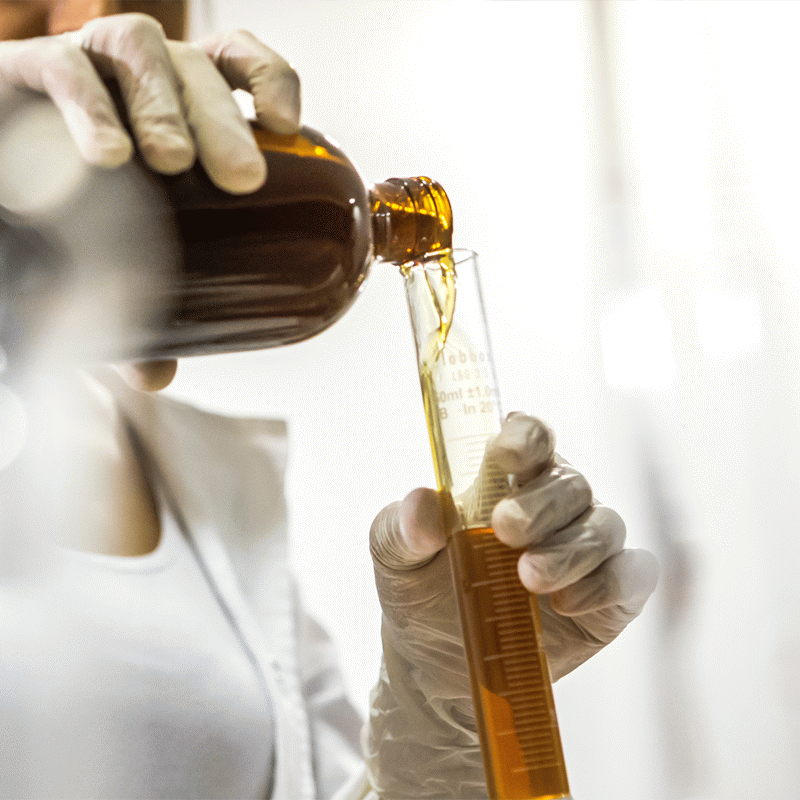
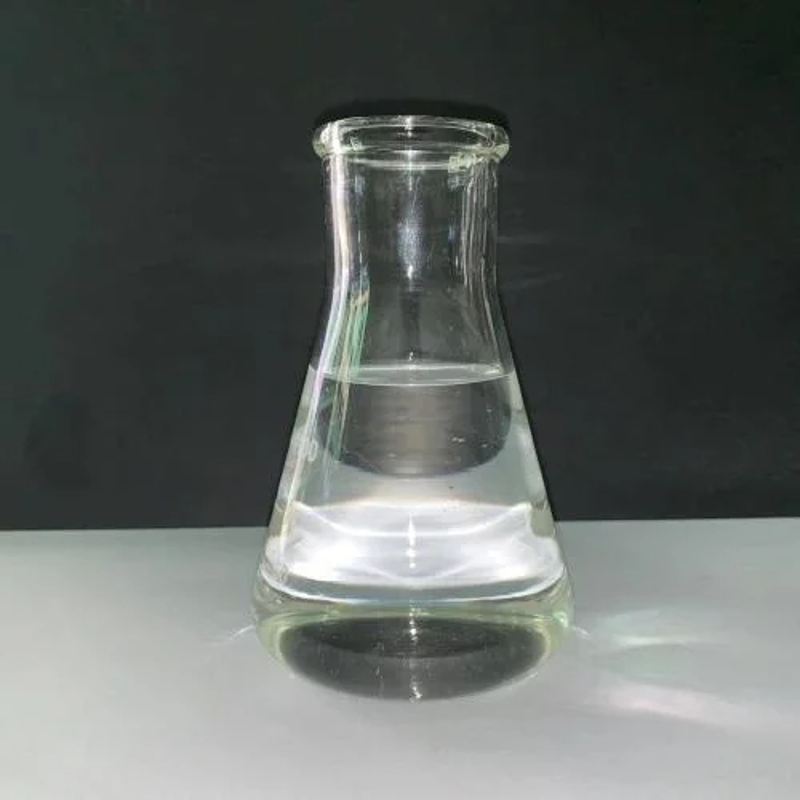
Factory Supply Ligroine 99% CAS NO.8032-32-4 buy - large image1
Factory Supply Ligroine 99% CAS NO.8032-32-4 buy - image1
Factory Supply Ligroine 99% CAS NO.8032-32-4 buy - image2
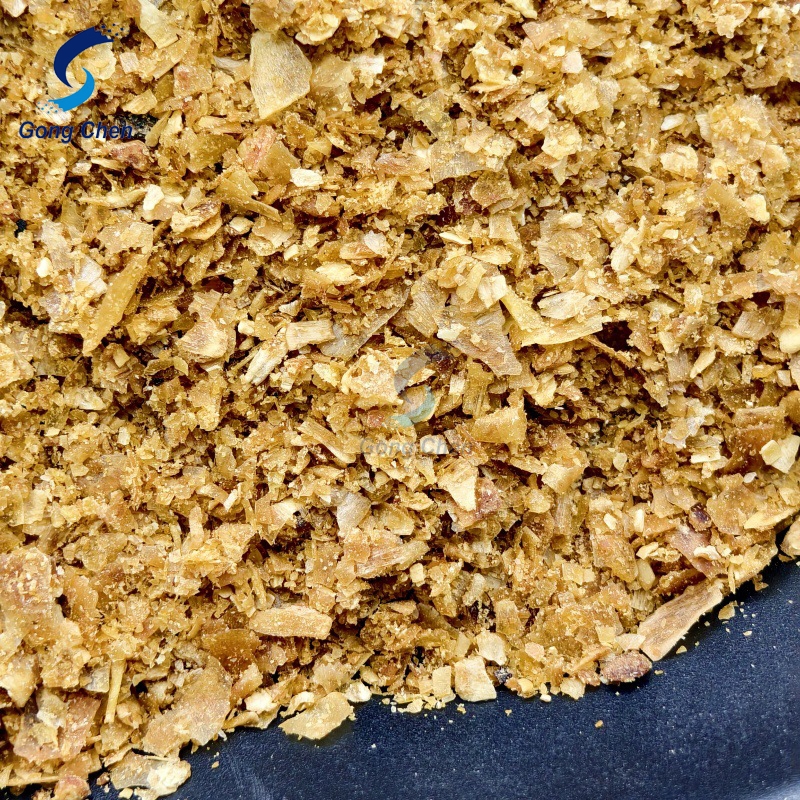
Factory Supply Ligroine 99% CAS NO.8032-32-4 buy - image3
Factory Supply Ligroine 99% CAS NO.8032-32-4 buy - image4
Factory Supply Ligroine 99% CAS NO.8032-32-4 buy - image5
Factory Supply Ligroine 99% CAS NO.8032-32-4 buy - image6

Factory Supply Ligroine 99% CAS NO.8032-32-4

4 Inquiries

Unit Price: Get Latest Price
CAS No.:

8032-32-4

Grade:

Pharmaceutical Grade

Content:

99%

Port:

Durban

Brand:

Custom

Packaging:

As per customer requirement

Price valid (until):

2024-05-17

Company Type:
Distributor
Location:
South Africa
Qualification:
Main Products:

Sodium Lauryl Ether Sulfate,Caustic Soda,Soda Ash,Citric Acid,Calcium Hypochlorite,Oxalic Acid

  • Product Description

  • Seller Information

  • Inquiry History

  • Description


      Product Detail  


    1. "Ligroine" typically refers to a mixture of low-boiling aliphatic hydrocarbons, often consisting primarily of pentanes and hexanes. Here are 15 long descriptions with headings for Ligroine (CAS number: 8032-32-4):

      1. Introduction to Ligroine: Ligroine, a term often used interchangeably with petroleum ether, refers to a complex mixture of aliphatic hydrocarbons obtained from petroleum distillation. It is characterized by its low boiling point and volatility, making it useful as a solvent in various applications.

      2. Chemical Composition and Properties: Ligroine is composed of a mixture of hydrocarbons, predominantly pentanes and hexanes, with varying chain lengths and structures. It typically appears as a colorless, volatile liquid with a characteristic odor and a boiling range between approximately 30°C to 70°C.

      3. Uses in Laboratory and Industrial Settings: Ligroine finds widespread use as a solvent in laboratory procedures, including extractions, chromatography, and dilutions. Additionally, it serves as a degreasing agent, a component in paint thinners, and a solvent for varnishes, adhesives, and rubber cement in industrial applications.

      4. Solvent Properties and Applications: Due to its low boiling point and non-polar nature, Ligroine exhibits excellent solvency for a wide range of organic compounds, including oils, fats, waxes, and resins. It is particularly effective for dissolving non-polar substances and is commonly used as a cleaning agent and degreaser.

      5. Safety Considerations and Handling Precautions: While Ligroine is generally considered to have low acute toxicity, it is highly flammable and poses fire and explosion hazards, especially in vapor form. Adequate ventilation, fire-resistant storage containers, and proper handling procedures are essential to minimize risks.

      6. Environmental Impact and Regulations: The use and disposal of Ligroine are subject to environmental regulations due to its potential to contribute to air and water pollution. Proper waste management practices, such as recycling or incineration in approved facilities, are necessary to mitigate environmental impact.

      7. Health Effects and Exposure Risks: Prolonged or repeated exposure to Ligroine vapor or skin contact may cause irritation, dermatitis, or central nervous system effects. Personal protective equipment, including gloves, goggles, and respiratory protection, should be worn when handling this solvent to prevent exposure.

      8. Storage and Transportation Guidelines: Ligroine should be stored in a cool, well-ventilated area away from heat, sparks, or open flames. Storage containers should be tightly sealed to prevent evaporation and labeled with appropriate hazard warnings. During transportation, adherence to regulations governing the shipment of flammable liquids is essential.

      9. Emergency Response Procedures: In the event of a spill or release of Ligroine, prompt action should be taken to minimize risks to personnel and the environment. This may include containing the spill, evacuating the area, and implementing fire suppression measures. Material Safety Data Sheets (MSDS) provide detailed guidance on emergency response procedures.

      10. Alternative Solvents and Substitutes: As awareness of environmental and health concerns grows, there is increasing interest in finding alternatives to traditional solvents like Ligroine. Bio-based solvents, green chemistry approaches, and solvent recycling technologies offer promising alternatives that minimize environmental impact and improve safety.

      11. Analytical Methods and Quality Control: Analytical techniques such as gas chromatography and infrared spectroscopy are commonly used to assess the purity and composition of Ligroine samples. Quality control measures ensure that the solvent meets the required specifications for specific applications and regulatory compliance.

      12. Historical Significance and Industrial Uses: Ligroine has a long history of use in industrial processes, dating back to the early days of petroleum refining. Its low cost, availability, and versatile solvent properties have made it a staple in various industries, including pharmaceuticals, cosmetics, and chemical manufacturing.

      13. Research and Development Trends: Ongoing research efforts focus on improving the efficiency, sustainability, and safety of solvent-based processes, including those utilizing Ligroine. Innovations in solvent recovery, purification techniques, and solvent substitution contribute to advancing the field of solvent chemistry.

      14. Global Market Trends and Demand Drivers: The demand for Ligroine and related solvents is influenced by factors such as industrial growth, regulatory requirements, and technological advancements. Market trends indicate a shift towards safer, more sustainable solvents, driving innovation and investment in this sector.

      15. Future Outlook and Challenges: Looking ahead, the continued evolution of solvent technology presents both opportunities and challenges for the industry. Addressing environmental concerns, enhancing safety standards, and meeting evolving regulatory requirements will be key drivers shaping the future of solvents like Ligroine.

    Item Descriptor
    Chemical Composition Mixture of aliphatic hydrocarbons
    Boiling Range Typically between 30°C and 60°C
    Appearance Colorless liquid
    Odor Characteristic hydrocarbon odor
    Density Varies depending on composition
    Melting Point Varies depending on composition
    Boiling Point Typically between 30°C and 60°C
    Solubility Insoluble in water, soluble in organic solvents
    Flash Point Varies depending on composition
    Vapor Pressure Varies depending on composition
    Refractive Index Varies depending on composition
    pH Neutral (7)
    Autoignition Temperature Varies depending on composition
    Viscosity Varies depending on composition
    Heat Capacity Varies depending on composition


      Product Detail  


    Shop Factory Supply Ligroine 99% CAS NO.8032-32-4-Detailed Image 1Shop Factory Supply Ligroine 99% CAS NO.8032-32-4-Detailed Image 2

    Basic Info
    Product Name:

    PETROLEUM ETHER

    Other Name:

    Petrol puriss., bp 100-140 C;Petrol puriss., bp 90-100 C;Petroleum (distilled: cut of distillation 100-160 degrees C);Ligroine Low boiling point naphtha;Petroleum Ether, 30-75 C;Petroleum Ether, 35-60 C;PetroleuM Ether 60-90°;PetroleuM Ether, B.R. 35 DEG -60 DEG C, Reagent, ACS

    CAS No.:

    8032-32-4

    Molecular Formula:

    unspecified

    InChIKeys:

    IMNFDUFMRHMDMM-UHFFFAOYSA-N

    Molecular Weight:

    0

    Exact Mass:

    100.125201

    EC Number:

    232-453-7

    TSCA:

    Yes

    Color/Form:

    APHA: ≤10

    HScode:

    27101299

    Categories:

    Liquid Chromatography

    Characteristics
    λmax:

    λ: 210 nm Amax: 1.00λ: 220 nm Amax: 0.30λ: 230 nm Amax: 0.10λ: 240 nm Amax: 0.05λ: 260-400 nm Amax: 0.01

    XLogP3:

    0.00000

    Appearance:

    N-heptane is a clear colorless liquids with a petroleum-like odor. Flash point 25°F. Less dense than water and insoluble in water. Vapors heavier than air.

    Density:

    0.77 g/mL at 20 °C

    Melting Point:

    -40℃

    Boiling Point:

    90-100 °C

    Flash Point:

    -30ºC

    Refractive Index:

    n20/D1.428

    Water Solubility:

    Insoluble in water.

    Vapor Pressure:

    25.8 psi ( 55 °C)

    Vapor Density:

    2.5 (vs air)

    Toxicity:

    LD50 intravenous in mouse: 40mg/kg

    Flammability characteristics:

    Extremely flammable

    Odor:

    Gasoline or kerosene

    Air and Water Reactions:

    Highly flammable. Insoluble in water.

    Reactivity Profile:

    PETROLEUM NAPHTHA, [FLAMMABLE LIQUID LABEL] may be incompatible with strong oxidizing agents like nitric acid. Charring may occur followed by ignition of unreacted material and other nearby combustibles. In other settings, mostly unreactive. Not affected by aqueous solutions of acids, alkalis, most oxidizing agents, and most reducing agents. When heated sufficiently or when ignited in the presence of air, oxygen or strong oxidizing agents, burns exothermically to produce mostly carbon dioxide and water.

    Autoignition Temperature:

    475 °F

    Critical Temperature & Pressure:

    Store at room temperature.

    Hazard Identification

    Classification of the substance or mixture

    Aspiration hazard, Category 1

    Germ cell mutagenicity, Category 1B

    Carcinogenicity, Category 1B

    GHS label elements, including precautionary statements

    Pictogram(s)

    Signal word

    Danger

    Hazard statement(s)

    H304 May be fatal if swallowed and enters airways

    H340 May cause genetic defects

    H350 May cause cancer

    Precautionary statement(s)
    Prevention

    P203 Obtain, read and follow all safety instructions before use.

    P280 Wear protective gloves/protective clothing/eye protection/face protection/hearing protection/...

    Response

    P301+P316 IF SWALLOWED: Get emergency medical help immediately.

    P331 Do NOT induce vomiting.

    P318 IF exposed or concerned, get medical advice.

    Storage

    P405 Store locked up.

    Disposal

    P501 Dispose of contents/container to an appropriate treatment and disposal facility in accordance with applicable laws and regulations, and product characteristics at time of disposal.

    Other hazards which do not result in classification

    no data available

    Handling and Storage

    Precautions for safe handling

    Handling in a well ventilated place. Wear suitable protective clothing. Avoid contact with skin and eyes. Avoid formation of dust and aerosols. Use non-sparking tools. Prevent fire caused by electrostatic discharge steam.

    Conditions for safe storage, including any incompatibilities

    Store the container tightly closed in a dry, cool and well-ventilated place. Store apart from foodstuff containers or incompatible materials.

  • Seller Information
    Business Type:

    Distributor

    Main Products:

    Sodium Lauryl Ether Sulfate,Caustic Soda,Soda Ash,Citric Acid,Calcium Hypochlorite,Oxalic Acid

    Location:

    13 PROTEA PARK MILKWOOD STREET RANGEVIEW GAUTENG 1739

    Payment Terms:

    TT against copy of documents,TT against B/L draft before shipment

    Average lead Time:

    60

    Total Annual Revenue:

    $1 million-$2.5 million

    Total Employees:

    11-50

    Year of Establishment:

    2012

  • Inquiry History
    4 Inquiries
    Country Product Purchase Quantity Date Posted
    South Korea

    VM-P.NAPHTHA

    1 MT Oct 16, 2023
    South Korea

    VM-P.NAPHTHA

    1 MT Oct 16, 2023
    United Arab Emirates

    Petroleum ethe

    2 L Feb 25, 2026
    India

    5-Bromothiophene-2-carbaldehyde

    1.00 KG May 6, 2026
    Post an enquiry for this product
pic ×

Scan the QR Code to Share

All products displayed on this website are only for non-medical purposes such as industrial applications or scientific research, and cannot be used for clinical diagnosis or treatment of humans or animals. They are not medicinal or edible.

According to relevant laws and regulations and the regulations of this website, units or individuals who purchase hazardous materials should obtain valid qualifications and qualification conditions.

The information shown above is provided by the enterprise itself, and the authenticity, accuracy and legitimacy of the content are the responsibility of the publishing company. ECHEMI does not bear any guarantee responsibility for this. Please be aware that risks in internet transactions objectively exist.

Feedback & Suggestions
Send Message

Thank you for your feedback. If you require further assistance, please contact us by email at info@echemi.com or call us at +86-532-55729510.