Product
Supplier
Encyclopedia
Inquiry
Home > Biochemical Engineering > Biosynthetic Natural Products > Saponins for Sale > Most Professional Factory Supply High Qulity Saponin CAS 8047-15-2
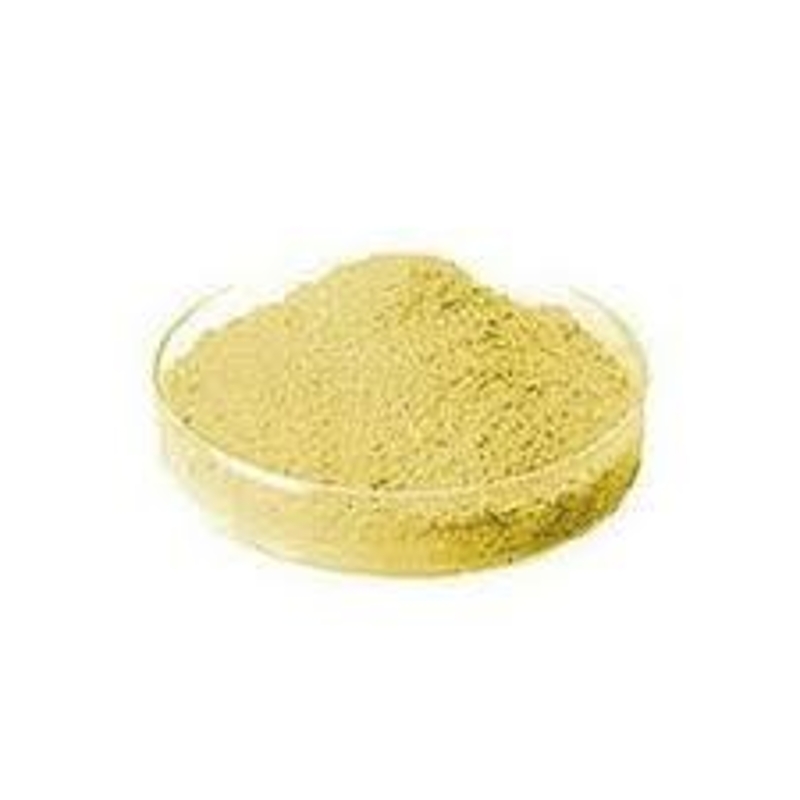
Most Professional Factory Supply High Qulity Saponin CAS 8047-15-2 buy - large image1
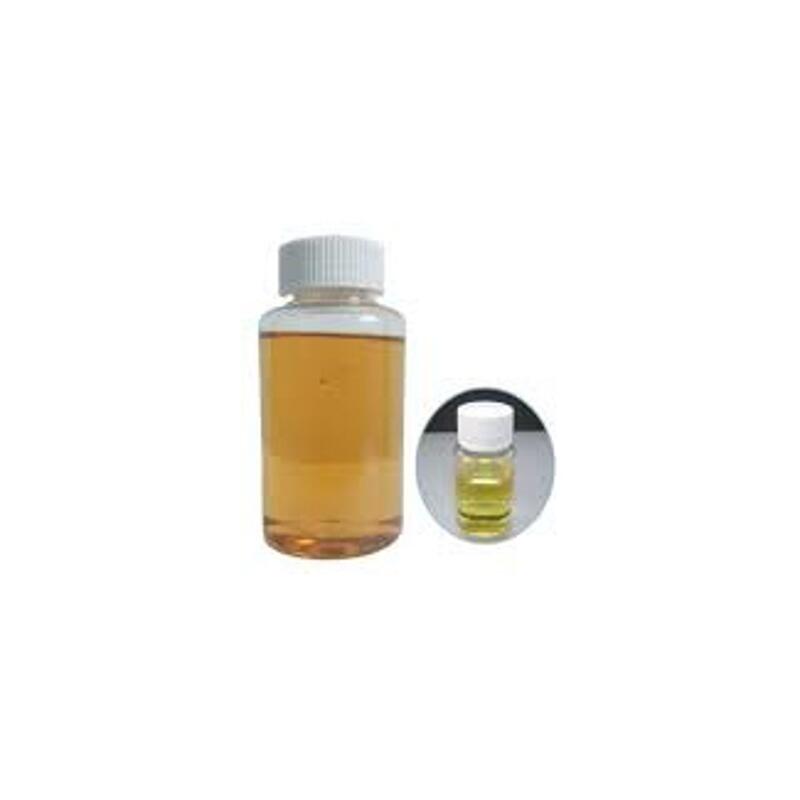
Most Professional Factory Supply High Qulity Saponin CAS 8047-15-2 buy - image1
Most Professional Factory Supply High Qulity Saponin CAS 8047-15-2 buy - image2
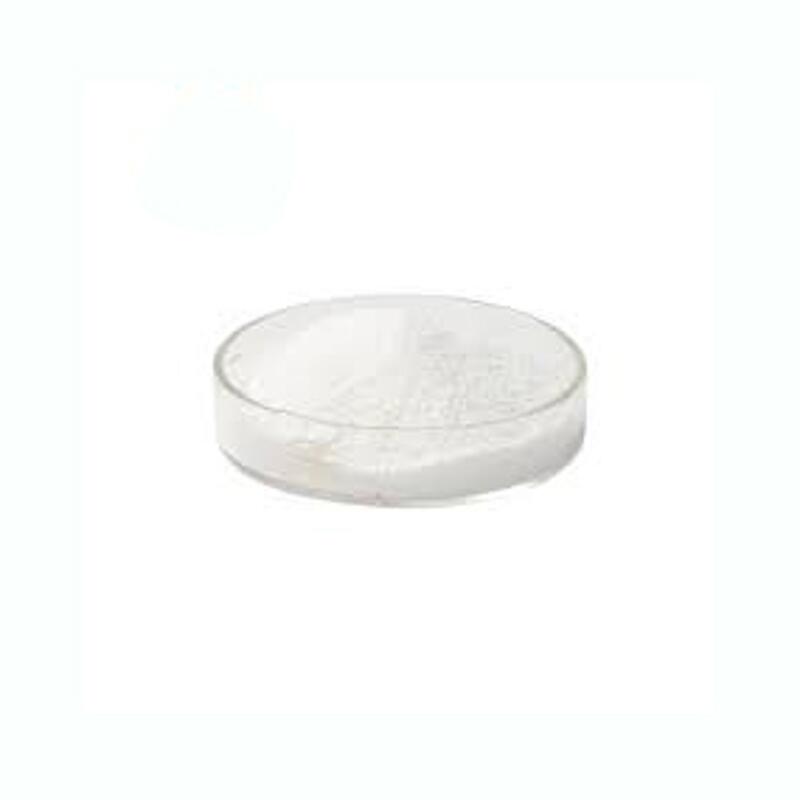
Most Professional Factory Supply High Qulity Saponin CAS 8047-15-2 buy - image3
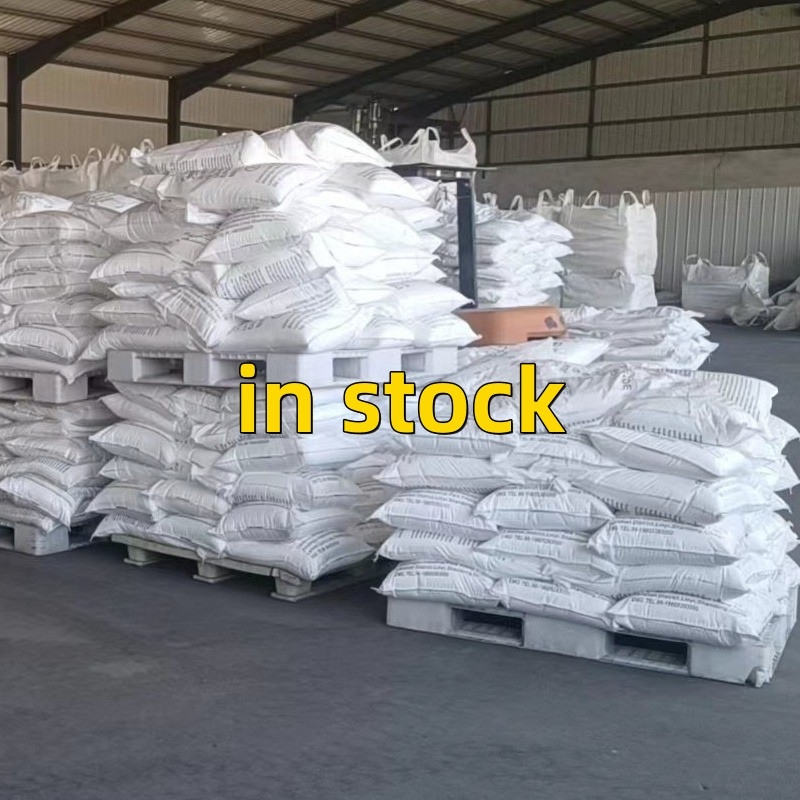
Most Professional Factory Supply High Qulity Saponin CAS 8047-15-2 buy - image4
Most Professional Factory Supply High Qulity Saponin CAS 8047-15-2 buy - image5
Most Professional Factory Supply High Qulity Saponin CAS 8047-15-2 buy - image6

Most Professional Factory Supply High Qulity Saponin CAS 8047-15-2

6 Inquiries

Unit Price: Get Latest Price
CAS No.:

8047-15-2

Grade:

Pharmaceutical Grade

Content:

99%

Port:

Durban

Brand:

Custom

Packaging:

As per customer requirement

Price valid (until):

2024-05-21

Company Type:
Distributor
Location:
South Africa
Qualification:
Main Products:

Sodium Lauryl Ether Sulfate,Caustic Soda,Soda Ash,Citric Acid,Calcium Hypochlorite,Oxalic Acid

  • Product Description

  • Seller Information

  • Inquiry History

  • Description


      Product Detail  


                                                      1. Introduction to Saponins: Saponins (8047-15-2) are a broad class of natural compounds characterized by their amphiphilic properties and ability to form foamy solutions in water. They are found in a wide range of plant species and have long been utilized for their diverse pharmacological and industrial applications.

                                                      2. Chemical Structure of Saponins: Saponins are glycosides composed of a hydrophilic sugar moiety (glycone) attached to a hydrophobic triterpene or steroid aglycone. This unique structure confers surface-active properties to saponins, allowing them to interact with lipids and proteins.

                                                      3. Classification of Saponins: Saponins are classified into various groups based on the chemical nature of their aglycone moiety. Common subclasses include triterpenoid saponins, steroidal saponins, and alkaloidal saponins, each exhibiting distinct structural features and biological activities.

                                                      4. Natural Sources of Saponins: Saponins are abundantly found in plant sources such as legumes (e.g., soybeans, chickpeas), herbs (e.g., ginseng, licorice), and certain vegetables (e.g., spinach, asparagus). They serve various ecological roles in plants, including defense against herbivores and pathogenic microorganisms.

                                                      5. Biological Activities of Saponins: Saponins possess a wide range of biological activities, including antimicrobial, anti-inflammatory, antioxidant, immunomodulatory, and anticancer properties. These bioactivities make saponins promising candidates for drug discovery and development.

                                                      6. Pharmacological Applications of Saponins: Saponins have been investigated for their therapeutic potential in various medical conditions, including cardiovascular diseases, diabetes, cancer, and neurodegenerative disorders. They exhibit multifaceted pharmacological effects that warrant further exploration in clinical settings.

                                                      7. Industrial Uses of Saponins: Saponins have numerous industrial applications, including their use as natural surfactants in detergents, foaming agents in cosmetics, and emulsifiers in food processing. Their biodegradability and low toxicity make them attractive alternatives to synthetic surfactants.

                                                      8. Extraction and Purification of Saponins: The extraction of saponins from plant materials involves solvent-based methods followed by purification steps to isolate the desired saponin fractions. Techniques such as chromatography and membrane filtration are commonly employed for saponin purification.

                                                      9. Formulation Considerations for Saponins: Saponins exhibit varying degrees of stability and solubility depending on their chemical structure and environmental conditions. Formulation strategies such as encapsulation and complexation are employed to enhance their bioavailability and efficacy in pharmaceutical and nutraceutical products.

                                                      10. Toxicity and Safety Considerations: While saponins are generally regarded as safe for consumption at typical dietary levels, high doses may cause gastrointestinal irritation and hemolysis due to their surfactant properties. Safety assessments are essential to mitigate potential adverse effects in humans and animals.

                                                      11. Synergistic Interactions with Other Compounds: Saponins may interact synergistically with other bioactive compounds present in plant extracts, enhancing their overall therapeutic effects. This synergism underscores the importance of considering the holistic composition of botanical preparations in pharmacological studies.

                                                      12. Regulatory Status and Quality Control: Regulatory agencies worldwide establish guidelines for the use of saponins in food, pharmaceuticals, and cosmetic products to ensure consumer safety. Quality control measures, including analytical methods and purity standards, are implemented to verify product integrity and compliance with regulatory requirements.

                                                      13. Biotechnological Production of Saponins: Advances in biotechnology have enabled the biotechnological production of saponins using microbial fermentation and plant cell culture techniques. These approaches offer sustainable and scalable methods for saponin production, reducing reliance on traditional extraction methods.

                                                      14. Future Directions in Saponin Research: Future research on saponins aims to elucidate their mechanisms of action, identify novel bioactive compounds, and explore innovative applications in health, agriculture, and biotechnology. Interdisciplinary collaborations and technological advancements will drive continued progress in saponin science.

                                                      15. Education and Outreach Efforts: Education and outreach initiatives play a crucial role in raising awareness of saponins' significance in human health and environmental sustainability. Public engagement efforts aim to disseminate accurate information about saponins and promote their responsible utilization for societal benefit.

    Items Specifications
    Chemical Structure Saponins are a diverse group of natural compounds characterized by their amphiphilic nature, featuring both hydrophilic and lipophilic properties.
    Molecular Formula Varies depending on the specific structure of the saponin.
    IUPAC Name Varies depending on the specific structure of the saponin.
    Synonyms Triterpene glycosides
    Chemical Class Glycosides
    Solubility Generally soluble in water due to the presence of hydrophilic sugar chains, but some may also be soluble in organic solvents.
    Source Found in various plant species, particularly those belonging to families such as Fabaceae, Asteraceae, and Liliaceae.
    Biological Role Possess a wide range of biological activities, including surfactant properties, hemolytic activity, and potential health benefits.
    Health Benefits Studied for potential pharmacological effects, such as anti-inflammatory, anticancer, and cholesterol-lowering properties.
    Metabolism Metabolized by gut microbiota in the intestine, leading to the release of aglycones and sugar residues.
    Dietary Sources Commonly found in foods such as beans, lentils, chickpeas, and various herbs and vegetables.
    Pharmacological Use Investigated for potential therapeutic applications in medicine and cosmetics due to their diverse bioactivities.
    Bioavailability Varied bioavailability depending on factors such as chemical structure, dosage form, and route of administration.
    Structural Isomers Exist as numerous structural variants, with differences in the type and arrangement of sugar chains and aglycones.
    Research Areas Active research in pharmacology, nutraceuticals, and drug discovery to explore the potential benefits and mechanisms of action of saponins.
    Industrial Uses Utilized in the pharmaceutical, food, and cosmetic industries for their foaming, emulsifying, and therapeutic properties.


      Product Detail  


    Shop Most Professional Factory Supply High Qulity Saponin CAS 8047-15-2-Detailed Image 1Shop Most Professional Factory Supply High Qulity Saponin CAS 8047-15-2-Detailed Image 2Shop Most Professional Factory Supply High Qulity Saponin CAS 8047-15-2-Detailed Image 3

    Basic Info
    Product Name:

    Saponins

    Other Name:

    Saponins;Saponin;Sapogenins,glycosides;Saponosides;Glycosides,sapogenin;5PD-Lytic;Saponin Andean QDP Ultra Organic;HD 1907;11006-75-0

    CAS No.:

    8047-15-2

    InChIKeys:

    MAEBCGDGGATMSC-OSHGGGOQSA-N

    Molecular Weight:

    1223.3

    Exact Mass:

    1222.598248

    EC Number:

    232-462-6

    HScode:

    29389090

    Characteristics
    PSA:

    422

    XLogP3:

    0.00000

    Density:

    1.015-1.020 g/mL at 20 °C (5% in H 2 O)(lit.)

    Melting Point:

    158℃

    Water Solubility:

    soluble in cold water.

    Storage Conditions:

    Store at RT.

    Toxicity:

    Oral-Mouse LDL0: 3000 mg/kg

    Flammability characteristics:

    Solvent No. 120 gasoline is flammable

    Hazard Identification

    Classification of the substance or mixture

    Eye irritation, Category 2

    Specific target organ toxicity – single exposure, Category 3

    GHS label elements, including precautionary statements

    Pictogram(s)

    Signal word

    Warning

    Hazard statement(s)

    H319 Causes serious eye irritation

    H335 May cause respiratory irritation

    Precautionary statement(s)
    Prevention

    P264 Wash ... thoroughly after handling.

    P280 Wear protective gloves/protective clothing/eye protection/face protection/hearing protection/...

    P261 Avoid breathing dust/fume/gas/mist/vapours/spray.

    P271 Use only outdoors or in a well-ventilated area.

    Response

    P305+P351+P338 IF IN EYES: Rinse cautiously with water for several minutes. Remove contact lenses, if present and easy to do. Continue rinsing.

    P304+P340 IF INHALED: Remove person to fresh air and keep comfortable for breathing.

    P319 Get medical help if you feel unwell.

    Storage

    P403+P233 Store in a well-ventilated place. Keep container tightly closed.

    P405 Store locked up.

    Disposal

    P501 Dispose of contents/container to an appropriate treatment and disposal facility in accordance with applicable laws and regulations, and product characteristics at time of disposal.

    Other hazards which do not result in classification

    no data available

    Handling and Storage

    Precautions for safe handling

    Handling in a well ventilated place. Wear suitable protective clothing. Avoid contact with skin and eyes. Avoid formation of dust and aerosols. Use non-sparking tools. Prevent fire caused by electrostatic discharge steam.

    Conditions for safe storage, including any incompatibilities

    Store the container tightly closed in a dry, cool and well-ventilated place. Store apart from foodstuff containers or incompatible materials.

  • Seller Information
    Business Type:

    Distributor

    Main Products:

    Sodium Lauryl Ether Sulfate,Caustic Soda,Soda Ash,Citric Acid,Calcium Hypochlorite,Oxalic Acid

    Location:

    13 PROTEA PARK MILKWOOD STREET RANGEVIEW GAUTENG 1739

    Payment Terms:

    TT against copy of documents,TT against B/L draft before shipment

    Average lead Time:

    60

    Total Annual Revenue:

    $1 million-$2.5 million

    Total Employees:

    11-50

    Year of Establishment:

    2012

  • Inquiry History
    6 Inquiries
    Country Product Purchase Quantity Date Posted
    Pakistan

    High purity Saponin with high quality and best price cas:8047-15-2 CAS NO.8047-15-2 90% Light yellow powder

    6000 G Sep 23, 2023
    India

    White saponin

    1 MT Feb 29, 2024
    India

    Saponin

    400 KG Jan 24, 2024
    Thailand

    Saponin

    1300 KG Dec 20, 2023
    United States

    saponin

    500 G Nov 10, 2023
    Egypt

    Imiquimod

    1 KG Sep 25, 2024
    Post an enquiry for this product
pic ×

Scan the QR Code to Share

All products displayed on this website are only for non-medical purposes such as industrial applications or scientific research, and cannot be used for clinical diagnosis or treatment of humans or animals. They are not medicinal or edible.

According to relevant laws and regulations and the regulations of this website, units or individuals who purchase hazardous materials should obtain valid qualifications and qualification conditions.

The information shown above is provided by the enterprise itself, and the authenticity, accuracy and legitimacy of the content are the responsibility of the publishing company. ECHEMI does not bear any guarantee responsibility for this. Please be aware that risks in internet transactions objectively exist.

Feedback & Suggestions
Send Message

Thank you for your feedback. If you require further assistance, please contact us by email at info@echemi.com or call us at +86-532-55729510.