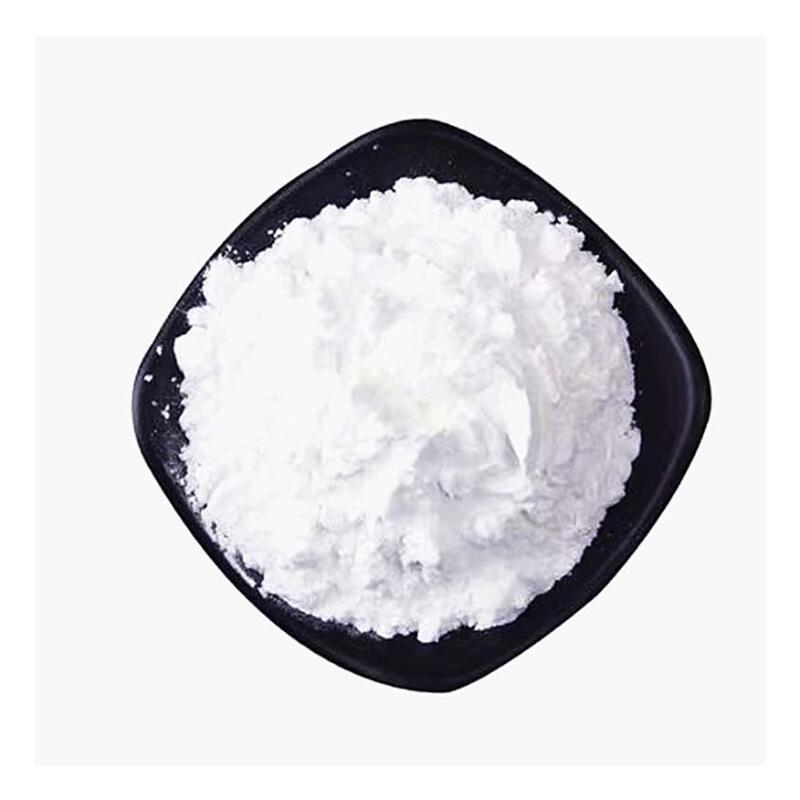
Inotilone CAS NO (906366-79-8) Available In Good Price
906366-79-8
Industrial Grade
99%
Durban
Custom
As per customer requirement
Yes
2024-06-02
Sodium Lauryl Ether Sulfate,Caustic Soda,Soda Ash,Citric Acid,Calcium Hypochlorite,Oxalic Acid
-
Product Description
-
Seller Information
-
Description
Product Detail
Inotilone, with the Chemical Abstracts Service (CAS) number 906366-79-8, is a naturally occurring compound found in certain fungi and plants. It belongs to the class of natural products known as sesquiterpenoids, characterized by their diverse biological activities and structural complexity. Inotilone has attracted attention for its potential pharmacological properties and therapeutic applications in various fields.
1. Chemical Structure Inotilone is a sesquiterpenoid compound characterized by a bicyclic ring structure with a ketone functional group. Its chemical formula is C15H20O2, and its molecular structure consists of a fused cyclohexenone ring system with a side chain substitution. This unique structure contributes to its biological activity and potential medicinal properties.
2. Natural Occurrence Inotilone is naturally produced by certain fungi, including species of the genus Inonotus, as well as in some plants. It is found in various parts of these organisms, such as the fruiting bodies, mycelium, or aerial parts. In nature, inotilone may serve various ecological roles, including defense against predators and microbial pathogens.
3. Pharmacological Activities Inotilone exhibits a range of pharmacological activities that make it of interest for medical and scientific research. Experimental studies have suggested potential antioxidant, anti-inflammatory, antimicrobial, antitumor, and neuroprotective effects associated with inotilone. These activities are attributed to its ability to modulate cellular signaling pathways and biochemical processes.
4. Antioxidant Properties Inotilone has been shown to possess antioxidant properties, scavenging free radicals and reactive oxygen species (ROS) that contribute to oxidative stress and cellular damage. By reducing oxidative stress, inotilone may help protect cells and tissues from oxidative damage associated with aging, inflammation, and various diseases.
5. Anti-Inflammatory Effects Inflammation plays a key role in the pathogenesis of many chronic diseases, including cardiovascular diseases, neurodegenerative disorders, and cancer. Inotilone has been reported to exert anti-inflammatory effects by inhibiting pro-inflammatory mediators and signaling pathways, thereby attenuating inflammatory responses and tissue damage.
6. Antimicrobial Activity Inotilone exhibits antimicrobial activity against a variety of bacterial, fungal, and parasitic pathogens. It has been investigated for its potential use as an antimicrobial agent in the treatment of infectious diseases, including bacterial infections, fungal infections, and parasitic infections.
7. Antitumor Potential Preliminary studies suggest that inotilone may possess antitumor activity against various types of cancer cells. It has been shown to inhibit cancer cell proliferation, induce apoptosis (programmed cell death), and suppress tumor growth in experimental models. Further research is needed to elucidate its mechanisms of action and therapeutic potential in cancer treatment.
8. Neuroprotective Effects Inotilone has demonstrated neuroprotective effects in preclinical studies, showing potential for the treatment of neurodegenerative diseases such as Alzheimer's disease and Parkinson's disease. It may exert neuroprotective effects by reducing oxidative stress, inflammation, and neuronal damage, as well as modulating neuronal signaling pathways.
9. Drug Development and Therapeutic Potential Given its diverse pharmacological activities and potential therapeutic applications, inotilone holds promise as a lead compound for drug development. Researchers are exploring its pharmacokinetics, safety profile, and efficacy in preclinical and clinical studies, with the aim of developing novel pharmaceutical agents for the treatment of various diseases.
10. Conclusion Inotilone is a naturally occurring sesquiterpenoid compound with diverse pharmacological activities and therapeutic potential. Its antioxidant, anti-inflammatory, antimicrobial, antitumor, and neuroprotective effects make it an attractive candidate for further research and development in the field of drug discovery and therapeutic innovation. Continued investigation into the biological properties and clinical applications of inotilone may lead to the development of novel therapies for a range of human diseases.
Specifications
Items Specifications Chemical Name Inotilone CAS Number 906366-79-8 Chemical Formula C10H12O2 Molecular Weight ~164.20 g/mol Appearance Yellow crystalline solid Melting Point ~112-114°C Boiling Point Decomposes upon heating Solubility Soluble in organic solvents Purity Typically ≥98% Storage Condition Store in a cool, dry place away from light Stability Stable under normal conditions Hazard Class Not classified Handling Precautions Avoid inhalation, ingestion, skin, and eye contact Usage Research, synthesis, potential pharmaceutical applications Regulatory Status Not listed under major regulations Chemical Formula C22H28FN3O6S Molecular Weight ~ 481.54 g/mol Appearance White to off-white solid Melting Point Not available Solubility Soluble in organic solvents Storage Condition Store in a cool, dry place away from heat and light sources Stability Stable under normal conditions Hazard Class Not classified Handling Precautions Avoid inhalation, ingestion, and contact with skin and eyes Usage Intermediate in the synthesis of Rosuvastatin calcium, a cholesterol-lowering medication Hazardous Decomposition Products Carbon monoxide, carbon dioxide Hazardous Polymerization Will not occur Regulatory Status Approved by regulatory authorities for pharmaceutical use Product Detail


 Basic Info
-
Product Name:
Inotilone
Other Name:3(2H)-Furanone,2-[(3,4-dihydroxyphenyl)methylene]-5-methyl-,(2Z)-;(2Z)-2-[(3,4-Dihydroxyphenyl)methylene]-5-methyl-3(2H)-furanone;Inotilone
CAS No.:906366-79-8
Molecular Formula:C12H10O4
InChIKeys:InChIKey=NLZQGBCUKNUDED-SDQBBNPISA-N
Molecular Weight:218.21
Exact Mass:218.21
EC Number:618-603-8
DSSTox ID:DTXSID50694099
Categories:
Characteristics-
PSA:
66.76000
XLogP3:1.94180
Density:1.433±0.06 g/cm3
Melting Point:177.4 °C
Boiling Point:491.9±45.0 °C(Predicted)
PKA:8.58±0.35
-
-
Seller Information
-
Business Type:
Distributor
-
Main Products:
Sodium Lauryl Ether Sulfate,Caustic Soda,Soda Ash,Citric Acid,Calcium Hypochlorite,Oxalic Acid
-
Location:
13 PROTEA PARK MILKWOOD STREET RANGEVIEW GAUTENG 1739
-
Payment Terms:
TT against copy of documents,TT against B/L draft before shipment
-
Average lead Time:
60 days
-
Total Annual Revenue:
$1 million-$2.5 million
-
Total Employees:
11-50
-
Year of Establishment:
2012
-
-
Country Product Purchase Quantity Date Posted Post an enquiry for this product
Related Searches
More from this Seller
-
-

-
Pure Arabic gum 9000-01-5
AA / 99%
-
-
-
 For Sale")
-
Hexamethylene diisocyanate homopolymer CAS NO (28182-81-2) For Sale
Industrial Grade / 99%
-
-
-

-
High quality TiO2 lemon BLR 698 titanium dioxide Industrial whitener food Grade
Pharmaceutical Grade / 99%
-
-
-

-
Diammonium phosphate fertilizer manufacture - DAP 7722-76-1
Agricultural Grade / 99%
-
-
-
 Available at good price")
-
Factory Price Isopropylbenzylamine CAS NO (102-97-6) Available at good price
Pharmaceutical Grade / 99%
-
-
-
")
-
Best Manufacturer of Sodium butyl naphthalene sulfonate CAS NO (25638-17-9)
Pharmaceutical Grade / 99%
-