Hexamethylene diisocyanate homopolymer, with the CAS number 28182-81-2, is a polymer derived from the polymerization of hexamethylene diisocyanate (HDI). It is commonly referred to as HDI homopolymer.
1. Chemical Structure and Identity:
HDI homopolymer is a polymeric material composed of repeating units derived from hexamethylene diisocyanate monomers. The exact chemical structure can vary depending on the polymerization conditions and the degree of polymerization.
2. Synthesis and Production:
HDI homopolymer is produced through the polymerization of hexamethylene diisocyanate monomers under controlled conditions, typically in the presence of catalysts and stabilizers. The polymerization process may involve various techniques such as bulk polymerization, solution polymerization, or emulsion polymerization.
3. Physical Properties:
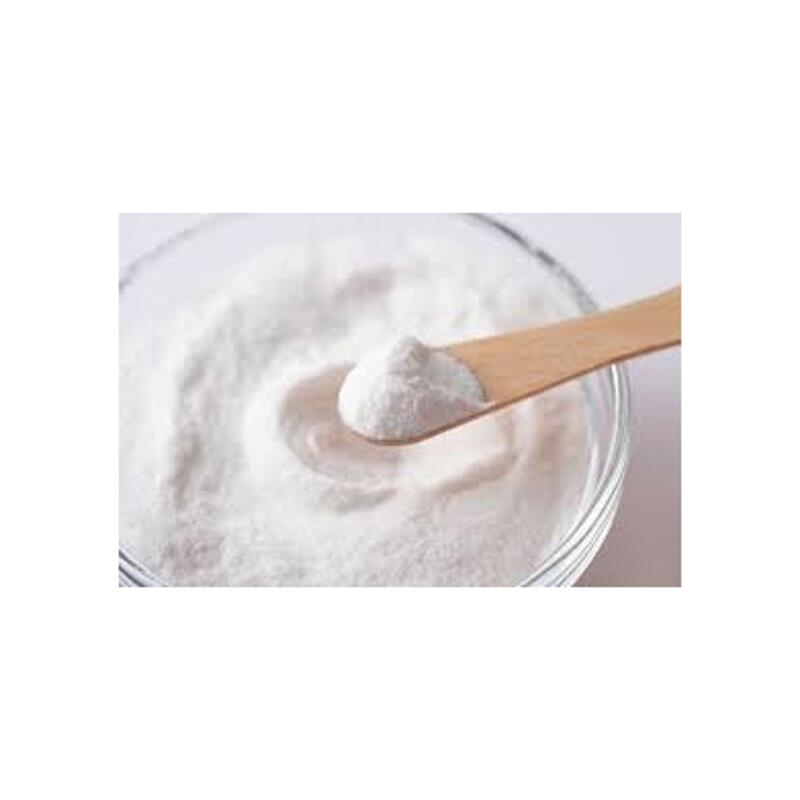
- Appearance: HDI homopolymer is typically found as a solid material, often in the form of granules, powder, or pellets. The appearance may vary depending on factors such as molecular weight and degree of cross-linking.
- Melting Point: The melting point of HDI homopolymer can vary depending on its molecular weight and crystallinity. It may range from relatively low temperatures to higher temperatures, depending on the specific grade and formulation.
4. Chemical Properties:
- Isocyanate Groups: HDI homopolymer contains unreacted isocyanate groups (-N=C=O) within its structure, which can undergo further reactions, such as cross-linking, with suitable curing agents or functional groups.
- Reactivity: The isocyanate groups in HDI homopolymer can react with a variety of compounds containing hydroxyl, amino, or thiol groups, leading to the formation of urethane, urea, or thiourethane linkages.
5. Applications and Uses:
HDI homopolymer finds applications in various industries, including coatings, adhesives, sealants, and elastomers:
- Coatings: HDI homopolymer is used as a raw material in the formulation of high-performance polyurethane coatings, including automotive coatings, industrial coatings, and architectural coatings. It provides excellent durability, chemical resistance, and weatherability.
- Adhesives and Sealants: It is utilized in the formulation of structural adhesives and sealants for bonding a wide range of substrates, including metals, plastics, and composites. HDI-based adhesives offer high strength, adhesion, and resistance to environmental factors.
- Elastomers: HDI homopolymer can be used as a building block in the synthesis of polyurethane elastomers, which find applications in industries such as footwear, automotive, and sports equipment due to their flexibility, resilience, and abrasion resistance.
6. Safety and Handling:
HDI homopolymer should be handled with care to minimize exposure to airborne particles and vapor. Inhalation of dust or vapor may cause respiratory irritation or sensitization. Personal protective equipment (PPE), including gloves, goggles, and respiratory protection, should be worn when handling HDI-based materials.
7. Environmental Impact:
The environmental impact of HDI homopolymer depends on factors such as its use, disposal, and potential for release into the environment. Proper waste management practices should be followed to minimize environmental contamination.
8. Regulatory Considerations:
The production, handling, and use of HDI homopolymer may be subject to regulations and guidelines established by government agencies to protect human health and the environment. Compliance with these regulations is essential to ensure safety and environmental protection.
In summary, HDI homopolymer is a versatile polymeric material used in various applications, including coatings, adhesives, sealants, and elastomers. Its synthesis, physical properties, chemical properties, applications, safety considerations, environmental impact, and regulatory aspects are important factors to consider in its production, handling, and utilization.