Product
Supplier
Encyclopedia
Inquiry
Home > Catalyst and Auxiliary > Antioxidants > Glutamic acid diacetate tetrasodium salt for Sale > N,N-BIS(CARBOXYMETHYL)-L-GLUTAMIC ACID TETRASODIUM SALT 99% white powder GLDA CAS 51981-21-6
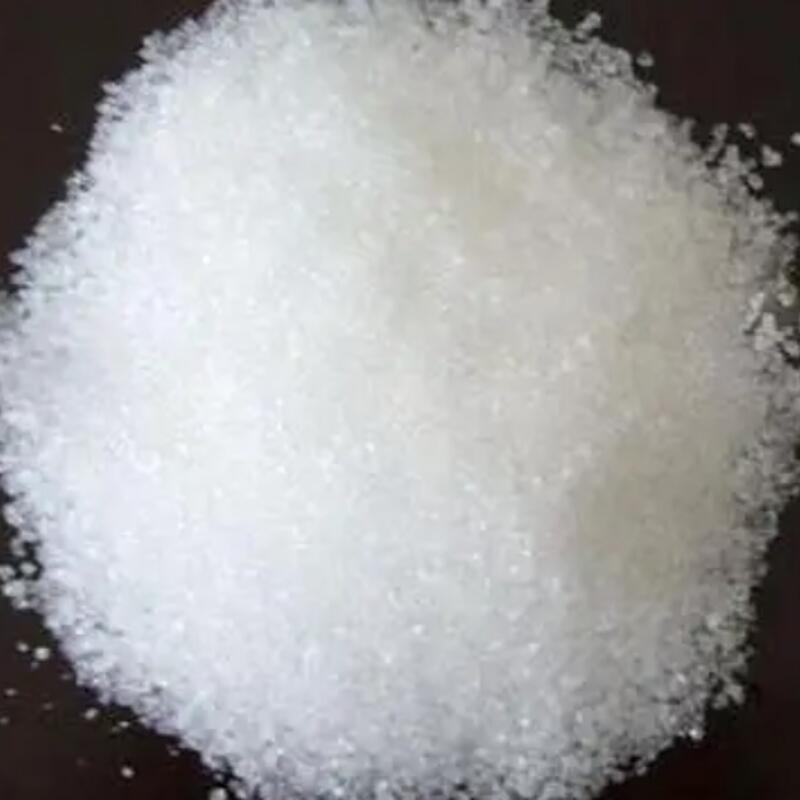
N,N-BIS(CARBOXYMETHYL)-L-GLUTAMIC ACID TETRASODIUM SALT 99% white powder  GLDA CAS 51981-21-6 buy - large image1
N,N-BIS(CARBOXYMETHYL)-L-GLUTAMIC ACID TETRASODIUM SALT 99% white powder  GLDA CAS 51981-21-6 buy - image1
N,N-BIS(CARBOXYMETHYL)-L-GLUTAMIC ACID TETRASODIUM SALT 99% white powder  GLDA CAS 51981-21-6 buy - image2
N,N-BIS(CARBOXYMETHYL)-L-GLUTAMIC ACID TETRASODIUM SALT 99% white powder  GLDA CAS 51981-21-6 buy - image3
N,N-BIS(CARBOXYMETHYL)-L-GLUTAMIC ACID TETRASODIUM SALT 99% white powder  GLDA CAS 51981-21-6 buy - image4
N,N-BIS(CARBOXYMETHYL)-L-GLUTAMIC ACID TETRASODIUM SALT 99% white powder  GLDA CAS 51981-21-6 buy - image5
N,N-BIS(CARBOXYMETHYL)-L-GLUTAMIC ACID TETRASODIUM SALT 99% white powder  GLDA CAS 51981-21-6 buy - image6

N,N-BIS(CARBOXYMETHYL)-L-GLUTAMIC ACID TETRASODIUM SALT 99% white powder GLDA CAS 51981-21-6

4 Inquiries

Unit Price: Get Latest Price
CAS No.:

51981-21-6

Grade:

Industrial Grade

Content:

47.18%

Port:

Any port in China

Brand:

EAST CHEMSOURCES LIMITED

Packaging:

1250kg/IBC

Price valid (until):

2024-06-11

Company Type:
Trader
Location:
China
Qualification:
Main Products:

Food additives,Pharmaceutical raw materials,Chemicals,Comestic raw materials

  • Product Description

  • Seller Information

  • Inquiry History

  • Description
    Shop GLDA-4NA 47% L-Glutamic acid-Detailed Image 11.1. Product identifier
    Product Name
    GLDA 4NA 38-47%
    CAS number
    Tetrasodium N,N-bis(carboxylatomethyl)-L-glutamate:
    51981-21-6
    EC number
    Tetrasodium N,N-bis(carboxylatomethyl)-L-glutamate:
    257-573-7
    REACH registration number Tetrasodium N,N-bis(carboxylatomethyl)-L-glutamate:
    01-2119493601-38-****
    1.2. Relevant identified uses of the substance or mixture and uses advised against
    Recommended Use
    For more detail information, please refer to Annex (Exposure Scenarios).
    Uses advised against
    No information available  

    SECTION 2: Hazards identification
    2.1. Classification of the substance or mixture
    Classification according to Regulation (EC) No. 1272/2008 [CLP] 

    Corrosive to metals, Category 1 – (H290)
    Skin corrosion/irritation Category 1 Sub-category B - (H314)
    Serious eye damage/eye irritation Category 1 - (H318)
    In the absence of any other information, a substance is considered as corrosive to skin (Skin Corrosion Category 1) if
    it has a pH ≤ 2 or a pH ≥ 11,5.
    2.2. Label elements
    Hazard pictograms

    Signal word
    Danger
    Hazard Statements
    H290 - May be corrosive to metals.
    H314 - Causes severe skin burns and eye damage
    Precautionary Statements
    P260 - Do not breathe dust/fume/gas/mist/vapors/spray
    P280 - Wear protective gloves/protective clothing/eye protection/face protection
    P234 - Keep only in original packaging.
    P303 + P361 + P353 - IF ON SKIN (or hair): Remove/Take off immediately all
    contaminated clothing. Rinse skin with water/shower
    P305 + P351 + P338 - IF IN EYES: Rinse cautiously with water for several
    minutes. Remove contact lenses, if present and easy to do. Continue rinsing
    P310 - Immediately call a POISON CENTER or doctor/physician
    P390 - Absorb spillage to prevent material damage.
    P405 - Store locked up
    P501 - Dispose of contents/ container to an approved waste disposal plant
    EUH-statements
    None.
    2.3. Other hazards
    Other hazards which do not result in
    classification
    : No information available.
    This substance/mixture does not meet the PBT criteria of REACH regulation, annex XIII
    This substance/mixture does not meet the vPvB criteria of REACH regulation, annex XIII
    Adverse effects on the environment
    caused by endocrine disrupting
    properties
    : The mixture does not contain substance(s) included in the list established
    in accordance with Article 59(1) of REACH for having endocrine
    disrupting properties, or is not identified as having endocrine disrupting
    properties in accordance with the criteria set out in Commission
    Delegated Regulation (EU) 2017/2100 or Commission Regulation (EU)
    2018/605 at a concentration equal to or greater than 0,1 %
    SECTION 3: Composition/information on ingredients
    3.1. Mixture
    Chemical Name
    EC No
    CAS No
    Weight-%
    Classification according to Regulation
    (EC) No. 1272/2008 [CLP]
    Tetrasodium
    N,N-bis(carboxylatome
    thyl)-L-glutamate
    257-573-7
    51981-21-6
    38-47
    Not Classified

    SECTION 4: First aid measures
    4.1. Description of first aid measures
    General advice
    In case of accident or unwellness, seek medical advice immediately (show directions for use or safety data sheet if
    possible).
    Inhalation
    Dust may be irritating to the respiratory tract and cause symptoms of bronchitis. Move to fresh air. If symptoms
    persist, seek medical advice.
    Skin Contact
    Wash off immediately with soap and plenty of water while removing all contaminated clothes and shoes. Wash
    contaminated clothing before reuse. If skin irritation persists, call a physician.
    Eye contact
    Rinse thoroughly with plenty of water. Eyelids should be held away from the eyeball to ensure thorough rinsing.
    Seek medical advice.
    Ingestion
    Rinse mouth. Never give anything by mouth to an unconscious person. Do NOT induce vomiting. Call a POISON
    CENTER or doctor/physician if you feel unwell.
    4.2. Most important symptoms and effects, both acute and delayed
    Causes severe skin burns and eye damage
    4.3. Indication of any immediate medical attention and special treatment needed
    Treat symptomatically.
    SECTION 5: Firefighting measures
    5.1. Extinguishing media
    Suitable extinguishing media
    Dry chemical, CO2, water spray or regular foam.
    Unsuitable extinguishing media
    No information available
    5.2. Special hazards arising from the substance or mixture
    Thermal decomposition can lead to release of irritating and toxic gases and vapors. Nitrous gases may be
    produced.
    5.3. Advice for firefighters
    Firefighters should wear self-contained breathing apparatus and full firefighting turnout gear.
    SECTION 6: Accidental release measures 

    6.1. Personal precautions, protective equipment and emergency procedures
    Evacuate personnel to safe areas
    Avoid contact with skin, eyes or clothing
    Ensure adequate ventilation, especially in confined areas
    Do not breathe dust/fume/gas/mist/vapors/spray
    6.2. Environmental precautions
    Prevent product from entering drains
    6.3. Methods and material for containment and cleaning up
    Absorb with earth, sand or other non-combustible material and transfer to containers for later disposal
    6.4. Reference to other sections
    See Section 7 for more information
    See section 8 for more information
    See section 13 for more information
    SECTION 7: Handling and storage
    7.1. Precautions for safe handling
    Handle in accordance with good industrial hygiene and safety practice
    Avoid contact with skin, eyes or clothing
    Do not breathe dust/fume/gas/mist/vapors/spray
    Use only with adequate ventilation and in closed systems
    Do not handle until all safety precautions have been read and understood
    Always wear a self-contained breathing apparatus or full-face airline respirator when using this chemical
    7.2. Conditions for safe storage, including any incompatibilities
    Keep tightly closed in a dry and cool place
    Keep away from heat
    Keep out of the reach of children
    Avoid contact with aluminium, zinc, nickel, copper and copper alloys in combination with humidity/ water.
    7.3. Specific end use(s)
    Apart from the uses mentioned in SECTION 1.2 no other specific uses are stipulated.
    SECTION 8: Exposure controls/personal protection
    8.1. Control parameters
    Exposure Limits
    This product, as supplied, does not contain any hazardous materials with occupational exposure limits established
    by the region specific regulatory bodies.
    Tetrasodium N,N-bis(carboxylatomethyl)-L-glutamate
    Derived No Effect Level (DNEL)
    Workers
    Inhalation -Systemic effects- Long term exposure
    7.3 mg/m�

    Dermal-Systemic effects- Long term exposure
    15000 mg/kg bw/day
    General Population
    Inhalation-Systemic effects- Long term exposure
    1.8 mg/m�
    Dermal-Systemic effects- Long term exposure
    7500 mg/kg bw/day
    Oral-Systemic effects- Long term exposure
    1.5 mg/kg bw/day
    Tetrasodium N,N-bis(carboxylatomethyl)-L-glutamate
    Predicted No Effect Concentration (PNEC)
    Freshwater
    9.45 mg/L
    Freshwater -Intermittent releases
    0.953mg/L
    Marine water
    0.945 mg/L
    Marine water-Intermittent releases
    0.095mg/L
    Sewage treatment plant
    41.2 mg/L
    Soil
    0.5 mg/kg soil dw
    Secondary poisoning
    67 mg/kg food
    8.2. Exposure controls
    Engineering Controls
    Ensure adequate ventilation, especially in confined areas.
    Personal protective equipment
    Eye/face protection
    Wear safety glasses with side shields (or goggles)
    Hand Protection
    For full contact use, 100% Viton gloves conforming to EN 374, e.g. KCL Vitoject
    890 are recommended. If used under conditions other than given above it is
    recommended that a supplier of CE approved gloves is contacted. These
    recommendations are only applicable to the chemical as supplied by Akzo Nobel.
    Skin and body protection
    Suitable protective clothing
    Respiratory protection
    In case of dust formation use dust mask. Dust exposure limits have to be
    respected.
    Thermal hazard protection
    Wear suitable protective clothing.
    Environmental exposure controls
    Do not allow into any sewer, on the ground or into any body of water
    SECTION 9: Physical and chemical properties
    9.1. Information on basic physical and chemical properties
    Appearance
    Liquid
    Color
    Light yellow
    Odor
    WITH SLIGHT AMMONIA ODOUR
    Odor Threshold
    Not determined
    pH
    11-12.0
    Melting point/freezing point
    <5℉ / <-15℃ [crystallization point]
    Boiling point / boiling range
    221-230℉ (105-110℃)

    Flash point
    Not applicable
    Evaporation rate
    Not determined
    Flammability (solid, gas)
    Not flammable or combustible
    Flammability Limit in Air
    Not applicable
    Vapor Pressure
    Same as water
    Vapor density (air=1)
    Same as water
    Density
    1.33-1.42 g/cm3
    Relative density
    Not determined
    Bulk density
    Not applicable
    Specific gravity
    1.33-1.42
    Water solubility
    miscible
    Partition coefficient
    log Pow<0
    Autoignition temperature
    Not applicable
    Decomposition temperature
    Not determined
    Kinematic viscosity
    Not determined
    Dynamic viscosity
    Not determined
    Explosive properties
    Non explosive
    Oxidizing properties
    No oxidising properties
    9.2. Other information
    No information available
    SECTION 10: Stability and reactivity
    10.1. Reactivity
    Stable under normal conditions.
    10.2. Chemical stability
    Stable under recommended storage conditions.
    10.3. Possibility of hazardous reactions
    Corrosivity to metals
    10.4. Conditions to avoid
    Strong heating.
    Incompatible materials
    10.5. Incompatible materials
    Strong oxidizing agents. Strong acids. Strong bases.
    Material to avoid :
    Copper
    Aluminium
    Zinc
    Copper alloys
    Nickel
    10.6. Hazardous decomposition products 

    Carbon monoxide
    Carbon dioxide (CO2)
    Nitrogen oxides (NOx)
    SECTION 11: Toxicological information
    11.1. Information on toxicological effects
    Acute toxicity
    Chemical Name
    Oral LD50
    Dermal LD50
    Inhalation LC50
    Tetrasodium
    N,N-bis(carboxylatomethyl)-L-gl
    utamate (GLDA-4NA) (CAS #:
    51981-21-6)
    LD50> 2000 mg/kg bw(rat)
    LD50> 2000 mg/kg bw(rat) LC50: >4.2 mg/L air (analytical)
    (male/female) (limit test)
    Skin corrosion/irritation
    Causes severe skin burns, due to the pH ≥ 11,5.
    Serious eye damage/eye irritation
    Causes severe eye damage, due to the pH ≥ 11,5.
    Sensitization
    Not classified.
    No adverse effect observed (not sensitising)
    Germ cell mutagenicity
    Not classified.
    Carcinogenicity
    Not classified
    Reproductive toxicity
    Not classified.
    STOT - single exposure
    Not classified.
    STOT - repeated exposure
    Not classified.
    No adverse effect observed (NOAEL) 908mg/kg bw/day (subchronic); (rat [common rodent species])
    Aspiration hazard
    Not classified. 

    11.2. Information on other hazards
    11.2.1. Endocrine disrupting properties
    The mixture does not contain substance(s) included in the list established in accordance with Article 59(1) of
    REACH for having endocrine disrupting properties, or is not identified as having endocrine disrupting properties in
    accordance with the criteria set out in Commission Delegated Regulation (EU) 2017/2100 or Commission
    Regulation (EU) 2018/605 at a concentration equal to or greater than 0,1 %
    11.2.2. Other information
    No information available
    SECTION 12: Ecological information
    12.1. Toxicity
    Oncorhynchus mykiss (previous name: Salmo
    gairdneri)
    freshwater
    short-term toxicity to fish
    according to OECD Guideline 203 (Fish, Acute Toxicity
    Test)
    LC50 (96h): >100 mg/L test mat. (nominal) based on:
    mortality
    LC50 (96h): >95.26 mg/L act. ingr. - 4.74% water
    (nominal) based on: mortality
    Danio rerio (previous name: Brachydanio rerio)
    freshwater
    fish short-term toxicity test on embryo and sac-fry
    stages
    according to OECD Guideline 212 (Fish, Short-term
    Toxicity Test on Embryo and Sac-Fry Stages)
    NOEC (9d): 103 mg/L test mat. (nominal) based on:
    number hatched
    NOEC (9d): 94.55 mg/L act. ingr. - 5.5% w/w water
    (nominal) based on: number hatched
    NOEC (9d): >=500 mg/L test mat. (nominal) based on:
    length
    NOEC (9d): >=500 mg/L test mat. (nominal) based on:
    weight
    NOEC (9d): 227 mg/L test mat. (nominal) based on:
    survival (post hatch and overall)
    LOEC (9d): 227 mg/L test mat. (nominal) based on:
    number hatched
    LOEC (9d): >500 mg/L test mat. (nominal) based on:
    length
    LOEC (9d): >500 mg/L test mat. (nominal) based on:
    weight
    LOEC (9d): 500 mg/L test mat. (nominal) based on:
    survival (post hatch and overall)
    EC10 (9d): 125 mg/L test mat. (nominal) based on:
    inhibition of hatch 0-4 days (95% C.I. 103-227 mg/L)
    EC10 (9d): 114.8 mg/L act. ingr. - 5.5% water
    (nominal) based on: inhibition of hatch 0-4 days
    LC10 (9d): 153 mg/L test mat. (nominal) based on:
    mortality (95% C.I. 103-227 mg/L)
    Daphnia magna
    freshwater
    static
    according to OECD Guideline 202 (Daphnia sp. Acute
    Immobilisation Test)
    EC50 (48h): >100 mg/L test mat. (nominal) based on:
    mobility
    EC50 (48h): >95.26 mg/L act. ingr. - 4.74% water
    (nominal) based on: mobility
    Daphnia magna
    freshwater
    NOEC (21d): >=265.7 mg/L test mat. (nominal) based
    on: reproduction - and parental length

    long-term toxicity to aquatic invertebrates
    according to OECD Guideline 211 (Daphnia magna
    Reproduction Test) ; according to EU Method C.20
    (Daphnia magna Reproduction Test)
    Not relevant
    NOEC (21d): >=248.4 mg/L act. ingr. - 93.5% test
    substance (+ impurities) (nominal) based on:
    reproduction and parental length
    LOEC (21d): >265.7 mg/L test mat. (nominal) based
    on: reproduction - and parental length
    Desmodesmus subspicatus (previous name:
    Scenedesmus subspicatus) (algae)
    freshwater
    toxicity to aquatic algae and cyanobacteria
    according to OECD Guideline 201 (Alga, Growth
    Inhibition Test) [before 23 March 2006]
    NOEC (72h): >=100 mg/L test mat. (nominal) based
    on: growth rate - and biomass
    NOEC (72h): >=94.99 mg/L act. ingr. - 5.01% w/w
    water (nominal) based on: growth and biomass
    12.2. Persistence and degradability
    Biodegradation in water: readily biodegradable
    12.3. Bioaccumulative potential
    No information available.
    12.4. Mobility in soil
    No information available
    12.5. Results of PBT and vPvB assessment
    Tetrasodium N,N-bis(carboxylatomethyl)-L-glutamate is not PBT / vPvB
    12.6. Endocrine disrupting properties Other adverse effects
    The mixture does not contain substance(s) included in the list established in accordance with Article 59(1) of
    REACH for having endocrine disrupting properties, or is not identified as having endocrine disrupting properties in
    accordance with the criteria set out in Commission Delegated Regulation (EU) 2017/2100 or Commission
    Regulation (EU) 2018/605 at a concentration equal to or greater than 0,1 %
    12.7. Other adverse effects
    No information available
    SECTION 13: Disposal considerations
    13.1. Waste treatment methods
    Waste from residues/unused
    products
    Disposal should be in accordance with applicable regional, national and local laws
    and regulations
    Contaminated packaging
    Empty containers should be taken for local recycling, recovery or waste disposal.
    SECTION 14: Transport information
    14.1 UN Number
    3267
    14.2 Proper shipping name
    CORROSIVE LIQUID, BASIC,
    ORGANIC, N.O.S.(contains Tetrasodium
    N,N-bis(carboxylatomethyl)-L-glutamate (GLDA-4NA) )
    14.3 Hazard Class
    8
    14.4 Packing Group
    III
    14.5 Environmental hazards
    Not marine pollutant
    14.6 Special precautions
    No information available
    14.7 Transport in bulk according to Annex II of
    MARPOL 73/78 and the IBC Code
    Not applicable
    SECTION 15: Regulatory information
    15.1. Safety, health and environmental regulations/legislation specific for the substance or mixture
    European Union
    Take note of Directive 98/24/EC on the protection of the health and safety of workers from the risks related to
    chemical agents at work
    Take note of Directive 94/33/EC on the protection of young people at work
    Take note of Directive 92/85/EC on the protection of pregnant and breastfeeding women at work
    International Inventories
    Component
    TSCA
    DSL/NDSL EINECS/ELI
    NCS
    ENCS
    IECSC
    KECL
    PICCS
    AICS
    Tetrasodium
    N,N-bis(carboxylato
    methyl)-L-glutamate
    (GLDA-4NA)

    15.2. Chemical safety assessment
    A chemical safety assessment has been carried out
    SECTION 16: Other information
    This material safety data sheet complies with the requirements of Regulation (EC) No. 1907/2006
    Issue Date
    30-Jul-2014
    Revision date
    18-Jul-2022
    Revision Note
    Remove the obsolete regulation information
    Revise the GHS classification
    Key or legend to abbreviations and acronyms used in the safety data sheet
    TWA - TWA (time-weighted average) Product Name GLDA 4NA 38
    -47%
    Revision date 18- Jul-2022
    _____________________________________________________________________________________________
    _____________________________________________________________________________________________
    Page 11 / 11
    STEL - STEL (Short Term Exposure Limit)
    Ceiling - Maximum limit value
    TSCA - United States Toxic Substances Control Act Section 8(b) Inventory
    DSL/NDSL - Canadian Domestic Substances List/Non-Domestic Substances List
    EINECS/ELINCS - European Inventory of Existing Chemical Substances/European List of Notified Chemical Substances
    ENCS - Japan Existing and New Chemical Substances
    IECSC - China Inventory of Existing Chemical Substances
    KECL - Korean Existing and Evaluated Chemical Substances
    PICCS - Philippines Inventory of Chemicals and Chemical Substances
    AICS - Australian Inventory of Chemical Substances
    Full text of H-Statements referred to under section 3
    H314 - Causes severe skin burns and eye damage
    H318 - Causes serious eye damage
    H290 - May be corrosive to metals.
    Disclaimer
    The information provided in this Material Safety Data Sheet is correct to the best of our knowledge, information and
    belief at the date of its publication. The information given is designed only as a guidance for safe handling, use,
    processing, storage, transportation, disposal and release and is not to be considered a warranty or quality
    specification. The information relates only to the specific material designated and may not be valid for such material
    used in combination with any other materials or in any process, unless specified in the text.
    -------- End of Safety Data Sheet -------- 

    Pls input...

    Shop GLDA-4NA 47% L-Glutamic acid-Detailed Image 2

    Items Specifications

    PURITY

    47% MIN

    NTA-3Na

    0. 1%MAX

    PH @    1%solution

    11.0- 12.0

    Colourimetry

    250MAX

    APPEARANCE

    SLIGHTLY YELLOW TRANSPARENT LIQUID

    Shop GLDA-4NA 47% L-Glutamic acid-Detailed Image 3

    Shop GLDA-4NA 47% L-Glutamic acid-Detailed Image 4Shop GLDA-4NA 47% L-Glutamic acid-Detailed Image 5Shop GLDA-4NA 47% L-Glutamic acid-Detailed Image 6

    ECHEMI Editorial Reference
    DryPowder; Liquid

    Basic Info
    Product Name:

    Glutamic acid diacetate tetrasodium salt

    Other Name:

    L-Glutamic acid,N,N-bis(carboxymethyl)-,sodium salt (1:4);L-Glutamic acid,N,N-bis(carboxymethyl)-,tetrasodium salt;N,N-Bis(carboxymethyl)glutamic acid tetrasodium salt;Tetrasodium N,N-bis(carboxymethyl)-L-glutamate;L-Glutamic acid-N,N-di(acetic acid) tetrasodium salt;N,N-Bis(carboxymethyl)glutamate tetrasodium salt;Glutamic acid diacetate tetrasodium salt;Glutamic acid N,N-diacetic acid sodium salt;Chelest CMG 40;GLDA 4Na-R;Tetrasodium N,N-Dicarboxymethyl-L-glutamate;Dissolvine GL 38;Dissolvine GL 47;Disolvine GL;Dissolvine GL-PD;Dissolvine GL 47S;Dissolvine GL-PD-S;Dissolvine PD-S 2;N,N-Bis(carboxymethyl)-L-Glutamic acid tetrasodium salt;Tetrasodium GLDA;Tetrasodium glutamate diacetate;GLDA 47;GL 47S;Dissolvine GL 45;L-Glutamic acid,N,N-diacetyl-,sodium salt (1:4);Dissolvine GDA 47S;1612894-51-5

    CAS No.:

    51981-21-6

    Molecular Formula:

    C9H13NO8.4Na

    InChIKeys:

    InChIKey=ZVRFJQNFBZALQD-OUTKXMMCSA-N

    Molecular Weight:

    351.13

    Exact Mass:

    350.99200

    EC Number:

    257-573-7

    UNII:

    5EHL50I4MY

    DSSTox ID:

    DTXSID2052158

    Categories:

    Antioxidants

    Characteristics
    PSA:

    164

    XLogP3:

    -6.56320

    Hazard Identification

    Classification of the substance or mixture

    Not classified.

    GHS label elements, including precautionary statements

    Pictogram(s) No symbol.
    Signal word

    No signal word

    Hazard statement(s)

    none

    Precautionary statement(s)
    Prevention

    none

    Response

    none

    Storage

    none

    Disposal

    none

    Other hazards which do not result in classification

    no data available

    Handling and Storage

    Precautions for safe handling

    Handling in a well ventilated place. Wear suitable protective clothing. Avoid contact with skin and eyes. Avoid formation of dust and aerosols. Use non-sparking tools. Prevent fire caused by electrostatic discharge steam.

    Conditions for safe storage, including any incompatibilities

    Store the container tightly closed in a dry, cool and well-ventilated place. Store apart from foodstuff containers or incompatible materials.

  • Seller Information
    Business Type:

    Trader

    Main Products:

    Food additives,Pharmaceutical raw materials,Chemicals,Comestic raw materials

    Location:

    Room 501, Unit 6, No. 40, hushan road,Licang,Qingdao

    Payment Terms:

    TT against copy of documents,TT against B/L draft before shipment,100% TT in advance

    Average lead Time:

    10

    Total Annual Revenue:

    $1 million-$2.5 million

    Total Employees:

    11-50

    Year of Establishment:

    2017

    QINGDAO EASTCHEMSORCES TRADE LIMITED is a leading Manufactory supplier of Sorbitol, Citric acid, Sodium hypochlorite based in Qingdao, Shandong, China. With a commitment to quality and customer satisfaction, QINGDAO EASTCHEMSORCES TRADE LIMITED has become a trusted name in the industry. Our product line includes a range of high-quality Sorbitol, Citric acid, Sodium hypochlorite, which are available at competitive prices. QINGDAO EASTCHEMSORCES TRADE LIMITED has established itself as a reliable supplier of chemical products on the echemi.com.

  • Inquiry History
    4 Inquiries
    Country Product Purchase Quantity Date Posted
    United States

    GLDA, tetrasodium salt (powder form)

    25 KG Dec 9, 2025
    Australia

    Tetrasodium Glutamate Diacetate

    25 KG Oct 8, 2025
    Mexico

    Glutamic acid diacetate tetrasodium salt

    50 KG Feb 5, 2025
    United States

    Alcohols, C9-11, ethoxylated

    279.2 KG Sep 22, 2025
    Post an enquiry for this product
pic ×

Scan the QR Code to Share

All products displayed on this website are only for non-medical purposes such as industrial applications or scientific research, and cannot be used for clinical diagnosis or treatment of humans or animals. They are not medicinal or edible.

According to relevant laws and regulations and the regulations of this website, units or individuals who purchase hazardous materials should obtain valid qualifications and qualification conditions.

The information shown above is provided by the enterprise itself, and the authenticity, accuracy and legitimacy of the content are the responsibility of the publishing company. ECHEMI does not bear any guarantee responsibility for this. Please be aware that risks in internet transactions objectively exist.

Feedback & Suggestions
Send Message

Thank you for your feedback. If you require further assistance, please contact us by email at info@echemi.com or call us at +86-532-55729510.