Pure Ethylene glycol
161 Inquiries
107-21-1
Industrial Grade
Rotterdam
Ethylene glycol
Drum
2024-12-20

ethanol,ascorbic acid,acetone,Poly(ethylene) LDPE,Polypropylene,sodium carbonate
-
Product Description
-
Seller Information
-
Inquiry History
-
DescriptionECHEMI Editorial ReferenceClear, colorless, syrupy (viscous) liquid at room temperature. Often colored fluorescent yellow-green when used in automotive antifreeze.Basic Info
-
Product Name:
Ethylene glycol
Other Name:1,2-Ethanediol;Glycol;Ethylene glycol;Ethylene alcohol;Ethylene dihydrate;Glycol alcohol;Macrogol 400 BPC;Monoethylene glycol;Tescol;1,2-Dihydroxyethane;Ramp;2-Hydroxyethanol;Fridex;Ucar 17;Dowtherm SR 1;Norkool;Zerex;1,2-Ethylene glycol;146AR;Union Carbide XL 54 Type I De-icing Fluid;MEG 100;NSC 93876;Glysil GS;E 600;E 600 (glycol);SR 01;E 0105;37221-95-7;71767-64-1;1371582-33-0;2088100-90-5
CAS No.:107-21-1
Molecular Formula:C2H6O2
InChIKeys:InChIKey=LYCAIKOWRPUZTN-UHFFFAOYSA-N
Molecular Weight:62.06780
Exact Mass:62.07
EC Number:919-715-2
HScode:2905310000
Categories:
Characteristics-
PSA:
40.46000
XLogP3:-1.02900
Appearance:Ethylene glycol is a clear, colorless syrupy liquid. The primary hazard is the threat to the environment. Immediate steps should be taken to limit its spread to the environment. Since it is a liquid it can easily penetrate the soil and contaminate groundwater and nearby streams.
Density:1.1135 g/cm3 @ Temp: 20 °C
Melting Point:-13 °C
Boiling Point:197.3 °C
Flash Point:116ºC
Refractive Index:1.43-1.433
Water Solubility:Micible with water.
Storage Conditions:2-8ºC
Vapor Pressure:0.08 mm Hg ( 20 °C)
Vapor Density:2.1 (vs air)
Explosive limit:Explosive limits , vol% in air: 3.2-15.3
Odor:Odorless
Taste:Sweet taste
Hazard IdentificationClassification of the substance or mixture
Acute toxicity - Category 4, Oral
GHS label elements, including precautionary statements
Pictogram(s) 
Signal word Warning
Hazard statement(s) H302 Harmful if swallowed
Precautionary statement(s) Prevention P264 Wash ... thoroughly after handling.
P270 Do not eat, drink or smoke when using this product.
Response P301+P317 IF SWALLOWED: Get medical help.
P330 Rinse mouth.
Storage none
Disposal P501 Dispose of contents/container to an appropriate treatment and disposal facility in accordance with applicable laws and regulations, and product characteristics at time of disposal.
Other hazards which do not result in classification
no data available
Handling and StoragePrecautions for safe handling
NO open flames. Handling in a well ventilated place. Wear suitable protective clothing. Avoid contact with skin and eyes. Avoid formation of dust and aerosols. Use non-sparking tools. Prevent fire caused by electrostatic discharge steam.
Conditions for safe storage, including any incompatibilities
Separated from strong oxidants and strong bases. Dry. Ventilation along the floor.Polyethylene glycols should be stored in well-closed containers in a cool, dry place. Stainless steel, aluminum, glass, or lined steel containers are preferred for the storage of liquid grades.
-
-
Seller Information
-
Business Type:
Distributor
-
Main Products:
ethanol,ascorbic acid,acetone,Poly(ethylene) LDPE,Polypropylene,sodium carbonate
-
Location:
Admiraal Banckertweg 12 2315 SR, Leiden, Zuid-Holland
-
Payment Terms:
TT against copy of documents,L/C,TT against B/L draft before shipment
-
Average lead Time:
45 days
-
Total Annual Revenue:
$1 million-$2.5 million
-
Total Employees:
11-50
-
Year of Establishment:
2010
Company Certificates-
 business
-
-
Inquiry History161 Inquiries
Country Product Purchase Quantity Date Posted  India
India
Wholesale High Purity Meg 107-21-1 Mono Ethylene Glycol with Best Price
100 MT Oct 23, 2023  Kazakstan
Ethylene Glycol
4 20' Fcl Nov 20, 2024
India
ethylene glycol
1.00 20' Fcl Mar 1, 2024  Germany
Ethylene Glycol
550 TON Jun 11, 2024  Pakistan
ethylene glycol
1.00 MT Aug 22, 2024  Poland
ethylne glycol
100 MT Nov 6, 2024  South Africa
Ethylene Glycol
25.00 KG Jun 12, 2025
Poland
ethylne glycol
100 MT Sep 24, 2024
India
ethylene glycol
1.00 20' Fcl Feb 19, 2024  Norway
Ethylene Glycol
30.00 KG Jun 6, 2025
Norway
Ethylene Glycol
100.00 KG Jun 8, 2025  Qatar
Qatar
Monoethylene Glycol (MEG)
40.00 TON May 23, 2024  Turkey
MONO ETHYLENE GLYCOL
100.00 KG Feb 8, 2024  Brazil
Ethylene glycol
450 MT Apr 28, 2024  Egypt
Egypt
Mono Ethylene Glycol 99.9% MEG Transparent liquid, free of mechanical impurities
2 Oct 15, 2023
Pakistan
Ethyl glycol
1.00 20' Fcl Oct 12, 2026  Paraguay
ethyldiglycol
1000 KG Oct 8, 2026  Trinidad and Tobago
Monoethylene Glycol (MEG)
1 20' Fcl Oct 5, 2026  Saudi Arabia
Ethylene glycol
100 MT Sep 30, 2026
Turkey
Meg
1 20' Fcl Sep 28, 2026 Post an enquiry for this product
More from this Seller
-
-

-
Hydroxyl Terminated Polybutadiene 69102-90-5
Industrial Grade
-
-
-

-
Potassium Laurate 10124-65-9
Industrial Grade
-
-
-

-
Sodium Laureth Sulfate SLES 70%
Cosmetics Grade / 70%
-
-
-
")
-
Natural Rubber, Latex 9006-04-6 (for the polymer)
Industrial Grade / 99%
-
-
-
 56-81-5")
-
Refined Glycerine (Glycerol) 56-81-5
Industrial Grade / 99.5%
-




Hot Related Products
-
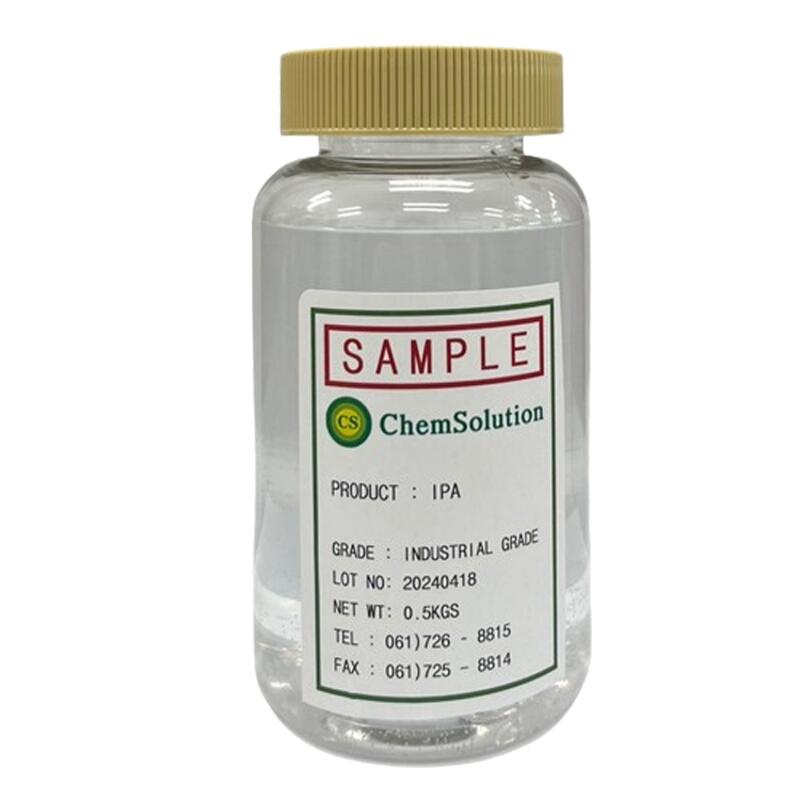
 Solvent for Bulk Buyers") South Korea Origin Supplier Selling Cas No. 67-63-0 Colorless Liquid Isopropyl Alcohol (IPA) Solvent for Bulk Buyers
South Korea Origin Supplier Selling Cas No. 67-63-0 Colorless Liquid Isopropyl Alcohol (IPA) Solvent for Bulk Buyers -
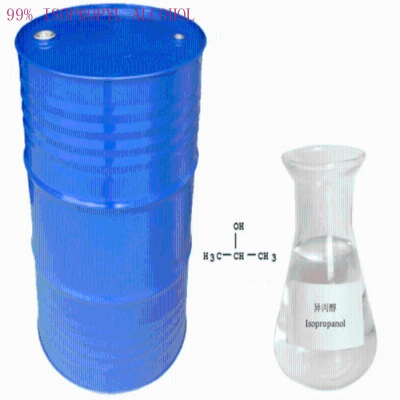
 ISOPROPYL ALCOHOL 99% CAS: 67-63-0 transparent liquid YUSSEN
 -
 Methanol 99.85% colourless liquid
 -
 Maleic Anhydride High quality TOP 1
 -
 High Purity industrial grade Methanol 99.9% / Methyl Alcohol CAS 67-56-1
 -
 67-56-1 Methanol 99.9% Colourless Liquid Batong
 -
 Polyvinyl alcohol-PVA
 -
 Isopropyl alcohol-IPA
 -
") Iso Propanol(IPA)
Iso Propanol(IPA) -
 Chinese high-quality isopropanol supplier 99.9% Isopropyl Alcohol/ipa