






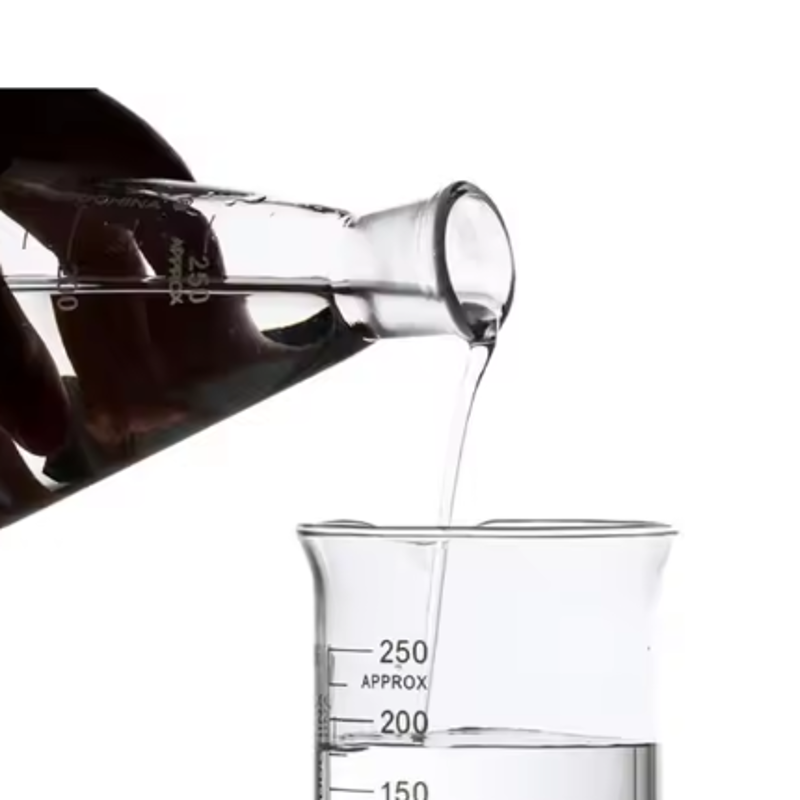


1,2,3-Trimethylbenzene C9H12 Colorless transparent liquid Accept customization Provide technical support
526-73-8
Industrial Grade
99%
Qingdao
Shandong Baiding Chemical
150kg/Iron drum
2026-11-25

Ortho-xylene,1-Butylene,Ammonium hydrogen fluoride,Bitumen
-
Product Description
-
Seller Information
-
DescriptionBasic Info
-
Product Name:
1,2,3-Trimethylbenzene
Other Name:Benzene,1,2,3-trimethyl-;1,2,3-Trimethylbenzene;Hemimellitene;Hemimellitol;NSC 5167;NSC 65599
CAS No.:526-73-8
Molecular Formula:C9H12
InChIKeys:InChIKey=FYGHSUNMUKGBRK-UHFFFAOYSA-N
Molecular Weight:120.195
Exact Mass:120.19
EC Number:247-099-9
UNII:ZK4R7UPH6R
ICSC Number:1362
NSC Number:65599|5167
UN Number:1993
DSSTox ID:DTXSID8047769
Color/Form:Colorless liquid|Clear, colorless liquid
HScode:2902909090
Categories:
Characteristics-
PSA:
0
XLogP3:3.7
Appearance:COLOURLESS LIQUID WITH CHARACTERISTIC ODOUR.
Density:0.89 g/cm3
Melting Point:-25 °C
Boiling Point:176 °C
Flash Point:112-122°F
Refractive Index:1.501
Water Solubility:65.51mg/L(25 ºC)
Storage Conditions:Prior to working with this chemical you should be trained on its proper handling and storage.
Vapor Pressure:Vapour pressure, kPa at 20°C: 0.18
Vapor Density:Relative vapour density (air = 1): 4.1
Flammability characteristics:Flammable Liquid
Explosive limit:vol% in air: 0.8.6
Odor:Distinctive, aromatic odor
OH:3.27e-11 cm3/molecule*sec
Henrys Law Constant:0.00 atm-m3/mole|Henry's Law constant = 4.36X10⁻³ atm-cu m/mol at 25 °C
Experimental Properties:Conversion factors: 1 mg/cu m = 0.20 ppm; 1 ppm = 5.00 mg/cu m|Heat of formation: -58.5 kJ/mol at 298.15 K (liquid); -9.5 kJ/mol at 298.15 K (gas)|Standard molar entropy: 267.9 J/mol K at 298.15 K|Molar heat capacity: 216.4 J/mol K at 298.15 K and constant pressure|Hydroxyl radical reaction rate constant = 3.27X10⁻¹¹ cu cm/molec-sec at 25 °C
Autoignition Temperature:878 °F (470 °C)|470 °C
Ionization Potential:8.48 eV
Flammable Limits:Lower flammable limit: 0.8% by volume; Upper flammable limit: 6.6% by volume|Flammable Liquid
Heat of Vaporization:49.05 kJ/mol at 20 °C
Critical Temperature & Pressure:Critical temperature: 664.5 K; critical pressure: 3.454 MPa
Hazard IdentificationClassification of the substance or mixture
Flammable liquids, Category 3
Skin irritation, Category 2
Eye irritation, Category 2
GHS label elements, including precautionary statements
Pictogram(s) 

Signal word Warning
Hazard statement(s) H226 Flammable liquid and vapour
H315 Causes skin irritation
H319 Causes serious eye irritation
Precautionary statement(s) Prevention P210 Keep away from heat, hot surfaces, sparks, open flames and other ignition sources. No smoking.
P233 Keep container tightly closed.
P240 Ground and bond container and receiving equipment.
P241 Use explosion-proof [electrical/ventilating/lighting/...] equipment.
P242 Use non-sparking tools.
P243 Take action to prevent static discharges.
P280 Wear protective gloves/protective clothing/eye protection/face protection/hearing protection/...
P264 Wash ... thoroughly after handling.
Response P303+P361+P353 IF ON SKIN (or hair): Take off immediately all contaminated clothing. Rinse affected areas with water [or shower].
P370+P378 In case of fire: Use ... to extinguish.
P302+P352 IF ON SKIN: Wash with plenty of water/...
P321 Specific treatment (see ... on this label).
P332+P317 If skin irritation occurs: Get medical help.
P362+P364 Take off contaminated clothing and wash it before reuse.
P305+P351+P338 IF IN EYES: Rinse cautiously with water for several minutes. Remove contact lenses, if present and easy to do. Continue rinsing.
Storage P403+P235 Store in a well-ventilated place. Keep cool.
Disposal P501 Dispose of contents/container to an appropriate treatment and disposal facility in accordance with applicable laws and regulations, and product characteristics at time of disposal.
Other hazards which do not result in classification
no data available
Handling and StoragePrecautions for safe handling
NO open flames, NO sparks and NO smoking. Above 44°C use a closed system, ventilation and explosion-proof electrical equipment. Prevent build-up of electrostatic charges (e.g., by grounding). Handling in a well ventilated place. Wear suitable protective clothing. Avoid contact with skin and eyes. Avoid formation of dust and aerosols. Use non-sparking tools. Prevent fire caused by electrostatic discharge steam.
Conditions for safe storage, including any incompatibilities
Fireproof. Well closed. Separated from oxidants.Prior to working with this chemical you should be trained on its proper handling and storage. Before entering a confined space where this chemical may be present, check to make sure that an explosive concentration does not exist. Trimethylbenzene must be stored to avoid contact with oxidizers (such as perchlorates, peroxides, permanganates, chlorates, and nitrates), and strong oxidizers (such as chlorine, bromine, and fluorine) since violent reactions occur. Store in tightly closed containers in a cool, well-ventilated area away from heat. Sources of ignition such as smoking and open flames are prohibited where this chemical is used, handled, or stored in a manner that could create a potential fire or explosion hazard. Metal containers involving the transfer of 5 gallons or more of this chemical should be grounded and bonded. Drums must be equipped with self-closing valves, pressure vacuum bungs, and flame arresters. Use only nonsparking tools and equipment, especially when opening and closing containers of this chemical. Trimethyl benzenes
-
-
Seller Information
-
Business Type:
Trader
-
Main Products:
Ortho-xylene,1-Butylene,Ammonium hydrogen fluoride,Bitumen
-
Location:
Shinan District, Qingdao City, Shandong Province
-
Payment Terms:
TT against copy of documents,TT against B/L draft before shipment,100% TT in advance
-
Average lead Time:
15
-
Total Annual Revenue:
$1 million-$2.5 million
-
Total Employees:
5-10
-
Year of Establishment:
2024
-
Certifications:
Hazardous chemicals trading license
-
-
Country Product Purchase Quantity Date Posted Post an enquiry for this product


