Product
Supplier
Encyclopedia
Inquiry
Home > Surfactant > Non-ionic Surfactants > Alcohols, C16-18, ethoxylated for Sale > High Carbon Fatty Alcohol Polyoxyethylene Ether &CETEARETH
High Carbon Fatty Alcohol Polyoxyethylene Ether &CETEARETH buy - large image1
High Carbon Fatty Alcohol Polyoxyethylene Ether &CETEARETH buy - image1

High Carbon Fatty Alcohol Polyoxyethylene Ether &CETEARETH

18 Inquiries

Unit Price: Get Latest Price
CAS No.:

68439-49-6

Grade:

Industrial Grade

Content:

99.5%

Port:

Dalian, Qingdao,Lianyungang

Brand:

-

Packaging:

200kg/drum&25kg/kraft bag or acc. to customers' requirement

Price valid (until):

2025-05-23

Company Type:
Trader
Location:
China
Qualification:
Main Products:

Polyoxyethylene Octylphenol Ether,Random Polyether,Allyl Alcohol Polyether,Alkynol Polyether,Special Polyether,Building Admixture

  • Product Description

  • Seller Information

  • Inquiry History

  • Description

    1.  PRODUCT AND COMPANY IDENTIFICATION


    PRODUCT NAME/TRADE NAME:   MOA-25

    CHEMICAL NAME : o-25;C16-C18 fatty alcohol Polyoxyethylene(25) ether; ceteareth -25

    ENGLISH NAME:  Peragal O-25;levelling agent O-25

    CODE OF TECHNICAL INSTRUCTION : 2039

    2. COMPOSITION / INFORMATION ON INGREDIENTS

    Hazardous Substance Composition

    Concentration

    CAS No.

    ceteareth-25

    Purest quality

    68439-49-6


    3.  HAZARDS INDENTIFICATION

    HAZARDS IDENTIFICATION:

    This substance is nonflammable

    ROUTE OF INFECTION:

    Inhalation, ingestion, skin and eye contact

    HEALTH   HAZARDS :

    Single acute overexposure:

    Inhalation: Irritate respiratory system.

    Eye contact:Eye contact irritation, causing corneal inflammation.

    Skin contact: Long time and repeated contact can cause mild skin irritation and dermatitis.

    Ingestion:Irritate stomach and intestine, causing nausea,diarrhea.

    There is a small quantity of residue fatty alcohol, maybe smelt under normal condition, irritating eyes, noses and throats.

    ENVIRONMENTAL HAZARDS :

    Low toxicity to water environment.

    DANGER OF EXPLOSION:

    Exposure to open flame or high temperature can cause combustion or produce toxic high temperature vapor.


    4.  FIRST-AID MEASURES


    INHALATION:

    The product is not volatile. Under special circumstances, such as fire, smoke or aerosols are inhaled and quickly leave the site to fresh air to keep the respiratory tract unobstructed. If breathing is difficult, give oxygen: if breathing stops, give artificial respiration immediately. When respiration and heartbeat stop, perform artificial respiration and cardiac compression immediately and seek medical advice.

    IF SWALLOWED:

    Do not let the unconscious person take anything orally and do not induce vomiting. Rinse your mouth and get medical attention immediately.

    SKIN CONTACT:

    Take off contaminated clothes immediately, wash with plenty of flowing water for at least 15 minutes, and seek medical advice

    EYE CONTACT:

    Lift the eyelids immediately and wash them thoroughly with a large amount of flowing water or normal saline for at least 15 minutes; Get medical attention.


    5.  FIRE FIGHTING MEASURES

    DANGEROUS CHARACTERISTICS:

    This substance is nonflammable.

    HAZARDOUS COMBUSTION

    PRODUCTS

    It will form toxic vapor or smoke in case of open fire or high temperature.

    FIRE EXTINGUISHING METHOD:

    Fire fighters must wear full body fire retardant clothing, wear positive pressure self-contained breathing apparatus, and fight fire upwind.

    If possible, move the container away from the fire and into the open. Spray water to keep the fire container cool until the end of the fire. If the container in the fire is discolored or generates sound from the safety relief device, it must be removed immediately.

    Extinguishing agent: soluble foam, carbon dioxide, dry powder, water mist.


    Shop High Carbon Fatty Alcohol Polyoxyethylene Ether &CETEARETH-Detailed Image 1 6. ACCIDENTAL RELEASE MEASURES


    contacting or crossing the leakage. Prevent leakage from entering water bodies, sewers, drainage ditches, etc. A small amount of leakage: absorb the leakage with inert materials such as sand, silica gel, acid adhesive, universal adhesive, sawdust, and then transfer the material to waste collection containers. Large amount of leakage: it shall be collected by embankment or digging pit, transferred to special collector by pump, and recycled or discarded. Wash the contaminated area with a large amount of clean water for residues. If bubbles are generated in large quantities, silicon oil defoamer can be used for defoaming. The cleaning water should be discharged into the sewage treatment system.

    7. HANDLING AND STORAGE

    HANDLING:

    Strengthen ventilation. Operators must be specially trained. Smoking is prohibited in the workplace. Avoid static electricity during operation. Avoid contact with eyes and skin, and wash thoroughly after operation. Handle with care to prevent damage to packaging and containers. Appropriate leakage emergency treatment equipment and appropriate materials shall be provided.

    STORAGE:

    Keep the container closed and store it in a cool and ventilated warehouse. The handling temperature is 10-38 . The storage area shall be equipped with leakage emergency treatment equipment and appropriate materials. When the materials are stored in liquid state, the storage tank shall be sealed with inert gas (such as nitrogen) to prevent oxygen or air from entering. Long term exposure of materials to air or oxygen will lead to oxidative decomposition of materials. The stability of material color can be maintained by sealing with inert gas.


    8. EXPOSURE CONTROLS/PERSONAL PROTECTION

    ENGINEERING MEASURES:

    Provide adequate ventilation, safety shower and eyewash equipment.

    PERSONAL PROTECTIVE EQUIPMENT:

    Respiratory:  Wear an air respirator when possible contact with steam and fog.

    Eye :  Chemical safety glassed.

    Clothing:  Wear appropriate protective clothing and boots.

    Hand:  Wear acid-resistant rubber gloves.

    O THER PROTECTIVE  MEASURES:

    No smoking at working site. Working is finished before washing and dressing. Pay attention to personal sanitation and hygiene.


    9.PHYSICAL/CHEMICAL PROPERTIES

    Appearance:

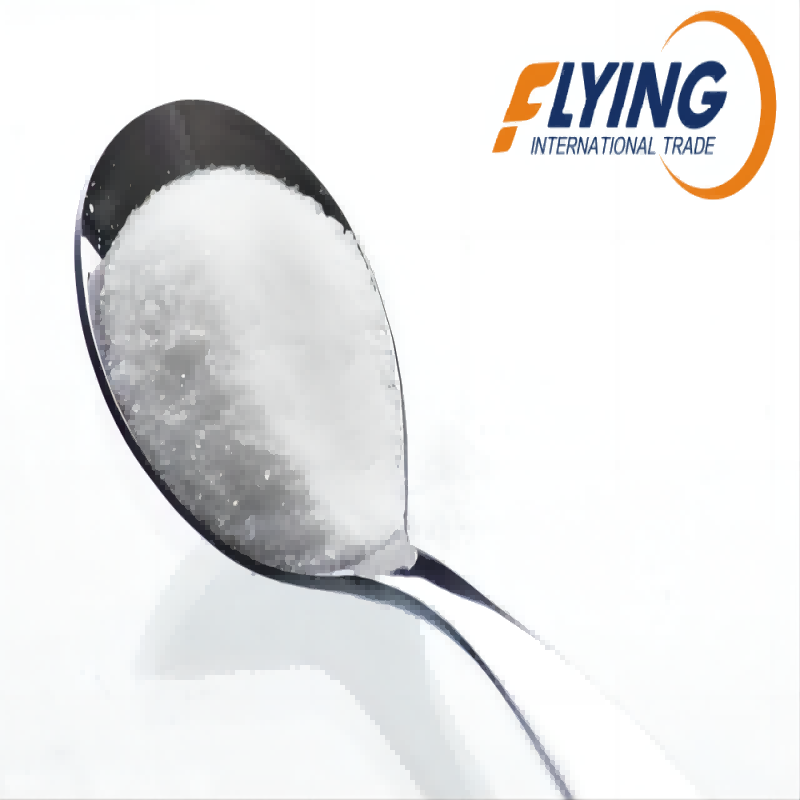
    Milky white to light yellow solid


    Melting point(


    Relative density(water=1)


    Molecular formula:

    C 66 - 68 H 134 - 138 O 26 .(CH 2 CH 2 O) 25 H

    Relative Steam Density(air=1)


    Major components :

    Purest quality, mixture

    Molecular weight

    1250-1600


    Saturated steam pressure

    No materials

    Heat of Combustion(kJ/mol)

    No materials


    Critical temperature( ℃)

    No materials

    Critical pressure(Mpa)

    No materials


    Absolute value partition coefficient  of Octanol  /water

    No materials

    Flashing point ( ℃)

    Insignificance


    Explosion upper limit%(V/V)

    I nsignificance

    Ignition temperature

    No materials


    Explosion lower limit%(V/V)

    I nsignificance

    p H Value:

    5.5-7.0


    Main application

    1. Widely used in printing and dyeing industry, also used as direct dyeing materials, reduced dyes, acidity dyes, dyes of dispersibility, levelling agents of positive ions, meanwhile diffusants, stripping agents with normal amount of 0.2~1g/L of high performance, increasing the dyeing firmness, developing bright and mean. It can also remove the impurities dispersedly collected on the fabric, improving the detergency of synthetic detergents of ABS-Na, lessening the static effects of fabric.
    2. During the metal processing period, used as detergent washing agents, extremely easy to remove the suface oil dirts, in favor of the processing of the next step. Also it can be used as solubilizer(brightener).
    3. In the glass fire industry, working as emulgators, it can make delicate and mean lubricants emulsion, decreasing the breakage rate, stopping fluffing.
    4. In general industry, used as o/w emulgators, favorable emulsifying property to animal, plant, mineral oil. The emulsion made in the step is very stable. For example, components of oil agents of synthetic fiber springing of dacron; emulgators in emulsion industry and petroleum drilling fluid; the product has a unique emulsifying performance towards stearic acid,paraffin, mineral oil and etc..It is also the emulgator of polymerization of macromolecule emulsion.
    5. In agriculture, used as penetrating agents of soaking seeds, increasing the penetrating performance of the far chemicals and germination rate of seeds.


    Other Physical and Chemical Properties

    Water content 0.5%, Clouding 92-96


    10.  STABILITY AND REACTIVITY

    STABILITY:

    Stable under normal temperature and pressure

    MATERIALS TO AVOID:

    Strong oxidant, acid, base

    HAZARDOUS POLYMERIZATION:

    Will not occur

    CONDITIONS TO AVOID CONTACT

    Electrostatic discharge, heat, moisture, etc

    DECOMPOSITION PRODUCT

    No materials


    11. TOXICOLOGICAL INFORMATION

    TOXICITY DATA:

    LD50;

    LC50

    IRRITATION DATA:

    No data available.


    12.ECOLOGICAL INFORMATION

    No data available

    13.DISPOSAL CONSIDERATIONS

    WASTE PROPERTY :

    Hazardous waste, industrial solid waste

    WASTE DISPOSAL METHOD:

    Product: First consider recycling, if not recycling, can use incineration method.

    Unclean packaging: Return the container to the manufacturer or dispose of it in accordance with national and local regulations. Empty containers containing residual products (liquid or vapor) are hazardous. Do not pressurize, cut, weld, drill or grind the container. Do not expose the container to high temperature, fire, static electricity or other ignition sources. Otherwise, the container may explode and cause injury or death. Empty drums should be completely emptied, rinsed three times, sealed and put into recycling or disposal.

    WASTES NEEDING TO PAY ATTENTION TO

    Consult national and local relevant regulations before disposing, can be incinerated.


    14.  TRANSPORT INFORMATION

    CODE OF HAZARDOUS PRODUCTS

    No data

    UN CODE

    No data

    PACKAGE MARK

    Transport according to normal products.

    CATEGORY OF PACKAGE :           


    PACKAGING METHOD

    25kg kraft bags or woven bags


    15. REGULATORY INFORMATION


    16. OTHER INFORMATION


        The information herein is given in good faith but no warranty is expressed nor implied.

    END OF MATERIAL SAFETY DATA SHEET

    Basic Info
    Product Name:

    Alcohols, C16-18, ethoxylated

    Other Name:

    Alcohols,C16-18,ethoxylated;Cetomacrogol 1000;Ethoxylated C16-18 alcohols;Ethoxylated cetostearyl alcohols;Oxanol TsS 21;Eumulgin B 2;Plurafac A 39;Cetomacrogol;Teric 16A;Ceteareth;Sinnowax AO;Siponic E 15;Siponic E 7;Cetostearyl alcohol ethoxylated;Ethoxylated cetostearyl alcohol;Neonol P 1618-10;Neonol P 1618-11;Neonol P 1618-12;Eumulgin B 3;Mergatil CS 33A;Lutensol AT;Syntanol TsS;Lutensol AT 25;Lipal 15CSA;Eumulgin C 700;Eumulgin B 1;Cemulsol DB;Eumulgin C 1000;C16-18 ethoxylated alcs.;Ethoxylated C16-18 alcs.;Lipocol SC 4;Empilan KM 15;Ceteareth 20;C16-18 fatty alcs.,ethoxylated;Fatty alcs.,C16-18,ethoxylated;Empilan KM 20;Empilan KM 11;Volpo CS;Volpo CS 15;Lipocol SC 10;KM 11;KM 20;Procol CS 20;Berol 07;Macol CSA 20;Macol CSA 40;Marlipal 1618/40;Macol CSA 10;Alfonic 1618-80;Plurafac A 38;Siponic E 2;Siponic E 5;Siponic E 20;Siponic E 0;Siponic E 1;Siponic E 3;Siponic E 4;Lutensol AT 50;Lutensol AT 11;Marlipal 1618/10;Marlipal 1618/18;Marlipal 1618/25;Mergital E 1471;Macrogol 260 cetylstearyl ether;Marlowet TA 6;Ethal CSA 10;Ethal CSA 17;Mergital CS 15;Imbentin AG 168S030;Imbentin AG 168/060;Imbentin AG 168/090;Imbentin AG 168S110;Imbentin AG 168/200;Imbentin AG 168S300;Alfonic 1618-46;Alfonic 1618-62;Volpo CS 20;Rokanol OL 1;Ethoxylated alcohols,C16-18;C16-18 alcohols,ethoxylated;Marlipal 1618/11;Eumulgin C 1500;Lutensol AT 80;Rhenosin RC 100;RC 100;Ceteareth 30;8049-57-8;12656-10-9;12772-71-3;12790-63-5;37337-62-5;39384-37-7;39384-38-8;39404-34-7;39404-35-8;51877-40-8;52732-71-5;54578-85-7;54824-28-1;55464-98-7;59494-36-9;60328-40-7;62887-14-3;62887-15-4;62887-16-5;62887-17-6;64060-02-2;64296-31-7;64425-87-2;68188-13-6;85941-45-3;102381-15-7;251474-93-8;306966-46-1;307965-48-6;678155-06-1;917245-08-0;918138-31-5;1009306-51-7;1243361-00-3;1393444-24-0;2249967-57-3

    CAS No.:

    68439-49-6

    Molecular Weight:

    0.00000

    Exact Mass:

    144.089874

    EC Number:

    500-212-8

    Categories:

    Non-ionic Surfactants

    Characteristics
    PSA:

    0.00000

    XLogP3:

    -1.00

    Density:

    1.1±0.1 g/cm3

    Boiling Point:

    223.6±35.0 °C at 760 mmHg

    Flash Point:

    243℃

    Refractive Index:

    1.443

    Water Solubility:

    H2O: 1 g/10 mL, clear, colorless

    Hazard Identification

    Classification of the substance or mixture

    Serious eye damage, Category 1

    GHS label elements, including precautionary statements

    Pictogram(s)

    Signal word

    Danger

    Hazard statement(s)

    H318 Causes serious eye damage

    Precautionary statement(s)
    Prevention

    P280 Wear protective gloves/protective clothing/eye protection/face protection/hearing protection/...

    Response

    P305+P354+P338 IF IN EYES: Immediately rinse with water for several minutes. Remove contact lenses, if present and easy to do. Continue rinsing.

    P317 Get medical help.

    Storage

    none

    Disposal

    none

    Other hazards which do not result in classification

    no data available

    Handling and Storage

    Precautions for safe handling

    Handling in a well ventilated place. Wear suitable protective clothing. Avoid contact with skin and eyes. Avoid formation of dust and aerosols. Use non-sparking tools. Prevent fire caused by electrostatic discharge steam.

    Conditions for safe storage, including any incompatibilities

    Store the container tightly closed in a dry, cool and well-ventilated place. Store apart from foodstuff containers or incompatible materials.

  • Seller Information
    Business Type:

    Trader

    Main Products:

    Polyoxyethylene Octylphenol Ether,Random Polyether,Allyl Alcohol Polyether,Alkynol Polyether,Special Polyether,Building Admixture

    Location:

    Room 603, Building 5, Huafu International Building, Nantong Economic & Technological Development Zone, Nantong City, Jiangsu Province, China

    Payment Terms:

    TT against copy of documents,L/C,TT against B/L draft before shipment,100% TT in advance

    Year of Establishment:

    2024

  • Inquiry History
    18 Inquiries
    Country Product Purchase Quantity Date Posted
    Egypt

    Ceteareth 25

    1 40' Fcl May 18, 2026
    Jordan

    Ethylene Alcohol Polyoxyethylene Ether

    1 20' Fcl Feb 10, 2026
    Singapore

    Ceteareth-7

    4 MT Sep 8, 2025
    Turkey

    ceterath 7

    10 MT Mar 19, 2024
    United States

    ceteareth 25

    5000  Sep 27, 2023
    United States

    Cosmetic cosmetic ingredients Ceteareth, Ceteareth-30, Ceteareth 20 99% Powder Form

    5000 MT Sep 27, 2023
    India

    Ceteareth

    100 KG Apr 23, 2025
    Germany

    Ceteareth-25

    100 KG Apr 13, 2025
    France

    ceteareth 2O

    1000 KG Jan 25, 2024
    Switzerland

    Alcohols C16-18 ethoxylated 99.0%

    20000 MT Sep 1, 2023
    India

    EUMULGIN B 3(CETEARETH-30)

    1.00 KG Jul 28, 2023
    Kenya

    Ceteareth-25

    100 KG Jun 27, 2025
    Russia

    C20-40 Alkyl Stearate

    100 KG Apr 25, 2025
    United Kingdom

    GENAPOL T 250 p - Replacement Product(Genapol T 250 P is an emulsifier / Gelling agent for cleaning)

    14 MT Mar 25, 2024
    United Arab Emirates

    Ceteareth-25

    1 MT Mar 21, 2024
    Russia

    Sodium alkylbenzen sulfonate

    10 MT Sep 3, 2025
    Russia

    Sodium alkylbenzen sulfonate (Sulfonol powder 80%

    3 MT Sep 23, 2025
    Russia

    Sodium alkylbenzen sulfonate (Sulfonol powder 80%)

    10 MT Sep 24, 2025
    Post an enquiry for this product
pic ×

Scan the QR Code to Share

All products displayed on this website are only for non-medical purposes such as industrial applications or scientific research, and cannot be used for clinical diagnosis or treatment of humans or animals. They are not medicinal or edible.

According to relevant laws and regulations and the regulations of this website, units or individuals who purchase hazardous materials should obtain valid qualifications and qualification conditions.

The information shown above is provided by the enterprise itself, and the authenticity, accuracy and legitimacy of the content are the responsibility of the publishing company. ECHEMI does not bear any guarantee responsibility for this. Please be aware that risks in internet transactions objectively exist.

Feedback & Suggestions
Send Message

Thank you for your feedback. If you require further assistance, please contact us by email at info@echemi.com or call us at +86-532-55729510.