Product
Supplier
Encyclopedia
Inquiry
Home > Chemical Reagents > Organic Reagents > L-Lysine monohydrochloride for Sale > Wholesale (MEG) Pure Monoethylene Glycol
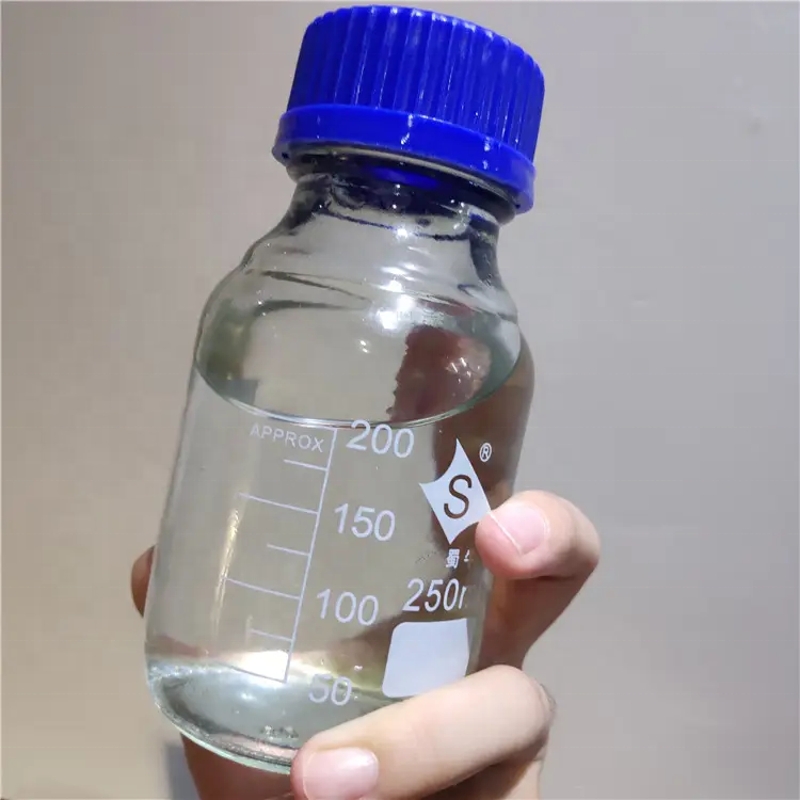
Wholesale (MEG) Pure Monoethylene Glycol buy - large image1
Wholesale (MEG) Pure Monoethylene Glycol buy - image1
Wholesale (MEG) Pure Monoethylene Glycol buy - image2
Wholesale (MEG) Pure Monoethylene Glycol buy - image3
Wholesale (MEG) Pure Monoethylene Glycol buy - image4
Wholesale (MEG) Pure Monoethylene Glycol buy - image5
Wholesale (MEG) Pure Monoethylene Glycol buy - image6

Wholesale (MEG) Pure Monoethylene Glycol

45 Inquiries

Unit Price: Get Latest Price
CAS No.:

657-27-2

Grade:

Industrial Grade

Content:

99.99%

Port:

USA

Brand:

Solutions Healthcare Services LLC

Packaging:

25kg

Price valid (until):

2025-10-15

Company Type:
Distributor
Location:
United States
Qualification:
Main Products:

Agrochemicals

  • Product Description

  • Seller Information

  • Inquiry History

  • Description

    Monoethylene Glycol (MEG) - Complete Product Details

    Monoethylene Glycol (MEG), also known as ethylene glycol or simply EG, is an organic compound with the chemical formula C₂H₆O₂. It is a colorless, odorless, and sweet-tasting viscous liquid commonly used in various industrial applications, primarily as a precursor to polyester fibers, resins, and antifreeze formulations.

    Here is a detailed overview of Monoethylene Glycol, including its properties, uses, production process, and safety considerations.


    Basic Information:

    • Chemical Name: Monoethylene Glycol
    • Synonyms: Ethylene glycol, MEG
    • Chemical Formula: C₂H₆O₂
    • Molecular Weight: 62.07 g/mol
    • CAS Number: 107-21-1
    • IUPAC Name: Ethane-1,2-diol
    • Appearance: Colorless, odorless, syrupy liquid
    • Boiling Point: 197.6 °C (387.7 °F)
    • Melting Point: −12.9 °C (8.8 °F)
    • Density: 1.113 g/cm³ (at 20 °C)
    • Flash Point: 111.8 °C (233.2 °F)
    • Vapor Pressure: 0.06 mm Hg at 20°C
    • Solubility: Completely miscible in water, alcohol, acetone, and chloroform

    Chemical Properties:

    • Hydrophilic Nature: MEG is highly soluble in water, making it an effective solvent in various applications.
    • Viscosity: It has a relatively high viscosity compared to water, which makes it useful in applications requiring thickening agents.
    • Stability: MEG is chemically stable and non-reactive under standard conditions. It can decompose under extreme conditions, such as high temperatures or exposure to acids or strong oxidizing agents.
    • Toxicity: MEG is toxic when ingested, and even small amounts can lead to poisoning in humans and animals. It is also hazardous through skin absorption and inhalation.

    Production Process:

    Monoethylene glycol is primarily produced through the ethylene glycol process, which involves the following steps:

    1. Hydration of Ethylene Oxide:
      Ethylene oxide (EO), a product of the cracking of petroleum-based hydrocarbons, is reacted with water in a high-pressure reactor. This reaction produces ethylene glycol and diethylene glycol (DEG).

      Ethylene Oxide+Water→Monoethylene Glycol (MEG)+Diethylene Glycol (DEG)\text{Ethylene Oxide} + \text{Water} → \text{Monoethylene Glycol (MEG)} + \text{Diethylene Glycol (DEG)}Ethylene Oxide+Water→Monoethylene Glycol (MEG)+Diethylene Glycol (DEG)
    2. Purification:
      The crude mixture of MEG and DEG is separated through distillation. The higher boiling point of DEG allows it to be separated from MEG by fractional distillation.

    3. Byproducts:
      The byproduct, diethylene glycol, can be further purified or used in applications like plasticizers, solvent formulations, or as a humectant in cosmetics.


    Applications of Monoethylene Glycol:

    1. Antifreeze and Coolants:
      One of the most well-known uses of MEG is as a key component in automotive antifreeze and coolants. It lowers the freezing point and raises the boiling point of the coolant, making it suitable for high-temperature and low-temperature environments. MEG is used in about 60-70% of automotive antifreeze formulations.

    2. Polyester Production:
      MEG is an essential raw material for the production of polyester fibers and films. It is used in the polymerization of terephthalic acid to form polyethylene terephthalate (PET), which is a widely used polymer in textiles and packaging (e.g., plastic bottles, films).

    3. Hydraulic Fluids:
      MEG is used as a component in hydraulic fluids, especially in fire-resistant hydraulic systems, due to its high water solubility and stability.

    4. Production of Resins:
      MEG is used in the production of unsaturated polyester resins, which are then used in applications like fiberglass-reinforced plastics, adhesives, and coatings.

    5. Solvent:
      It serves as a solvent in paints, coatings, and varnishes due to its ability to dissolve both polar and nonpolar substances.

    6. Humectants and De-icing Fluids:
      MEG is used as a humectant in cosmetics, pharmaceuticals, and food products (e.g., as a moisture-preserving agent in food). It is also used in de-icing solutions for runways, vehicles, and equipment in cold climates.

    7. Surfactants and Detergents:
      It is used in the production of surfactants for detergents, emulsifiers, and cleaning agents.

    8. Pharmaceuticals:
      MEG is used as an excipient in liquid formulations and oral medications, acting as a solvent or viscosity agent.


    Health and Safety Considerations:

    • Toxicity:
      MEG is toxic if ingested, and even small amounts can be fatal due to kidney damage and metabolic acidosisEthylene glycol poisoning is a medical emergency and requires prompt treatment with antidotes (such as fomepizole or ethanol) to prevent severe health consequences.

    • Acute Symptoms of Poisoning:

      • Nausea, vomiting, headache
      • Central nervous system depression (drowsiness, confusion)
      • Seizures
      • Renal failure (acute kidney injury)
    • Skin and Eye Irritation:
      It can cause skin irritation and eye irritation upon direct contact. Protective gloves and goggles should be worn when handling MEG.

    • Environmental Impact:
      Ethylene glycol is biodegradable but can be harmful to aquatic life if spilled in large amounts. In case of spills, containment and proper disposal are necessary to avoid environmental damage.


    Storage and Handling:

    • Storage Conditions:
      MEG should be stored in well-ventilatedcool, and dry areas, away from direct sunlight and sources of heat or flame. It should be kept in tightly sealed containers to prevent moisture absorption.

    • Handling Precautions:
      Use protective clothinggloves, and goggles to avoid skin and eye contact. Respirators may be needed in case of excessive inhalation risk, particularly when working with concentrated vapors.


    FAQ:


    1. who are we?

    We are based in United States, start from 2010,sell to Domestic Market(00.00%). There are total about 5-10 people in our office.

    2. how can we guarantee quality?
    Always a pre-production sample before mass production;
    Always final Inspection before shipment;

    3.what can you buy from us?
    PVC, HDPE, LDPE, Wax, Ethonl

    4. why should you buy from us not from other suppliers?
    Our products are high quality and low price, with more than 20 years of export experience, products are exported to more than 100 countries around the world

    5. what services can we provide?
    Accepted Delivery Terms: FOB,CFR,CIF,EXW,FCA,DDP;
    Accepted Payment Currency:USD,EUR,JPY,CAD,AUD,HKD,GBP,CNY,CHF;
    Accepted Payment Type: T/T,L/C,D/P D/A,MoneyGram,Credit Card,PayPal,Cash,Escrow;
    Language Spoken:English,Chinese

    Basic Info
    Product Name:

    L-Lysine monohydrochloride

    Other Name:

    L-Lysine,hydrochloride (1:1);Lysine,monohydrochloride,L-;L-Lysine,monohydrochloride;Darvyl;Lyamine;Lysine monohydrochloride;Lysine hydrochloride;L-Lysine hydrochloride;L-Gen;Lysion;NSC 9253;L-(+)-Lysine monohydrochloride;Relys;Bovi-Lysine;L-Lysine monohydrochloride;L 5626;(2S)-2,6-Diaminohexanoic acid hydrochloride;(S)-2,6-Diaminohexanoic acid hydrochloride;305-76-0;93394-22-0

    CAS No.:

    657-27-2

    Molecular Formula:

    C6H14N2O2.ClH

    InChIKeys:

    InChIKey=BVHLGVCQOALMSV-JEDNCBNOSA-N

    Molecular Weight:

    182.64800

    Exact Mass:

    182.08200

    EC Number:

    228-160-9

    HScode:

    29224100

    Categories:

    Organic Reagents

    Characteristics
    PSA:

    89.34000

    XLogP3:

    1.72990

    Appearance:

    White crystalline powder

    Density:

    1.28 g/cm3 (20℃)

    Melting Point:

    251-253 °C

    Boiling Point:

    311.5ºC at 760 mmHg

    Flash Point:

    142.2ºC

    Water Solubility:

    H2O: 65 g/100 mL (20 ºC)

    Storage Conditions:

    2-8ºC

    Vapor Pressure:

    <1 Pa (20 °C)

    Hazard Identification

    Classification of the substance or mixture

    Not classified.

    GHS label elements, including precautionary statements

    Pictogram(s) No symbol.
    Signal word

    No signal word

    Hazard statement(s)

    none

    Precautionary statement(s)
    Prevention

    none

    Response

    none

    Storage

    none

    Disposal

    none

    Other hazards which do not result in classification

    no data available

    Handling and Storage

    Precautions for safe handling

    Handling in a well ventilated place. Wear suitable protective clothing. Avoid contact with skin and eyes. Avoid formation of dust and aerosols. Use non-sparking tools. Prevent fire caused by electrostatic discharge steam.

    Conditions for safe storage, including any incompatibilities

    Store the container tightly closed in a dry, cool and well-ventilated place. Store apart from foodstuff containers or incompatible materials.

  • Seller Information
    Business Type:

    Distributor

    Main Products:

    Agrochemicals

    Location:

    116 W UNIVERSITY PKWY 425 BALTIMORE, MD 21210

    Payment Terms:

    TT against copy of documents,D/P,L/C,TT against B/L draft before shipment

    Average lead Time:

    22

    Total Annual Revenue:

    $5 million-$10 million

    Total Employees:

    5-10

    Year of Establishment:

    2022

    Certifications:

    Kosher Certificate 1,Kosher Certificate 2,Kosher Certificate 4,CERTIFICATE OF TRADE CONFORMITY,Kosher Certificate 3,ISO 9001:2015,ASO-Halaal-2025-2026 2,ISO 9001:2015,ASO-Halaal-2025-2026,URALKALI Accredation,ASO-Halaal-2025-2026 3

  • Inquiry History
    45 Inquiries
    Country Product Purchase Quantity Date Posted
    India

    L-Lysine Monohydrochloride 

    500.00 KG Oct 31, 2024
    India

    l-lysine hcl

    20 MT Aug 24, 2023
    India

    L-Lysine mono hydrochloride

    10 KG Mar 11, 2026
    India

    L-Lysine Monohydrochloride

    300.00 MT Dec 15, 2023
    India

    L-Lysine Monohydrochloride

    25.00 MT Mar 6, 2024
    India

    L-Lysine Monohydrochloride

    150.00 MT Sep 10, 2024
    United Kingdom

    L-Lysine MonoHCL

    50.00 KG Jun 12, 2025
    India

    L-Lysine Monohydrochloride

    100.00 KG Dec 18, 2023
    India

    D-Lysine hydrochloride

    400 KG Nov 4, 2025
    India

    L lysine hcl

    50.00 MT Oct 17, 2025
    India

    L  Lysine HCL Novalys 98.5%

    5.00 MT Oct 15, 2025
    India

    L-Lysine HCL

    5.00 MT Jul 18, 2025
    Russia

    L-lysine monohydrochloride

    200 TON Apr 27, 2025
    United Kingdom

    L-Lysine MonoHCL

    1.00 20' Fcl Apr 2, 2025
    Czech

    Lysine Hydrochloride

    458000 KG Dec 16, 2024
    India

    L-Lysine Monohydrochloride

    25.00 KG Sep 6, 2024
    India

    Lysine monohydrochloride IP

    0.05 KG Jun 12, 2024
    India

    L Lysine Monohydrochloride 98.5% Dongxiao

    72 MT May 17, 2024
    India

    L Lysine HCL Feed Grade

    10.00 MT Jan 23, 2024
    Spain

    l-lysine hcl

    5 MT Jan 11, 2024
    Post an enquiry for this product
pic ×

Scan the QR Code to Share

All products displayed on this website are only for non-medical purposes such as industrial applications or scientific research, and cannot be used for clinical diagnosis or treatment of humans or animals. They are not medicinal or edible.

According to relevant laws and regulations and the regulations of this website, units or individuals who purchase hazardous materials should obtain valid qualifications and qualification conditions.

The information shown above is provided by the enterprise itself, and the authenticity, accuracy and legitimacy of the content are the responsibility of the publishing company. ECHEMI does not bear any guarantee responsibility for this. Please be aware that risks in internet transactions objectively exist.

Feedback & Suggestions
Send Message

Thank you for your feedback. If you require further assistance, please contact us by email at info@echemi.com or call us at +86-532-55729510.