Product
Supplier
Encyclopedia
Inquiry
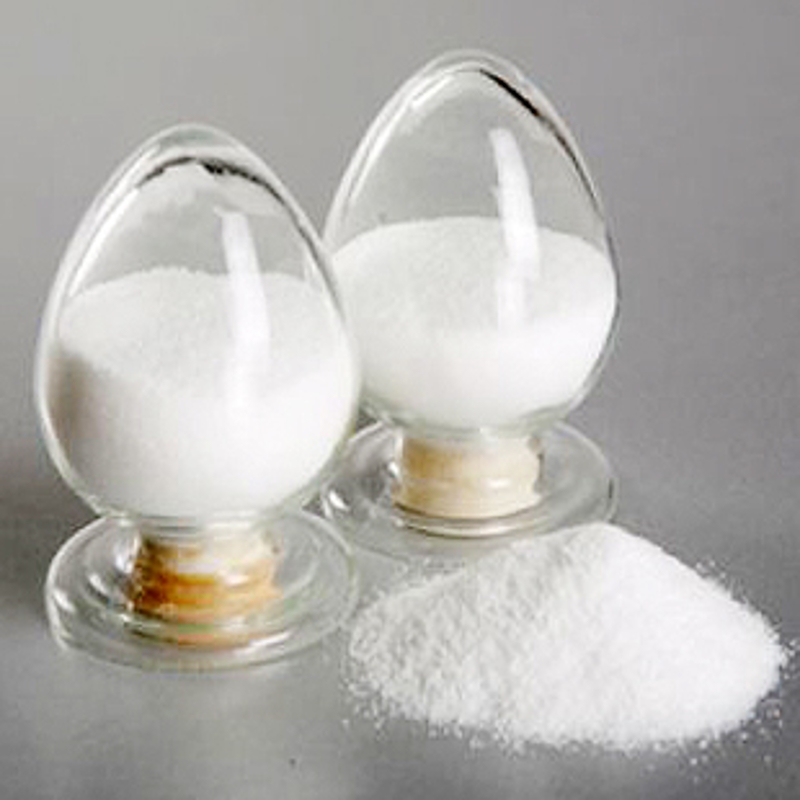
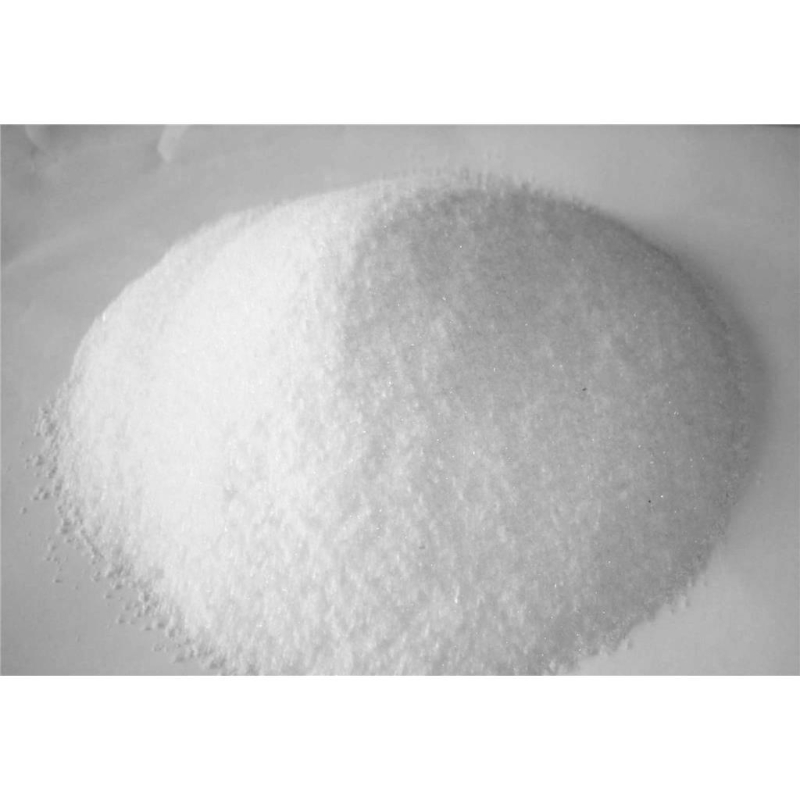
EAST CHEM 2,4,6-Trichlorophenylhydrazine buy - large image1
EAST CHEM 2,4,6-Trichlorophenylhydrazine buy - image1

EAST CHEM 2,4,6-Trichlorophenylhydrazine

4 Inquiries

Unit Price: Get Latest Price
CAS No.:

5329-12-4

Grade:

Industrial Grade

Content:

99%

Port:

Qingdao

Brand:

EAST CHEM

Packaging:

25kg/drum

Price valid (until):

2025-10-30

Company Type:
Trader
Location:
China
Qualification:
Main Products:

Food additives,Pharmaceutical raw materials,Chemicals,Comestic raw materials

  • Product Description

  • Seller Information

  • Inquiry History

  • Description


      Product Detail  


    1. Product Identification

    • Product Name: 2,4,6-Trichlorophenylhydrazine
    • CAS Number: 148-18-5
    • Molecular Formula: C₆H₅Cl₃N₂
    • Molecular Weight: 211.48 g/mol
    • Synonyms: 2,4,6-Trichloroanilinium hydrazide; (2,4,6-Trichlorophenyl)hydrazine

    2. Physical and Chemical Properties

    Property Specification
    Appearance Pale yellow to light brown crystalline powder
    Melting Point 140-144 °C (lit.)
    Boiling Point Decomposes before boiling
    Solubility Slightly soluble in water; soluble in organic solvents 
    Density Not available
    Flash Point Not applicable (combustible solid)
    pH Value Not applicable (solid)

    3. Safety Information

    3.1 Hazard Identification

    • GHS Hazard Statements:
      • H302: Harmful if swallowed
      • H317: May cause an allergic skin reaction
      • H319: Causes serious eye irritation
      • H412: Harmful to aquatic life with long-lasting effects
    • GHS Precautionary Statements:
      • P264: Wash hands thoroughly after handling
      • P270: Do not eat, drink or smoke when using this product
      • P280: Wear protective gloves, eye protection/face protection
      • P301+P312: IF SWALLOWED: Call a POISON CENTER or doctor/physician if you feel unwell
      • P305+P351+P338: IF IN EYES: Rinse cautiously with water for several minutes. Remove contact lenses, if present and easy to do. Continue rinsing
      • P333+P313: If skin irritation or rash occurs: Get medical advice/attention
      • P501: Dispose of contents/container to an approved waste disposal plant

    3.2 First-Aid Measures

    • Inhalation: Move victim to fresh air. If breathing is difficult, give oxygen. Seek medical attention immediately.
    • Skin Contact: Remove contaminated clothing. Rinse skin thoroughly with plenty of water for at least 15 minutes. If irritation persists, seek medical help.
    • Eye Contact: Immediately flush eyes with plenty of water for at least 15 minutes, keeping eyelids open. Remove contact lenses if possible. Seek medical attention promptly.
    • Ingestion: Do not induce vomiting. Give large amounts of water to dilute. Seek medical help immediately and bring this TDS.

    3.3 Fire-Fighting Measures

    • Suitable Extinguishing Media: Dry chemical powder, carbon dioxide (CO₂), foam, water spray.
    • Unsuitable Extinguishing Media: High-pressure water jet (may spread the fire).
    • Hazardous Combustion Products: Toxic gases such as chlorine, nitrogen oxides, and carbon monoxide may be released during combustion.
    • Fire-Fighting Precautions: Firefighters must wear full protective equipment (including self-contained breathing apparatus) to avoid exposure to toxic fumes.

    3.4 Accidental Release Measures

    • Personal Precautions: Wear appropriate protective equipment (gloves, goggles, mask) to avoid direct contact or inhalation.
    • Environmental Precautions: Prevent the spilled material from entering water bodies, sewers, or soil.
    • Clean-Up Methods: Sweep up the spilled powder carefully and place it in a sealed container for proper disposal. Wash the contaminated area with water and detergent, and avoid the washing water entering the environment.

    4. Handling and Storage

    4.1 Handling Precautions

    • Avoid contact with skin, eyes, and mucous membranes.
    • Operate in a well-ventilated area (preferably under a fume hood).
    • Do not generate dust during handling; avoid inhaling dust.
    • Wash hands and face thoroughly after handling the product.

    4.2 Storage Conditions

    • Store in a cool, dry, well-ventilated warehouse away from direct sunlight.
    • Keep the container tightly sealed when not in use to prevent moisture absorption and contamination.
    • Store separately from oxidizing agents, acids, and food-grade materials to avoid chemical reactions or cross-contamination.
    • The storage area should be equipped with appropriate fire-fighting equipment and emergency handling materials.

    5. Exposure Controls/Personal Protection

    • Engineering Controls: Install local exhaust ventilation systems to reduce air-borne dust concentration; ensure good ventilation in the workplace.
    • Personal Protective Equipment (PPE):
      • Respiratory Protection: Wear a dust mask (N95 or higher grade) when dust is generated; use a self-contained breathing apparatus in case of heavy exposure.
      • Eye Protection: Wear chemical safety goggles to prevent eye contact.
      • Skin Protection: Wear nitrile or neoprene gloves; wear a chemical-resistant apron if necessary to avoid skin contact.
      • Clothing: Wear long-sleeved shirts and long pants to cover exposed skin.
    • Hygiene Measures: Do not touch the face, mouth, or eyes with contaminated hands; change contaminated clothing promptly and wash it before reuse.

    6. Stability and Reactivity

    • Stability: Stable under normal temperature and pressure when stored and handled according to requirements.
    • Conditions to Avoid: High temperature, open flame, strong oxidizing agents, and strong acids.
    • Incompatible Substances: Oxidizing agents (such as potassium permanganate, hydrogen peroxide), strong acids (such as sulfuric acid, hydrochloric acid) — may cause violent reactions or decomposition.
    • Hazardous Decomposition Products: Under high temperature or acidic conditions, it may decompose to release toxic gases such as chlorine and aniline derivatives.

    7. Toxicological Information

    • Acute Toxicity:
      • Oral toxicity: Harmful if swallowed (LD₅₀ not fully reported, but similar chlorinated phenylhydrazine compounds have moderate oral toxicity).
      • Dermal toxicity: May cause skin irritation; allergic reactions may occur in sensitive individuals.
      • Eye toxicity: Causes serious eye irritation; may lead to corneal damage if not treated promptly.
    • Chronic Toxicity: Long-term exposure may cause damage to the liver, kidneys, or nervous system (limited data, refer to similar compounds).
    • Sensitization: May cause skin sensitization in some people, leading to allergic dermatitis.

    8. Ecological Information

    • Aquatic Toxicity: Harmful to aquatic organisms (LC₅₀ for fish: <1 mg/L, 96h; EC₅₀ for algae: <1 mg/L, 72h — estimated data).
    • Persistence and Degradability: Persistent in the environment; difficult to biodegrade under natural conditions.
    • Bioaccumulation: May have a certain bioaccumulation effect in aquatic food chains (log Koc estimated to be 3-4, indicating moderate adsorption to soil).
    • Environmental Precautions: Prevent the product from entering water bodies, soil, or atmosphere; avoid environmental pollution.

    9. Disposal Considerations

    • Waste Disposal: Dispose of the product and its containers in accordance with local, state, and national environmental protection regulations. Do not discard it as domestic waste.
    • Contaminated Containers: Rinse the containers thoroughly before disposal; the rinsing water should be treated as hazardous waste. Do not reuse contaminated containers.
    • Disposal Method: Incinerate the waste in a professional hazardous waste incineration plant equipped with exhaust gas treatment facilities to ensure that toxic gases are fully treated.

    10. Transport Information

    • UN Number: UN 2811 (Toxic solids, organic, n.o.s.)
    • Transport Hazard Class: 6.1 (Toxic substances)
    • Packing Group: III
    • Transport Precautions:
      • Use sealed, corrosion-resistant packaging (such as fiber drums lined with plastic bags).
      • Mark the package with hazard signs (toxic substance signs) and transport labels in accordance with regulations.
      • Avoid mixing with food, feed, or consumer goods during transport.
      • Prevent sun exposure, rain, and high temperature during transport; avoid collision and damage to the package.

    11. Regulatory Information

    • Comply with the Registration, Evaluation, Authorization and Restriction of Chemicals (REACH) in the European Union, the Toxic Substances Control Act (TSCA) in the United States, and relevant chemical management regulations in other countries/regions.
    • This product is classified as a hazardous chemical; relevant permits may be required for production, sale, and use (depending on local regulations).

    12. Other Information

    • Revision Date: [Insert Date]
    • Responsible Party: [Insert Company Name, Address, Contact Information]
    • Disclaimer: This TDS provides accurate information based on current knowledge and testing data, but does not assume any liability for damages caused by improper use, storage, or handling. Users must conduct their own risk assessments before using the product and comply with all applicable laws and regulations.


    Basic Info
    Product Name:

    (2,4,6-Trichlorophenyl)hydrazine

    Other Name:

    Hydrazine,(2,4,6-trichlorophenyl)-;(2,4,6-Trichlorophenyl)hydrazine;NSC 1869;N-(2,4,6-Trichlorophenyl)hydrazine

    CAS No.:

    5329-12-4

    Molecular Formula:

    C6H5Cl3N2

    InChIKeys:

    InChIKey=MULHANRBCQBHII-UHFFFAOYSA-N

    Molecular Weight:

    211.48

    Exact Mass:

    211.48

    BRN:

    1841962

    EC Number:

    226-217-2

    NSC Number:

    1869

    DSSTox ID:

    DTXSID5063780

    HScode:

    2928000090

    Characteristics
    PSA:

    38

    XLogP3:

    3.29

    Density:

    1.6±0.1 g/cm3

    Melting Point:

    138 °C

    Boiling Point:

    273.4±40.0 °C at 760 mmHg

    Flash Point:

    119.2±27.3 °C

    Refractive Index:

    1.673

    Water Solubility:

    soluble in acetone. Insoluble in water.benzene: 0.1 g/mL, clear

    Hazard Identification

    Classification of the substance or mixture

    Skin irritation, Category 2

    Eye irritation, Category 2

    Specific target organ toxicity – single exposure, Category 3

    GHS label elements, including precautionary statements

    Pictogram(s)

    Signal word

    Warning

    Hazard statement(s)

    H315 Causes skin irritation

    H319 Causes serious eye irritation

    H335 May cause respiratory irritation

    Precautionary statement(s)
    Prevention

    P264 Wash ... thoroughly after handling.

    P280 Wear protective gloves/protective clothing/eye protection/face protection/hearing protection/...

    P261 Avoid breathing dust/fume/gas/mist/vapours/spray.

    P271 Use only outdoors or in a well-ventilated area.

    Response

    P302+P352 IF ON SKIN: Wash with plenty of water/...

    P321 Specific treatment (see ... on this label).

    P332+P317 If skin irritation occurs: Get medical help.

    P362+P364 Take off contaminated clothing and wash it before reuse.

    P305+P351+P338 IF IN EYES: Rinse cautiously with water for several minutes. Remove contact lenses, if present and easy to do. Continue rinsing.

    P304+P340 IF INHALED: Remove person to fresh air and keep comfortable for breathing.

    P319 Get medical help if you feel unwell.

    Storage

    P403+P233 Store in a well-ventilated place. Keep container tightly closed.

    P405 Store locked up.

    Disposal

    P501 Dispose of contents/container to an appropriate treatment and disposal facility in accordance with applicable laws and regulations, and product characteristics at time of disposal.

    Other hazards which do not result in classification

    no data available

    Handling and Storage

    Precautions for safe handling

    Handling in a well ventilated place. Wear suitable protective clothing. Avoid contact with skin and eyes. Avoid formation of dust and aerosols. Use non-sparking tools. Prevent fire caused by electrostatic discharge steam.

    Conditions for safe storage, including any incompatibilities

    Store the container tightly closed in a dry, cool and well-ventilated place. Store apart from foodstuff containers or incompatible materials.

  • Seller Information
    Business Type:

    Trader

    Main Products:

    Food additives,Pharmaceutical raw materials,Chemicals,Comestic raw materials

    Location:

    Room 501, Unit 6, No. 40, hushan road,Licang,Qingdao

    Payment Terms:

    TT against copy of documents,TT against B/L draft before shipment,100% TT in advance

    Average lead Time:

    10

    Total Annual Revenue:

    $1 million-$2.5 million

    Total Employees:

    11-50

    Year of Establishment:

    2017

    QINGDAO EASTCHEMSORCES TRADE LIMITED is a leading Manufactory supplier of Sorbitol, Citric acid, Sodium hypochlorite based in Qingdao, Shandong, China. With a commitment to quality and customer satisfaction, QINGDAO EASTCHEMSORCES TRADE LIMITED has become a trusted name in the industry. Our product line includes a range of high-quality Sorbitol, Citric acid, Sodium hypochlorite, which are available at competitive prices. QINGDAO EASTCHEMSORCES TRADE LIMITED has established itself as a reliable supplier of chemical products on the echemi.com.

  • Inquiry History
    4 Inquiries
    Country Product Purchase Quantity Date Posted
    India

    2,4,6-Trichlorophenylhydrazine

    1000 KG Jun 17, 2026
    Spain

    CAS -5329-12-4

    1550 KG Sep 29, 2025
    Germany

    2,4,6-Trichlorophenyl) hydrazine

    375 KG Jul 28, 2023
    Germany

    2,4,6-Trichlorophenylhydrazine

    375 KG Jul 22, 2023
    Post an enquiry for this product
pic ×

Scan the QR Code to Share

All products displayed on this website are only for non-medical purposes such as industrial applications or scientific research, and cannot be used for clinical diagnosis or treatment of humans or animals. They are not medicinal or edible.

According to relevant laws and regulations and the regulations of this website, units or individuals who purchase hazardous materials should obtain valid qualifications and qualification conditions.

The information shown above is provided by the enterprise itself, and the authenticity, accuracy and legitimacy of the content are the responsibility of the publishing company. ECHEMI does not bear any guarantee responsibility for this. Please be aware that risks in internet transactions objectively exist.

Feedback & Suggestions
Send Message

Thank you for your feedback. If you require further assistance, please contact us by email at info@echemi.com or call us at +86-532-55729510.