Product
Supplier
Encyclopedia
Inquiry
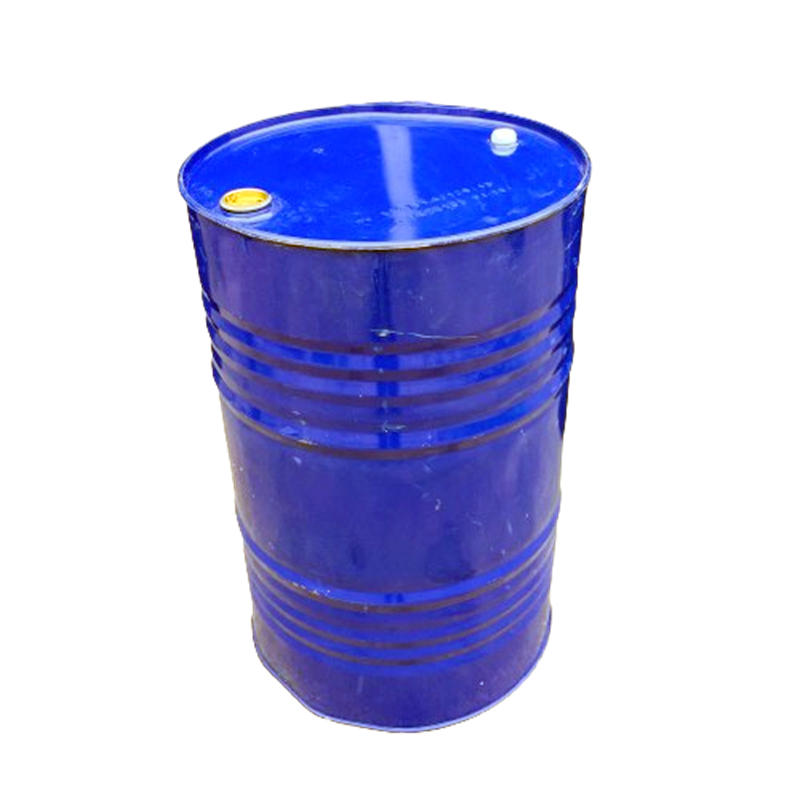
Allyl chloride CAS:107-05-1 buy - large image1
Allyl chloride CAS:107-05-1 buy - image1
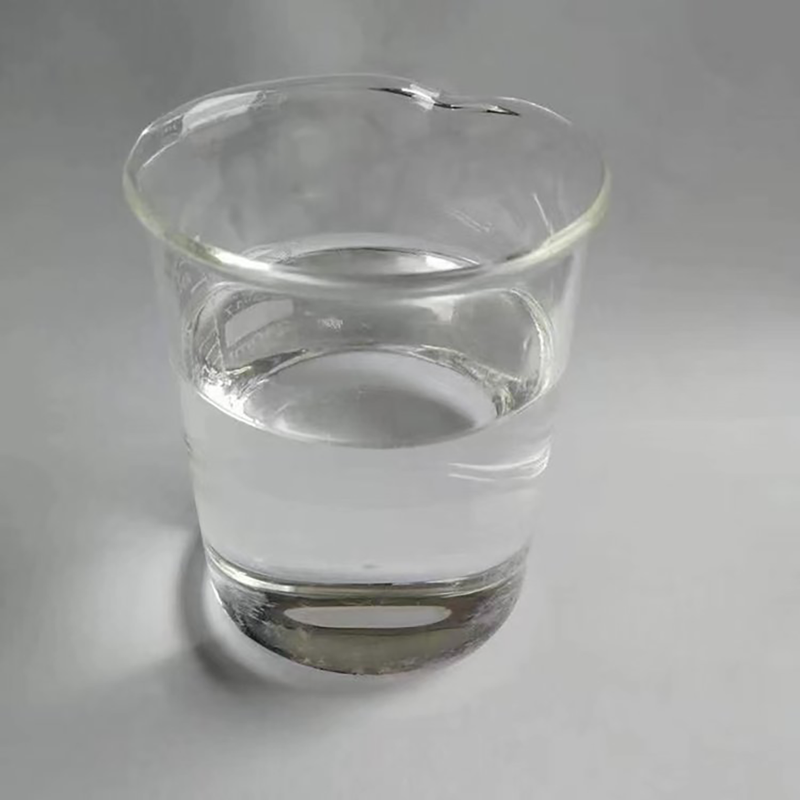
Allyl chloride CAS:107-05-1 buy - image2
Allyl chloride CAS:107-05-1 buy - image3
Allyl chloride CAS:107-05-1 buy - image4
Allyl chloride CAS:107-05-1 buy - image5
Allyl chloride CAS:107-05-1 buy - image6

Allyl chloride CAS:107-05-1

TDS 8 Inquiries

Unit Price: Get Latest Price
CAS No.:

107-05-1

Grade:

Industrail Grade

Content:

99%

Port:

SHANGHAI

Brand:

Orient

Packaging:

25L, 200L, 1000L, customized

Price valid (until):

2025-12-26

Company Type:
Trader
Location:
China
Qualification:
Main Products:

pharmaceutical intermediates,peptides,electronic chemicals

  • Product Description

  • Seller Information

  • Inquiry History

  • Description
    Allyl chloride Basic information
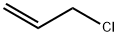
    Product Name: Allyl chloride
    Synonyms: 2-propenylchloride;3-chloro-1-propen;3-Chloro-1-propylene;3-Chloroprene;3-chloro-prop-1-ene;3-chloro-propen;3-chloropropene (allyl chloride);3-chloropropene(allylchloride)
    CAS: 107-05-1
    MF: C3H5Cl
    MW: 76.52
    EINECS: 203-457-6
    Product Categories: API Intermediate;omega-Functional Alkanols, Carboxylic Acids, Amines & Halides;omega-Unsaturated Halides;Benzimidazoles;Pharmaceutical Intermediates
    Mol File: 107-05-1.mol
    Shop Allyl chloride CAS:107-05-1-Detailed Image 1

    Allyl chloride Chemical Properties
    Melting point  -136 °C
    Boiling point  44-46 °C(lit.)
    density  0.939 g/mL at 25 °C(lit.)
    vapor density  2.6 (vs air)
    vapor pressure  20.58 psi ( 55 °C)
    refractive index  n20/D 1.414(lit.)
    Fp  −20 °F
    storage temp.  Store at +2°C to +8°C.
    solubility  alcohol: miscible(lit.)
    form  Powder/Solid
    color  White
    Specific Gravity 0.939
    Odor pungent odor
    explosive limit 3.3-11.2%(V)
    Water Solubility  3.6 G/L (20 ºC)
    FreezingPoint  -134.5℃
    Merck  14,289
    BRN  635704
    Henry's Law Constant 2.69 at 25 °C (static headspace-GC, Welke et al., 1998)
    Dielectric constant 8.2(20℃)
    Exposure limits NIOSH REL: TWA 1 ppm (3 mg/m3), STEL 2 ppm (6 mg/m3), IDLH 250 ppm; OSHA PEL: TWA 1 ppm; ACGIH TLV: STEL 2 ppm.
    Stability: Stable, but reacts vigorously or violently with a wide variety of materials. Highly flammable. Incompatible with strong oxidizing agents, acids, amines, peroxides, chlorides of iron and aluminium, BF3, aromatic hydrocarbons, Lewis acids, metals, caustics, ammonia, ferric chloride, ethylene imine, ethylenediamine. Heat and light sensitive
    LogP 2.1 at 25℃
    CAS DataBase Reference 107-05-1(CAS DataBase Reference)
    NIST Chemistry Reference 1-Propene, 3-chloro-(107-05-1)
    IARC 3 (Vol. 36, Sup 7, 71, 125) In prep.
    EPA Substance Registry System Allyl chloride (107-05-1)

    Safety Information
    Hazard Codes  F,Xn,N,T
    Risk Statements  45-46-11-20/21/22-36/37/38-48/20-50-68-40-39/23/24/25-23/24/25-48/23/24/25
    Safety Statements  53-26-36/37-45-61-46-25-16-7
    RIDADR  UN 1100 3/PG 1
    OEB B
    OEL TWA: 1 ppm (3 mg/m3), STEL: 2 ppm (6 mg/m3)
    WGK Germany  2
    RTECS  UC7350000
    19
    Autoignition Temperature 390 °C
    Hazard Note  Flammable
    TSCA  Yes
    HS Code  2903 29 00
    HazardClass  3
    PackingGroup  I
    Hazardous Substances Data 107-05-1(Hazardous Substances Data)
    Toxicity LD50 orally in rats: 0.7 g/kg (Smyth, Carpenter)
    IDLA 250 ppm


    Allyl chloride Usage And Synthesis
    Chemical Properties colourless, light yellow or amber liquid with an unpleasant smell
    Chemical Properties Allyl chloride is a colorless liquid, insoluble in water but soluble in common organic solvents. Allyl chloride is prepared by the reaction of propylene with chlorine. It is a common alkylating agent relevant to the manufacture of pharmaceuticals and pesticides. It is also a component in some thermo-setting resins. Allyl chloride has been produced commercially since 1945 and is used almost exclusively as a chemical intermediate, principally in the production of epichlorohydrin or as a raw material for epichlorohydrin. It is also used as a chemical intermediate in the preparation of glycerin, glycerol chlorohydrins, glycidyl ethers, allylamines, and allyl ethers of trimethylpropane, sodium allyl sulfonate, a series of allyl amines and quaternary ammonium salts, allyl ethers, and a variety of alcohols, phenols, and polyols. It is also used in pharmaceuticals as a raw material for the production of allyl isothiocyanate (synthetic mustard oil), allyl substituted barbiturates (sedatives), and cyclopropane (anesthetic); in the manufacture of specialty resins for water treatment and to produce babiturate and hypnotic agents such as aprobarbital, butalbital, methohexital sodium, secobarbital, talbutal, and thiamyl sodium.
    Chemical Properties Allyl chloride is a highly reactive and flammable, colorless, brown or purple liquid, with an unpleasant, pungent odor.
    Physical properties Colorless to light brown to reddish-brown liquid with a pungent, unpleasant, garlic-like odor. An experimentally determined odor threshold concentration of 470 ppbv was reported by Leonardos et al. (1969).
    History Allyl chloride, the only chloropropene of industrial importance, was first produced in 1857 by A. CAHOURS and A. W. HOFMANN by reacting phosphorus chloride with allyl alcohol. The name allyl is derived from the latin allium, meaning garlic. Inhalation of even small amounts of allyl chloride produces, after a short time, the characteristic odor of garlic on the breath. At the end of the 1930s, IG Farbenindustrie and the Shell Development Co. developed the high-temperature chlorination of propene, permitting large-scale production of allyl chloride with good yields. A significant part of the development was done by the Shell Chemical Co. when erecting a commercial plant in 1945. Dow, Solvay, and Asahi-Kashima developed their own processes.
    Reactivity Profile 1.Reactions of the Double Bond
    The reaction of allyl chloride with oxygen in the liquid phase at ca. 120 ℃ and in the presence of metal acetates or hydrogen peroxide yields glycerol monochlorohydrin. Halogens add readily to the double bond yielding the corresponding trihalogeno compounds. The reaction with hypochlorous acid, yielding 2,3- and 1,3-glycerol dichlorohydrins (which are then dehydrochlorinated with alkali to give epichlorohydrin), is of great industrial importance. Allyl chloride reacts with hydrogen halides to form 1,2-dihalogeno compounds. In the presence of peroxides, the reaction with hydrobromic acid yields 1-bromo-3chloropropane (Kharasch effect), but in highly concentrated hydrogen peroxide solution, 1,2-dibromo- 3-chloropropane is formed. Addition reactions of silanes, boranes, carboranes, and phosphorus trichloride, as well as cycloadditions of allyl cations with alkenes, are known. Allyl chloride polymerizes with sulfur dioxide to form polysulfones.
    2.Reactions of the Chlorine Atom
    Recently, Allyl alcohol is produced increasingly by the isomerization of propene oxide. The chlorine atom is replaced easily by iodide, cyanide, isothiocyanate, sulfide, polysulfides (giving rubber-like condensation products), and alkyl thiols. The salts of carboxylic acids yield allyl esters (e.g., diallyl phthalate), which are easily polymerized to allyl resins or are copolymerized with other monomers. Sodium allyl sulfonate is obtained on reaction with sodium sulfite. The reaction of allyl chloride with ammonia yields a mixture of mono-, di-, and triallylamines, and the reaction with primary and secondary amines makes the corresponding alkylallylamines. Phase-transfer-catalyzed carbonylation (e.g., with Ni(CO)4 or (Me4N)2 [Ni6(CO)12]) in the presence of sodium hydroxide leads to the sodium salt of vinylacetic acid. In the presence of alkalis, allyl chloride reacts with polyols to form the corresponding allyl ethers.
    Uses Allyl chloride is used in the synthesis of glycerol, allyl alcohol and epichlorohydrin.
    Uses Manufacture of epichlorohydrin, epoxy resin, glycerin pesticides, and sodium allyl sulfonate
    Uses Allyl chloride (3-chloropropene; 1-chloro-2-propene) is a chemical intermediate used in the synthesis of allyl compounds found in varnish, resins, polymers, pesticides, and pharmaceuticals (O’Neil, 2001).
    Production Methods Allyl chloride can be synthesized by reaction of allyl alcohol with HCl or by treatment of allyl formate with HCl in the presence of a catalyst (ZnCl2).
    Definition ChEBI: Allyl chloride is an organochlorine compound.
    General Description A clear colorless liquid with an unpleasant pungent odor. Flash point -20°F. Boiling point 113°F. Less dense than water (7.8 lb / gal) and insoluble in water. Hence floats on water. Vapor irritates skin, eyes and mucous membranes. Vapors are heavier than air. Long exposure to low concentrations or short exposure to high concentrations may have adverse health effects from inhalation or skin absorption.
    Air & Water Reactions Highly flammable. Insoluble in water.

    Shop Orthophosphorus acid 10294-56-1-Detailed Image 1

    Shop Trimellitic Anhydride  C9H4O5 552-30-7-Detailed Image 2

    Shop Trimellitic Anhydride  C9H4O5 552-30-7-Detailed Image 3


    Shop Trimellitic Anhydride  C9H4O5 552-30-7-Detailed Image 4

    Shop Trimellitic Anhydride  C9H4O5 552-30-7-Detailed Image 5

    Shop Trimellitic Anhydride  C9H4O5 552-30-7-Detailed Image 6


    Shop Trimellitic Anhydride  C9H4O5 552-30-7-Detailed Image 7


    Shop Trimellitic Anhydride  C9H4O5 552-30-7-Detailed Image 8

    Shop Trimellitic Anhydride  C9H4O5 552-30-7-Detailed Image 9

    Shop Trimellitic Anhydride  C9H4O5 552-30-7-Detailed Image 10

    Shop Trimellitic Anhydride  C9H4O5 552-30-7-Detailed Image 11

    Shop Trimellitic Anhydride  C9H4O5 552-30-7-Detailed Image 12

    ——  Q&A  ——

    Q1:Do you provide sample?

    A: Yes, we can provide free sample, you only need pay the shipping cost.

    Q2: What is the lead time?

    A: For stock goods, it usually take about 5-7 days by air, 15-30 days by sea,For customized products, the delivery time needs to be confirmed based on the actual situation.

    Q3: How can I buy? What is the payment method?

    A: You can contract us through Email or you can browse our website:orientchem.cc, we have bank transfer, 

    Q4:What if there are quality issues?

    A:We attach great importance to after-sales service of our products. If there are any quality issues, please contact us within 30 days of receiving the goods and we will handle returns and exchanges for you.


    Certificates

    Basic Info
    Product Name:

    Allyl chloride

    Other Name:

    1-Propene,3-chloro-;Propene,3-chloro-;3-Chloro-1-propene;Allyl chloride;1-Chloro-2-propene;3-Chloropropylene;3-Chloropropene;2-Propenyl chloride;NSC 20939;HCO 1260ZF

    CAS No.:

    107-05-1

    Molecular Formula:

    C3H5Cl

    InChIKeys:

    InChIKey=OSDWBNJEKMUWAV-UHFFFAOYSA-N

    Molecular Weight:

    76.523

    Exact Mass:

    76.52

    BRN:

    635704

    EC Number:

    203-457-6

    HScode:

    2903291000

    Characteristics
    PSA:

    0

    XLogP3:

    2.1

    Appearance:

    Allyl chloride appears as a clear colorless liquid with an unpleasant pungent odor. Flash point -20°F. Boiling point 113°F. Less dense than water (7.8 lb / gal) and insoluble in water. Hence floats on water. Vapor irritates skin, eyes and mucous membranes. Vapors are heavier than air. Long exposure to low concentrations or short exposure to high concentrations may have adverse health effects from inhalation or skin absorption.

    Density:

    0.938 g/cm3 @ Temp: 20 °C

    Melting Point:

    -135 °C

    Boiling Point:

    44-45 °C

    Flash Point:

    -25°F

    Refractive Index:

    1.401

    Water Solubility:

    H2O: 3.6 G/L (20 ºC)

    Storage Conditions:

    Keep containers sealed. Remove any sources of ignition.

    Vapor Pressure:

    Vapour pressure, kPa at 20°C: 39.3

    Vapor Density:

    2.64

    Toxicity:

    Oral-Rat LD50:  1100 mg/kg; Oral-Mouse LD50: 425 mg/kg

    Flammability characteristics:

    Class IB Flammable Liquid: Fl.P. below 73°F and BP at or above 100°F.

    Explosive limit:

    vol% in air: 2.91.2

    Odor:

    Pungent, unpleasant odor.

    Hazard Identification

    Classification of the substance or mixture

    Flammable liquids, Category 2

    Acute toxicity - Category 4, Oral

    Acute toxicity - Category 4, Dermal

    Skin irritation, Category 2

    Eye irritation, Category 2

    Acute toxicity - Category 4, Inhalation

    Specific target organ toxicity – single exposure, Category 3

    Germ cell mutagenicity, Category 2

    Carcinogenicity, Category 2

    Specific target organ toxicity – repeated exposure, Category 2

    Hazardous to the aquatic environment, short-term (Acute) - Category Acute 1

    GHS label elements, including precautionary statements

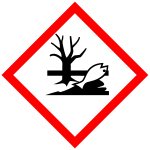
    Pictogram(s)
    Signal word

    Danger

    Hazard statement(s)

    H225 Highly flammable liquid and vapour

    H302 Harmful if swallowed

    H312 Harmful in contact with skin

    H315 Causes skin irritation

    H319 Causes serious eye irritation

    H332 Harmful if inhaled

    H335 May cause respiratory irritation

    H341 Suspected of causing genetic defects

    H351 Suspected of causing cancer

    H373 May cause damage to organs through prolonged or repeated exposure

    H400 Very toxic to aquatic life

    Precautionary statement(s)
    Prevention

    P210 Keep away from heat, hot surfaces, sparks, open flames and other ignition sources. No smoking.

    P233 Keep container tightly closed.

    P240 Ground and bond container and receiving equipment.

    P241 Use explosion-proof [electrical/ventilating/lighting/...] equipment.

    P242 Use non-sparking tools.

    P243 Take action to prevent static discharges.

    P280 Wear protective gloves/protective clothing/eye protection/face protection/hearing protection/...

    P264 Wash ... thoroughly after handling.

    P270 Do not eat, drink or smoke when using this product.

    P261 Avoid breathing dust/fume/gas/mist/vapours/spray.

    P271 Use only outdoors or in a well-ventilated area.

    P203 Obtain, read and follow all safety instructions before use.

    P260 Do not breathe dust/fume/gas/mist/vapours/spray.

    P273 Avoid release to the environment.

    Response

    P303+P361+P353 IF ON SKIN (or hair): Take off immediately all contaminated clothing. Rinse affected areas with water [or shower].

    P370+P378 In case of fire: Use ... to extinguish.

    P301+P317 IF SWALLOWED: Get medical help.

    P330 Rinse mouth.

    P302+P352 IF ON SKIN: Wash with plenty of water/...

    P317 Get medical help.

    P321 Specific treatment (see ... on this label).

    P362+P364 Take off contaminated clothing and wash it before reuse.

    P332+P317 If skin irritation occurs: Get medical help.

    P305+P351+P338 IF IN EYES: Rinse cautiously with water for several minutes. Remove contact lenses, if present and easy to do. Continue rinsing.

    P304+P340 IF INHALED: Remove person to fresh air and keep comfortable for breathing.

    P319 Get medical help if you feel unwell.

    P318 IF exposed or concerned, get medical advice.

    P391 Collect spillage.

    Storage

    P403+P235 Store in a well-ventilated place. Keep cool.

    P403+P233 Store in a well-ventilated place. Keep container tightly closed.

    P405 Store locked up.

    Disposal

    P501 Dispose of contents/container to an appropriate treatment and disposal facility in accordance with applicable laws and regulations, and product characteristics at time of disposal.

    Other hazards which do not result in classification

    no data available

    Handling and Storage

    Precautions for safe handling

    NO open flames, NO sparks and NO smoking. Closed system, ventilation, explosion-proof electrical equipment and lighting. Do NOT use compressed air for filling, discharging, or handling. Handling in a well ventilated place. Wear suitable protective clothing. Avoid contact with skin and eyes. Avoid formation of dust and aerosols. Use non-sparking tools. Prevent fire caused by electrostatic discharge steam.

    Conditions for safe storage, including any incompatibilities

    Fireproof. Separated from food and feedstuffs and incompatible materials. See Chemical Dangers. Dry.Ambient storage temperature, venting should be pressure-vacuum type.

  • Seller Information
    Business Type:

    Trader

    Main Products:

    pharmaceutical intermediates,peptides,electronic chemicals

    Location:

    Room 102, 1st Floor, East Office Building, No. 45 Pengwan Road, Qianwan Bonded Port Area, Qingdao Zone, China (Shandong) Pilot Free Trade Zone

    Payment Terms:

    100% TT in advance

    Average lead Time:

    10

    Total Annual Revenue:

    $10 million-$25 million

    Total Employees:

    51-100

    Year of Establishment:

    2024

    A reliable supplier is like insurance.

    We are mainly specilized in supply of pharmaceutical intermediates, electronic chemicals,food additives, and other fine chemical products.
    Integrity is the foundation, quality is life. We would like to work together with you to build a greener and brighter future.

    Website: orientchem.cc
    Email: scarlett@orientchem.cc
    WhatsApp: +86 17753254221

  • Inquiry History
    8 Inquiries
    Country Product Purchase Quantity Date Posted
    Russia

    Allyl Chloride

    40 MT Mar 27, 2026
    India

    allyl chloride

    40 MT Jul 13, 2026
    India

    Allyl Chloride

    1 20' Fcl Jun 24, 2026
    Chile

    Allyl chloride

    1 MT Aug 28, 2024
    India

    Allyl Chloride

    115 MT Feb 15, 2024
    India

    ALLYL CHLORIDE

    1 20' Fcl Feb 26, 2026
    India

    ALLYL CHLORIDE COMMERCIAL

    700.00 KG Nov 3, 2025
    Russia

    Allyl chloride

    180 TON Jan 29, 2024
    Post an enquiry for this product
pic ×

Scan the QR Code to Share

All products displayed on this website are only for non-medical purposes such as industrial applications or scientific research, and cannot be used for clinical diagnosis or treatment of humans or animals. They are not medicinal or edible.

According to relevant laws and regulations and the regulations of this website, units or individuals who purchase hazardous materials should obtain valid qualifications and qualification conditions.

The information shown above is provided by the enterprise itself, and the authenticity, accuracy and legitimacy of the content are the responsibility of the publishing company. ECHEMI does not bear any guarantee responsibility for this. Please be aware that risks in internet transactions objectively exist.

Feedback & Suggestions
Send Message

Thank you for your feedback. If you require further assistance, please contact us by email at info@echemi.com or call us at +86-532-55729510.