Product
Supplier
Encyclopedia
Inquiry
Home > Cosmetic Ingredient > Buffering > Acetic acid for Sale > Acetic acid, CAS 64-19-7
Acetic acid, CAS 64-19-7 buy - large image1
Acetic acid, CAS 64-19-7 buy - image1
Acetic acid, CAS 64-19-7 buy - image2

Acetic acid, CAS 64-19-7

402 Inquiries

Unit Price: Get Latest Price
CAS No.:

64-19-7

Port:

Shang hai

Packaging:

200kg/drum

Price valid (until):

2025-12-05

Company Type:
Manufactory
Location:
China
Qualification:
Main Products:

Agrochemicals,Daily Chemicals,Catalysts & Chemical Auxiliary Agents,Extract,Inorganic Chemicals,Organic Intermediate

  • Product Description

  • Seller Information

  • Inquiry History

  • Description


      Product Detail  


    Acetic acid, CH3COOH, is a colorless, volatile liquid at ambient temperatures. The pure compound, glacial acetic acid, owes its name to its ice-like crystalline appearance at 15.6°C. As generally supplied, acetic acid is a 6 N aqueous solution (about 36%) or a 1 N solution (about 6%). These or other dilutions are used in adding appropriate amounts of acetic acid to foods. Acetic acid is the characteristic acid of vinegar, its concentration ranging from 3.5 to 5.6%. Acetic acid and acetates are

    Acetic Acid is a common chemical reagent used in a multitude of organic reactions. It is the primary constituent of vinegar, contributing to its distinct taste and odor. It is used in the synthesis of dye-sensitized solar cells.

    Items Specifications
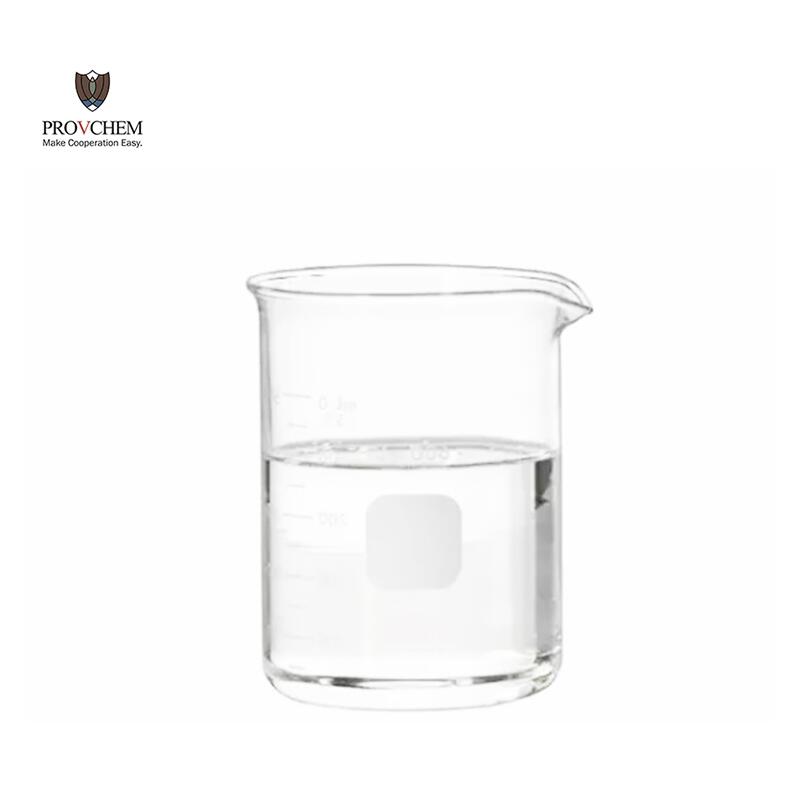
    Appearance Transparent liquid
    Melting Point 16.6℃
    Water Solubility Miscible

    Acetic acid Use and Manufacturing

    Methods of Manufacturing

    1. Acetic acid is widely distributed in nature. For example in fruit or vegetable oils, mainly in the form of esters; in the tissues of animals, excretions and blood are present in the form of free acids. Many microorganisms can convert different organisms into acetic acid by fermentation. In ancient China there is a record on the vinegar, as early as BC, humans have been able to use alcohol by a variety of acetic acid oxidation of fermentation vinegar, the late 19th century, found that wood distillation can get acetic acid. In 1911, in Germany, the world's first set of acetaldehyde oxidation of acetic acid production plant. And soon the development of low carbon hydrocarbon oxidation of acetic acid production methods. In 1960 the former Federal Republic of Germany using methanol at high pressure (20MPa) by carbonylation of acetic acid method. Subsequently, the United States Monsanto rhodium complex catalyst (to iodide as a catalyst), the carbonylation of methanol to acetic acid pressure drop to 0.3-3.0MPa, and in 1970 the production capacity of 135kt acetic acid methanol low-pressure carbonylation industry Device. As the method of advanced technology and economy, from the mid-seventies of the new manufacturers to use more low-pressure methanol carbonylation method. In 1984 the world's annual production capacity of acetic acid has reached 6Mt, of which low-pressure carbonylation of about 40%. 1. Fermentation of starch fermentation using light liquor (containing 3-6% ethanol), the role of vinegar in the mother of bacteria, at about 35 ℃ for fermentation, light wine is air oxidation to vinegar. In addition to vinegar containing 3-6% acetic acid, it still contains other organic acids, esters and proteins. Fermentation is mainly used to make food vinegar. 2. Synthesis method It is the main method of industrial production of acetic acid. (1) oxidation of acetaldehyde. Liquid-phase oxidation was carried out in a bubble column reactor using acetaldehyde as the raw material, using oxygen or air as an oxidant, at 50-80 ° C, 0.6-1.0 MPa and manganese acetate catalyst, in the presence of the catalyst (see Industrial Example). (2) methanol low-pressure carbonylation method. Also known as Monsanto law. Methanol and carbon monoxide in aqueous acetic acid medium at about 175 ℃ and below the conditions of 3.0MPa reaction, the formation of acetic acid, the use of carbonyl compounds of rhodium and iodide catalyst system. As the catalyst activity and selectivity are very high, so little side effects. The reaction product is first treated with a stripping column and a dehydration column. The separated components and aqueous acetic acid can be recycled to the reactor. The gas leaving the reactor is first washed with cold methanol to recover the extracted methyl iodide (intermediate product ), And then sent to the carbon monoxide recovery unit. The crude product is purified by distillation to obtain the finished acetic acid. The methanol yield was & gt; 99%. Methanol low-pressure carbonylation of acetic acid, with low cost of raw materials, operating conditions ease, high yield of acetic acid, product quality and the advantages of simple process, the current technical and economic production of acetic acid the most advanced method. However, the reaction medium is severely corrosive and requires the use of expensive special steels. (3) methanol high-pressure carbonyl synthesis method. Methanol and carbon monoxide in aqueous acetic acid reaction, carbonyl cobalt as catalyst, methyl iodide as co-catalyst, the reaction conditions for 250 ℃ and 70MPa. After the reaction of the product separated by the separation system, you can get the finished product. With methanol, the yield of up to 90%. (4) low-alkane liquid-phase oxidation. N-butane as raw material, acetic acid as solvent, 170-180 ° C, 5.5MPa and cobalt acetate catalyst in the presence of air as oxidant liquid-phase oxidation. You can also use liquefied petroleum gas or light oil as raw material. This side of the use of raw materials cheaper, but the process longer, serious corrosion, and acetic acid yield is not high, it is limited to cheap butane or liquefied petroleum gas supply in the regional use. For example, the United States Celance company with butane oxidation, yield 76%, by-product formic acid 6%. Such as refinery 30-100 ℃ light oil as raw material, oxidation temperature 165-167 ℃, pressure 3.92-4.90MPa, the amount of cobalt naphthenate catalyst is about oil into the 0.1 millionths. The mixed acid obtained by air-liquid phase oxidation was separated into acetic acid through six columns, and the yield was about 40% of the light oil. For every 1t of acetic acid, 0.1t of propionic acid, 0.02t of succinic acid, 0.12t of formic acid and 0.4t of neutral acid are produced, which consume about 2.4t of light oil and 0.2kg of catalyst. Acetaldehyde oxidation of acetic acid to the industrial example: Acetaldehyde and acetic acid from the bottom of the tower to join the oxidation tower, oxygen, the reaction temperature is controlled at 70-75 ℃, the top gas pressure maintained at 9.81 × 10⁴Pa, Appropriate amount of nitrogen to prevent gas phase explosion. Continuous discharge. The solidification point of the crude acetic acid produced by the reaction should be between 8.5 ℃ and 9 ℃, flow into the concentration refining process, the exhaust gas is cooled by the low temperature, the condensate is refluxed to the oxidation tower and the gas is vented. Crude acetic acid into the concentrated tower, the top temperature is controlled at 95-103 ℃, the condenser condensed dilute acetic acid in the recovery of acetic acid in dilute acid recovery tower, can not condense into the low-temperature gas condensed into dilute acetaldehyde recovery. To remove the low boiling point of acetic acid acetic acid evaporation pot, the top temperature maintained at around 120 ℃, acetic acid distillation is finished. The bottom of the high boiling point and catalyst can be burned to remove the organic matter recovery catalyst. Food sour agent with acetic acid by GB1903-80, content ≥ 98.0%, impurity indicators should meet the requirements. Reagent Acetic acid purification method: in industrial grade acetic acid by adding potassium permanganate powder (acetic acid weight of 1-2%), stir to dissolve.Content should be maintained within 1h potassium permanganate does not fade. Finally, the lower part of the insoluble part. The acetic acid was distilled off in a distillation column, and an appropriate amount of powdered chromic anhydride was added to the newly distilled acetic acid. So that the dissolution of the supernatant for sub-distillation. Take the middle distillate is finished. Dehydration method In addition to using acetic anhydride, but also can use ethyl acetate, butyl acetate, benzene, diisopropyl ether and water composition of the azeotropic mixture for azeotropic distillation dehydration. 2. Acetaldehyde oxidation method: Acetaldehyde and acetic acid from the bottom of the tower to join the oxidation tower, oxygen into the sub-paragraph, the reaction temperature controlled at 70 ~ 75 ℃, the top gas pressure maintained at 0.098MPa, the top of the tower through the appropriate amount of nitrogen To prevent gas phase explosion. The solidification point of crude acetic acid should be between 8.5 ℃ and 9.0 ℃, and continuously enter the refining process. The exhaust gas is cooled by the low temperature, the condensate is refluxed to the oxidation tower, and the gas is vented. Crude acetic acid into the concentrated tower, the top temperature is controlled at 95 ~ 103 ℃, the condenser condensed dilute acetic acid in the recovery of acetic acid in dilute acid recovery tower, can not condense into the low-temperature condensed condensate into acetaldehyde recovery. To remove the low boiling point of acetic acid acetic acid evaporation pot, the top temperature maintained at around 120 ℃, distillation of acetic acid is finished. 3. Low-alkane liquid-phase oxidation method: often with butane as raw material, acetic acid as solvent, cobalt acetate as a catalyst to air as oxidant, 170 ~ 180 ℃: and 5.5MPa under the conditions of liquid catalytic oxidation. Can also be 30 ~ 100 ℃ light oil as raw material. The resulting mixed acid was separated by 6 columns of acetic acid. Refining method: acetic acid contains water, acetaldehyde, acetone, formic acid, propionic acid, esters, sulfates, sulfites, chloride, acetate and other impurities. The purification is carried out by adding equimolar anhydride to acetic acid in water, reacting with the water present, adding chromic anhydride (2 g of chromic anhydride per 100 mL of acetic acid), heating at a temperature close to the boiling point for 1 hour, and then fractionating. Can also add 2% to 5% potassium permanganate instead of chromic anhydride, refluxing 2 to 6 hours after fractionation. Further purification can be carried out by fractional crystallization. Absolute acetic acid (glacial acetic acid) easily absorbs water. Dehydration method In addition to acetic anhydride, can also be used desiccant such as magnesium perchlorate, anhydrous copper sulfate, boron triacetate, chromium triacetate. In addition, the azeotropic mixture of water, such as ethyl acetate, butyl acetate, benzene, diisopropyl ether, etc., can be used for dehydration by azeotropic distillation. 4. Industrial production of methanol by carbonylation of acetic acid; and then potassium permanganate oxidation, filtration and distillation of acetic acid can be fine. At a temperature of less than 15 ° C under constant temperature crystallization of acetic acid, and then vacuum filtration or centrifugal separation of the crystallization of its part, that is pure glacial acetic acid products. 5. Acetylene method: the acetylene and water in the presence of the catalyst directly hydrated to acetaldehyde, and then in the acetic acid manganese catalyst acetic acid solution, with the oxidation of acetaldehyde derived. 6. Ethylene: the ethylene and oxygen in the presence of catalyst, one-step direct oxidation of acetaldehyde synthesis, and then oxidation in acetic acid. Light oil liquid phase oxidation: the light oil in the presence of cobalt catalyst, liquid-phase oxidation of acetic acid, formic acid, propionic acid, butyric acid and other mixtures, and then distillation, derived from two distillation. 7. Ethylene oxidation

    Uses

    Acetic acid occurs in vinegar. It is producedin the destructive distillation of wood. Itfinds extensive application in the chemicalindustry. It is used in the manufacture ofcellulose acetate, acetate rayon, and variousacetate and acetyl compounds; as a solventfor gums, oils, and resins; as a food preservative in printing and dyeing; and in organicsynthesis. Glacial Acetic Acid is an acidulant that is a clear, colorless liquid which has an acid taste when diluted with water. It is 99.5% or higher in purity and crystallizes at 17°c. It is used in salad dressings in a diluted form to provide the required acetic acid. It is used as a preservative, acidulant, and flavoring agent. It is also termed acetic acid, glacial. Acetic acid is used as table vinegar, as preservative and as an intermediate in the chemical industry, e.g. acetate fibers, acetates, acetonitrile, pharmaceuticals, fragrances, softening agents, dyes (indigo) etc. Product Data Sheet It is used in aqueous and non-aqueous acid-base titrations. manufacture of various acetates, acetyl compounds, cellulose acetate, acetate rayon, plastics and rubber in tanning; as laundry sour; printing calico and dyeing silk; as acidulant and preservative in foods; solvent for gums, resins, volatile oils and many other substances. Widely used in commercial organic syntheses. Pharmaceutic aid (acidifier). Acetic acid is an important industrial chemical. The reaction of acetic acid with hydroxyl containing compounds, especially alcohols, results in the formation of acetate esters. The largest use of acetic acid is in the production of vinyl acetate . Vinyl acetate can be produced through the reaction of acetylene and acetic acid. It is also produced from ethylene and acetic acid. Vinyl acetate is polymerized into polyvinyl acetate (PVA), which is used in the production of fibers, films, adhesives, and latex paints. Cellulose acetate, which is used in textiles and photographic film, is produced by reacting cellulose with acetic acid and acetic anhydride in the presence of sulfuric acid. Other esters of acetic acid, such as ethyl acetate and propyl acetate, are used in a variety of applications. Acetic acid is used to produce the plastic polyethylene terephthalate (PET) . Acetic acid is used to produce pharmaceuticals.

    Basic Info
    Product Name:

    Acetic acid

    Other Name:

    Acetic acid;Ethanoic acid;Ethylic acid;Glacial acetic acid;Methanecarboxylic acid;Vinegar acid;Ethanoic acid monomer;Aci-Jel;E 260;NSC 111201;NSC 112209;NSC 115870;NSC 127175;NSC 132953;NSC 406306;Munger Horticultural Vinegar Plus;Weed Pharm;Engage Agro;HACP 85;Acetic acids;Cedrosa;Acetic acid HAC;77671-22-8;1053656-97-5;1173022-32-6

    CAS No.:

    64-19-7

    Molecular Formula:

    C2H4O2

    InChIKeys:

    InChIKey=QTBSBXVTEAMEQO-UHFFFAOYSA-N

    Molecular Weight:

    60.05200

    Exact Mass:

    60.05

    EC Number:

    200-580-7

    HScode:

    29152100

    Categories:

    Buffering

    Characteristics
    PSA:

    37.30000

    XLogP3:

    0.0909

    Appearance:

    Transparent liquid

    Density:

    1.0446 g/cm3 @ Temp: 25 °C

    Melting Point:

    16.6 °C

    Boiling Point:

    117.9 °C

    Flash Point:

    104 °F

    Refractive Index:

    n20/D 1.371(lit.)

    Water Solubility:

    Miscible

    Storage Conditions:

    Storage Room low temperature ventilation drying ,Separate storage with H Pore forming agent、 oxidizer、caustic soda

    Vapor Pressure:

    Vapour pressure, kPa at 20°C: 1.5

    Vapor Density:

    2.07 (vs air)

    Toxicity:

    LD50 in rats (g/kg): 3.53 orally (Smyth)

    Flammability characteristics:

    Class II Combustible Liquid: Fl.P. at or above 100°F and below 140°F.

    Explosive limit:

    vol% in air: 6.07

    Odor:

    Pungent

    Taste:

    Burning taste

    PH:

    Aqueous solution 1.0 molar = 2.4; 0.1 molar = 2.9; 0.01 molar = 3.4

    PKA:

    4.76(at 25 °C)

    Hazard Identification

    Classification of the substance or mixture

    Flammable liquids, Category 3

    Skin corrosion, Sub-category 1A

    GHS label elements, including precautionary statements

    Pictogram(s)
    Signal word

    Danger

    Hazard statement(s)

    H226 Flammable liquid and vapour

    H314 Causes severe skin burns and eye damage

    Precautionary statement(s)
    Prevention

    P210 Keep away from heat, hot surfaces, sparks, open flames and other ignition sources. No smoking.

    P233 Keep container tightly closed.

    P240 Ground and bond container and receiving equipment.

    P241 Use explosion-proof [electrical/ventilating/lighting/...] equipment.

    P242 Use non-sparking tools.

    P243 Take action to prevent static discharges.

    P280 Wear protective gloves/protective clothing/eye protection/face protection/hearing protection/...

    P260 Do not breathe dust/fume/gas/mist/vapours/spray.

    P264 Wash ... thoroughly after handling.

    Response

    P303+P361+P353 IF ON SKIN (or hair): Take off immediately all contaminated clothing. Rinse affected areas with water [or shower].

    P370+P378 In case of fire: Use ... to extinguish.

    P301+P330+P331 IF SWALLOWED: Rinse mouth. Do NOT induce vomiting.

    P363 Wash contaminated clothing before reuse.

    P304+P340 IF INHALED: Remove person to fresh air and keep comfortable for breathing.

    P316 Get emergency medical help immediately.

    P321 Specific treatment (see ... on this label).

    P305+P351+P338 IF IN EYES: Rinse cautiously with water for several minutes. Remove contact lenses, if present and easy to do. Continue rinsing.

    Storage

    P403+P235 Store in a well-ventilated place. Keep cool.

    P405 Store locked up.

    Disposal

    P501 Dispose of contents/container to an appropriate treatment and disposal facility in accordance with applicable laws and regulations, and product characteristics at time of disposal.

    Other hazards which do not result in classification

    no data available

    Handling and Storage

    Precautions for safe handling

    NO open flames, NO sparks and NO smoking. Above 39°C use a closed system, ventilation and explosion-proof electrical equipment. Handling in a well ventilated place. Wear suitable protective clothing. Avoid contact with skin and eyes. Avoid formation of dust and aerosols. Use non-sparking tools. Prevent fire caused by electrostatic discharge steam.

    Conditions for safe storage, including any incompatibilities

    Fireproof. Separated from food and feedstuffs, strong oxidants, strong acids and strong bases. Store only in original container. Well closed. Keep in a well-ventilated room. Store in an area without drain or sewer access.Store in a dry, well-ventilated place. Separate from oxidizing materials and alkaline substances.

  • Seller Information
    Business Type:

    Manufactory

    Main Products:

    Agrochemicals,Daily Chemicals,Catalysts & Chemical Auxiliary Agents,Extract,Inorganic Chemicals,Organic Intermediate

    Location:

    9F/TOWER B DANING MUSIC PLAZA NO.777, WANRONG ROAD JINGAN, DISTRICT, SHANGHAI, R.P. CHINA

    Payment Terms:

    TT against copy of documents,D/P,L/C,TT against B/L draft before shipment,100% TT in advance

    Average lead Time:

    14

    Total Annual Revenue:

    $2.5 million-$5 million

    Total Employees:

    5-10

    Year of Establishment:

    2022

  • Inquiry History
    402 Inquiries
    Country Product Purchase Quantity Date Posted
    India

    CH3COOH Glacial Acetic Acid Food Grade 99.8% CAS 64-19-7 with Low Price

    1 20' Fcl Sep 27, 2023
    India

    Acetic acid/GAA

    1.00 MT Nov 12, 2024
    Oman

    Acetic acid/GAA

    1.00 MT Sep 3, 2024
    Malaysia

    Acetic acid/GAA

    1.00 MT Sep 9, 2024
    Malaysia

    Acetic acid/GAA

    100.00 KG Jun 12, 2025
    South Korea

    Acetic Acid

    1 20' Fcl Feb 28, 2026
    Oman

    Acetic acid/GAA

    1.00 MT Sep 4, 2024
    India

    Acetic acid/GAA

    15.00 MT Feb 29, 2024
    India

    Acetic acid/GAA

    1.00 MT Jun 25, 2024
    India

    Acetic acid/GAA

    1.00 20' Fcl Feb 21, 2024
    Pakistan

    Acetic acid/GAA

    1.00 MT Aug 22, 2024
    India

    acetic acid

    10 TON Jan 26, 2025
    India

    Acetic acid/GAA

    10.00 MT Feb 21, 2024
    Pakistan

    Acetic acid/GAA

    1.00 MT Jul 30, 2024
    United States

    Acetic Acid

    500 MT Jun 13, 2024
    India

    Acetic acid/GAA

    50.00 MT Feb 7, 2024
    Singapore

    Acetic acid/GAA

    1.00 MT Sep 14, 2024
    India

    Acetic acid/GAA

    1.00 20' Fcl Feb 8, 2024
    India

    Acetic acid/GAA

    20.00 MT Dec 29, 2023
    India

    Acetic acid/GAA

    20.00 MT Dec 22, 2023
    Post an enquiry for this product
pic ×

Scan the QR Code to Share

All products displayed on this website are only for non-medical purposes such as industrial applications or scientific research, and cannot be used for clinical diagnosis or treatment of humans or animals. They are not medicinal or edible.

According to relevant laws and regulations and the regulations of this website, units or individuals who purchase hazardous materials should obtain valid qualifications and qualification conditions.

The information shown above is provided by the enterprise itself, and the authenticity, accuracy and legitimacy of the content are the responsibility of the publishing company. ECHEMI does not bear any guarantee responsibility for this. Please be aware that risks in internet transactions objectively exist.

Feedback & Suggestions
Send Message

Thank you for your feedback. If you require further assistance, please contact us by email at info@echemi.com or call us at +86-532-55729510.