Sales manager:Emily
whatsapp:+852 9720 1305
Email:emily@xtmingheng.com
sincerely look forward to your inquiries about our products.
| Items | Specifications |
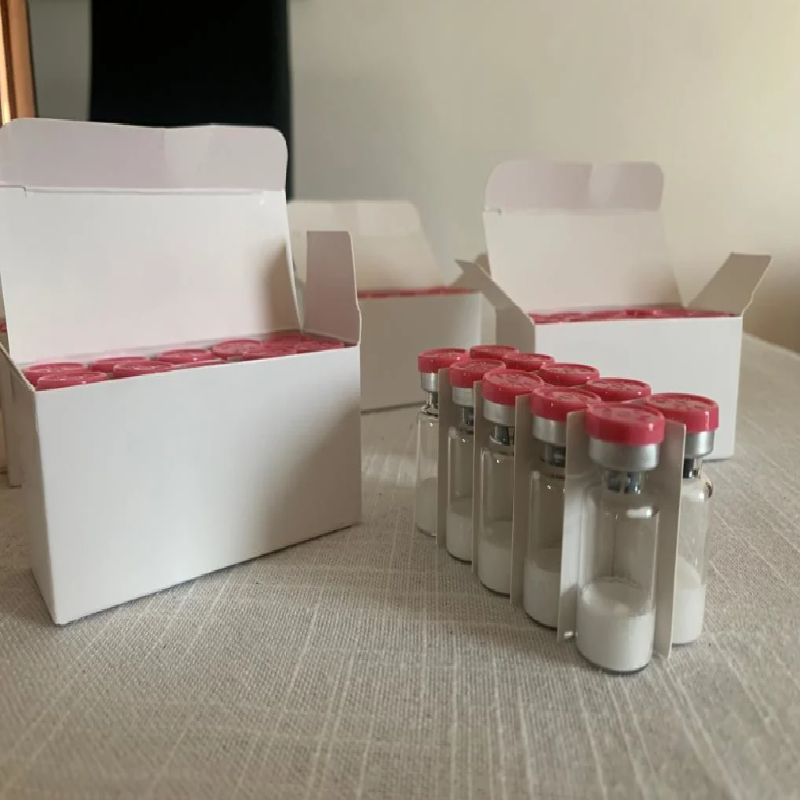
Product Name | LL-37 |
CAS | 154947-66-7 |
| Molecular Formula | C205H340N60O53 |
| color | White |
| Form | Solid freeze-dried powder |
| Storage condition | -20°C |
| Purity | 99% |
| Packaging | Bottle, Can, Drum, Plastic Container, Vacuum Packet (According to customers' requirements) |
| Trademark | Customzied accepted |
LL-37, fully named human antimicrobial peptide LL-37, is an innate "intelligent defense master" within our body. It serves not only as a core warrior in the innate immune system but also plays multiple roles as an alarm signal, conductor, and repair engineer. As the only antimicrobial peptide derived from the cathelicidin family in humans, it is rapidly produced by epithelial and immune cells in response to infection or injury. With its unique cationic amphipathic α-helical structure, it acts like a "molecular key" that accurately recognizes and physically disrupts the cell membranes of negatively charged microbes (including bacteria, fungi, and enveloped viruses), leading to rapid pathogen destruction. Since its mechanism relies on physical attack rather than target inhibition, it hardly induces drug resistance. Yet its marvel extends far beyond direct antimicrobial action—it functions as the "strategic hub" of the immune system, recruiting reinforcements like neutrophils through chemotaxis and meticulously regulating the initiation and resolution of inflammation to prevent excessive immune damage to host tissues. Simultaneously, it acts as an "ignition engine" for tissue repair, promoting epithelial cell migration, angiogenesis, and extracellular matrix remodeling to accelerate wound healing. From combating drug-resistant infections and treating chronic refractory wounds to modulating autoimmune inflammation such as in psoriasis, and even serving as a functional skincare ingredient for barrier repair, LL-37 demonstrates tremendous potential spanning basic immunology to clinical translation, standing as a vital molecular bridge connecting the body’s defense, balance, and regenerative wisdom.
Its primary roles can be summarized in three key aspects:
1. Rapid Response Unit
When bacteria, fungi, or enveloped viruses invade, LL-37 acts like a “natural antibiotic,” directly attacking and physically destroying or inhibiting these pathogens with speed.
2. Alarm Signal & Commander
Upon detecting pathogens or tissue damage, LL-37 serves as an “alarm signal,” releasing chemical cues to recruit more immune cells (like neutrophils and macrophages) to the “battlefield.” Simultaneously, it acts like a “field commander,” intelligently modulating the intensity and duration of the inflammatory response—effectively eliminating threats while preventing excessive immune reactions that could harm the body’s own tissues.
3. Repair Engineer
Once the battle subsides, LL-37’s work continues. It transitions into the role of a “repair foreman,” promoting the migration and proliferation of skin cells, stimulating the formation of new blood vessels, and actively clearing the “battlefield” to accelerate wound healing and tissue regeneration.
1. Physical Breach (Against Microbes)
The LL-37 molecule carries a positive charge, while the cell membranes of bacteria and fungi carry a negative charge. They attract each other like magnets. Once close, LL-37 inserts itself and disrupts the microbial membrane structure, effectively “punching holes” in it. This causes the microbe’s internal contents to leak out, leading to rapid death. This mode of attacking the overall membrane structure makes it very difficult for bacteria to develop resistance, unlike with conventional antibiotics.
2. Sending Signals (Commanding the Immune System)
LL-37 itself is a crucial signaling molecule. When released at sites of infection or injury, it acts like a “flare” or a “homing beacon,” guiding other immune cells. It tells immune cells “where the enemy is,” instructs them on how to coordinate the attack, and signals when to stop fighting and begin repair work.
3. Promoting Growth (Repairing Damaged Tissue)
During the repair phase, LL-37 “communicates” with cells like skin cells and vascular endothelial cells, activating their internal growth signaling pathways. This is akin to giving repair cells the “green light,” encouraging them to migrate faster to the wound site, proliferate, and form new blood vessel networks, thereby efficiently completing the reconstruction task.
-
Broad-Spectrum and Potent: Effective against a wide range of common pathogens, including some drug-resistant bacteria.
-
Low Resistance Risk: Its unique physical mode of action significantly reduces the risk of pathogens developing resistance.
-
Intelligent Modulation: Not only initiates immune attack but also precisely controls the level of inflammation, preventing excessive immune damage.
-
Promotes Healing: Seamlessly bridges the “defense” and “repair” processes, making it an ideal promoter of tissue regeneration.
-
Naturally Safe: As an endogenous substance, it has high biocompatibility and typically does not cause strong side effects or allergic reactions.
LL-37, Human acetate is a 37-residue, amphipathic, cathelicidin-derived antimicrobial peptide, which exhibits a broad spectrum of antimicrobial activity.
Research & Reference Note
Pharmaceutical Grade Peptide ll37 Powder 5mg LL37 CAS 154947-66-7 LL-37 is listed on ECHEMI for industrial / laboratory sourcing. This listing is for industrial and laboratory research use. Product information on ECHEMI is provided for sourcing and specification reference. It is not medical advice, a clinical recommendation, or an approved therapy description. Always verify regulatory status, purity, and intended use with the supplier and applicable authorities before purchase or use.
Disclaimer: This listing is for industrial and laboratory research use. Product information on ECHEMI is provided for sourcing and specification reference. It is not medical advice, a clinical recommendation, or an approved therapy description. Always verify regulatory status, purity, and intended use with the supplier and applicable authorities before purchase or use.
Reviewed by ECHEMI Scientific Review - Platform editorial review for research chemicals








 TDS
TDS
 Indonesia


