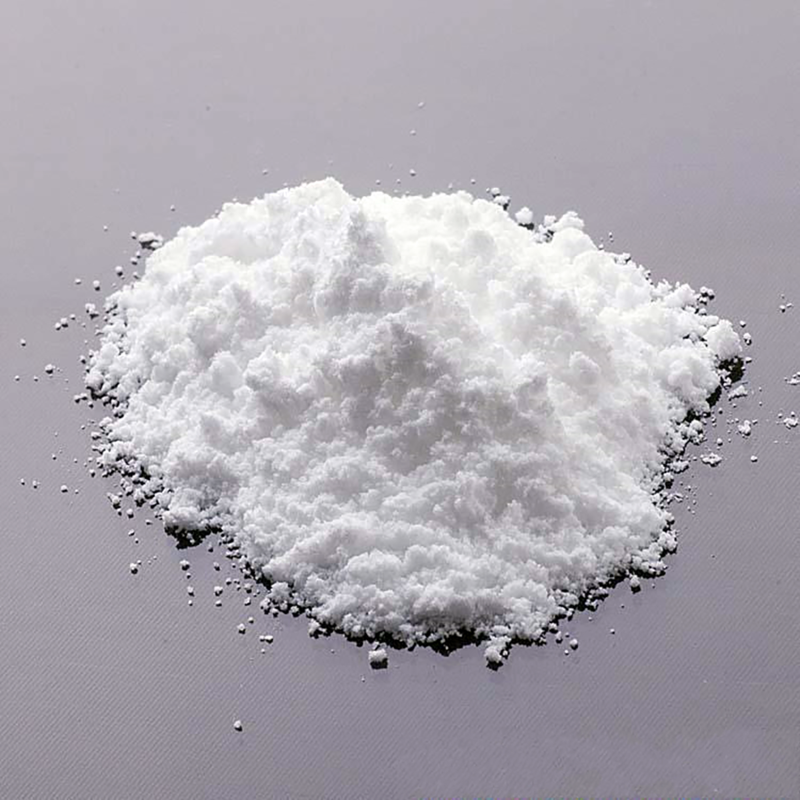


Adipic acid CAS:124-04-9
TDS 81 Inquiries
124-04-9
Industrail Grade
99%
SHANGHAI
Orient
1KG, 5KG, 25KG
2026-01-24

pharmaceutical intermediates,peptides,electronic chemicals
-
Product Description
-
Seller Information
-
Inquiry History
-
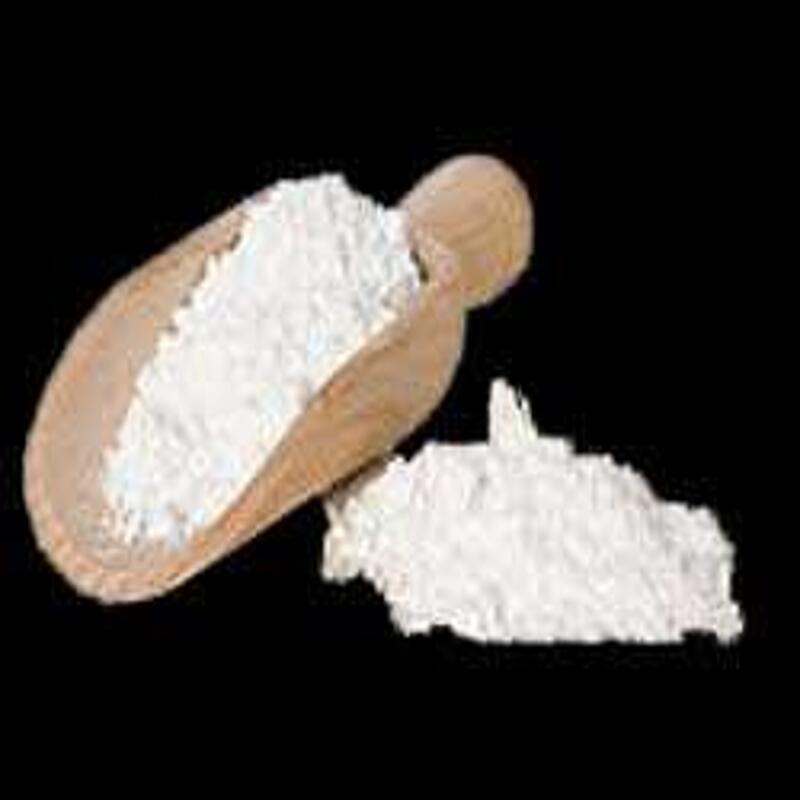
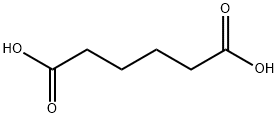
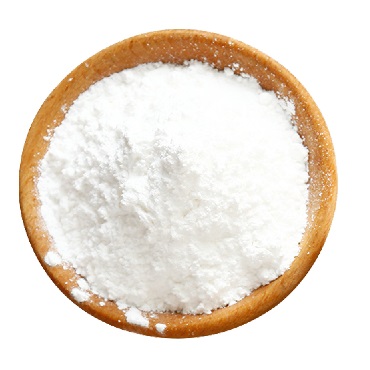
DescriptionECHEMI Editorial ReferenceAdipic acid is a dicarboxylic acid characterized by its white crystalline appearance and strong acidic properties. It is soluble in water and organic solvents, making it versatile for various applications. Adipic acid is primarily known for its role in the production of nylon and other polymers.CertificatesBasic Info
-
Product Name:
Adipic acid
Other Name:Hexanedioic acid;Adipic acid;Adipinic acid;1,4-Butanedicarboxylic acid;1,6-Hexanedioic acid;Acifloctin;Acinetten;Adilactetten;Asapic;Inipol DS;E 355;NSC 7622;NSC 87836;Rhodiacid AA;Edenol 1208;1186514-28-2;2023788-68-1
CAS No.:124-04-9
Molecular Formula:C6H10O4
InChIKeys:InChIKey=WNLRTRBMVRJNCN-UHFFFAOYSA-N
Molecular Weight:146.14
Exact Mass:146.05790880
EC Number:204-673-3
UNII:76A0JE0FKJ
ICSC Number:0369
NSC Number:760121|7622
UN Number:3077
DSSTox ID:DTXSID7021605
Color/Form:Monoclinic prisms from ethyl acetate, water, or acetone and petroleum ether|White monoclinic prisms|White crystalline solid|Colorless
HScode:2917120001
Categories:
Characteristics-
XLogP3:
0.08 (LogP)|log Kow = 0.08|0.08
Density:1.36 at 68 °F (USCG, 1999)|1.360 g/cu m at 25 °C|Bulk density: 640-800 kg/cu m|1.36 g/cm³|1.36
Melting Point:304 °F (USCG, 1999)|153.2 °C|151,5-154,0 °C|151.5 °C|151-154°C|152 °C|304°F
Boiling Point:337.5 °C|337.5 °C at 760 mm Hg: 265 °C at 100 mm Hg: 240.5 °C at 40 mm Hg: 222 °Cat 20 mm Hg: 205.5 °C at 10 mm Hg; 191 °C at 5 mm Hg; 159.5 °C at 1.0 mm Hg|265.00°C.@100.00mmHg|338 °C
Flash Point:376 °F Combustible solid (USCG, 1999)|385 °F, 196 °C (closed cup)|196 °C c.c.|376°F
Water Solubility:Slightly soluble in water. Freely soluble in ethanol|In water, 3.00X10+4 mg/L at 30 °C|In water, 0.633/100 parts (wt/wt) ether at 19 °C|In water, 160 g/100 mL boiling water|1.4 g/100 mL water at 10 °C|For more Solubility (Complete) data for ADIPIC ACID (7 total), please visit the HSDB record page.|30.8 mg/mL at 34 °C|Solubility in water, g/100ml at 15 °C: 1.4 (moderate)|slightly soluble in water; soluble in alcohol and acetone
Storage Conditions:Conditions for safe storage, including any incompatibilities: Keep container tightly closed in a dry and well-ventilated place. Storage class (TRGS 510): Non Combustible Solids.|Storage temperature: ambient; venting: open
Vapor Pressure:3.18e-07 mmHg|3.02X10⁻⁵ Pa at 25 °C (2.27X10⁻⁷ mm Hg)|Vapor pressure, Pa at 18.5 °C: 10
Vapor Density:5.04 (Air = 1)|Relative vapor density (air = 1): 5.04
Odor:Odorless
Taste:TART TASTE|Sour tasting
Henrys Law Constant:Henry's Law constant = 1.8X10⁻¹² atm-cu m/mole at 25 °C (est)
Dissociation Constants:K1 = 3.90X10⁻⁵ at 25 °C; K2 = 5.29X10⁻⁶ at 25 °C|pKa1 = 4.43; pKa2 = 5.41|pKa1 = 4.44 at 25 °C; pKa2 = 5.44 at 25 °C|pKa1 = 4.418; pKa2 = 5.412 at 25 °C
Collision Cross Section:129.61 Ų [M+Na-2H]- [CCS Type: DT, Method: single field calibrated with Agilent tune mix (Agilent)]|132.4 Ų [M-2H+Na]-
Experimental Properties:PRACTICALLY NON-HYGROSCOPIC|Conversion factors at 25 °C: 1 ppm = 5.96 mg/cu m; 1 mg/cu m = 0.168 ppm (calc)|Heat of fusion 57 cal/g= 238.49 J/g= 34.853 J/mol|Specific heat of the liquid = 2.253 kJ/kg K; specific heat of the vapor (at 300 °C) = 1.680 kJ/kg K; heat of fusion = 115 kJ/kg|For more Other Experimental Properties (Complete) data for ADIPIC ACID (6 total), please visit the HSDB record page.
Air and Water Reactions:Dust may form explosive mixture with air (USCG, 1999). Insoluble in water.
Reactive Group:Acids, Carboxylic
Reactivity Profile:ADIPIC ACID is a carboxylic acid. Carboxylic acids donate hydrogen ions if a base is present to accept them. They react in this way with all bases, both organic (for example, the amines) and inorganic. Their reactions with bases, called "neutralizations", are accompanied by the evolution of substantial amounts of heat. Neutralization between an acid and a base produces water plus a salt. Carboxylic acids with six or fewer carbon atoms are freely or moderately soluble in water; those with more than six carbons are slightly soluble in water. Soluble carboxylic acid dissociate to an extent in water to yield hydrogen ions. The pH of solutions of carboxylic acids is therefore less than 7.0. Many insoluble carboxylic acids react rapidly with aqueous solutions containing a chemical base and dissolve as the neutralization generates a soluble salt. Carboxylic acids in aqueous solution and liquid or molten carboxylic acids can react with active metals to form gaseous hydrogen and a metal salt. Such reactions occur in principle for solid carboxylic acids as well, but are slow if the solid acid remains dry. Even "insoluble" carboxylic acids may absorb enough water from the air and dissolve sufficiently in it to corrode or dissolve iron, steel, and aluminum parts and containers. Carboxylic acids, like other acids, react with cyanide salts to generate gaseous hydrogen cyanide. The reaction is slower for dry, solid carboxylic acids. Insoluble carboxylic acids react with solutions of cyanides to cause the release of gaseous hydrogen cyanide. Flammable and/or toxic gases and heat are generated by the reaction of carboxylic acids with diazo compounds, dithiocarbamates, isocyanates, mercaptans, nitrides, and sulfides. Carboxylic acids, especially in aqueous solution, also react with sulfites, nitrites, thiosulfates (to give H2S and SO3), dithionites (SO2), to generate flammable and/or toxic gases and heat. Their reaction with carbonates and bicarbonates generates a harmless gas (carbon dioxide) but still heat. Like other organic compounds, carboxylic acids can be oxidized by strong oxidizing agents and reduced by strong reducing agents. These reactions generate heat. A wide variety of products is possible. Like other acids, carboxylic acids may initiate polymerization reactions; like other acids, they often catalyze (increase the rate of) chemical reactions. Behavior in Fire: Melts and may decompose to give volatile acidic vapors of valeric acid and other substances.
Autoignition Temperature:788° F; 450° F (USCG, 1999)|788 °F, 420 °C|422 °C
Heat of Combustion:-2800 kJ/mol
Flammable Limits:In air: (dust) 10-15 mg/l
Physical Dangers:Dust explosion possible if in powder or granular form, mixed with air. If dry, it can be charged electrostatically by swirling, pneumatic transport, pouring, etc.
Corrosivity:Corrosion rate for ASTM grade 2 Titanium: 0.0 mm/yr at 232 °C for 67% (wt) concn.|Aqueous solutions of adipic acid are corrosive.
Heat of Vaporization:549 kJ/kg
Hazard IdentificationClassification of the substance or mixture
Eye irritation, Category 2
GHS label elements, including precautionary statements
Pictogram(s) 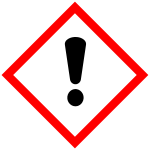
Signal word Warning
Hazard statement(s) H319 Causes serious eye irritation
Precautionary statement(s) Prevention P264 Wash ... thoroughly after handling.
P280 Wear protective gloves/protective clothing/eye protection/face protection/hearing protection/...
Response P305+P351+P338 IF IN EYES: Rinse cautiously with water for several minutes. Remove contact lenses, if present and easy to do. Continue rinsing.
Storage none
Disposal none
Other hazards which do not result in classification
no data available
Handling and StoragePrecautions for safe handling
NO open flames. Closed system, dust explosion-proof electrical equipment and lighting. Prevent deposition of dust. Prevent build-up of electrostatic charges (e.g., by grounding). Handling in a well ventilated place. Wear suitable protective clothing. Avoid contact with skin and eyes. Avoid formation of dust and aerosols. Use non-sparking tools. Prevent fire caused by electrostatic discharge steam.
Conditions for safe storage, including any incompatibilities
Conditions for safe storage, including any incompatibilities: Keep container tightly closed in a dry and well-ventilated place. Storage class (TRGS 510): Non Combustible Solids.
-
-
Seller Information
-
Business Type:
Trader
-
Main Products:
pharmaceutical intermediates,peptides,electronic chemicals
-
Location:
Room 102, 1st Floor, East Office Building, No. 45 Pengwan Road, Qianwan Bonded Port Area, Qingdao Zone, China (Shandong) Pilot Free Trade Zone
-
Payment Terms:
100% TT in advance
-
Average lead Time:
10 days
-
Total Annual Revenue:
$10 million-$25 million
-
Total Employees:
51-100
-
Year of Establishment:
2024
-
-
Inquiry History81 Inquiries
Country Product Purchase Quantity Date Posted  United States
Factory Wholesale High Quality Adipic Acid CAS: 124-04-9 99.8%Min Adipic Acid 99% White powder HJZ HJZ
1 MT Oct 10, 2023  South Africa
Adipic Acid
1.00 20' Fcl Jul 12, 2024  Germany
Soya Fatty Acids
400 KG Jun 14, 2024  India
India
Adipic Acid
60 MT Jun 22, 2026  Russia
Adipic Acid
1306 MT Mar 16, 2026
Russia
Adipic acid
20 MT Aug 18, 2026
India
ADIPIC ACID
1.00 MT Jul 31, 2026
Russia
Adipic acid
210 MT Jun 23, 2026  South Korea
Adipic Acid
1 KG May 26, 2026  Malaysia
ADIPIC ACID
6 MT Mar 30, 2026
Russia
Adipic acid
1 20' Fcl Mar 17, 2026
South Korea
Adipic Acid
20 MT Mar 11, 2026  Turkey
adipic acid
1 KG Jan 20, 2026  Poland
Adipic Acid
100 MT Jan 15, 2026  Vietnam
Adipic Acid
1 MT Dec 16, 2025  United Arab Emirates
adipic acid
1000 KG Dec 15, 2025
India
Adipic Acid
400 MT Dec 12, 2025  Pakistan
Adipic Acid
28 MT Dec 8, 2025
United States
Adipic Acid
1 PCS Oct 27, 2025
India
Adipic acid
200 MT Oct 14, 2025 Post an enquiry for this product


More from this Seller
-
-
-(-)-4-METHYL-5-PHENYL-2-OXAZOLIDINONE 16251-45-9")
-
(4S,5R)-(-)-4-METHYL-5-PHENYL-2-OXAZOLIDINONE 16251-45-9
Pharmaceutical Grade / 99.99%
$8-10/G FOB
-
-
-

-
4-Amino-5-hydroxynaphthalene-2,7-disulfonic acid monosodium salt hydrate/Pharmaceutical Grade | 99.99% Purity | CAS 343321-59-5
Pharmaceutical Grade / 99.99%
$33-34/G FOB
-
-
-

-
Butyl Glycol /Pharmaceutical Grade | 99.9% Purity | CAS 111-76-2
Pharmaceutical Grade / 99.99%
$33-34/G FOB
-
-
-

-
Zinc Hydroxystannate/Pharmaceutical Grade | 99.9% Purity | CAS 12027-96-2
Pharmaceutical Grade / 99.99%
$33-34/G FOB
-
-
-

-
Perfluorohexane/Pharmaceutical Grade | 99.9% Purity | CAS 355-42-0
Pharmaceutical Grade / 99.99%
$33-34/G FOB
-
-
-

-
Anthranilamide/Pharmaceutical Grade | high Purity/ COAS 88-68-6
Pharmaceutical Grade / 99.99%
$33-34/G FOB
-


Hot Related Products
-
 14B 99% High Purity Clear Liquid BDO Australia Melbourne Sydney Warehouse CAS 110-63-4 Overnight Fast Shipping
 -
 Butanediol new
 -
 Caustic Soda-Batong
 -
 Caustic Soda Flakes / Pearl Sodium Hydroxide Naoh High Purity 99% 98.5% 98% price
$450-550/MT FOB
-
 Industrial Grade 99% Caustic Soda in Flake Pearl and Solid Forms
$343.04-392.04/MT FOB
-
 1,4-Butanediol,CAS 110-63-4
 -
 CAS 110-63-4 High Purity Factory Direct, Good Quality Low Price, Fast Delivery") 1,4-Butanediol (BDO) CAS 110-63-4 High Purity Factory Direct, Good Quality Low Price, Fast Delivery
1,4-Butanediol (BDO) CAS 110-63-4 High Purity Factory Direct, Good Quality Low Price, Fast Delivery -
 Caustic Soda Flakes White
 -
 Sodium hydroxide White translucent crystalline solid
 -
 Caustic soda and Sodium hydroxide