1. Description
Chemical Properties: A synthetic linear tripeptide compound with the amino acid sequence glutamic acid-aspartic acid-proline (Glu-Asp-Pro, abbreviated as EDP). Molecular formula: C₁₄H₁₉N₃O₉. Molecular weight: 359.3 g/mol. Its core action targets specific receptors on immune cell surfaces and gene promoter regions, regulating immune-related gene expression through complementary binding. Chemically stable, it maintains ≥95% activity in human body fluid pH (7.2-7.4) environments. It exhibits strong resistance to enzymatic degradation and has no contraindications for combination with commonly used clinical anti-inflammatory drugs or immunomodulators. Its small molecular structure (<500 Da) ensures rapid penetration of tissue barriers, enabling targeted action on immune organs and damaged tissues.
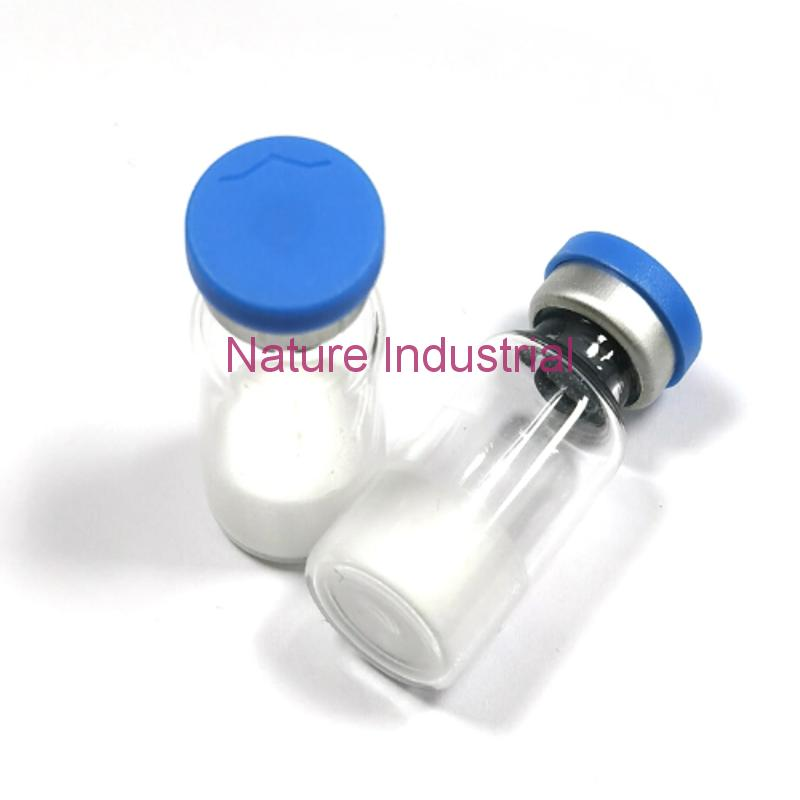
Physical Properties: The pharmaceutical-grade finished product is a freeze-dried sterile powder, appearing as white to off-white loose crystals. It is odorless and free of visible foreign matter. It exhibits excellent water solubility (solubility ≥60 mg/mL) and rapidly dissolves in commonly used clinical solvents such as sterile water and saline. Upon dissolution, it forms a colorless, transparent, and clear liquid, free of precipitation or turbidity. Store at -20°C in vacuum-sealed containers protected from light. Avoid repeated freeze-thaw cycles. The lyophilized powder has a shelf life of 2 years. Once dissolved, use immediately. Store in a sterile environment at 4°C for no longer than 24 hours. Strictly adhere to aseptic technique throughout handling.
Source and Preparation: No natural extraction source exists. Precisely synthesized via pharmaceutical-grade solid-phase peptide synthesis using high-purity L-glutamic acid, L-aspartic acid, and L-proline as raw materials. Processed through condensation, deprotection, and peptide chain assembly, followed by multiple HPLC purifications and freeze-dried under sterile conditions to produce the injectable powder. The entire production process complies with GMP pharmaceutical standards. Product purity ≥99% (HPLC detection), endotoxin content ≤0.05 EU/mg, with no residual heavy metals, bacteria, or synthetic byproducts.
2. Application
Immune Function Support Intervention: Used as an adjunctive therapy for acute infections such as viral respiratory infections (pneumonia, bronchitis, sinusitis) and bacterial infections (cystitis, pyelonephritis, prostatitis). Accelerates immune cell activation and enhances anti-infective capacity. Suitable for immune modulation in autoimmune diseases (e.g., systemic connective tissue disorders), aiding in the restoration of immune homeostasis and reducing abnormal inflammatory responses.
Post-Chemoradiotherapy Rehabilitation: Addresses immune suppression and impaired bone marrow hematopoiesis in cancer patients following chemoradiotherapy. Used as an adjunct clinical rehabilitation therapy to accelerate normalization of peripheral blood immune parameters, reduce infection complications, and alleviate fatigue, weakness, and other debility symptoms.
Post-Surgical and Trauma Repair: Used for preoperative preparation and postoperative recovery in surgical procedures (especially those with high infection risks), as well as tissue repair following burns, trauma, and other injuries. It accelerates wound epithelialization and healing by regulating local inflammatory responses and enhancing tissue enzyme activity.
Immune Support for the Elderly: Addresses natural immune decline in the elderly population. Used for clinical immune function regulation, maintaining the function of immune organs such as the thymus and spleen, enhancing the body's resistance to stress and infection, and delaying age-related immune decline.
3. Main Efficacy
1. Core Function: Rebuilds immune homeostasis by activating multidimensional immune cells.
Mechanism: Specifically binds to surface receptors and gene promoter regions of immune cells (T cells, B cells, macrophages). By activating RNA polymerase and initiating immune-related gene expression, it bidirectionally regulates immune function: On one hand, it activates dormant immune cells, promotes T cell and B cell proliferation/differentiation, and enhances macrophage phagocytic activity, thereby strengthening the body's anti-infection and anti-tumor capabilities. while simultaneously suppressing overactivated immune responses, reducing abnormal cytokine release, and restoring homeostasis to dysregulated immune systems. Clinical data demonstrate rapid enhancement of immune cell activity post-injection, with peripheral blood immune parameter recovery times shortened by over 30% in chemotherapy/radiotherapy patients.
2. Key Function: Anti-inflammatory Repair, Alleviating Acute and Chronic Inflammation
Mechanism involves inhibiting transcription and release of pro-inflammatory factors (TNF-α, IL-6) while enhancing expression of anti-inflammatory factors (IL-10), thereby blocking inflammatory chain reactions. It alleviates both acute infectious inflammation and autoimmune inflammation. Compared to steroidal anti-inflammatory drugs, it lacks side effects such as gastrointestinal irritation or hepatic/renal damage, allowing for long-term phased use and gentle intervention for chronic inflammation.
3. Synergistic Effects: Accelerating Tissue Repair and Enhancing Recovery Efficiency
By promoting immune cell-mediated clearance of damaged tissues while upregulating synthesis of tissue repair-related proteins, it accelerates wound healing, mucosal repair, and organ function recovery. In postoperative rehabilitation, it significantly enhances tissue enzyme activity and shortens wound epithelialization cycles. Following radiotherapy or chemotherapy, it aids in restoring the bone marrow hematopoietic microenvironment and improving suppressed hematopoietic function.
4. Anti-Aging Support: Delays Immune-Related Aging Processes
Based on peptide bio-regulation theory, it compensates for deficiencies in endogenous immune regulatory peptides, maintains balance in immune cell gene expression and protein synthesis, reduces age-related immune decline, and enhances protein synthesis efficiency. This delays tissue functional aging, providing immune support for holistic anti-aging.
5. Safety Advantages: Low Toxicity Tolerance, Broad Clinical Applicability
As a human-homologous tripeptide, it exhibits exceptional biocompatibility with no immunogenicity, causing no allergic or rejection reactions post-injection. Clinical toxicology studies confirm no significant liver/kidney damage or cardiovascular effects at standard doses. Only a minority may experience transient mild redness/swelling at injection sites, requiring no special treatment. Non-habit-forming, suitable for phased treatment and conditioning across different age groups (elderly, adults) and immune statuses.