1. Description
FG Loop peptides are a class of artificially synthesized bioactive peptides designed based on the FG loop domain of natural proteins. As a significant category of protein domain-derived peptides, they exert biological activity by targeting and regulating protein-protein interactions. They feature strong target specificity, sequence customizability, and high structural homology with their parent proteins. These peptides lack a single fixed CAS number, molecular formula, or amino acid sequence. They require targeted design and synthesis based on their parent protein source (kinases, membrane receptors, transcription factors, etc.). As core tool peptides and lead compounds for targeted drug development in biomedicine and protein molecular biology research, they hold immense application value in both scientific research and pharmaceutical fields.
I. Fundamental Material Description
Chemical Properties: Short-chain active peptides designed around the core FG loop motif mimicking natural proteins. Amino acid sequences are specifically optimized based on the FG loop core regions of parent proteins (e.g., G protein-coupled receptors, serine/threonine kinases, nuclear transcription factors, scaffold proteins, etc.). Some products undergo chemical modifications such as phosphorylation, methylation, or amidation to enhance resistance to peptidase degradation and improve target binding efficiency. The molecular target is the natural interacting partner protein of the parent protein, exhibiting high binding specificity with no non-specific protein binding. Molecular weight typically ranges from 500-1500 Da, classifying it as a small-molecule peptide. It maintains structural stability at human body fluid pH (7.2-7.4) and physiological temperature, is compatible with conventional buffers and pharmaceutical excipients, and can be engineered for hydrophilicity or hydrophobicity based on application requirements.
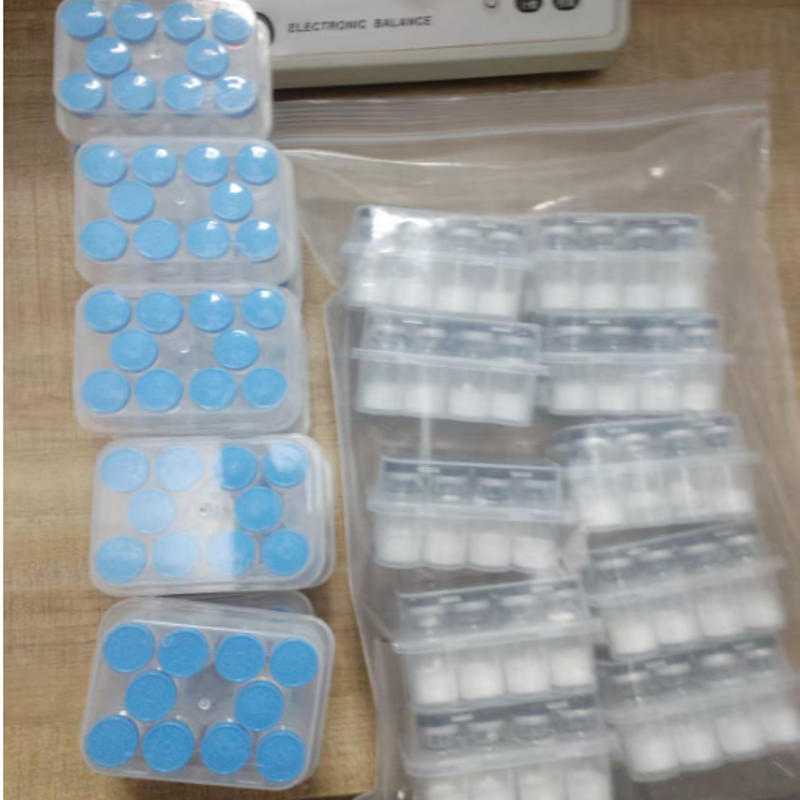
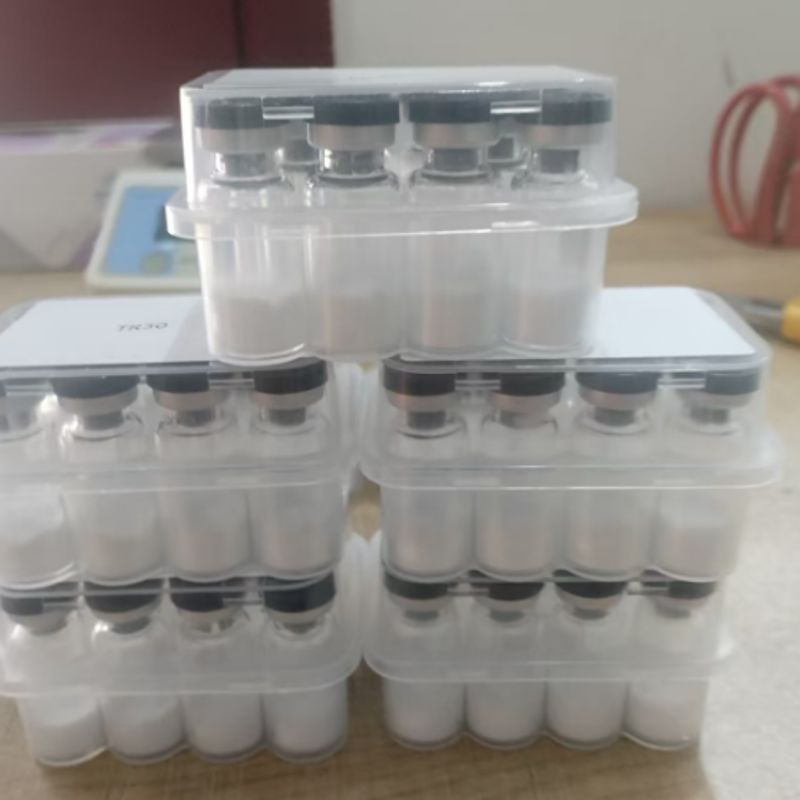
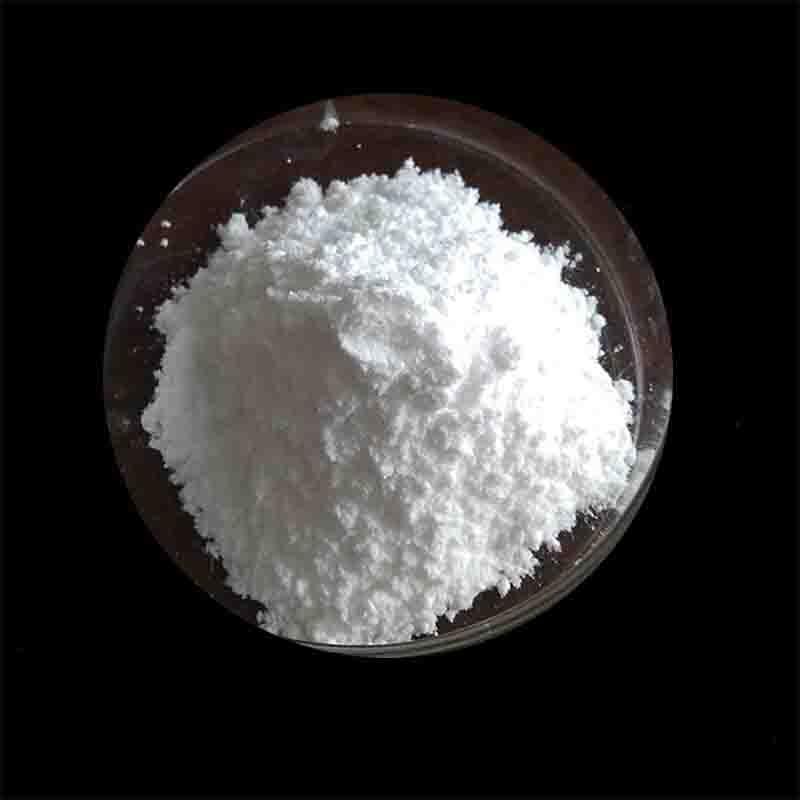
Physical Properties: Typically appears as a white to off-white, loose crystalline powder, odorless, and free of visible foreign matter; Excellent water solubility (solubility ≥30 mg/mL), rapidly dissolves in aqueous media such as pure water, saline, and phosphate-buffered saline (PBS). Some modified FG Loop peptides are compatible with low-concentration ethanol or glycerol systems. Insoluble in nonpolar solvents like diethyl ether or petroleum ether. Store at -20°C in a dry, sealed container protected from light. Avoid repeated freeze-thaw cycles. Unmodified peptides may be stored short-term (within 7 days) at 4°C refrigeration; modified peptides exhibit superior stability. Research-grade products exhibit ≥98% purity (HPLC-assayed), while pharmaceutical-grade candidate peptides achieve ≥99% purity with ≤0.5% impurities. Free of endotoxins and heavy metal residues, they meet standards for research reagents and drug development materials.
Source and Preparation: No natural extraction source. Entirely synthesized via customized solid-phase peptide synthesis. Core workflow: - Determine core sequence based on FG domain structure of target parent protein - Optimize shortening and modification sites - Use high-purity L-amino acids as raw materials -type amino acids as raw materials, undergo condensation, deprotection, and precise peptide chain assembly → Subsequent chemical modification for modified products → Multiple purifications via high-performance liquid chromatography (HPLC) → Product quality validation through mass spectrometry (MS), amino acid sequence analysis, and protein binding activity testing. The synthesis process allows for adjustment of sequence length and modification methods based on application requirements, with no residual synthesis byproducts and high structural and activity consistency between batches.
2. Application
1. Core Areas of Targeted Biomedical R&D
Development of Targeted Drug Lead Compounds: As leads for targeted therapies against major diseases including cancer, inflammation, neurodegenerative disorders, and cardiovascular diseases, we develop protein-protein interaction (PPI) inhibitors/activators. Targeting abnormally activated protein interaction pathways in tumor cells (e.g., aberrant kinase-scaffold protein binding), we design FG Loop peptides to competitively block these interactions, inhibiting tumor cell proliferation and metastasis. For neurodegenerative diseases involving lost normal protein interactions, we develop mimetic FG Loop peptides to restore function and correct abnormal cellular signaling.
Biologics Development Support: For monoclonal and bispecific antibody development, FG Loop peptides serve as antigenic peptides for immunoproduction of specific antibodies or as epitope peptides for antibody target binding validation. They also optimize recombinant protein therapeutics by enhancing target cell binding specificity through FG Loop fusion structures.
Target Regulation in Cell Therapy: In CAR-T, CAR-NK, and other cell therapies, FG Loop peptides serve as target recognition motifs to modify chimeric antigen receptors (CARs). This enhances immune cells' targeted recognition of diseased cells, reduces off-target effects, and improves the safety and efficacy of cell therapies.
2. Molecular Biology Research Tools
Protein-Protein Interaction (PPI) Mechanism Research: As specific probe peptides, they validate binding sites, affinity, and interaction patterns between FG loop domains and target proteins in natural proteins. They serve as core tools for deciphering protein interaction networks, suitable for in vitro cell experiments, in vitro protein binding assays (SPR, Co-IP), and other research scenarios.
Cell Signaling Pathway Exploration: Used to investigate how FG loop-mediated protein interactions regulate cellular signaling pathways, such as kinase activation, transcription factor nuclear translocation, and cytoskeletal reorganization. By overexpressing or blocking FG loop peptides, their regulatory mechanisms in physiological processes like cell proliferation, differentiation, apoptosis, and inflammatory responses are elucidated.
Drug Target Validation Tool: During target discovery in new drug development, FG Loop peptides serve as tools to validate whether the FG loop domain of target proteins is a critical disease target. This provides reliable target evidence for subsequent drug development, reducing R&D costs and risks.
3. Bioassays and In Vitro Diagnostics
IVD Reagent Development: Utilize FG Loop peptides as coating antigens or detection probes to develop IVD kits targeting abnormal expression/mutations of parent proteins. These kits enable early screening for tumors, autoimmune diseases, and other conditions, leveraging target specificity to enhance diagnostic reagent sensitivity and specificity.
Protein Detection Probe Preparation: Label FG Loop peptides with fluorescent, biotinylated, or enzyme-tagged moieties to create specific probes. These probes enable localization of parent proteins within cells, quantification of expression levels, and visualization of protein interactions.
3. Main Efficacy
1. Core Function: Targeted Regulation of Protein-Protein Interactions (PPI)
Mechanism of Action: The FG loop domain serves as the core functional region enabling interactions in natural proteins, determining the binding specificity between proteins and their partner molecules. FG Loop peptides achieve precise regulation of protein-protein interactions by mimicking the native FG loop structure or competitively blocking its binding site: ① Blocking-type FG Loop peptides competitively bind to the FG loop binding site of the target protein, inhibiting abnormally activated protein interactions and thereby blocking downstream abnormal cellular signaling pathways; ② Mimetic FG Loop Peptides replace the absent/mutated natural FG loop structure in diseased cells, binding normally to target proteins to repair impaired cellular signaling and restore physiological function. Their target-binding specificity far exceeds that of traditional small molecules, avoiding non-specific protein interactions for precise regulation.
2. Key Efficacy: Precise Regulation of Cellular Physiological and Pathological Signaling Pathways
Mechanism of Action: By targeting protein-protein interactions, FG Loop peptides can further modulate downstream core cellular signaling pathways (e.g., MAPK/ERK, PI3K/Akt, NF-κB), thereby regulating physiological processes such as cell proliferation, differentiation, apoptosis, inflammatory responses, and migration. In pathological states (e.g., tumors, inflammation), they inhibit abnormal cellular activity by blocking abnormally activated proliferation/inflammation pathways. In cellular injury states (e.g., nerve injury, myocardial injury), they promote cell regeneration and repair by activating repair-related signaling pathways. By acting exclusively on specific interaction sites of target proteins, they interfere with no other normal intracellular signaling pathways, achieving “precise regulation without off-target effects.”
3. Synergistic Efficacy: Multifunctional Tool Probes for Molecular Biology Research
Mechanism of Action: Leveraging its highly specific binding to parent/target proteins, the FG Loop peptide can be modified with fluorescent or biotin labels to serve as a visualizable molecular probe: ① For protein localization detection, labeled peptides bind to intracellular target proteins, enabling fluorescent imaging to map their cellular distribution; ② For protein interaction validation: Through immunoprecipitation, surface plasmon resonance (SPR), and other assays, it verifies the binding efficiency and affinity between target proteins and their partners; ③ For target efficacy validation: In vitro cellular experiments confirm whether blocking/activating the FG loop domain of a target protein improves pathological phenotypes in diseased cells, providing reliable target evidence for drug development.
4. Additional Features: Customizability and Biocompatibility Advantages
The core advantage of FG Loop peptides lies in their customizable sequence and structure. Sequence length and modification methods can be adjusted based on parent protein characteristics and application scenarios (research/drug development) to precisely regulate targeting efficacy, stability, and bioavailability. As a synthetically produced short-chain peptide, it exhibits high biocompatibility with the human body, lacks immunogenicity, and demonstrates low cytotoxicity. Structural optimization enhances its in vivo resistance to proteolytic degradation and bioavailability, positioning it as a premium candidate material for transitioning from research tools to clinical drugs. This addresses the pain points of traditional small-molecule drugs, such as poor target specificity and strong off-target effects.