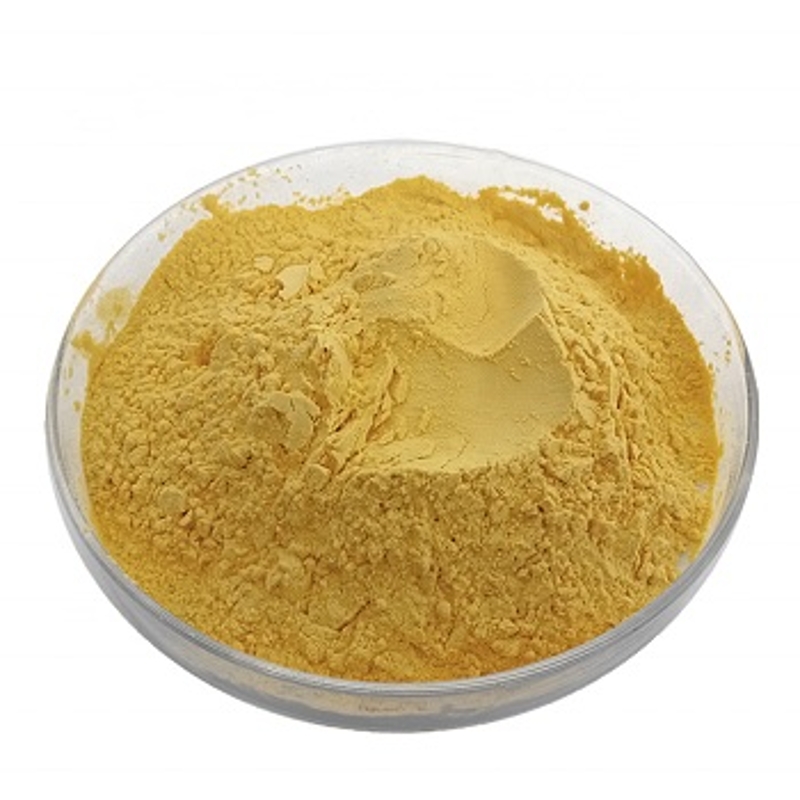
- Ⅰ.Product Overview
Anionic Polyacrylamide (APAM) for mineral processing is a linear water-soluble polymer with a large number of anionic groups such as carboxyl groups in its molecular chain. It achieves rapid solid-liquid separation through adsorbing suspended particles in the pulp, charge neutralization, and bridging flocculation. It is an indispensable high-efficiency flocculant, settling agent, and filter aid in the mineral processing industry. It features good water solubility, high flocculation efficiency, low dosage, and strong adaptability. It is widely used in the mineral processing of various ores such as iron ore, aluminum ore, copper ore, lead-zinc ore, and coal. It can significantly improve mineral processing efficiency, reduce production costs, and minimize environmental pollution. It complies with the national standard GB/T 17514-2017 and is one of the core additives for mining enterprises to enhance production efficiency.
II. Product Uses
The core purpose of APAM for mineral processing is to optimize the solid-liquid separation effect in various mineral processing links through flocculation, sedimentation, and filter-aid effects. The specific application scenarios cover the entire mineral processing process, adapting to different ore types and process requirements, as detailed below:
(1) Slurry Flocculation and Sedimentation
In the processing of slurry after mineral processing crushing and grinding, APAM can quickly adsorb fine mineral particles and gangue particles in the slurry. It destabilizes the particles through charge neutralization, and then forms tight flocs through molecular chain bridging, accelerating floc sedimentation, significantly shortening the sedimentation time, improving the processing efficiency of thickeners and sedimentation tanks, reducing the slurry residence time, and avoiding material waste and environmental pollution caused by slurry overflow. This application is suitable for the slurry pretreatment of various ores, especially for neutral or alkaline slurries and scenarios where mineral particles are positively charged (such as iron ore, aluminum ore, copper ore, etc.), and it is a key link in mineral processing pretreatment.
(2) Tailings Treatment
Tailings are the main waste after mineral processing, containing a large number of fine particles and water. Direct discharge will cause resource waste and environmental pollution. APAM can be used for flocculation and sedimentation of tailings slurry, accelerating the agglomeration of tailings particles, enabling rapid sedimentation and stratification of tailings. The upper clear liquid can be recycled back to the mineral processing process to realize the reuse of water resources; the lower concentrated tailings can be dehydrated through filtration and pressure filtration to form tailings slag with low water content, which is convenient for stacking, transportation or secondary recovery. This effectively reduces the cost of tailings treatment, reduces water resource consumption and environmental protection pressure, while reducing tailings loss and improving resource utilization efficiency.
(3) Concentrate Dewatering
Concentrates obtained from mineral processing usually contain high moisture content and need to be dewatered before subsequent smelting, storage, and transportation. As a filter aid, APAM can be added to the concentrate filtration and pressure filtration processes. It improves the air permeability and peelability of the concentrate filter cake, reduces the moisture content of the filter cake, increases the filtration speed and efficiency, reduces filter cloth clogging, lowers equipment energy consumption, and ensures that the quality of concentrate products meets the standards (for example, the moisture content of concentrates can be reduced to 15%-25%). It is particularly suitable for the dewatering treatment of various concentrates such as clean coal, copper concentrate, and iron concentrate, facilitating the efficient operation of subsequent smelting processes.
(4) Flotation Assistance
In the flotation process, APAM can be used as an auxiliary reagent in combination with flotation agents. On the one hand, it can adsorb fine useful mineral particles in flotation tailings, preventing the loss of useful minerals along with tailings and improving mineral recovery rates. On the other hand, it can enhance the stability of flotation froth and optimize the flotation separation effect, enabling better separation of useful minerals from gangue. It is particularly suitable for the flotation processes of coal and non-ferrous metal ores, significantly improving flotation efficiency and concentrate grade while reducing the dosage of flotation agents.
(5) Treatment of Mineral Processing Wastewater
A large amount of wastewater is generated during the mineral processing process, which contains suspended particles, heavy metal ions, and a small amount of residual chemicals. Direct discharge will pollute water bodies and soil. APAM can be used for the clarification treatment of mineral processing wastewater, quickly flocculating suspended particles in the wastewater to make the wastewater meet the clarification standards. The treated wastewater can be recycled back to the mineral processing production, realizing zero discharge or up-to-standard discharge of wastewater. This not only saves water resources but also complies with environmental protection regulations, and is suitable for various mineral processing wastewater treatment scenarios such as iron and steel plants, metallurgical plants, and coal washing plants.
III. Product Features
Combined with the particularity of the mineral processing process, APAM for mineral processing has the following core features, which distinguish it from other types of polyacrylamide and make it suitable for the stringent requirements of the mineral processing industry:
(1) Excellent water solubility
The product is in the form of white granules or powder, which can dissolve quickly in cold water without high-temperature heating. The dissolution rate is fast (usually ≤ 45 minutes). After dissolution, a transparent and uniform aqueous solution is formed with no obvious insoluble substances, which is convenient for on-site preparation and dosing. It can meet the rapid operation needs of the mineral processing site and maintain good solubility under different water quality conditions, avoiding drug waste and poor results caused by insufficient dissolution.
(2) High flocculation efficiency
The molecular chain length is moderate, and the content of anionic groups is precise. It has extremely strong adsorption and bridging capabilities, which can quickly capture fine particles in the pulp, forming flocs with high density and fast sedimentation speed, resulting in a significant flocculation effect. Compared with ordinary flocculants, APAM has a lower dosage (usually 10-50g per ton of pulp), which can greatly reduce the cost of chemical agents. At the same time, it improves the efficiency of solid-liquid separation and reduces the operating load of equipment. It is especially suitable for the treatment of high-concentration and fine-particle pulp.
(3) Wide adaptability
It can be adapted to the mineral processing technologies of different types of ores (iron ore, aluminum ore, copper ore, lead-zinc ore, coal, etc.). Whether the ore pulp is acidic, neutral or alkaline, it can achieve good flocculation effect. It can adjust product specifications (molecular weight, degree of hydrolysis) according to on-site conditions such as ore pulp concentration, particle size, and pH value, flexibly adapt to different mineral processing links (ore pulp sedimentation, tailings treatment, concentrate dehydration, etc.), and has strong versatility. There is no need to frequently replace the type of agent, which reduces the production management cost of enterprises.
(4) Strong stability
The chemical properties of the product are stable. It is not easy to decompose under normal temperature and pressure, and its performance remains stable during storage and use, being hardly affected by environmental factors such as temperature, humidity, and light. When used in conjunction with inorganic coagulants commonly used in the mineral processing process (such as polyaluminum chloride and ferrous sulfate), it exhibits a significant synergistic effect, which can further improve flocculation efficiency. Moreover, it will not cause secondary pollution, meeting environmental protection requirements. At the same time, it can resist interference from impurities and reagents in the ore slurry, ensuring stable and reliable flocculation effects.
(5) Environmentally friendly and no residue
The product is non-toxic, odorless, and does not contain harmful substances. After use, it will not produce harmful residues in mineral products and wastewater, will not affect the quality of concentrates and subsequent smelting processes, and will not pollute soil and water bodies. The content of residual acrylamide monomer is extremely low (≤ 0.05%), which meets national environmental protection standards and environmental protection requirements of the mineral processing industry. It can be safely used in various mineral processing scenarios to help enterprises achieve green production.
IV. Specification Parameters
The specification parameters of APAM for mineral processing can be flexibly adjusted according to the mineral processing technology, ore type, and processing requirements. The core parameters comply with the national standard GB/T 17514-2017. The common specifications and detailed parameters are as follows (can be customized on demand):
| Parameter name | Common specification range | unit | Explanation |
| Appearance | White granules or powder | - | No visible impurities, uniform and fine, no agglomeration (slight loose agglomeration that is easy to crush is allowed), meeting the appearance requirements of GB/T 17514-2017 |
| molecular weight | 600-2600 | ten thousand | 15-20 million molecular weight is commonly used in mineral processing. The higher the molecular weight, the stronger the flocculation bridging ability and the faster the sedimentation speed; for iron ore, aluminum ore, etc., a molecular weight of more than 15 million is commonly used to enhance the adsorption bridging effect. |
| degree of hydrolysis | 15-45 | % | Suitable for different pulp pH values. 20%-35% is commonly used for neutral/alkaline pulp, and 15%-25% can be selected for acidic pulp. The degree of hydrolysis affects the flocculation effect and adaptability, and can be customized on demand.
|
| solid content | ≥90 | % | The higher the solid content, the more active ingredients there are, and the less dosage of the agent is required. It meets the requirements for first-class products specified in GB/T 17514-2017, and some high-end products can reach more than 92%.
|
V. Quality Standards
This product is strictly produced and inspected in accordance with the national standard GB/T 17514-2017 "Water Treatment Agents - Anionic and Non-ionic Polyacrylamide". Meanwhile, combined with the special needs of the mineral processing industry, enterprise internal control standards have been formulated to ensure stable product quality and reliable performance. The specific quality standards are as follows:
(1) Quality Requirements
- 1.Appearance: White or slightly yellow granules or powder, with no visible impurities and no caking (slightly loose caking is acceptable and easy to crush). Colloidal products are colorless or slightly yellow colloids (solid products commonly used in mineral processing), meeting the requirements of Article 4.1 of GB/T 17514-2017.
-
- 2.Core indicators: The relative deviation between the molecular weight and the nominal value shall not exceed 10%; The absolute difference between the anionic degree and the nominal value shall not exceed 2% (or customized according to user requirements); Solid content ≥ 90%, water insoluble matter ≤ 0.2%, residual acrylamide monomer ≤ 0.05%, dissolution time ≤ 45 minutes, sieve residue (1.0mm sieve) ≤ 5%. All indicators comply with national standards and enterprise internal control standards to ensure stable product performance.
-
- 3.Safety: The product is non-toxic, odorless, non-corrosive, and free of harmful substances. There are no harmful residues after use. It meets national environmental protection standards and the safety requirements for use in the mineral processing industry. The detection of residual acrylamide monomers uses liquid chromatography to ensure accurate and reliable detection results and avoid harm to humans and the environment.
-
- 4.Stability: The product can be stored at room temperature and normal pressure with a shelf life of 1 year. During storage, its performance remains stable without obvious deterioration or caking. After dissolution, the aqueous solution maintains stable performance within 24 hours, without decomposition or precipitation, and can be used normally, avoiding the impact on mineral processing results due to performance degradation.
(2) Inspection Rules
-
1.Batch Division: Each batch of products shall not exceed 20 tons. Products of the same batch, same specification, and same production process shall be regarded as one batch to ensure batch consistency, facilitating quality traceability and inspection management.
-
-
2.Sampling Method: For sampling solid products, insert the sampler vertically to 3/4 of the depth of the material layer. Use the quartering method to reduce the sampled product to no less than 200g, and subpackage it into two clean and dry plastic bottles. Seal the bottles, attach labels on the bottles indicating the manufacturer's name, product name, batch number, sampling date, and sampler's name. One bottle is for inspection, and the other is kept for three months for future reference. For colloid products, sampling shall be conducted in accordance with Article 7.3 of GB/T 6680-2003 to ensure the representativeness of the sample and avoid sampling deviation affecting the inspection results.
-
-
3.Inspection Items: The factory inspection items include appearance, solid content, dissolution time, water-insoluble substances, molecular weight, anion degree, and residual acrylamide monomer. Each batch of products must undergo inspection and can leave the factory only if qualified. Type inspection requires full-item testing, which shall be conducted at least once a year to ensure the long-term stability of product quality and compliance with standard requirements.
-
-
4.Judgment Rules: The rounding value comparison method specified in GB/T 8170 shall be adopted to judge whether the inspection results meet the requirements. If any index in the inspection results does not meet the requirements of this standard, sampling and verification shall be re-conducted from twice the number of packaging units. If the verification result still has one index that does not meet the requirements of this standard, the entire batch of products shall be deemed unqualified and is prohibited from leaving the factory and being sold, ensuring that all products entering the market are qualified.
(III) Testing Methods
-
1.Appearance: Visual inspection. Check the color and state of the product under natural light to determine if they meet the appearance requirements, ensuring there are no visible impurities or obvious agglomerates.
-
-
2.Molecular weight: The viscosity method (GB/T 12005.10) is adopted. An Ubbelohde viscometer is used to determine the intrinsic viscosity, and the molecular weight is calculated via the Mark-Houwink equation. The temperature is controlled at 30±0.1℃ to ensure measurement accuracy, with the relative deviation of parallel determination results ≤10%.
-
-
3.Solid content: The oven drying method (GB/T 12005.2) is used. An appropriate amount of sample is weighed and dried at 105±2℃ to constant weight, and the solid mass percentage is calculated. The relative deviation of parallel determination results is ≤0.5% to ensure the accuracy of solid content detection.
-
-
4.Residual acrylamide monomer: High-performance liquid chromatography (HPLC, Appendix B of GB/T 17514) is employed. The detection process must be carried out in the dark to prevent acrylamide from decomposing when exposed to light, ensuring the accuracy of the detection results and compliance with environmental protection limit requirements.
-
-
5.Other indicators: The degree of hydrolysis is determined by acid-base titration (GB/T 12005.6) under constant temperature (25±1℃) conditions; water-insoluble substances are measured by the filtration method; screen residues are determined by the vibrating screen method (GB/T 6003.1). All testing methods comply with the national standard GB/T 17514-2017 and relevant industry standards to ensure the authority and reliability of the testing results, providing a guarantee for product quality.
- Ⅵ.Product Detail Image (Powdery Form)

Product detail image (granular)

Comparison chart of product specifications

Product packaging diagram (25kg standard package)

VII. Usage Methods and Precautions
(Ⅰ) Usage Methods
-
1.Solution Preparation: Add the product to stirring clean water at a concentration of 0.1%-0.3% (i.e., add 1-3g of the product to 1L of water) slowly. Control the stirring speed at around 200rpm to avoid shear degradation. Stir for 15-45 minutes until it is completely dissolved, forming a transparent and uniform aqueous solution. Avoid the formation of "fish eyes" (undissolved particles) to ensure the agent is fully dissolved and effective.
-
-
2.Dosing Method: Use a metering pump to uniformly add the prepared aqueous solution to the ore slurry, tailings, or wastewater to be treated. The dosage is determined according to on-site small-scale tests (usually 10-50g per ton of ore slurry). After dosing, stir evenly to ensure sufficient contact between the agent and the materials to be treated, so as to improve the flocculation effect. It can be used in conjunction with inorganic coagulants. First, add the inorganic coagulant, stir evenly, and then add APAM to synergistically enhance the treatment effect.
-
-
3.Adjustment and Optimization: Adjust the dosage and preparation concentration in a timely manner according to on-site conditions such as ore slurry concentration, pH value, and particle size. If the ore slurry concentration is too high, the dosage can be appropriately increased; if the pH value is acidic, adjust the pH value to neutral or alkaline first, and then add APAM to ensure the best flocculation effect, reduce the cost of agent use, and improve treatment efficiency.
(2) Precautions
-
1.Storage: The product should be stored in a cool, ventilated, and dry warehouse, away from fire and heat sources. It should be protected from moisture, rain, and direct sunlight, with a shelf life of 1 year. When storing, it must be placed on pallets to avoid direct contact with the ground, preventing moisture absorption and caking. Products of different specifications should be stored separately with clear labels to avoid confusion, ensuring stable product performance and preventing performance degradation due to improper storage.
-
-
2.Operation: Operators should wear dust masks and gloves to prevent inhalation of product powder into the respiratory tract or contact with the skin. If it accidentally comes into contact with the skin, rinse immediately with clean water. If accidentally inhaled, move to a well-ventilated area promptly and seek medical attention if necessary. The operation site should maintain good ventilation to prevent powder from flying, ensuring operational safety and compliance with chemical product operation specifications.
-
-
-
3.Preparation: When preparing the solution, clean water (tap water or well water is acceptable) should be used. Avoid using water containing impurities or oil stains, as this may affect the dissolution effect and flocculation performance. The product should be added to water slowly; avoid adding a large amount at one time to prevent caking, which would affect the dissolution and use effect. The dissolved aqueous solution should be used up within 24 hours. Avoid long-term storage to prevent performance degradation and ensure the agent exerts its best effect.
-
-
4.Emergency treatment: If the product leaks, the leaked powder should be collected promptly to avoid dust. After collection, it should be properly disposed of and must not be discarded at will to prevent environmental pollution. If the aqueous solution leaks, it can be diluted with clean water and then treated according to the mineral processing wastewater treatment process to ensure compliance with environmental protection requirements and avoid water pollution.
-
-
5.Compatibility: It must not be stored or used in mixture with strong acidic or strong alkaline substances to avoid chemical reactions that cause the product to fail. When used in conjunction with inorganic coagulants, attention should be paid to the order of addition and interval time to ensure a synergistic effect, avoiding mutual interference between agents that affects the treatment effect.
VIII. Packaging and Transportation
(1) Packaging
- 1.Solid products: Packed in double-layer packaging bags. The inner layer is a polyethylene plastic bag, and the outer layer is a plastic-coated kraft paper bag or woven bag, with good sealing performance, moisture-proof and anti-damage. The conventional packaging is 25kg per bag, and 50kg per bag or other specifications can also be customized according to user needs. The packaging is printed with product name, specification, molecular weight, degree of hydrolysis, solid content, production batch number, production date, shelf life, manufacturer, standard number, as well as "heat-sensitive" and "moisture-sensitive" marks. There is no contact information. It meets the packaging requirements of GB/T 17514-2017 and environmental protection requirements, and is easy to store and identify.
- 2.Each batch of products leaving the factory is accompanied by a quality inspection report and a quality certificate, which detail the test results of various indicators of the products, ensuring that product quality is traceable and allowing users to use them with confidence.
(2) Transportation
- 1.Covered transport vehicles (such as box trucks) shall be used for transportation. It is strictly prohibited to expose the products to rain, sun, and moisture. Avoid product leakage and caking caused by packaging damage. During transportation, handle with care, avoid violent impact and extrusion, prevent packaging damage, ensure the products are intact, and avoid affecting product performance due to improper transportation.
-
- 2.The product is not a dangerous good and can be transported as an ordinary chemical product. During transportation, traffic rules should be observed. It should be kept away from fire sources and heat sources, and should not be transported together with strong acidic or strong alkaline substances to prevent chemical reactions that may cause the product to fail. The transport vehicles should be kept clean to avoid contaminating the product and to ensure product quality.
- 3.After reaching the transportation destination, the products should be promptly moved to a cool and dry warehouse for storage. Avoid leaving them in the transportation vehicle for a long time to prevent moisture absorption and caking, which may affect the product's usage effect.
IX. Product Advantages
- 1.High Efficiency and Energy Saving: It has high flocculation efficiency and low dosage, which can significantly reduce the cost of chemical agents and the energy consumption of equipment operation, improve mineral processing efficiency, shorten processing time, help enterprises reduce production costs and enhance production efficiency. Compared with ordinary flocculants, it can save more than 30% of chemical dosage and improve processing efficiency by more than 20%, creating greater value for enterprises.
- 2.Strong adaptability: It can be adapted to different types of ores and different mineral processing links. It can play a good role in pulp sedimentation, tailings treatment, and concentrate dehydration. It can flexibly adjust specifications according to on-site conditions, with strong versatility. There is no need to frequently replace chemicals, which reduces the production and management costs of enterprises. It is suitable for various mineral processing scenarios such as iron ore, aluminum ore, copper ore, lead-zinc ore, and coal, meeting the personalized needs of different enterprises.
- 3.Environmental protection and safety: The product is non-toxic and non-residual. After use, it will not pollute mineral products or the environment. It meets national environmental protection standards and the requirements for green production in the mineral processing industry, helping enterprises achieve environmental compliance, energy conservation and emission reduction. At the same time, it ensures the personal safety of operators and avoids potential safety hazards and environmental risks caused by residual reagents.
- 4.Stable quality: Production is strictly in accordance with the national standard GB/T 17514-2017. Each batch of products undergoes strict inspection and can only leave the factory after passing the quality standards. The product performance is stable, and it is not easy to deteriorate during storage and use, ensuring stable and reliable mineral processing results, reducing production failures caused by fluctuations in product quality, and guaranteeing the smooth operation of the mineral processing process.
- 5.High cost performance: The product is of excellent quality and reasonable price. Compared with similar products, it has obvious advantages in flocculation effect, dosage, stability, etc. It can help enterprises reduce production costs while improving the quality and efficiency of mineral processing, achieving a win-win situation in economic and environmental benefits. It is the preferred additive for mineral processing enterprises.
VIII. Packaging and Transportation
(1) Packaging
-
Solid products: Packed in double-layer packaging bags. The inner layer is a polyethylene plastic bag, and the outer layer is a plastic-coated kraft paper bag or woven bag, with good sealing performance, moisture-proof and anti-damage. The conventional packaging is 25kg per bag, and 50kg per bag or other specifications can also be customized according to user needs. The packaging is printed with product name, specification, molecular weight, degree of hydrolysis, solid content, production batch number, production date, shelf life, manufacturer, standard number, as well as "heat-sensitive" and "moisture-sensitive" signs. There is no contact information. It meets the packaging requirements of GB/T 17514-2017 and environmental protection requirements, and is convenient for storage and identification.
-
Each batch of products leaving the factory is accompanied by a quality inspection report and a quality certificate, which details the test results of various indicators of the product, ensuring that the product quality is traceable and allowing users to use it with confidence.







 Philippines
 Malaysia
 India
India
 Turkey
 Mexico
 Canada
 Georgia
 South Korea
 United Arab Emirates
 South Africa