Product
Supplier
Encyclopedia
Inquiry
Home > Water Treatment Chemical > Flocculant > Ferric sulfate for Sale > Polyferric sulfate, 10028-22-5, phosphorus remover, ferric sulfate as a flocculant for sewage treatment
Polyferric sulfate, 10028-22-5, phosphorus remover, ferric sulfate as a flocculant for sewage treatment buy - large image1
Polyferric sulfate, 10028-22-5, phosphorus remover, ferric sulfate as a flocculant for sewage treatment buy - image1
Polyferric sulfate, 10028-22-5, phosphorus remover, ferric sulfate as a flocculant for sewage treatment buy - image2
Polyferric sulfate, 10028-22-5, phosphorus remover, ferric sulfate as a flocculant for sewage treatment buy - image3
Polyferric sulfate, 10028-22-5, phosphorus remover, ferric sulfate as a flocculant for sewage treatment buy - image4
Polyferric sulfate, 10028-22-5, phosphorus remover, ferric sulfate as a flocculant for sewage treatment buy - image5
Polyferric sulfate, 10028-22-5, phosphorus remover, ferric sulfate as a flocculant for sewage treatment buy - image6

Polyferric sulfate, 10028-22-5, phosphorus remover, ferric sulfate as a flocculant for sewage treatment

14 Inquiries

Unit Price: Get Latest Price
CAS No.:

10028-22-5

Grade:

Industrial Grade

Content:

21%

Port:

Qingdao Port

Brand:

zhencheng

Packaging:

25 kg packed in PE film and woven bag

Price valid (until):

2026-04-11

Company Type:
Manufactory
Location:
China
Qualification:
Main Products:

Polyacrylamide,Polyaluminum Chloride,Poly Ferric Sulfate,Aluminium Sulfate,Activated Carbon / Activated Charcoal,Quartz Sand Filter Media

  • Product Description

  • Seller Information

  • Inquiry History

  • Description


    Detailed Description of Polyferric Sulfate (PFS) Product

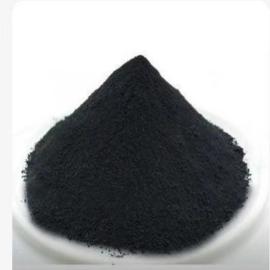
    Polyferric Sulfate (PFS for short) is a new type of high-efficiency inorganic polymer flocculant, prepared by advanced processes such as catalytic oxidation. Its molecular formula is (Fe₂(OH)ₙ(SO₄)₃₋ₙ/₂)ₘ (where n < 2 and m > 10). It appears in two forms: reddish-brown viscous liquid and light yellow powdery solid. It has core advantages such as high water purification efficiency, wide application range, economic cost, environmental friendliness and no secondary pollution. It is widely used in water treatment, light industry manufacturing, chemical production and other fields. The following is a comprehensive and detailed explanation from aspects such as the core characteristics, uses, specification parameters, quality standards, usage methods, packaging and storage, and multi-dimensional picture display of the product.
    Shop Polyferric sulfate, 10028-22-5, phosphorus remover, ferric sulfate as a flocculant for sewage treatment-Detailed Image 1
    I. Core Characteristics of the Product

    As a high-efficiency inorganic polymer flocculant, polyferric sulfate has the following significant characteristics compared with traditional iron salt and aluminum salt flocculants, which are the core advantages for its wide application in various fields:

    High-efficiency flocculation and rapid sedimentation: It has a high charge density of 150-180 meq/g. After hydrolysis, it generates a large number of polynuclear hydroxyl complex ions, which can quickly adsorb suspended particles and colloidal impurities in water, compress the colloidal electric double layer, and promote the impurities to coagulate into large and dense flocs (which can be formed in 30-60 seconds). The sedimentation speed reaches 12-18 m/h, which is 3-5 times faster than traditional ferric sulfate, greatly improving the water treatment efficiency.

    • Excellent phosphorus removal performance: It can chemically react with phosphate in water to form water-insoluble iron phosphate precipitates, with a total phosphorus removal rate as high as 95-99%. It is the preferred agent for upgrading and transforming municipal sewage treatment plants and removing phosphorus from aquaculture wastewater, and can effectively prevent the occurrence of water eutrophication (algal blooms, red tides)[3].

      Wide range of applications: It has an effective pH adaptation range of 3-11, can maintain more than 85% activity even at low temperatures (2℃), and can treat various water qualities such as acidic, neutral, and weakly alkaline water. Whether it is low-turbidity water, high-turbidity water, industrial wastewater, or domestic sewage, it can stably exert purification effects without the need for additional adjustment of water pH value.

    • Environmental protection economy, no secondary pollution: It does not contain harmful components such as aluminum and chlorine. The residual iron ion content in the treated water is low, and no secondary pollution will be generated; the sludge output is 30-40% less than that of aluminum salts, reducing the cost of sludge treatment; the cost per ton of water treatment can be saved by 0.05-0.12 yuan, with outstanding cost performance.

      Low corrosiveness, safe to use: The corrosiveness is 50% lower than that of ferric chloride, causing little loss to water treatment equipment and pipelines, and no special anti-corrosion measures are required during operation; at the same time, strong oxidizing hydroxyl radicals will be generated during the hydrolysis process, which also has a certain sterilization and disinfection effect, improving water quality safety [3].

      Multifunctional integration: In addition to the core flocculation and water purification, it also has functions such as decolorization, deodorization, complex breaking, and sludge conditioning. It can effectively remove chromaticity (decolorization rate 80%-98%) and peculiar smell in industrial wastewater, destroy complexes in electroplating wastewater, improve sludge dewatering performance, and adapt to multi-scenario needs [4].

    • II. Product Uses

      Thanks to its excellent performance, polyferric sulfate has applications in various fields such as water treatment, light industry manufacturing, chemical industry, and agriculture. The specific uses are as follows:

    (1) Water Treatment Field (Core Application)

    Shop Polyferric sulfate, 10028-22-5, phosphorus remover, ferric sulfate as a flocculant for sewage treatment-Detailed Image 2

    1. Drinking water treatment: Suitable for the purification of raw water such as reservoir water, river water, and groundwater. It can efficiently remove impurities in water such as sediment, humus, algae, and bacteria, with good flocculation and clarification effects. The treated water quality meets GB 5749-2022 "Standards for Drinking Water Quality". It is especially suitable for the purification treatment of low-temperature and low-turbidity water, and is a high-quality agent for drinking water pretreatment. It is necessary to select first-class products of drinking water grade[4][8].

    2. Municipal sewage treatment: mainly used for phosphorus removal, turbidity removal, decolorization, and COD removal in urban domestic sewage. For pollutants such as suspended impurities, organic debris, and phosphate in domestic sewage, it can quickly achieve solid-liquid separation, helping sewage treatment plants meet the effluent standards (in line with GB 18918 - 2002 "Discharge Standard of Pollutants for Municipal Wastewater Treatment Plant"). It is one of the core agents for upgrading and transforming municipal sewage treatment plants [3].


    3. Industrial wastewater treatment: Widely used in wastewater treatment for industries such as printing and dyeing, papermaking, electroplating, chemical engineering, metallurgy, coal washing, leather, spraying, and animal husbandry:

      Printing and dyeing wastewater: Removes dye pigments, suspended solids, and COD from wastewater, with a decolorization rate of 80%-98%. When used with a small amount of cationic PAM, the treatment effect is better;

      Electroplating wastewater: Acts as a coagulant and complex breaker, effectively treating stable complexes such as copper-ammonia complexes and removing heavy metal ions (such as copper, chromium, lead, etc.) from water;

      Papermaking wastewater: Removes pulp debris and suspended solids, improves wastewater chromaticity, and can also be used as a sludge conditioner to enhance sludge dewatering efficiency;

      Chemical and metallurgical wastewater: Removes heavy metal ions and suspended impurities from wastewater, reduces wastewater turbidity and COD, and helps enterprises discharge wastewater up to standard [4][7][9].

      Other water treatments: Including landscape water purification, landfill leachate treatment, aquaculture water (fish ponds, shrimp ponds) purification, etc., which can remove suspended solids in water, reduce ammonia nitrogen and phosphorus content, improve the water environment, and reduce the growth of bacteria [7].

      (2) Light Industry Manufacturing Field
      Shop Polyferric sulfate, 10028-22-5, phosphorus remover, ferric sulfate as a flocculant for sewage treatment-Detailed Image 3
      Pulp and Paper Industry: As an efficient deinking agent, in waste paper recycling processing, it can promote the rapid agglomeration and sedimentation of ink particles, realize the separation of pulp and ink, and improve the purity of recycled pulp; at the same time, it can be used as a papermaking wet-end additive to enhance the bonding force of paper fibers and improve the strength and stiffness of paper [7].

      Cellulose Product Processing: In the production of cellulose boards and fiber fabrics, as a modifier and bonding additive, it can improve the corrosion resistance, wear resistance and flame retardancy of products, enhance the forming performance of slurry, and improve the quality of products.

      (III) Chemical Engineering and Materials Field
      Shop Polyferric sulfate, 10028-22-5, phosphorus remover, ferric sulfate as a flocculant for sewage treatment-Detailed Image 4
    1. Dye industry: As a core raw material for the preparation of iron-based dyes (such as iron oxide red and iron oxide yellow), it can produce inorganic pigments with bright colors and strong weather resistance through modification reactions, which are widely used in textile dyeing, coating manufacturing, architectural decoration and other fields.

      Metal surface treatment: As a metal surface pretreatment agent, when prepared into a solution of specific concentration and applied or soaked on metal workpieces, it can form a dense protective film on the metal surface, isolating corrosive media such as air and moisture, preventing metal oxidation and rusting, and at the same time improving the adhesion of subsequent coatings [7].

      Other uses: In catalyst preparation, it is used as an iron source carrier to synthesize high-efficiency and environmentally friendly catalysts; in the field of battery materials, after purification and modification, it can be used as a precursor for cathode materials of lithium-ion batteries; in the agricultural field, it can be used as an additive for trace element fertilizers to supplement iron elements for plants and improve plant iron deficiency chlorosis symptoms [7].

    2. III. Product quality standards
    The product quality of polyferric sulfate strictly complies with the national standard GB/T 14591-2016 "Water Treatment Agent - Polyferric Sulfate" (officially implemented on July 1, 2017, replacing the original standard GB 14591-2006), and is also combined with the enterprise's internal control standards to ensure stable and reliable product quality. The specific quality standards are as follows:

    (1) Scope of Application of the Standard

    This standard applies to polyferric sulfate for water treatment (including liquid and solid forms), covering fields such as domestic drinking water treatment, industrial water treatment, wastewater treatment, and sludge treatment. Among them, first-class products can be used for domestic drinking water treatment, and qualified products are suitable for industrial water and non-drinking water treatment[6][8].

    (2) Quality Classification Requirements

    First-class products: Mainly used for domestic drinking water treatment. The raw materials must be ferrous sulfate (Class I products) and industrial sulfuric acid. Core indicators are strictly controlled, such as the total iron content in solid products ≥ 19.5%, arsenic content ≤ 0.0001%, and lead content ≤ 0.0002%, to ensure the safety of drinking water.

    Qualified products: Suitable for industrial water, industrial wastewater, and non-drinking water treatment. The allowable impurity content is slightly higher than that of first-class products, such as the total iron content in solid products ≥ 19.0%, arsenic content ≤ 0.0005%, and lead content ≤ 0.0010%, which can meet the needs of industrial purification.

    Enterprise internal control standards: On the basis of national standards, some indicators are further improved. For example, the total iron content of spray-grade solid polyferric sulfate is ≥ 23.0%, water insoluble matter is ≤ 1.0%, and the dissolution rate is more than 30% faster than that of ordinary solids, adapting to the needs of high-end industrial scenarios.

    (3) Inspection Rules

    Factory inspection: Before each batch of products leaves the factory, basic indicators such as appearance, total iron content, basicity, water insoluble matter, and pH value must be inspected. Only after passing the inspection and issuing an inspection report can the products leave the factory; each batch of products should be accompanied by a product certificate, indicating the product name, model, execution standard, production date, batch number, manufacturer, etc.

    Type inspection: When there are major changes in raw materials or production processes, or when one year has passed since normal production, a full inspection (including all physical and chemical indicators and hygiene indicators) must be carried out; if the type inspection is unqualified, production must be stopped immediately, problems must be identified, and re-inspection must be conducted. Production can only resume after passing the inspection.

    Sampling rules: For liquid products, samples must be randomly taken from different packages of each batch, with a sampling volume of not less than 1000mL; for solid products, samples are randomly taken from different packages (not less than 10 bags) of each batch, with a sampling volume of not less than 500g. After sampling, the samples are mixed evenly and divided into two parts, one for inspection and one for retention for future reference (retention period not less than 6 months).

    (4) Testing Method Standards

    The detection of various indicators strictly follows the methods specified in GB/T 14591-2016 to ensure accurate and reliable detection results. The core detection methods are as follows[6]:

    Total iron content: Potassium dichromate titration method, titanium trichloride method;

    Basicity: Sodium hydroxide titration method;

    Water insoluble matter: Filtration and drying method (dried at 105±2℃ to constant weight);

    pH value: pH meter determination method (1% aqueous solution, constant temperature at 25℃);

    Heavy metals (arsenic, lead, cadmium, mercury, etc.): Atomic absorption spectrometry, atomic fluorescence spectrometry, cold atomic absorption method;

    Ferrous ion content: Redox titration method;

    Density (liquid): Hydrometer determination method (20℃);

    Particle size (solid): Standard sieve sieving method.

    1. IV. Usage Methods and Precautions

      (1) Usage Methods

      Liquid polyferric sulfate: It can be directly dosed, or diluted 1-5 times according to water quality conditions before dosing; the dosage is adjusted according to the turbidity and pollutant concentration of the raw water. Generally, the dosage for domestic drinking water treatment is 10-30mg/L, for industrial wastewater treatment is 30-100mg/L, and for municipal wastewater treatment is 30-80mg/L. It is recommended to determine the optimal dosage through laboratory small-scale tests [7].

      Solid polyferric sulfate: It needs to be first formulated into a 10%-30% aqueous solution (stir evenly during dissolution to avoid caking), let it stand for dissolution for 30 minutes, and then dilute to an appropriate concentration according to water quality for dosing; spray-grade products have a faster dissolution rate, which can shorten the dissolution time to 15-20 minutes; after dosing, it is necessary to stir evenly to ensure full reaction between the agent and the water body, and after flocs are formed, let it stand for sedimentation or filter separation [7].

      Auxiliary use: When treating high-concentration and high-chroma industrial wastewater, a small amount of polyacrylamide (PAM) can be used in combination to improve the flocculation and sedimentation effect; when treating acidic wastewater, the pH value of the water body can be appropriately adjusted to 6-9 to optimize the purification effect [7].

      (2) Precautions

      Operators must wear protective equipment such as gloves, masks, and protective clothing to avoid contact of the agent with the skin and eyes; if contact is accidental, rinse immediately with plenty of water, and seek medical attention promptly in severe cases.

      The agent should be stored in a cool, dry, and ventilated place, away from fire sources and heat sources, and avoid direct sunlight; liquid products should avoid low-temperature freezing, and solid products should avoid moisture and caking.

      The agent must not be stored together with alkaline substances, flammable and explosive materials, so as to avoid reactions that affect product performance or cause safety hazards.

      Dosing equipment must be cleaned regularly to avoid residual agent caking, blocking pipelines or equipment; the storage period of liquid products shall not exceed 6 months, and that of solid products shall not exceed 1-2 years. Expired products must be re-inspected and can be used only after passing the inspection.

      For drinking water treatment, drinking water-grade (Type I) products must be selected. After dosing, it is necessary to ensure that the iron residue in the water meets the GB 5749-2022 standard to avoid affecting the taste and safety of drinking water.

    2. V. Packaging and Storage

      (1) Packaging Specifications

      Liquid Polyferric Sulfate:


      1. Shop Polyferric sulfate, 10028-22-5, phosphorus remover, ferric sulfate as a flocculant for sewage treatment-Detailed Image 5
      2. Small packaging: 25kg/plastic bucket (food-grade plastic, suitable for drinking water-grade products), 50kg/plastic bucket, with sealed bucket mouths to prevent leakage;

        Large packaging: 200kg/plastic bucket, 1000kg/ton bucket, or transported by tank truck (suitable for bulk purchases, tank trucks must be dedicated to avoid mixing with other chemicals);

        Packaging labels: Clearly mark information such as product name, model (Type Ⅰ/Type Ⅱ), implementation standards, total iron content, production date, batch number, manufacturer, warning signs (corrosive), storage requirements, etc.

        Solid polyferric sulfate:
      1. Shop Polyferric sulfate, 10028-22-5, phosphorus remover, ferric sulfate as a flocculant for sewage treatment-Detailed Image 6
      2. Ordinary packaging: 25kg/woven bag (with inner polyethylene plastic bag, double-layer packaging, moisture-proof and leak-proof), 50kg/woven bag;

        High-end packaging: 25kg/laminated woven bag (special for spray-grade products, with better moisture-proof performance), or customized packaging (according to customer needs);

        Packaging labeling: Clearly mark product name, model, implementation standard, total iron content, particle size, production date, batch number, manufacturer, warning signs, storage requirements and other information.

        (2) Storage requirements

        Storage environment: Cool, dry, ventilated, with temperature controlled at 5-35℃, avoiding direct sunlight, rain, and high-temperature exposure; liquid products need to take anti-freezing measures in winter to prevent freezing (freezing will affect product performance).

        Stacking requirements: The stacking height of solid products shall not exceed 10 layers to avoid extrusion and caking; when stacking liquid products, the barrel mouth shall be upward to avoid dumping and leakage, and keep a distance of more than 10cm from the ground and wall for ventilation.

        Shelf life: The shelf life of liquid products is 6 months, and that of solid products is 1-2 years (the shelf life of spray-grade products is 18 months); products that exceed the shelf life need to be re-inspected for various indicators, and can be used only if they are qualified; unqualified products are prohibited from use.

        Transportation requirements: Avoid collision, extrusion, exposure to sunlight and rain during transportation; avoid dumping and leakage of liquid products, and avoid moisture and damage of solid products; transport vehicles must have corresponding protective measures, stay away from fire sources and heat sources, and it is strictly forbidden to mix transportation with alkaline substances, flammable and explosive materials.

      3. VI. Summary of Product Advantages

        As a new type of high-efficiency inorganic polymer flocculant, polyferric sulfate has multiple advantages such as high efficiency, environmental protection, economy, and a wide range of applications. Compared with traditional flocculants, it has a faster flocculation speed, better phosphorus removal effect, less sludge production, and lower corrosivity. It can be widely adapted to the purification needs of multiple scenarios such as drinking water, municipal sewage, and industrial wastewater. At the same time, it can also be applied in fields such as light industry, chemical industry, and agriculture to achieve multi-functional utilization. The product quality strictly complies with national standards, with clear classification, standardized packaging, and convenient storage. It can provide customers with stable and cost-effective solutions for water purification and industrial additives, helping enterprises meet environmental protection standards, reduce costs and increase efficiency, and promote green and low-carbon development.
    (1) Water Treatment Field (Core Application)
    Domestic drinking water treatment: Suitable for the purification of raw water such as reservoir water, river water, and groundwater. It can efficiently remove impurities in water such as sediment, humus, algae, and bacteria, with good flocculation and clarification effects. The treated water quality meets GB 5749-2022 "Standards for Drinking Water Quality". It is particularly suitable for the purification of low-temperature and low-turbidity water, and is a high-quality agent for drinking water pretreatment. Drinking water grade first-class products should be selected[4][8].
    Municipal sewage treatment: Mainly used for phosphorus removal, turbidity removal, decolorization, and COD removal in urban domestic sewage. For pollutants such as suspended impurities, organic debris, and phosphate in domestic sewage, it can quickly achieve solid-liquid separation, helping sewage treatment plants meet the discharge standards (in line with GB 18918-2002 "Discharge Standards of Pollutants for Municipal Wastewater Treatment Plants"). It is one of the core agents for the upgrading and reconstruction of municipal sewage treatment plants[3].
    Industrial wastewater treatment: Widely used in wastewater treatment in industries such as printing and dyeing, papermaking, electroplating, chemical industry, metallurgy, coal washing, leather, spraying, and animal husbandry:
    Printing and dyeing wastewater: Removes dye pigments, suspended solids, and COD in wastewater, with a decolorization rate of 80%-98%. The treatment effect is better when used with a small amount of cationic PAM;
    Electroplating wastewater: As a coagulant and complex breaker, it effectively treats stable complexes such as copper-ammonia complexes and removes heavy metal ions in water (such as copper, chromium, lead, etc.);
    Papermaking wastewater: Removes pulp debris and suspended solids, improves the chromaticity of wastewater, and can also be used as a sludge conditioner to improve sludge dewatering efficiency;
    Chemical and metallurgical wastewater: Removes heavy metal ions and suspended impurities in wastewater, reduces wastewater turbidity and COD, and helps enterprises meet the standards for wastewater discharge[4][7][9].
    Other water treatments: Including landscape water purification, landfill leachate treatment, aquaculture water (fish ponds, shrimp ponds) purification, etc. It can remove suspended solids in water, reduce ammonia nitrogen and phosphorus content, improve the water environment, and reduce the breeding of pathogens[7].
    (III) Chemical and Materials Field
    Dye Industry: As a core raw material for preparing iron-based dyes (such as iron oxide red and iron oxide yellow), it can produce inorganic pigments with bright colors and strong weather resistance through modification reactions, which are widely used in textile dyeing, coating manufacturing, architectural decoration and other fields.
    Metal Surface Treatment: As a metal surface pretreatment agent, when formulated into a solution of specific concentration and applied or soaked on metal workpieces, it can form a dense protective film on the metal surface, isolating corrosive media such as air and moisture, preventing metal oxidation and rusting, and improving the adhesion of subsequent coatings [7].
    Other Uses: In catalyst preparation, it serves as an iron source carrier to synthesize high-efficiency and environmentally friendly catalysts; in the field of battery materials, after purification and modification, it can be used as a precursor for cathode materials of lithium-ion batteries; in the agricultural field, it can be used as an additive for trace element fertilizers to supplement iron elements for plants and improve iron deficiency chlorosis in plants [7].

    Basic Info
    Product Name:

    Ferric sulfate

    Other Name:

    Sulfuric acid,iron(3+) salt (3:2);Iron sulfate (Fe2(SO4)3);Ferric sulfate;Iron persulfate;Iron sesquisulfate;Iron(III) sulfate;Diiron trisulfate;Iron sulfate (2:3);Iron(3+) sulfate;Diiron(3+) sulfate;Amersep 5320;PIX 115;ViscoStat;FS-Pix;PIX 123;PIX 112;Stat Gel;497092-38-3;1299332-62-9

    CAS No.:

    10028-22-5

    Molecular Formula:

    Fe.3/2H2O4S

    InChIKeys:

    InChIKey=MVZXTUSAYBWAAM-UHFFFAOYSA-N

    Molecular Weight:

    399.88

    Exact Mass:

    399.725

    EC Number:

    233-072-9

    UNII:

    3HWS7HF5XD

    Categories:

    Flocculant

    Characteristics
    PSA:

    266

    XLogP3:

    -0.77660

    Appearance:

    Yellow-gray Powder

    Density:

    3.097 g/cm3 @ Temp: 18 °C

    Melting Point:

    480 °C (decomp)

    Boiling Point:

    101-118 °C @ Press: 760 Torr

    Water Solubility:

    soluble in water.Sparingly soluble in alcohol.Almost insoluble in acetone and ethyl acetate.Insoluble in sulfuric acid and ammonia.

    Storage Conditions:

    Store at RT.

    Toxicity:

    Peritoneal-mouse LD50: 168 mg/kg

    Flammability characteristics:

    Non-combustible; produces toxic iron and sulfur oxide fumes in the fire

    Hazard Identification

    Classification of the substance or mixture

    Corrosive to metals, Category 1

    Acute toxicity - Category 4, Oral

    Skin irritation, Category 2

    Serious eye damage, Category 1

    GHS label elements, including precautionary statements

    Pictogram(s)

    Signal word

    Danger

    Hazard statement(s)

    H302 Harmful if swallowed

    H315 Causes skin irritation

    H318 Causes serious eye damage

    Precautionary statement(s)
    Prevention

    P234 Keep only in original packaging.

    P264 Wash ... thoroughly after handling.

    P270 Do not eat, drink or smoke when using this product.

    P280 Wear protective gloves/protective clothing/eye protection/face protection/hearing protection/...

    Response

    P390 Absorb spillage to prevent material damage.

    P301+P317 IF SWALLOWED: Get medical help.

    P330 Rinse mouth.

    P302+P352 IF ON SKIN: Wash with plenty of water/...

    P321 Specific treatment (see ... on this label).

    P332+P317 If skin irritation occurs: Get medical help.

    P362+P364 Take off contaminated clothing and wash it before reuse.

    P305+P354+P338 IF IN EYES: Immediately rinse with water for several minutes. Remove contact lenses, if present and easy to do. Continue rinsing.

    P317 Get medical help.

    Storage

    P406 Store in a corrosion resistant/...container with a resistant inner liner.

    Disposal

    P501 Dispose of contents/container to an appropriate treatment and disposal facility in accordance with applicable laws and regulations, and product characteristics at time of disposal.

    Other hazards which do not result in classification

    no data available

    Handling and Storage

    Precautions for safe handling

    Handling in a well ventilated place. Wear suitable protective clothing. Avoid contact with skin and eyes. Avoid formation of dust and aerosols. Use non-sparking tools. Prevent fire caused by electrostatic discharge steam.

    Conditions for safe storage, including any incompatibilities

    Keep well closed and protected from light.

  • Seller Information
    Business Type:

    Manufactory

    Main Products:

    Polyacrylamide,Polyaluminum Chloride,Poly Ferric Sulfate,Aluminium Sulfate,Activated Carbon / Activated Charcoal,Quartz Sand Filter Media

    Location:

    No. 162, Shuanghe Village, Jiajinkou Town, Gongyi City

    Payment Terms:

    TT against copy of documents,D/P,L/C,100% TT in advance

    Year of Establishment:

    2014

    Certifications:

    trademark,Business License

    Henan Zhencheng Environmental Protection Technology Co., Ltd., founded in 2000, focuses on deep cultivation in the environmental protection field. It is mainly engaged in the whole-process services of production, sales, inspection, analysis and on-site commissioning of water treatment chemicals, water purifiers, activated carbon, filter media and fillers, and is committed to providing professional and efficient water treatment solutions for various industries.
    The company's main products cover multiple series, including:
    • Polyacrylamide (PAM)
    • Polyaluminum Chloride (PAC)
    • Poly Aluminum Ferric Chloride
    • Poly Ferric Sulfate (PFS)
    • Ferrous Sulfate
    • Activated Carbon
    • Filter Media
    • Fillers, etc.
    The company always adheres to the bottom line of quality. Its products strictly implement relevant national and industry standards, and adopt advanced production processes and testing equipment to ensure that each batch of products meets quality requirements. With stable and reliable product quality, the company's products are widely used in many core fields such as papermaking, printing and dyeing, sewage treatment, chemical industry, coal gas, metallurgy, urban construction and environmental protection, providing strong support for water purification and environmental governance in various industries.
    Over the years, the company has deeply cultivated the market and pursued innovation. Its products are sold to many countries and regions at home and abroad. With high-quality products and considerate services, it has won high praise and wide trust from global users, and its brand popularity and industry influence have steadily improved.
    Upholding the philosophy of "equality and mutual benefit, friendly cooperation and win-win development", Henan Zhencheng Environmental Protection Technology Co., Ltd. is willing to make acquaintances with friends from all walks of life at home and abroad, carry out comprehensive and in-depth cooperation in environmental protection engineering project construction, technical exchange, product promotion and other aspects, work together to purify water quality, protect the ecological environment, and build a beautiful home where man and nature live in harmony.
  • Inquiry History
    14 Inquiries
    Country Product Purchase Quantity Date Posted
    Germany

    Polyferric Sulfate

    500 TON Jun 14, 2024
    Philippines

    Ferric sulfate

    50 MT Feb 10, 2026
    Canada

    Ferric Sulfate pharma grade

    50 KG Oct 15, 2024
    Indonesia

    Ferric Sulfate

    20 TON Sep 6, 2024
    Democratic Republic of the Congo

    POLYFERRIC SULFATE PFS ACID PLANT CONSUMABLES

    12000 KG Jul 11, 2024
    Jordan

    ferric sulfate

    400 TON Nov 10, 2023
    South Korea

    Ferric sulfate

    100 KG Jul 19, 2023
    Australia

    Ferric Sulphate 21%

    1 20' Fcl Mar 9, 2026
    Philippines

    Ferric sulfate

    60 MT Feb 6, 2026
    Zambia

    FERRIC SULPHATE

    1.00 MT Sep 15, 2025
    Jordan

    Ferric sulphate granular

    400 MT Dec 18, 2023
    Azerbaijan

    Iron (III) Sulfate

    500.00 TON Sep 27, 2023
    Mongolia

    iron(iii)sulfate

    52 MT Aug 7, 2025
    Kazakstan

    Polyferric Sulfate

    7 MT Dec 23, 2025
    Post an enquiry for this product
pic ×

Scan the QR Code to Share

All products displayed on this website are only for non-medical purposes such as industrial applications or scientific research, and cannot be used for clinical diagnosis or treatment of humans or animals. They are not medicinal or edible.

According to relevant laws and regulations and the regulations of this website, units or individuals who purchase hazardous materials should obtain valid qualifications and qualification conditions.

The information shown above is provided by the enterprise itself, and the authenticity, accuracy and legitimacy of the content are the responsibility of the publishing company. ECHEMI does not bear any guarantee responsibility for this. Please be aware that risks in internet transactions objectively exist.

Feedback & Suggestions
Send Message

Thank you for your feedback. If you require further assistance, please contact us by email at info@echemi.com or call us at +86-532-55729510.