Product
Supplier
Encyclopedia
Inquiry
Home > Water Treatment Chemical > Flocculant > Polyacrylamide for Sale > High Ionicity CPAM, Ultra-high Efficiency Flocculation, Super Strong Dehydration (Nemesis for High-concentration Organic Wastewater Treatment)
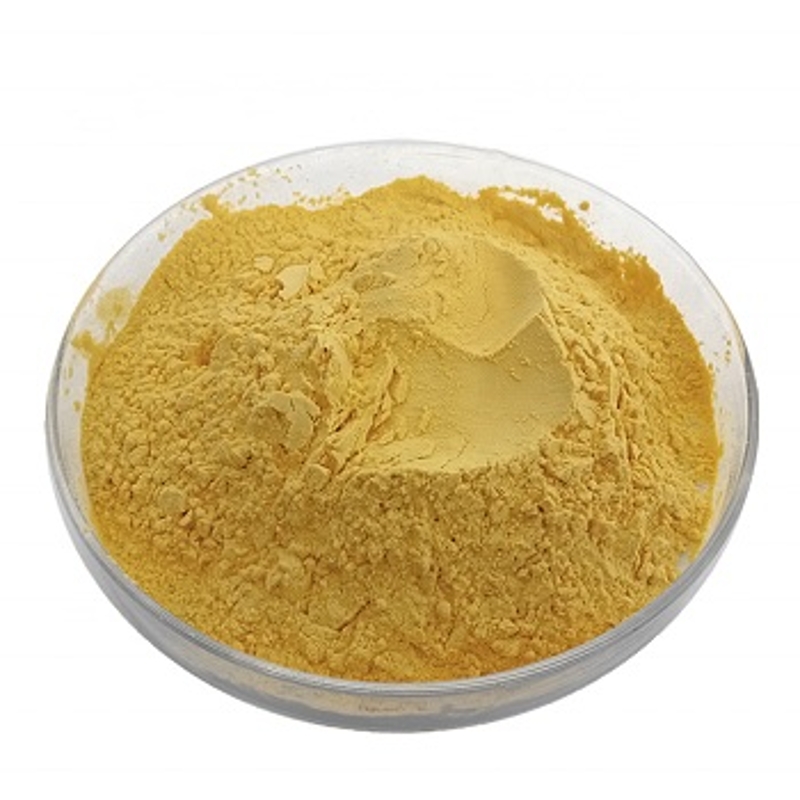
High Ionicity CPAM, Ultra-high Efficiency Flocculation, Super Strong Dehydration (Nemesis for High-concentration Organic Wastewater Treatment) buy - large image1
High Ionicity CPAM, Ultra-high Efficiency Flocculation, Super Strong Dehydration (Nemesis for High-concentration Organic Wastewater Treatment) buy - image1
High Ionicity CPAM, Ultra-high Efficiency Flocculation, Super Strong Dehydration (Nemesis for High-concentration Organic Wastewater Treatment) buy - image2
High Ionicity CPAM, Ultra-high Efficiency Flocculation, Super Strong Dehydration (Nemesis for High-concentration Organic Wastewater Treatment) buy - image3
High Ionicity CPAM, Ultra-high Efficiency Flocculation, Super Strong Dehydration (Nemesis for High-concentration Organic Wastewater Treatment) buy - image4
High Ionicity CPAM, Ultra-high Efficiency Flocculation, Super Strong Dehydration (Nemesis for High-concentration Organic Wastewater Treatment) buy - image5
High Ionicity CPAM, Ultra-high Efficiency Flocculation, Super Strong Dehydration (Nemesis for High-concentration Organic Wastewater Treatment) buy - image6

High Ionicity CPAM, Ultra-high Efficiency Flocculation, Super Strong Dehydration (Nemesis for High-concentration Organic Wastewater Treatment)

73 Inquiries

Unit Price:

$3235-3530/MT FOB

Get Latest Price
CAS No.:

9003-05-8

Grade:

Industrial Grade

Content:

90%

Port:

Qingdao Port

Brand:

zhencheng

Packaging:

25 kg is packed in PE plus kraft paper bags or composite film packaging

Price valid (until):

2026-06-30

Company Type:
Manufactory
Location:
China
Qualification:
Main Products:

Polyacrylamide,Polyaluminum Chloride,Poly Ferric Sulfate,Aluminium Sulfate,Activated Carbon / Activated Charcoal,Quartz Sand Filter Media

  • Product Description

  • Seller Information

  • Inquiry History

  • Description


    Comprehensive and Detailed Instruction Manual for High Ionicity Solid Cationic Polyacrylamide Product

    1. Core Overview of the Product

    1.1 Basic Definition of the Product

    High ionic solid cationic polyacrylamide (referred to as CPAM in English) is a linear polymer synthesized by the copolymerization of acrylamide monomers and cationic active monomers (such as quaternary ammonium salt monomers), and belongs to the category of water-soluble organic polymer flocculants. The core feature of the product is that the molecular chain carries a high density of positive charges, with an ionicity index > 40%. Different from similar products with low and medium ionicity, it has strong electrical neutralization, adsorption bridging and sludge dewatering properties. It is a core high-efficiency additive in the fields of water treatment, sludge disposal, papermaking, etc. The mainstream products on the market are in the form of white/light yellow solid particles or powders, which have the core advantages of easy storage, convenient transportation and high flocculation efficiency.

    Shop High Ionicity CPAM, Ultra-high Efficiency Flocculation, Super Strong Dehydration (Nemesis for High-concentration Organic Wastewater Treatment)-Detailed Image 1

    1.2 Core Identification of the Product

    • Chemical name: Cationic Polyacrylamide (High Ionic Degree Type)

    • English name: High Ionic Degree Solid Cationic Polyacrylamide

    • CAS No.: 9003-05-8

    • Implementation standard: GB/T 31246-2014 "Water Treatment Agent - Cationic Polyacrylamide"

    • Product models: Subdivided by ionic degree, the mainstream ones are high ionic degree specifications of 45%, 50%, 55%, and 60%, which can be customized according to needs.
    • II. Core Characteristics and Performance Advantages of the Product

      2.1 Physical and Chemical Characteristics

      • Appearance and form: White or slightly yellow uniform granules/powder, no visible impurities to the naked eye, no caking. Granular products have regular particle sizes, powder products meet the fineness standard, and the amount of dust is controllable;

      • Solubility: Soluble in cold water and warm water, insoluble in organic solvents such as ethanol and acetone. It can be completely dissolved by stirring at a constant speed for 30-60 minutes at room temperature. After dissolution, it forms a transparent and viscous liquid with no residual particles.

      • Charge characteristics: The molecular chain carries high-density quaternary ammonium salt cationic groups, with high positive charge density. It has extremely strong adsorption capacity for negatively charged colloids, organic substances, and sludge particles, and the effect of electrical neutralization and gel breaking is significant.

      • Stability: The solid product is stable in storage under normal temperature and dry conditions, not easy to degrade, and not easy to absorb moisture and agglomerate; the stability of the aqueous solution is moderate, and it is best to prepare and use it immediately to avoid degradation caused by long-term standing.

      • pH adaptability: Suitable for water quality with a pH range of 3.0-10.0, with optimal performance in neutral and weakly alkaline environments. It is resistant to weak acids and weak alkalis, and is suitable for most industrial wastewater and municipal sewage treatment scenarios.
      • 2.2 Core Performance Advantages

        • Efficient flocculation: Quickly adsorbs negatively charged colloidal particles in water, breaks the stability of colloids, forms large and dense flocs, with fast sedimentation speed and high clarity of the supernatant.

        • Super strong dehydration: For high-organic-matter sludge such as municipal sludge, printing and dyeing sludge, and papermaking sludge, it can make the flocculent have excellent water filterability, and is suitable for various dehydrators such as belt type, plate and frame type, and centrifugal type. The moisture content of the sludge can be reduced to 60%-75%.

        • Dosage saving: High charge density, the dosage per unit processing capacity is much lower than that of conventional flocculants, reducing the cost of chemical procurement and dosing.

        • Strong adaptability: It can be used in combination with inorganic flocculants such as polyaluminum chloride and polyferric sulfate, synergistically improving the treatment effect and expanding the range of water quality adaptation.

        • Environmentally friendly and harmless: The residual monomer content of the product is extremely low, the water quality after treatment meets the standards, the sludge has no secondary pollution, and it complies with environmental protection control requirements.
        • III. Product Specification Parameters (Exclusive for High Ionicity)

          3.1 Core Technical Parameters

          Parameter Items
          45% ionic degree
          50% ionic degree
          55% ionic degree
          60% ionic degree
          Range of General Indicators
          Cationic Degree (%)Cationic Degree (%)
          43-47
          48-52
          53-57
          58-62
          >40 (definition of high ionic degree)
          Molecular Weight (10,000)
          800-1000
          800-1000
          700-900
          700-900
          700-1000
          Solid Content (%) ≥
          90
          90
          90
          90
          90
          Dissolution time (min) ≤
          50
          55
          55
          60
          60 (0.1% aqueous solution)
          Free monomer (%) ≤
          0.05
          0.05
          0.05
          0.05
          0.05
          Water-insoluble substances (%) ≤
          0.2
          0.2
          0.2
          0.2
          0.2
          Applicable pH range
          3.5-9.5
          3.5-9.5
          3.0-10.0
          3.0-10.0
          3.0-10.0
          Particle Size (Mesh)
          80-120
          80-120
          80-120
          80-120
          80-120 (granule/powder)

    3.2 Parameter Description

    1. Ionicity: A core performance indicator, representing the proportion of cationic active groups in the molecular chain. The higher the ionicity, the greater the positive charge density, and the stronger the ability to treat high-organic-matter negatively charged materials. It is suitable for scenarios such as high-difficulty sludge dewatering and high-concentration organic wastewater treatment;
     
    2. Molecular weight: Affects floc strength. When the molecular weight is moderate, the flocs are dense and not easy to break, balancing the sedimentation speed and dehydration effect. The molecular weight of high-ionicity products is slightly lower than that of medium and low-ionicity ones, which is an optimal adaptation for charge density.
     
    3. Dissolution time: refers to the time required for a 0.1% concentration aqueous solution to completely dissolve without residual particles under the conditions of normal temperature (25℃) and a stirring speed of 100-200r/min. If it is not dissolved within the time limit, "fish-eye" agglomeration is likely to occur, which affects the use effect;
     
    4. Free monomers: Strictly controlled index, with a content ≤ 0.05% that meets national standards and environmental protection requirements, avoiding secondary pollution to water bodies and sludge, and ensuring safety in use.

    IV. Product Quality Standards (National Standards + Enterprise Internal Control)

    4.1 Mandatory requirements of national standards (GB/T 31246-2014)

    • Appearance: White or slightly yellow granules/powder, with no obvious mechanical impurities;
    •  
    • Solid content: ≥90%, ensuring sufficient active ingredients in the product and avoiding the inclusion of ineffective fillers.
    •  
    • Dissolution time: 0.1% aqueous solution ≤ 60min, ensuring the efficiency of on-site dosing operations.
    •  
    • Intrinsic viscosity: 4.0-15.0dL/g, indicating that the molecular weight and degree of polymerization of the product meet the standards.
    •  
    • Free acrylamide monomer: ≤0.05%, meeting environmental protection and health safety requirements.
    •  
    • Water-insoluble substances: ≤0.2%, reducing the risk of equipment blockage and pipeline residue, and improving the utilization rate of chemicals.

    • Shop High Ionicity CPAM, Ultra-high Efficiency Flocculation, Super Strong Dehydration (Nemesis for High-concentration Organic Wastewater Treatment)-Detailed Image 2 Shop High Ionicity CPAM, Ultra-high Efficiency Flocculation, Super Strong Dehydration (Nemesis for High-concentration Organic Wastewater Treatment)-Detailed Image 3
    • 4.2 Enterprise Internal Control Quality Standards (Higher than National Standards, Ensuring High-end Applications)

      • Degree of ionicity deviation: within ±2%, to avoid the loss of control of dosage and unstable treatment effect caused by fluctuations in the degree of ionicity.
      •  
      • Viscosity of aqueous solution: The viscosity of 0.2% concentration aqueous solution is ≥300 mPa·s, ensuring that the flocculation and thickening properties meet the standards.
      •  
      • Sludge dewatering rate: For municipal biochemical sludge, the moisture content of floc cake is ≤70%, and the dewatering effect meets the standard.
      •  
      • Storage stability: When stored at room temperature and in a dry environment for 12 months, the solid content and ionic degree decay by ≤1%, and there is no significant decrease in performance;
      •  
      • Impurity content: Heavy metal ions (lead, cadmium, mercury, etc.) ≤ 1mg/kg, meeting the requirements for hazardous waste management and resource utilization.
      • 4.3 Quality Inspection Rules

        1. Factory inspection: Each batch of products must undergo testing for five core indicators: appearance, solid content, dissolution time, free monomers, and water-insoluble substances. Only qualified products can leave the factory, accompanied by a product quality inspection report.
         
        2. Formal inspection: Conduct a full range of indicator tests every six months or when there are significant changes in raw materials or production processes, covering all requirements of national standards and enterprise internal control indicators to ensure long-term compliance of products;
         
        3. Sampling rules: Implemented in accordance with the provisions of GB/T 6678, random sampling is adopted, with a sampling quantity of not less than 500g. The sample is divided into two parts: one part for testing, and the other part for retention and future reference, with a retention period of 6 months.

        V. Core Uses and Application Scenarios of the Product

        5.1 Core Usage Positioning

        High-ionicity solid cationic polyacrylamide mainly focuses on solid-liquid separation in high-organic-matter anionic systems, with core applications in deep sludge dewatering and high-concentration organic wastewater treatment, while also catering to special scenarios such as papermaking, mineral processing, and oil fields. It is a specialized and high-efficiency agent for solving difficult water treatment and sludge disposal problems. Unlike medium and low-ionicity products, it is more suitable for complex and harsh water quality conditions and high-requirement disposal standards.

        5.2 Detailed Explanation of Subdivided Application Scenarios

        5.2.1 Deep Sludge Dewatering (Core Key Scenario)

        • Municipal sludge dewatering: Suitable for biochemical excess sludge from urban sewage treatment plants. The high-ionicity charge quickly neutralizes the negative charge of the sludge, forming dense flocs. When used in conjunction with belt, plate-and-frame, and centrifugal dewatering machines, the moisture content of the sludge is reduced from over 95% to 60%-70%, significantly reducing the sludge volume and lowering the costs of landfill, incineration, and composting disposal.

        • Industrial sludge dewatering: For high-organic-matter sludge from printing and dyeing, papermaking, slaughtering, food processing, chemical industry, etc., it breaks the colloidal stability of sludge, solves the problems of poor dehydration effect of conventional flocculants, high moisture content of filter cakes, and filter cloth sticking, and is suitable for various industrial sludge disposal lines;

        • Special sludge treatment: For sludges containing complex organic substances such as electroplating sludge, pharmaceutical sludge, and landfill leachate sludge, it can achieve efficient flocculation and dehydration, meeting the requirements for reduction and harmless disposal of hazardous waste sludge.

        Shop High Ionicity CPAM, Ultra-high Efficiency Flocculation, Super Strong Dehydration (Nemesis for High-concentration Organic Wastewater Treatment)-Detailed Image 4

        5.2.2 Treatment of High-Concentration Organic Wastewater

        • Municipal sewage treatment: Used for advanced treatment of secondary biochemical effluent from municipal sewage, removing residual colloids, organic matter, and total phosphorus, improving the quality of effluent water, and helping to meet discharge standards.

        • Industrial organic wastewater: For dyeing wastewater (decolorization and turbidity removal), papermaking wastewater (COD reduction), slaughterhouse wastewater (protein removal), and food processing wastewater (suspended solids removal), the flocculation effect is better than that of conventional agents. The effluent is clear and can be reused or discharged up to standard.

        • Landfill leachate treatment: In the pretreatment stage, flocculation is used to remove macromolecular organic substances and colloidal impurities, reduce the load of subsequent biochemical treatment, and improve the efficiency of leachate treatment.

        • Shop High Ionicity CPAM, Ultra-high Efficiency Flocculation, Super Strong Dehydration (Nemesis for High-concentration Organic Wastewater Treatment)-Detailed Image 5
        • 5.2.3 Special for Paper Industry

          • Retention and drainage aids: Adsorb pulp fibers and fillers, improve the retention rate of fine fibers, reduce raw material loss, accelerate the water filtering speed of the wire section, and enhance the efficiency of the papermaking production line.

          • Paper dry strength agent: Enhances the bonding force between paper fibers, improves the dry strength and folding endurance of paper, enhances paper quality, and reduces the breakage rate of paper products.
          • Shop High Ionicity CPAM, Ultra-high Efficiency Flocculation, Super Strong Dehydration (Nemesis for High-concentration Organic Wastewater Treatment)-Detailed Image 6
          • 5.2.4 Other Special Applications

            • Mining beneficiation industry: Treatment of beneficiation wastewater from non-ferrous metals and non-metallic minerals, flocculation of mineral sludge particles, clarification of water quality, and realization of wastewater reuse;

            • Oilfield exploitation: Oilfield profile control and water plugging, drilling mud treatment. Utilizing flocculation and thickening properties to block high-permeability channels in the formation and improve crude oil recovery.

            • Textile printing and dyeing: Dye fixation, decolorization of printing and dyeing wastewater, improvement of dye uptake rate, reduction of dye loss, and lowering of wastewater chromaticity.

            • Shop High Ionicity CPAM, Ultra-high Efficiency Flocculation, Super Strong Dehydration (Nemesis for High-concentration Organic Wastewater Treatment)-Detailed Image 7

            • Shop High Ionicity CPAM, Ultra-high Efficiency Flocculation, Super Strong Dehydration (Nemesis for High-concentration Organic Wastewater Treatment)-Detailed Image 8
            • VI. Product Usage Methods and Operation Specifications

              6.1 Dissolution Operation Specifications (Core Steps)

              High-ionicity CPAM is strictly prohibited from being directly added as dry powder. It needs to be prepared into an aqueous solution in advance for use. The specific process is as follows:
               
              1. Water for dissolution: Tap water or softened water should be used; water with high salinity, strong acidity, or strong alkalinity should be avoided. The water temperature should be controlled between 20-40°C. If the water temperature is too low, dissolution will be slow; if it is too high (>60°C), it will damage the molecular chains and reduce the product performance.
              2.  
              3. Preparation concentration: The standard concentration is 0.1%-0.3%, and it can be increased to 0.3%-0.5% for high-difficulty treatment scenarios. If the concentration is too high, it is easy to agglomerate; if it is too low, the dosage will be too large, increasing energy consumption.
              4.  
              5. Stirring operation: Add a fixed amount of clean water to the dissolution tank, turn on the stirrer, adjust the rotation speed to 100-200r/min (excessively high rotation speed will shear the molecular chains, while excessively low rotation speed may easily cause agglomeration), slowly and evenly sprinkle the product dry powder, stir while sprinkling, and avoid large amounts of feeding at one time;
              6.  
              7. Dissolution time: Stir continuously for 30-60 minutes until the solution becomes transparent and viscous, with no visible particles or agglomerates to the naked eye. After complete dissolution, let it stand for 5-10 minutes before adding.
              8.  
              9. Solution Storage: The dissolved aqueous solution must be used up within 24 hours. Avoid prolonged standing, as it may degrade and become ineffective. It is strictly prohibited to store it together with strong oxidants and ferric salt substances.
              10. 6.2 Dosing Operation Specifications

                • Dosing method: Use a metering pump for continuous and uniform dosing. Avoid intermittent large-dose dosing to ensure sufficient mixing of the agent with wastewater/sludge.
                •  
                • Reference dosage: Sludge dewatering: 5-15g/ton of absolutely dry sludge; Wastewater treatment: 3-10mg/L (3-10g/ton of wastewater); The specific dosage needs to be determined through on-site small-scale tests to avoid floc re-dispersion caused by excessive dosage.
                •  
                • Compound use: When compounded with inorganic flocculants (PAC, PFS), first add the inorganic agent, stir and react for 5-10 minutes, then add the CPAM aqueous solution to synergistically improve the flocculation effect and reduce the dosage of agents.
                •  
                • Small-scale test process: Take 1L of water sample/sludge to be treated, add different doses of CPAM solution in sequence, stir and observe the floc formation speed, sedimentation effect, and transparency of the supernatant to determine the optimal dosage.
                • 6.3 Safety Operation Precautions

                  • Wear gloves and masks during operation to avoid direct contact of dry powder with skin and eyes. If contact occurs accidentally, rinse immediately with plenty of water.
                  •  
                  • The dissolving equipment must be well-sealed to reduce dry powder dust, and the workplace should be kept ventilated and dry.
                  •  
                  • It is strictly prohibited to store or dissolve this product together with anionic polyacrylamide or strong oxidants to prevent the product from becoming ineffective;
                  •  
                  • Regularly clean the dissolving tank and dosing pipes to prevent residual chemicals from caking and clogging the equipment.
                  • VII. Product Packaging, Transportation, Storage and Preservation Specifications

                    7.1 Packaging Specifications (Multi-dimensional Adaptation Requirements)

                    • Regular packaging: 25kg/bag, with a high-pressure polyethylene plastic bag as the inner lining and a polypropylene woven bag as the outer layer, featuring moisture resistance, damage resistance, and strong sealing performance.
                    •  
                    • Large packaging: 500kg/bag, 1000kg/bag, suitable for large-scale industrial procurement, and convenient for forklift loading and unloading as well as warehouse stacking;
                    •  
                    • Packaging Marking: The bag clearly indicates information such as product name, model, ionicity, net content, execution standard, production date, batch number, manufacturer, shelf life, and safety warnings. The marking is clear and not easy to fall off.

                    • Shop High Ionicity CPAM, Ultra-high Efficiency Flocculation, Super Strong Dehydration (Nemesis for High-concentration Organic Wastewater Treatment)-Detailed Image 9
                    • 7.2 Transportation Specifications

                      • Transportation vehicles must be clean and dry. They should avoid exposure to sunlight, rain, and moisture. It is strictly prohibited to transport the product together with strong oxidants, acids, alkalis, and flammable and explosive materials.
                      •  
                      • Handle with care during loading and unloading to avoid damage to the packaging bags and spillage of the product. The loading and unloading of ton bags must be operated in a standardized manner to prevent falling.
                      •  
                      • Keep the transportation process stable, avoid severe jolts and excessive stacking pressure, and ensure the packaging remains intact.

                      • Shop High Ionicity CPAM, Ultra-high Efficiency Flocculation, Super Strong Dehydration (Nemesis for High-concentration Organic Wastewater Treatment)-Detailed Image 10 Shop High Ionicity CPAM, Ultra-high Efficiency Flocculation, Super Strong Dehydration (Nemesis for High-concentration Organic Wastewater Treatment)-Detailed Image 11
                      • VIII. Common Problems and Solutions

                        Frequently Asked Questions
                        Causes of the problem
                        Solution
                        Caking and fisheyes appear during dissolution
                        Adding materials too quickly, insufficient stirring speed, too low water temperature
                        Feed slowly and evenly, adjust the stirring speed to 100-200r/min, and raise the water temperature to 20-40℃
                        Loose flocs, slow sedimentation
                        Insufficient dosage, mismatched ionicity, incompatible water pH
                        Increase the dosage, replace with a product with suitable ionic degree, and adjust the water pH to 3-10
                        High moisture content after sludge dewatering
                        Low ionic degree, improper dosage, mismatched parameters of dehydration equipment
                        Select products with higher ionicity, optimize the dosage, and adjust the rotation speed and pressure of the dehydrator
                        The viscosity of the aqueous solution decreases rapidly
                        Excessively high dissolving water temperature, excessively long storage time, and mixing with impurities
                        Control the water temperature to be ≤ 40℃, use it up within 24 hours, and avoid mixing in impurities.

                        IX. Product Compliance and Environmental Protection Instructions

                        This product strictly complies with the national standard GB/T 31246-2014. All indicators meet the requirements of environmental protection control. The contents of residual monomers and heavy metals are far lower than the limit values. The treated water quality and sludge have no secondary pollution, and can be safely used in various municipal and industrial water treatment scenarios. The product packaging is recyclable, and there are no environmental risks during storage and transportation, which meets the industry development requirements of green environmental protection and low-carbon emission reduction.

                        Note: All parameters and uses in this instruction manual are based on laboratory tests and on-site practical operation verification. Due to differences in water quality and sludge characteristics in various scenarios, it is recommended to conduct small-scale tests before actual use to determine the optimal dosage plan and ensure the maximum performance of the product.

    Basic Info
    Product Name:

    Polyacrylamide

    Other Name:

    2-Propenamide,homopolymer;Acrylamide,polymers;Acrylamide polymer;Polyacrylamide;Cyanamer P 250;PAA 1;Sumirez A 27;Pamid;Cyanamer P 35;Sumirez A 17;PAM 50;Solvitose 433;American Cyanamid KPAM;Aminogen PA;AP 273;Dow ET 597;Dow J 100;ET 597;J 100 (polymer);K-PAM;PAM;Cytame 5;P 300 (polyacrylamide);Sursolan P 5;Sanpoly A 520;P 250 (polymer);PAM (homopolymer);American Cyanamid P 250;Himoloc OK 507;J 100;P 250;Acrylamide homopolymer;Himoloc SS 200;Praestol 2800;Versicol W 11;PAA 70L;Polyacrylamide resin;Stokopol D 2624;Flygtol GB;K 4 (acrylic polymer);Gelamide 250;Dow 164;Diaclear MA 3000H;Migunon NS;Calgon 470;K 4;Calgon 800;Plex 4847D;Nalco Lp 3033;Solidokoll K;Polysic;Polymerset C 305;Aron F 40;TY 007;Versicol W 25;DP 1916;Cogum 25H;Polystron 117;KAL 13;Stargum AD-S;P 300;Texapret AM;Polystron 194-7;Get-Down;Nalco 7871;Versicol WN 15;Zonen A;Viterra II;NL;X-Coat P 130C;Sepaflux CE 5174;Praestol 2810/73;Boze Floc N 46BT;Polias 320;GPA-u;AMF;38F;Hiset P 700;Alcoflood 1175;Cogum 20P;Magnifloc 900N;Hiset P 700SN;Praestol 6000;2J;Versicol W 17;KW 677;Polyhall 2J;Nalco 8871;Percol 333;Polyhall 5J;Diaclear MN 3000H;Polyacron KR 143;BanDrift;Sedipur TF;Sedipur TF 514;PC 305;Tulsepar PNS 1;Seabetter AD;Formula 358;Santac SP 66;Mirbane 301;Santac SP 67;DK Dry Capsule ESP;Polystron 191;X-Coat P 180S;E 936;Polystron 145;Pomosist 117;Cyanamer N 300LMW;DP 9-6193;Sumifloc FN 10H;Instar NS;9082-06-8;12624-24-7;25038-45-3;27754-57-0;31566-42-4;33338-03-3;39355-07-2;39387-77-4;51312-40-4;57679-11-5;68247-81-4;72270-86-1;79079-15-5;104981-89-7;114265-35-9;122177-63-3;124262-35-7;129774-19-2;133522-77-7;143180-09-0;143180-13-6;143180-22-7;143749-07-9;200138-95-0;210353-85-8;223905-39-3;443682-77-7;449742-46-5;1226898-28-7;1229457-12-8;1400274-08-9;1621105-90-5;1621105-93-8;2098539-70-7;2113610-86-7

    CAS No.:

    9003-05-8

    Molecular Formula:

    (C3H5NO)x

    InChIKeys:

    InChIKey=HRPVXLWXLXDGHG-UHFFFAOYSA-N

    Molecular Weight:

    71.07790

    Exact Mass:

    71.03710

    EC Number:

    201-173-7

    HScode:

    3906901000

    Categories:

    Flocculant

    Characteristics
    PSA:

    43.09000

    XLogP3:

    0.35800

    Appearance:

    Acrylamide appears as white crystalline solid shipped either as a solid or in solution. A confirmed carcinogen. Toxic by skin absorption. Less dense than water and soluble in water. May be toxic by ingestion. Used for sewage and waste treatment, to make dyes, adhesives. The solid is stable at room temperature, but upon melting may violently polymerize. Toxic, irritating to skin, eyes, etc.

    Density:

    1.3 g/cm3

    Melting Point:

    246 °C

    Boiling Point:

    347-572°F (Decomposes)

    Flash Point:

    >230 °F

    Refractive Index:

    n20/D 1.452

    Water Solubility:

    H2O: soluble

    Storage Conditions:

    Refrigerator

    Vapor Pressure:

    Vapour pressure, Pa at 25°C: 0.9

    Vapor Density:

    Relative vapour density (air = 1): 2.45

    Toxicity:

    LD50 oral in rabbit: 11250mg/kg

    Flammability characteristics:

    Combustible Solid (may also be dissolved in flammable liquids).

    Explosive limit:

    A VIOLENT EXPLOSION OCCURRED DURING COMMON LAB PROCEDURE OF DISSOLVING ELECTROPHORESIS POLYACRYLAMIDE GELS WITH H2O2, IN ORDER TO MEASURE RADIOACTIVE SPECIES BY SCINTILLATION COUNTING.

    Odor:

    Odorless

    PH:

    pH = 5.0-6.5 /50% aqueous solution/

    Hazard Identification

    Classification of the substance or mixture

    Not classified.

    GHS label elements, including precautionary statements

    Pictogram(s) No symbol.
    Signal word

    No signal word

    Hazard statement(s)

    none

    Precautionary statement(s)
    Prevention

    none

    Response

    none

    Storage

    none

    Disposal

    none

    Other hazards which do not result in classification

    no data available

    Handling and Storage

    Precautions for safe handling

    Handling in a well ventilated place. Wear suitable protective clothing. Avoid contact with skin and eyes. Avoid formation of dust and aerosols. Use non-sparking tools. Prevent fire caused by electrostatic discharge steam.

    Conditions for safe storage, including any incompatibilities

    Store the container tightly closed in a dry, cool and well-ventilated place. Store apart from foodstuff containers or incompatible materials.

  • Seller Information
    Business Type:

    Manufactory

    Main Products:

    Polyacrylamide,Polyaluminum Chloride,Poly Ferric Sulfate,Aluminium Sulfate,Activated Carbon / Activated Charcoal,Quartz Sand Filter Media

    Location:

    No. 162, Shuanghe Village, Jiajinkou Town, Gongyi City

    Payment Terms:

    TT against copy of documents,D/P,L/C,100% TT in advance

    Year of Establishment:

    2014

    Certifications:

    trademark,Business License

    Henan Zhencheng Environmental Protection Technology Co., Ltd., founded in 2000, focuses on deep cultivation in the environmental protection field. It is mainly engaged in the whole-process services of production, sales, inspection, analysis and on-site commissioning of water treatment chemicals, water purifiers, activated carbon, filter media and fillers, and is committed to providing professional and efficient water treatment solutions for various industries.
    The company's main products cover multiple series, including:
    • Polyacrylamide (PAM)
    • Polyaluminum Chloride (PAC)
    • Poly Aluminum Ferric Chloride
    • Poly Ferric Sulfate (PFS)
    • Ferrous Sulfate
    • Activated Carbon
    • Filter Media
    • Fillers, etc.
    The company always adheres to the bottom line of quality. Its products strictly implement relevant national and industry standards, and adopt advanced production processes and testing equipment to ensure that each batch of products meets quality requirements. With stable and reliable product quality, the company's products are widely used in many core fields such as papermaking, printing and dyeing, sewage treatment, chemical industry, coal gas, metallurgy, urban construction and environmental protection, providing strong support for water purification and environmental governance in various industries.
    Over the years, the company has deeply cultivated the market and pursued innovation. Its products are sold to many countries and regions at home and abroad. With high-quality products and considerate services, it has won high praise and wide trust from global users, and its brand popularity and industry influence have steadily improved.
    Upholding the philosophy of "equality and mutual benefit, friendly cooperation and win-win development", Henan Zhencheng Environmental Protection Technology Co., Ltd. is willing to make acquaintances with friends from all walks of life at home and abroad, carry out comprehensive and in-depth cooperation in environmental protection engineering project construction, technical exchange, product promotion and other aspects, work together to purify water quality, protect the ecological environment, and build a beautiful home where man and nature live in harmony.
  • Inquiry History
    73 Inquiries
    Country Product Purchase Quantity Date Posted
    Philippines

    Polyacrylamide (PAM) 100% white powder CAS 9003-05-8

    500 KG Sep 11, 2023
    Switzerland

    Fast Delivery Petrochemical Materials Anionic Polyacrylamide Pam Polymer CAS 9003-05-8 EU UK

    20000 MT Sep 1, 2023
    Malaysia

    Polyacrylamide

    1.00 KG Apr 30, 2026
    India

    Cationic Polyacrylamide (C-PAM HM) – Liquid

    8000 MT May 14, 2026
    Turkey

    Polyelectrolyte

    100 MT Jan 29, 2024
    India

    Poly acrylamide (Antiscalant)

    50.00 KG Feb 29, 2024
    India

    Cationic Polyelectrolyte Powder

    25.00 KG Sep 8, 2023
    India

    Poly Acrylamide

    750 KG Mar 24, 2025
    India

    Poly Acrylamide ( PAM )

    750.00 KG Mar 26, 2025
    India

    Anionic Polyacrylamide

    300 KG Apr 21, 2025
    Mexico

    Polyacrylamide

    10 TON Nov 23, 2023
    India

    Anionic Polyelectrolyte

    100.00 KG May 21, 2026
    India

    Polyacrylamide

    1.00 KG Apr 27, 2026
    India

    Polyacrylamide

    10.00 MT Apr 27, 2026
    Philippines

    Polyacrylamide

    1 MT Feb 27, 2026
    Saudi Arabia

    Polyacrylamide

    1.00 KG Jan 6, 2026
    Pakistan

    PARTIALLY HYDROLYZED POLY ACRYLAMIDE

    50 MT Jan 5, 2026
    Georgia

    Anionic Polyacrylamide (Anionic Poly)

    1500 KG Dec 8, 2025
    United Arab Emirates

    Polyacrylamide

    3000 KG Nov 24, 2025
    Egypt

    Poly aclyrimide

    1.00 20' Fcl Oct 9, 2025
    Post an enquiry for this product
pic ×

Scan the QR Code to Share

All products displayed on this website are only for non-medical purposes such as industrial applications or scientific research, and cannot be used for clinical diagnosis or treatment of humans or animals. They are not medicinal or edible.

According to relevant laws and regulations and the regulations of this website, units or individuals who purchase hazardous materials should obtain valid qualifications and qualification conditions.

The information shown above is provided by the enterprise itself, and the authenticity, accuracy and legitimacy of the content are the responsibility of the publishing company. ECHEMI does not bear any guarantee responsibility for this. Please be aware that risks in internet transactions objectively exist.

Feedback & Suggestions
Send Message

Thank you for your feedback. If you require further assistance, please contact us by email at info@echemi.com or call us at +86-532-55729510.