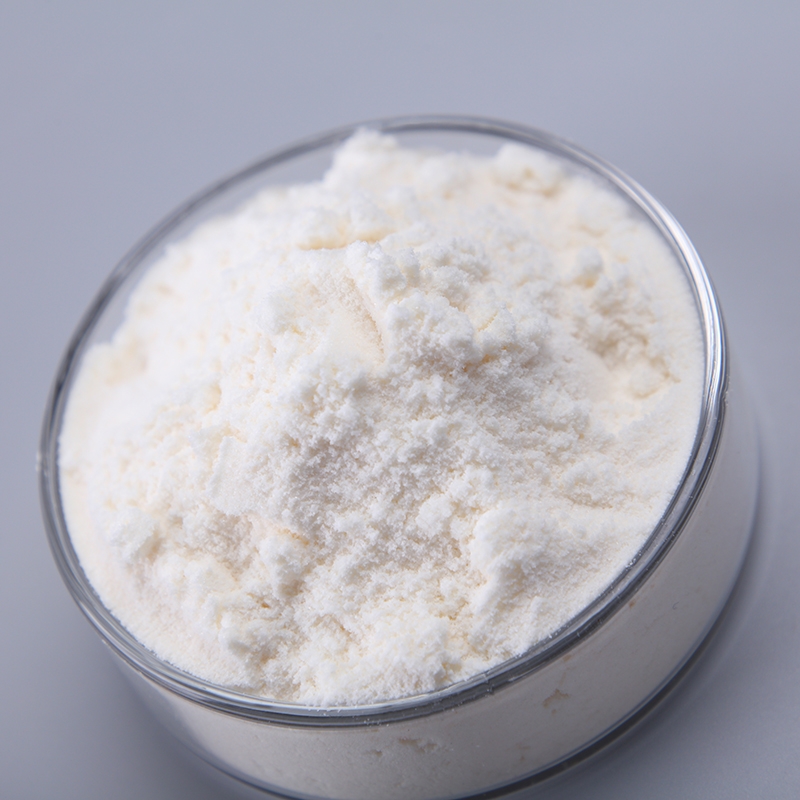
Name | Ribociclib |
CAS number | 1211441-98-3 |
Description | Ribociclib, identified by the Chemical Abstracts Service Registry Number 1211441-98-3, is a highly selective, orally bioavailable small molecule inhibitor of cyclin-dependent kinases 4 and 6, known collectively as CDK4/6. |
Structural formula |  |
Molecular Formula | C23H30N8O |
Molecular Weight | 434.54 g/mol |
Appearance | White powder |
Quality Standard | 99% |
Storage Condition | Cool dry place( away from the light) |
Shelf Life | >2 years if stored properly |
Sample package | Aluminium foil bag |
Commercial package | Aluminium Tin, Fiber drum |
Origin | China |
Ribociclib, identified by the Chemical Abstracts Service Registry Number 1211441-98-3, is a highly selective, orally bioavailable small molecule inhibitor of cyclin-dependent kinases 4 and 6, known collectively as CDK4/6. Its molecular formula is C₂₃H₃₀N₈O, with a molecular weight of approximately 434.54 grams per mole, and its complete IUPAC name is 7-cyclopentyl-N,N-dimethyl-2-{[5-(piperazin-1-yl)pyridin-2-yl]amino}-7H-pyrrolo[2,3-d]pyrimidine-6-carboxamide. In its physical form, ribociclib is typically supplied as film-coated tablets for oral administration, and it is commercially marketed under the brand name Kisqali by Novartis Pharmaceuticals Corporation. The compound was first approved by the United States Food and Drug Administration in March 2017 and has since received regulatory authorization in numerous other countries for the treatment of specific forms of breast cancer. It is structurally distinct from traditional chemotherapy agents and belongs to the targeted therapy class, designed to interfere with specific molecular pathways involved in cancer cell proliferation while having a different side effect profile compared to conventional cytotoxic drugs.
The pharmacological mechanism of ribociclib centers on its potent and selective inhibition of the cyclin-dependent kinases CDK4 and CDK6, which are key regulators of the cell cycle. These enzymes form complexes with D-type cyclins and drive the progression of cells from the first growth phase through the DNA synthesis phase by phosphorylating the retinoblastoma protein. By binding to the ATP-binding pocket of CDK4 and CDK6 with high affinity, ribociclib prevents the phosphorylation of the retinoblastoma protein, thereby arresting the cell cycle at the G1 checkpoint and effectively halting further cell division. This inhibition induces a state of cytostasis, where cancer cells are prevented from proliferating without necessarily causing immediate cell death, rather than the non-selective cytotoxicity associated with traditional chemotherapy. Preclinical studies have demonstrated that ribociclib inhibits CDK4 and CDK6 with half-maximal inhibitory concentration values of approximately 10 nanomolar and 39 nanomolar respectively, while exhibiting more than one thousand-fold reduced potency against the cyclin B/CDK1 complex, underscoring its high selectivity for the intended molecular targets.
The clinical indications for ribociclib have expanded significantly since its initial approval, with current applications spanning both early and advanced stages of hormone receptor-positive, human epidermal growth factor receptor 2-negative breast cancer. In the adjuvant setting for early breast cancer, ribociclib is indicated in combination with an aromatase inhibitor for the treatment of adults with stage II and III disease at high risk of recurrence, with a recommended starting dose of 400 milligrams taken once daily for twenty-one consecutive days followed by seven days off treatment. For advanced or metastatic breast cancer, the recommended starting dose is 600 milligrams taken once daily on the same three-weeks-on, one-week-off schedule, and it is used in combination with either an aromatase inhibitor as initial endocrine-based therapy or with fulvestrant either as initial therapy or following disease progression on prior endocrine therapy. The landmark MONALEESA clinical trial program, comprising the MONALEESA-2, MONALEESA-3, and MONALEESA-7 studies, has consistently demonstrated statistically significant improvements in both progression-free survival and overall survival across diverse patient populations, including premenopausal, perimenopausal, and postmenopausal women. In the MONALEESA-2 trial, ribociclib plus letrozole achieved a median overall survival of 63.9 months compared to 51.4 months with letrozole alone, representing an extension of approximately one year in average survival time for patients with metastatic disease.
The safety and adverse effect profile of ribociclib is well-characterized and considered manageable with appropriate clinical monitoring and dose modification protocols. The most common adverse reactions, occurring in twenty percent or more of patients, include hematologic abnormalities such as decreased neutrophils, leukocytes, and lymphocytes, as well as gastrointestinal effects including nausea, diarrhea, and vomiting. Neutropenia is the most frequent dose-limiting toxicity and requires regular monitoring of complete blood counts, particularly during the first two cycles of treatment. Other significant adverse effects that warrant specific monitoring include hepatotoxicity, evidenced by elevations in serum transaminases and bilirubin, which necessitates liver function testing every two weeks for the first two cycles and at the beginning of each subsequent four cycles. QT interval prolongation on electrocardiogram is another important cardiac effect associated with ribociclib, requiring baseline and on-treatment electrocardiogram monitoring and careful avoidance of concomitant medications that also prolong the QT interval or are strong inhibitors of the CYP3A enzyme system. More serious but less common adverse events include interstitial lung disease and pneumonitis, as well as severe cutaneous adverse reactions including Stevens-Johnson syndrome, toxic epidermal necrolysis, and drug reaction with eosinophilia and systemic symptoms, all of which require immediate drug discontinuation if suspected.
The pharmacokinetic profile of ribociclib is characterized by rapid absorption following oral administration, with peak plasma concentrations achieved approximately one to five hours after dosing. The drug demonstrates dose-proportional pharmacokinetics over a range of 50 to 1200 milligrams, with both peak concentration and area under the curve increasing slightly more than proportionally with dose. Ribociclib accumulates in plasma with repeated daily dosing, reaching steady-state concentrations by approximately day eight, and is highly bound to human plasma proteins. The compound is extensively metabolized primarily by the cytochrome P450 3A4 enzyme, and its elimination half-life supports once-daily dosing. Important drug interactions arise from this metabolic pathway, as concomitant use with strong CYP3A4 inhibitors increases ribociclib exposure and requires dose reduction, while strong CYP3A4 inducers decrease exposure and should be avoided. The drug is not recommended for concomitant use with tamoxifen due to increased risk of QT prolongation, and caution is warranted when administering with other medications known to prolong the cardiac QT interval. Ribociclib is contraindicated in pregnancy and can cause fetal harm, necessitating effective contraception in females of reproductive potential, and breastfeeding is not recommended during treatment.


Q1. Can I get a free sample?
We can send you a samll free sample, and you only need to pay for the shipping cost.
Q2. What is the HyperChem payment term?
T/T in advance
LC at sight
DP at sight
Bank transfer
PayPal
Bitcoin...
Q3. What is HyperChem shipment policy?
Our policy is to strive for the quickest shipment time possible.
For ready stock samples, they are usually shipped within 3 working days after payment received.
For non-ready stock, please contact HyperChem sales team to negotiate.
Q4. What is HyperChem shipment term?
By Express
FedEx UPS DHL EMS
Fast: 3-7 days around, high cost, door to door service
By Air
Suitable for more than 50kg
Fast: 3-7 days, hight cost, port to port, professional broker needed
By Sea
Suitable for more than 500kg
Fast: 7-45 days, low cost, port to port, professional broker needed
We will always attempt to utilize the quickest and most affordable way for customers to receive orders. And follow -up with customers via email for all shipment details as well as updated track information until it arrives without damage.
Q5. What HyperChem will provide after shipment?
For sample orders:
After shipment is done, an timely email including:
1. Track details (Fedex /TNT/DHL/EMS Track number)
2. Packaging photo
3. COA, MSDS, etc
4. Dispatch date & Estimated arriving time
5. Shipping invoice
For commercial orders
A full set of shipment documents as well as package photos can be provided in scan-copy and original, to help customers complete the customs clearance process.
Established in 2013, Hyper Chem has exclusive tie-ups with leading manufacturers, supplying raw materials produced in GMP and ISO 9002 certified facilities, and provides high-quality ingredients and raw materials to cater to the requirements of our diverse range of clients.
Among them, our key client industrial sectors around the global are:
Pharmaceuticals
Nutrition Ingredients/ Dietary supplements
Cosmetic Ingredients
Food Ingredients
Veterinary API
Agriculture fertilizer
Custom Synthesis lab supply
HyperChem provides to its wonderful and honorable clients comprehensive purchasing and distribution services which ensure that we are delivering the right generic, raw, or customized product, make sure that we are delivering it at the right time, ensure that it is delivered in the specified amount, and in the right kind of packaging to clients and customers of all types of industries irrespective of their size of operation.
Ribociclib (LEE011) is a highly specific CDK4/6 inhibitor with IC50s of 10 nM and 39 nM, respectively.