I. Product Overview
Polyaluminum Chloride (abbreviated as BAC, chemical formula: , where n is an integer from 1 to 5, and m represents the number of crystal water molecules, which varies slightly with production processes and storage conditions) is an inorganic polymer coagulant. It is an intermediate hydrolytic polymerization product between aluminum trichloride and aluminum hydroxide, featuring multiple functions including adsorption, coagulation, and precipitation. Its molecular structure contains a large number of hydroxyl groups () and aluminum ions (), which form high-molecular-weight polymers through hydroxyl bridging. It exhibits strong adsorption capacity and flocculation activity, making it one of the most widely used agents in the field of water treatment.
This product is available in solid and liquid forms:
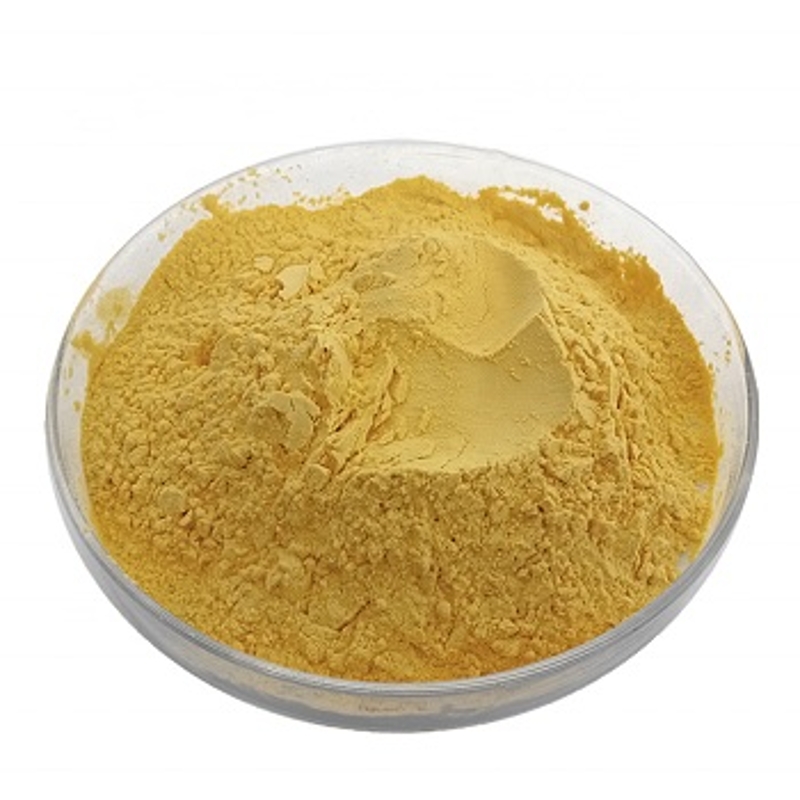
- Solid: White, light yellow, or yellowish-brown powder/granules, odorless, hygroscopic but non-caking (high-quality products).
- Liquid: Pale yellow or light brown uniform transparent or translucent liquid, free of stratification and obvious sediment.
With advantages of high efficiency, cost-effectiveness, and strong adaptability, polyaluminum chloride is widely used in drinking water purification, industrial wastewater treatment, municipal sewage treatment, and other fields. It can effectively remove suspended solids, colloidal particles, chroma, odor, COD, BOD, and some heavy metal ions from water bodies. The treated effluent quality meets relevant national discharge standards and reuse requirements.
Production Process:
Produced from high-quality aluminum hydroxide and hydrochloric acid as main raw materials through multiple refined processes including hydrolysis, polymerization, filtration, and drying (for solid products). The production process strictly complies with environmental protection standards with no harmful gas emissions. The product features high purity and low impurity content, meeting requirements for both drinking water grade and industrial grade applications.
According to different production processes, solid products are classified into spray-dried type and drum-dried type:
- Spray-dried products have finer particle size and better solubility, suitable for scenarios with high treatment efficiency requirements.
- Drum-dried products feature uniform particles and convenient storage and transportation, suitable for conventional water treatment scenarios.

II. Core Product Features
(1) Excellent flocculation performance and high treatment efficiency
Polymeric aluminum chloride has a high degree of molecular polymerization. Its polymer chain structure can rapidly adsorb suspended solids and colloidal particles in water, forming flocs quickly with high density. Its sedimentation rate is significantly better than that of traditional coagulants (such as aluminum sulfate and ferric chloride). Under the same treatment conditions, the floc formation time is shortened by 30%–50% and the sedimentation time by 20%–40%, which greatly improves water treatment efficiency, reduces the floor area of reaction tanks and sedimentation tanks, and lowers the operating load of water treatment equipment. (II) Wide Water Quality Adaptability and Strong Anti-Interference Capability
This product has a wide adaptation range for water pH values, and can stably exert its coagulation effect within a pH range of 5.0 to 9.0 without additional pH adjustment of the water body (except for special extreme water quality), greatly reducing operating costs. Meanwhile, it delivers excellent treatment effects on raw water with low temperature, low turbidity, high turbidity, high chroma, and high organic matter content. It is especially suitable for treating difficult water quality such as low-temperature water bodies in northern China in winter, high-turbidity river water during flood seasons, and industrial high-chroma wastewater, solving the problem of poor treatment effects of traditional coagulants under extreme water quality conditions.
(III) Low Dosage and Low Comprehensive Cost
Compared with traditional coagulants, polyaluminum chloride has a high content of active ingredients (aluminum oxide) and strong adsorption capacity. Under the same treatment effect, its dosage is only 1/3 to 1/2 of that of aluminum sulfate and about 1/2 of that of ferric chloride. The reduced dosage not only lowers the chemical procurement cost but also decreases the sludge production during the treatment process (sludge production is reduced by 20%-30% compared with traditional chemicals), thereby cutting down the costs of sludge dewatering and disposal. The comprehensive water treatment cost can be reduced by 15%-30%.
(IV) Excellent Solubility and Convenient Operation
Solid polyaluminum chloride is highly soluble in water with fast dissolution speed and no obvious residue. It can dissolve rapidly to form a uniform aqueous solution in both normal-temperature and low-temperature water bodies without complex dissolution equipment. Liquid polyaluminum chloride can be directly diluted before dosing, eliminating the solid dissolution process and further improving operational convenience. It is suitable for highly automated water treatment systems and can also be used in simple operation scenarios such as small sewage treatment stations and rural decentralized drinking water treatment.
(V) Equipment-Friendly and Extremely Low Corrosiveness
This product has mild properties and extremely low corrosiveness to water treatment equipment such as pipelines, reaction tanks, sedimentation tanks, and filters, which is far lower than that of acidic coagulants like ferric chloride. It can effectively extend the service life of equipment and reduce the costs of equipment maintenance and replacement. Meanwhile, no harmful gases are generated during the treatment process, which will not pollute the operating environment and ensure the personal safety of operators.
(VI) Excellent Effluent Quality and High Safety
After treatment with polyaluminum chloride, the residual aluminum ion content in the water body is extremely low, meeting the requirements of GB 5749-2022 Standards for Drinking Water Quality and relevant industrial wastewater discharge standards, and will not cause harm to human health and the ecological environment. Meanwhile, it has a good removal effect on chroma, odor, organic matter, and heavy metal ions (such as lead, cadmium, mercury, arsenic, etc.) in the water body. The treated effluent is clear and transparent and can be directly discharged or recycled.
III. Main Application Fields and Usage Scenarios
(I) Drinking Water Purification Field
Suitable for scenarios such as urban waterworks, rural safe drinking water projects, and small centralized drinking water treatment stations. It is mainly used to remove suspended solids, colloidal particles, chroma, peculiar smells, algae and part of organic matter from raw water, improve the taste of drinking water, and ensure that the effluent meets GB 5749-2022 Standards for Drinking Water Quality.
Specific Applications:
① Urban Waterworks: As a core coagulant, used in conjunction with sedimentation tanks and filters to treat raw water such as river water and groundwater, remove turbidity and chroma, and improve effluent water quality;
② Rural Safe Drinking Water: Aiming at problems such as high iron and manganese content in rural groundwater and high turbidity of surface water, it can be used alone or in combination with potassium permanganate, activated carbon, etc. to achieve high-efficiency purification;
③ Emergency Drinking Water Treatment: After natural disasters such as earthquakes and floods, polyaluminum chloride can be quickly added to conduct emergency purification of polluted water sources and ensure the safety of temporary drinking water. 
(II) Industrial Wastewater Treatment Sector
It covers various industries such as printing and dyeing, papermaking, electroplating, metallurgy, pharmaceuticals, mining, chemical engineering, and food processing. According to different types of wastewater, it can achieve treatment goals including turbidity removal, decolorization, COD removal, BOD removal, and heavy metal ion removal, ensuring that wastewater meets discharge standards or is recycled.
Specific Industrial Applications:
Printing and Dyeing Wastewater: Removes dye pigments, suspended solids, and organic matter from wastewater, reduces chroma and COD. It is suitable for treating various printing and dyeing wastewaters such as reactive dyes and disperse dyes. The treated wastewater can be recycled for workshop washing or discharged up to standard. -

-
Papermaking wastewater: Remove pulp fibers, suspended solids, lignin, etc., reduce turbidity and COD, and recover part of the pulp fibers for resource reuse;
Electroplating wastewater: Remove heavy metal ions (such as chromium, nickel, copper, zinc, etc.), cyanide and suspended solids in the wastewater, convert heavy metal ions into sediments through flocculation and precipitation, and achieve discharge up to standard;
Metallurgical wastewater: Treat wastewater generated during the smelting of steel and non-ferrous metals, remove suspended solids, heavy metal ions and part of organic matter, and reduce wastewater turbidity and pollution load;
Pharmaceutical wastewater: As a pretreatment agent for high-concentration organic wastewater generated by the pharmaceutical industry, remove suspended solids and part of organic matter, reduce the load of subsequent biochemical treatment, and improve the effect of biochemical treatment;
Mine wastewater: Treat muddy wastewater and mineral processing wastewater generated during mining, remove suspended solids and heavy metal ions, and prevent wastewater from polluting soil and groundwater.

(III) Municipal Sewage Treatment Sector
Applicable to urban sewage treatment plants, industrial park sewage treatment plants, domestic sewage treatment stations, etc., it is mainly used for primary treatment and secondary enhanced treatment of domestic sewage, removing pollutants such as suspended solids, colloidal particles, COD, BOD, and ammonia nitrogen in sewage, laying a foundation for subsequent biochemical treatment and advanced treatment.
Specific applications: ① Urban sewage treatment plants: Added as a coagulant after grids and grit chambers to remove suspended solids and colloids in sewage and reduce the load on subsequent biochemical reaction tanks; ② Small-scale domestic sewage treatment stations: For small-scale domestic sewage treatment scenarios such as rural areas and communities, the simple process of "basic aluminum chloride + sedimentation + filtration" can be adopted to achieve up-to-standard discharge of domestic sewage; ③ Sewage treatment and reuse: Conduct advanced coagulation treatment on the effluent from municipal sewage treatment plants to remove residual suspended solids and organic matters, so that the effluent meets the recycling standard and can be used for greening irrigation, road washing, etc.
 (IV) Other Application Scenarios
Purification of industrial circulating cooling water: Treats suspended solids and algae in industrial circulating cooling water, prevents pipeline blockage and equipment scaling, extends the service life of circulating cooling water, and reduces water replacement costs;
Water treatment of rivers and lakes: Used for the purification of water bodies such as urban rivers, landscape lakes and reservoirs, removes suspended solids, algae and organic matter from water bodies, improves water transparency, and alleviates water eutrophication;
Swimming pool water treatment: Added to swimming pool water as a coagulant to remove suspended solids, bacteria and organic matter in the water, used in conjunction with disinfectants to ensure that swimming pool water quality meets hygienic standards;
Sludge dewatering pretreatment: Used for the dewatering pretreatment of municipal sludge and industrial sludge. Flocculation condenses sludge particles, reduces sludge moisture content, and facilitates sludge transportation and disposal;
Others: Used in food processing wastewater treatment, landfill leachate treatment, leather wastewater treatment, etc., to achieve efficient removal of pollutants.
IV. Specifications and Parameters
This product is available in two types: solid basic aluminium chloride and liquid basic aluminium chloride. Specifications and parameters vary according to different applications, as detailed in the table below. Special specifications can be customized to meet customer requirements. | project | Industrial grade (solid) | Industrial grade (liquid) |
| Aluminum oxide (Al2O3) content | ≥27.0% | ≥10.0% |
| Basicity | 40.0%~95.0% (customizable as required) | 40.0%~95.0% (customizable as required) |
| Content of water-insoluble matter | ≤0.5% | ≤0.3% |
| pH value of 1% aqueous solution | 3.5~5.0 | 3.5~5.0 |
| Particle size (solid) | Powder: ≥95% pass rate through 100 mesh; Granules: 2-4 mm (customizable) | - |
| appearance | Black powder/granules | Black uniform liquid, allowing a small amount of slight precipitation. |
| Arsenic (As) content | ≤0.001% | ≤0.001% |
| Lead (Pb) content | ≤0.002% | ≤0.002% |
| Cadmium (Cd) content | ≤0.0005% | ≤0.0005% |
| Mercury (Hg) content | ≤0.00001% | ≤0.00001% |
| Chromium (Cr) content | ≤0.001% | ≤0.001% |
| Packing specification | 25kg double-layer bags / 50kg bags (customizable) | 25kg plastic drum / 1-ton plastic drum / tank truck (select as needed) |
| Density (liquid, 20℃) | - | 1.10~1.20g/cm³ |
V. Quality Standards
The quality of this product strictly complies with relevant national standards and industry specifications. Industrial-grade products are manufactured in accordance with GB/T 22627-2014 Water Treatment Chemicals—Polyaluminum Chloride and also meet the enterprise's internal control standards to ensure stable and reliable product quality. The specific standards are as follows:
- Quality Standards for Industrial-Grade Basic Aluminum Chloride (GB/T 22627-2014)
- Aluminum oxide () content: ≥27.0%, tolerance range ±0.5%;
- Basicity: 40.0%~95.0%, tolerance range ±5.0%, customizable as required;
- Water-insoluble matter content: solid ≤0.5%, liquid ≤0.3%, tolerance range ±0.1%;
- pH value (1% aqueous solution): 3.5~5.0, tolerance range ±0.2;
- Heavy metal limits:
- Arsenic (As) ≤0.001%;
- Lead (Pb) ≤0.002%;
- Cadmium (Cd) ≤0.0005%;
- Mercury (Hg) ≤0.00001%;
- Chromium (Cr) ≤0.001%.
- Appearance: solid is light yellow or yellowish-brown powder/granules, no obvious caking or odor; liquid is uniform light yellow or light brown liquid, a small amount of slight precipitation is allowed (soluble after shaking);
- Particle size (solid): 100-mesh pass rate ≥95%, granular product size 2-4mm (customizable);
- Density (liquid, 20℃): ≥1.10g/cm³.
- Enterprise Internal Control Standards
On the basis of national and industry standards, the enterprise has formulated stricter internal control standards to further improve the stability of product quality:
- Qualified rate per batch ≥99.5%; each batch is sampled and inspected, and unqualified products are strictly prohibited from leaving the factory;
- Tolerance of aluminum oxide content controlled within ±0.3%, tolerance of basicity controlled within ±3.0% to ensure stable product performance;
- Moisture absorption rate of solid products ≤5%, not easy to cake during storage, convenient for long-term storage and use;
- Liquid products show no obvious stratification or precipitation within the shelf life, with stable solubility.
-
-
VI. Usage Instructions
The usage method of polyaluminum chloride must be adjusted according to the product form (solid/liquid), treatment scenario (drinking water/industrial wastewater/municipal sewage), water quality conditions, and other factors. The specific operation steps are as follows, with the core principles: dissolve first, then dilute, and then dose, to ensure sufficient mixing of the chemical with water.
(I) Usage Method of Solid Polyaluminum Chloride
Dissolution Preparation: Prepare a special dissolution tank (corrosion-resistant materials such as plastic and fiberglass are recommended; iron containers are prohibited). Add an appropriate amount of clean water (room temperature is acceptable; at low temperatures, the temperature can be appropriately raised to 20–30°C to accelerate dissolution).
Dissolution Operation: Slowly add solid polyaluminum chloride into the dissolution tank while stirring. Control the stirring speed at 100–150 r/min to avoid caking of the chemical. The dissolution ratio is 1:3 (solid:clean water), i.e., 1 part of solid chemical added to 3 parts of clean water. Stir for 15–20 minutes until the chemical is completely dissolved to form a uniform aqueous solution.
Dilution and Dosing: Dilute the prepared chemical aqueous solution to the working concentration (generally 0.5%–5%) according to actual treatment needs, then evenly dose it into the coagulation reaction tank through a metering pump or dosing equipment.
Stirring and Mixing: After dosing, turn on the stirring device in the reaction tank. Stir for 5–10 minutes at a speed decreasing from high to low (150–200 r/min at the initial stage, 50–100 r/min at the later stage) to ensure thorough mixing of the chemical with water and formation of flocs.
Sedimentation and Separation: After stirring, transfer the mixture to a sedimentation tank and let it settle for 10–30 minutes. Flocs settle to the bottom of the tank, and the supernatant is qualified treated water, which can enter subsequent processes such as filtration and disinfection.
(II) Usage Method of Liquid Polyaluminum Chloride
Dilution Preparation: Liquid polyaluminum chloride can be directly diluted for use. Prepare a dilution tank and add an appropriate amount of clean water.
Dilution Operation: Slowly add liquid polyaluminum chloride into the dilution tank while stirring. The dilution ratio is adjusted according to the raw water turbidity, generally 1:5–1:10 (liquid chemical:clean water). Stir for 5–10 minutes to form a uniform diluent.
Dosing Operation: Evenly dose the diluted chemical into the coagulation reaction tank through a metering pump. Adjust the dosage according to water quality conditions.
Subsequent Steps: Consistent with solid products, the water treatment process is completed through stirring, mixing, sedimentation, and separation.
(III) Dosage Reference
The dosage must be determined based on raw water turbidity, pollutant content, treatment objectives, and other factors. A preliminary jar test is recommended to determine the optimal dosage. The following are dosage references for conventional scenarios:
Drinking Water Purification: 10–30 mg/L when raw water turbidity is 50–100 NTU; 30–50 mg/L at 100–200 NTU; 50–80 mg/L above 200 NTU.
Industrial Wastewater Treatment: 50–200 mg/L for printing and dyeing wastewater, papermaking wastewater, etc.; 80–300 mg/L for electroplating wastewater, metallurgical wastewater, etc.; 100–400 mg/L for mine wastewater.
Municipal Sewage Treatment: 30–80 mg/L for primary treatment of domestic sewage; 50–120 mg/L for secondary enhanced treatment.
Other Scenarios: 20–50 mg/L for industrial circulating cooling water; 10–20 mg/L for swimming pool water; 5–10 kg per ton of sludge for sludge dewatering pretreatment.
(IV) Precautions
Adjust the dosage based on jar test results to avoid waste of chemicals, excessive aluminum ions in effluent caused by over-dosing, or poor treatment effect due to under-dosing.
During dissolution and dilution, do not add clean water into the chemical (reverse feeding), so as to prevent caking and poor dissolution.
The chemical dosing point should be set at the inlet of the coagulation reaction tank to ensure sufficient stirring time for thorough mixing with water.
When treating low-temperature, low-turbidity water, appropriately increase the dosage or use with coagulant aids (such as polyacrylamide) to improve treatment efficiency.
During operation, regularly monitor effluent quality (turbidity, aluminum ion content, etc.) and adjust the dosage according to water quality changes. -
-
VII. Packaging and Storage
(I) Packaging Specifications and Materials
Solid Basic Aluminum Chloride:
Standard Packaging: 25kg per bag, using double-layer packaging. The outer layer is a polypropylene woven bag (tensile-resistant and moisture-proof), and the inner layer is a PE plastic bag (sealed and leak-proof). The bag mouth is sealed with a bag sewing machine to prevent moisture absorption and caking of the chemical.
Customized Packaging: 50kg per bag, 1000kg per ton bag. Packaging specifications and printing content (without contact information) can be customized according to customer requirements.
Packaging Markings: Each bag is clearly marked with product name, model, specification, production date, shelf life, implementation standard, manufacturer, precautions and other information.
-
-

-
Liquid Basic Aluminum Chloride:
Small-size packaging: 25kg per barrel, using food-grade HDPE plastic drums with sealed lids to prevent leakage;
Medium-size packaging: 1000kg per IBC tote, adopting HDPE plastic IBC containers equipped with valves for easy pouring and transportation;
Large-size packaging: Transported by tank trucks, using special corrosion-resistant tankers with excellent sealing performance and no leakage during transportation;
Packaging labeling: Plastic drums and IBC totes are marked with product name, specification, production date, shelf life, implementation standard, manufacturer, precautions and other information. Product qualification certificates shall be provided for tank truck transportation.
(II) Storage Requirements
Storage Environment:
Solid Products: Store in a cool, dry, well-ventilated, rainproof warehouse, away from fire and heat sources, avoid direct sunlight and rain exposure. The warehouse temperature shall be controlled at 5–30℃, with relative humidity ≤80%.
Liquid Products: Store in a cool, well-ventilated warehouse, away from fire and heat sources, avoid direct sunlight. The warehouse temperature shall be controlled at 5–40℃ to prevent low-temperature freezing (if frozen, the product can be dissolved by slow heating without affecting performance).
Storage Method:
Solid Products: Stacking height shall not exceed 10 layers to avoid extrusion and caking. Store separately from other chemicals (such as oxidizers, acidic substances, etc.), and mixed storage is strictly prohibited.
Liquid Products: Plastic drums and IBC tanks shall be placed upright to avoid tipping and collision, preventing damage and leakage. For tank truck storage, good sealing is required; valves and connectors shall be inspected regularly to prevent leakage.
Shelf Life:
Solid Polyaluminum Chloride: Under specified storage conditions, the shelf life is 12 months. After opening, seal tightly and use as soon as possible (recommended to be used up within 1 month) to avoid moisture absorption and caking.
Liquid Polyaluminum Chloride: Under specified storage conditions, the shelf life is 6 months. After opening, seal tightly and use as soon as possible (recommended to be used up within 15 days) to avoid deterioration and stratification.
Storage Precautions: Equip the warehouse with necessary fire-fighting equipment (such as dry powder fire extinguishers). Smoking and open flames are strictly prohibited. Operators shall wear protective equipment when entering the warehouse. Inspect product packaging regularly; handle any damage or leakage promptly to prevent environmental pollution.
VIII. Precautions and Safety Protection
(I) Operating Precautions
Operators must receive professional training, be familiar with product characteristics and operating procedures, and strictly operate in accordance with the instructions for use;
During the processes of dissolution, dilution and dosing, protective equipment (gloves, masks, goggles) must be worn to avoid direct contact of the skin and eyes with the chemicals; -

- It is strictly forbidden to store or use the agent together with other chemicals (such as oxidants, acidic substances, and alkaline substances) to avoid chemical reactions that produce harmful gases or reduce the effectiveness of the agent;
The container for dissolving the agent must be dedicated and must not be used for other purposes. Clean it thoroughly after use to prevent residual agent from corroding the container;
Dosing equipment must be regularly maintained and cleaned to prevent residual agent from clogging the equipment and affecting dosing accuracy;
Treated sludge must be disposed of in accordance with environmental protection standards. Random dumping is strictly prohibited to avoid polluting soil and groundwater;
If the agent is accidentally spilled, rinse it thoroughly with clean water immediately to prevent moisture absorption and caking or environmental pollution.
-
(II) Safety Protection Measures
Skin contact: Immediately rinse the affected area with plenty of running water for at least 15 minutes. If redness, itching, or other discomfort occurs, seek medical attention promptly;
- Eye contact: Immediately flush the eyes with plenty of running water or physiological saline for at least 15 minutes, rotating the eyeballs as much as possible during flushing to remove residual agent. If pain, blurred vision, or other symptoms occur, seek medical attention immediately;
- Ingestion: Do not induce vomiting. Immediately drink plenty of warm water to dilute the agent and seek medical attention promptly, informing the doctor that polyaluminum chloride has been ingested;
- Inhalation: If agent dust or vapor is inhaled, immediately move to a well-ventilated area with fresh air and keep the respiratory tract unobstructed. If coughing, chest tightness, or other discomfort occurs, seek medical attention promptly;
- Protective equipment: Wear acid- and alkali-resistant gloves, dust masks, goggles, and protective clothing during operation to avoid direct contact with the agent.
- (III) Emergency Response
Agent leakage: For small leaks, cover the spilled material with dry sand or absorbent materials, collect it, and dispose of it properly. For large leaks, set up a warning area to prevent unauthorized personnel from entering, collect the spilled material with special equipment to prevent it from flowing into sewers, rivers, etc., causing environmental pollution, and contact professional personnel for treatment;
- Fire emergency: This product is non-flammable and non-explosive. In case of fire, use dry powder fire extinguishers or carbon dioxide fire extinguishers to extinguish the fire, evacuate personnel at the same time to prevent the fire from spreading;
- Emergency contact: Prepare emergency contact numbers. In case of an accident, promptly contact hospitals, fire departments, and the manufacturer for professional assistance.
- (IV) Other Precautions
This product is a water treatment agent and is strictly prohibited for use in food, medicine, cosmetics, and other fields;
- Children and unrelated personnel are strictly prohibited from entering the operation area to avoid accidental contact;
- During product transportation, handle with care to avoid collision and extrusion, preventing packaging damage and leakage;
- Conduct regular quality inspections of the product. If deterioration, caking, stratification, or other issues are found, the product must not be used and should be disposed of properly.
-
- IX. Summary of Product Advantages and Market Applications
-
- (I) Core Product Advantages
Performance advantages: High flocculation efficiency, wide adaptability to water quality, low dosage, low corrosiveness, and better treatment effects than traditional coagulants, suitable for various complex water qualities;
- Cost advantages: Low comprehensive water treatment costs, with lower agent procurement costs and sludge disposal costs than traditional agents, offering high cost-effectiveness;
- Safety advantages: Drinking water-grade products comply with national drinking water hygiene standards, with low heavy metal content, no harmful residues, and are safe for human health and the ecological environment;
- Operational advantages: Good solubility, convenient operation, suitable for various water treatment scenarios such as automated and simplified operations, without the need for complex equipment;
- Quality advantages: Mature production technology, strict quality control, stable product batches, high qualification rate, and customizable specifications as required.
- (II) Market Application Summary
As an efficient, economical, and safe inorganic polymer coagulant, polyaluminum chloride is currently widely used in drinking water purification, industrial wastewater treatment, municipal sewage treatment, and other fields, with strong market demand. With the continuous tightening of environmental protection policies and increasing requirements for agents in the water treatment industry, polyaluminum chloride, with its excellent performance and high cost-effectiveness, is gradually replacing traditional coagulants and becoming one of the core agents in the water treatment field. This product can provide customized specifications and solutions according to the treatment needs of different industries and water qualities, meeting customers' diverse usage requirements, helping enterprises achieve wastewater discharge compliance and water resource recycling, and promoting the development of environmental protection.







 Bangladesh
 South Africa
 United Kingdom
 Qatar
Qatar
 Oman
Oman
 India
India
 Malaysia