Product
Supplier
Encyclopedia
Inquiry
Home > Biochemical Engineering > Plant Extracts > Glycyrrhetinic acid for Sale > 18β-Glycyrrhetinic Acid for Anti-inflammation Skin Soothing Redness Relief and Barrier Repair
18β-Glycyrrhetinic Acid for Anti-inflammation Skin Soothing Redness Relief and Barrier Repair buy - large image1
18β-Glycyrrhetinic Acid for Anti-inflammation Skin Soothing Redness Relief and Barrier Repair buy - image1
18β-Glycyrrhetinic Acid for Anti-inflammation Skin Soothing Redness Relief and Barrier Repair buy - image2
18β-Glycyrrhetinic Acid for Anti-inflammation Skin Soothing Redness Relief and Barrier Repair buy - image3
18β-Glycyrrhetinic Acid for Anti-inflammation Skin Soothing Redness Relief and Barrier Repair buy - image4
18β-Glycyrrhetinic Acid for Anti-inflammation Skin Soothing Redness Relief and Barrier Repair buy - image5
18β-Glycyrrhetinic Acid for Anti-inflammation Skin Soothing Redness Relief and Barrier Repair buy - image6

18β-Glycyrrhetinic Acid for Anti-inflammation Skin Soothing Redness Relief and Barrier Repair

5 Inquiries

Unit Price:

$100-130/G FOB

Get Latest Price
CAS No.:

471-53-4

Grade:

Pharmaceutical Grade

Content:

99%

Port:

Qingdao

Brand:

SINOV

Packaging:

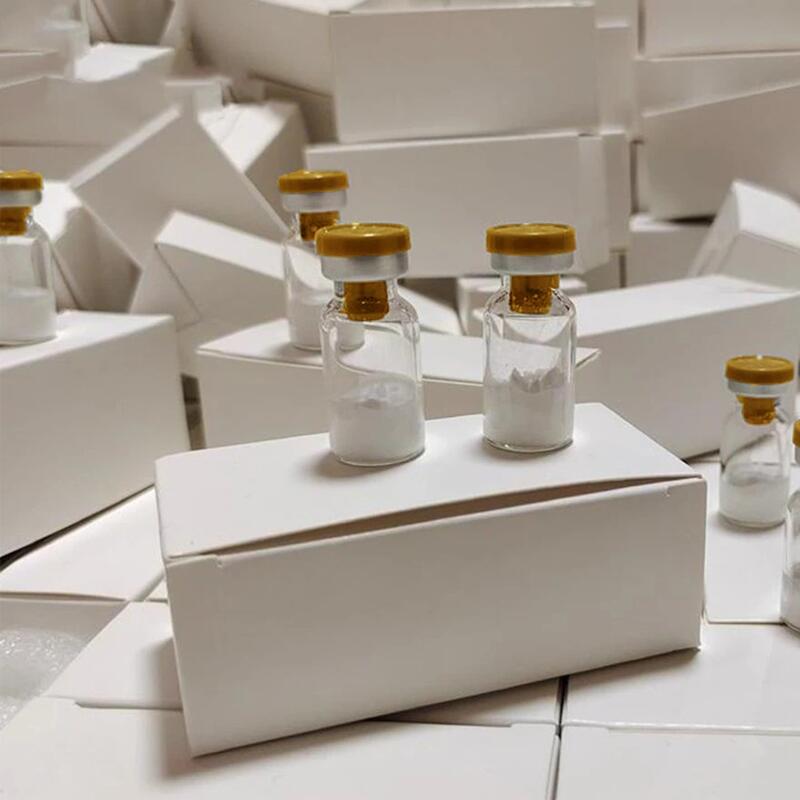
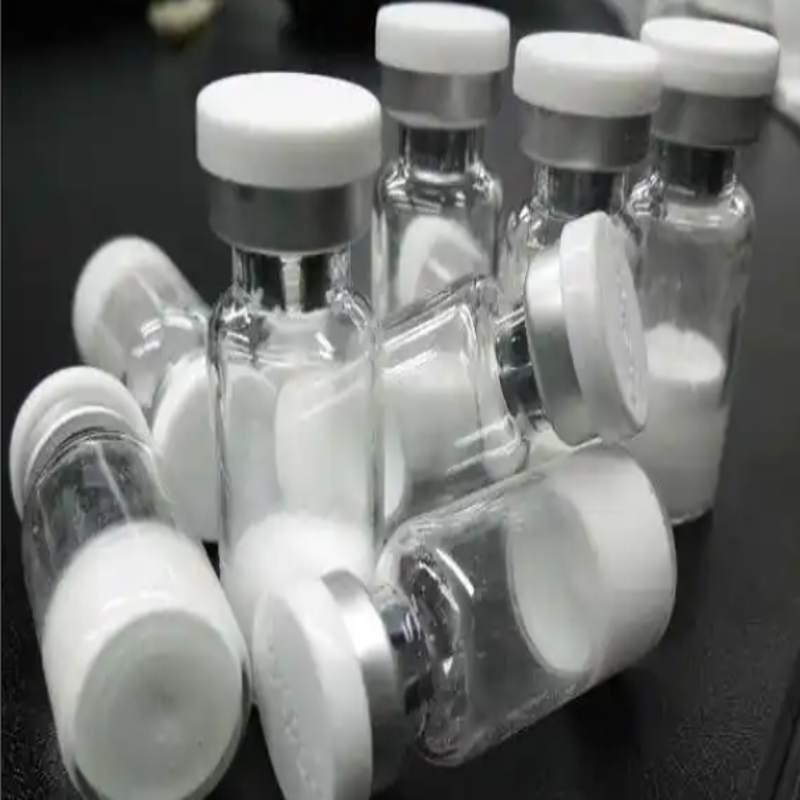
1vial

Price valid (until):

2028-07-07

Company Type:
Trader
Location:
Hongkong, China
Payment Terms:
TT against copy of documents,D/P,L/C,D/A,O/A,TT against B/L draft before shipment,100% TT in advance
Average Lead Time:
7 days
Qualification:
Main Products:

Weight Loss Peptide,Reta,Tirz,Sema,5 Amino 1mq,Cosmetic raw material,API,SLU-PP-332

  • Product Description

  • Seller Information

  • Inquiry History

  • Description


      Product Detail  


    1. Description

    18β-glycyrrhetinic acid is a naturally occurring pentacyclic triterpenoid compound and the primary active metabolite of glycyrrhizic acid in the body. It is widely derived from the rootstock of the leguminous plant Glycyrrhiza. It appears as a white crystalline powder, is soluble in dimethyl sulfoxide (DMSO; solubility approximately 252.5 mg/mL), and is practically insoluble in water and ethanol. Its melting point is 292–295°C, with the molecular formula C₃₀H₄₆O₄ and a molecular weight of approximately 470.69 Da. It should be stored in a light-protected, sealed container at room temperature or 2–8°C in a dry environment; prolonged exposure to air may result in a decrease in content. This compound exhibits various biological activities, including anti-inflammatory, antioxidant, antitumor, hepatoprotective, anti-ulcer, antiviral, and antibacterial properties.

    2. Application

    (1) Hepatoprotective Studies: Used in studies of liver injury models induced by carbon tetrachloride, acetaminophen, and triptolepine. Research indicates that 18β-glycyrrhetinic acid exerts hepatoprotective effects by activating the SIRT1/FXR signaling pathway, upregulating PPARγ and Nrf2 expression, and alleviating oxidative stress and inflammatory responses. In a rat model of Tripterygium glycoside-induced liver injury, pretreatment with a 50 mg/kg dose significantly reduced serum transaminase levels and inhibited the release of inflammatory cytokines.

    (2) Oncology Studies: Used to investigate the mechanisms of antiproliferation and apoptosis induction in various cancer cell lines, including hepatocellular carcinoma, colorectal cancer, gastric cancer, breast cancer, and prostate cancer. In HepG2 liver cancer cells, 18β-glycyrrhetinic acid increases the production of reactive oxygen species (ROS) and nitric oxide (NO), leading to a loss of mitochondrial membrane potential, activation of caspase-3 and caspase-9, upregulation of the Bax/Bcl-2 ratio, and induction of apoptosis. It exhibits no significant toxic effects on normal liver cells.

    (3) Anti-inflammatory and Skin Disease Research: Used in studies of inflammatory skin diseases such as atopic dermatitis, psoriasis, and UV-induced photoaging. It reduces the production of pro-inflammatory cytokines by inhibiting the NF-κB signaling pathway and downregulating iNOS and COX-2 expression. Modern delivery systems (such as liposomes and nanoemulsions) can enhance its skin permeability and bioavailability.

    (4) Anti-ulcer and Gastrointestinal Protection Research: Used in studies on gastric ulcers and digestive system diseases. It exerts a protective effect on the gastric mucosa by inhibiting 15-hydroxyprostaglandin dehydrogenase activity and increasing prostaglandin concentrations in the digestive system.

    (5) Antimicrobial and antiviral research: Used in studies on pathogenic bacteria such as Staphylococcus aureus (including methicillin-resistant strains) and Helicobacter pylori, as well as in studies on antiviral activity. Research indicates that 18β-glycyrrhetinic acid can enhance the activity of antibiotics against drug-resistant strains.

    (6) Renal Protection Studies: Used in studies on drug-induced kidney injury, such as that caused by cisplatin, exerting a renal protective effect through antioxidant and anti-inflammatory mechanisms.

    (7) Neuroprotection Studies: Used in studies on neurological disorders such as cerebral ischemia, exerting a neuroprotective effect through anti-inflammatory and antioxidant mechanisms.

    3. Main Efficacy

    (1) Anti-inflammatory effects: By inhibiting the activation of the NF-κB signaling pathway, it downregulates the expression of iNOS and COX-2 and reduces the production of pro-inflammatory cytokines such as tumor necrosis factor-α, interleukin-1β, and interleukin-6. It has demonstrated significant anti-inflammatory effects in various inflammatory models.

    (2) Antioxidant Effects: By activating the Nrf2/ARE pathway, it enhances the activity of endogenous antioxidant enzymes such as superoxide dismutase and glutathione peroxidase, reduces the formation of malondialdehyde (a lipid peroxidation product), and protects cells from oxidative stress damage.

    (3) Hepatoprotective effects: By activating the SIRT1/FXR signaling pathway, it regulates bile acid metabolism; it also activates autophagy inhibition mediated by the pregnane X receptor, thereby alleviating hepatocyte damage. It has demonstrated protective effects in various models of liver injury, including those induced by carbon tetrachloride, acetaminophen, and triptolepine.

    (4) Antitumor activity: Inhibits tumor cell proliferation through multiple mechanisms, including inducing apoptosis (by regulating Bax/Bcl-2 and activating caspase-3/9), increasing reactive oxygen species (ROS) production, and causing loss of mitochondrial membrane potential. It exhibits inhibitory effects on various tumor cell lines, including hepatocellular carcinoma, colorectal cancer, gastric cancer, and breast cancer.

    (5) Anti-ulcer and Gastric Mucosal Protection: It exerts anti-ulcer effects by inhibiting 15-hydroxyprostaglandin dehydrogenase, increasing the concentration of prostaglandin E2 in the gastric mucosa, and enhancing the defensive capacity of the gastric mucosa.

    (6) Antimicrobial Activity: It inhibits Staphylococcus aureus (including methicillin-resistant strains) and can enhance the antimicrobial activity of conventional antibiotics. It also inhibits Helicobacter pylori infection.

    (7) Renal Protective Effects: Through antioxidant and anti-inflammatory mechanisms, it alleviates drug-induced renal tubular damage and renal dysfunction caused by agents such as cisplatin.

    (8) Skin protection: Through anti-inflammatory and antioxidant mechanisms, it provides protective effects against atopic dermatitis, psoriasis, and UV-induced photoaging of the skin. Delivery systems such as liposomes and nanoemulsions can significantly improve its transdermal permeability and bioavailability.

    Shop Cosmetic Raw Materials Hyaluronic Acid Powder-Detailed Image 2

    Shop Professional Factory Supply High Qulity Bengenin-Detailed Image 2

    Items Specifications
    Origin China
    Purity 5%-99%
    Appearance Powder
    Color White
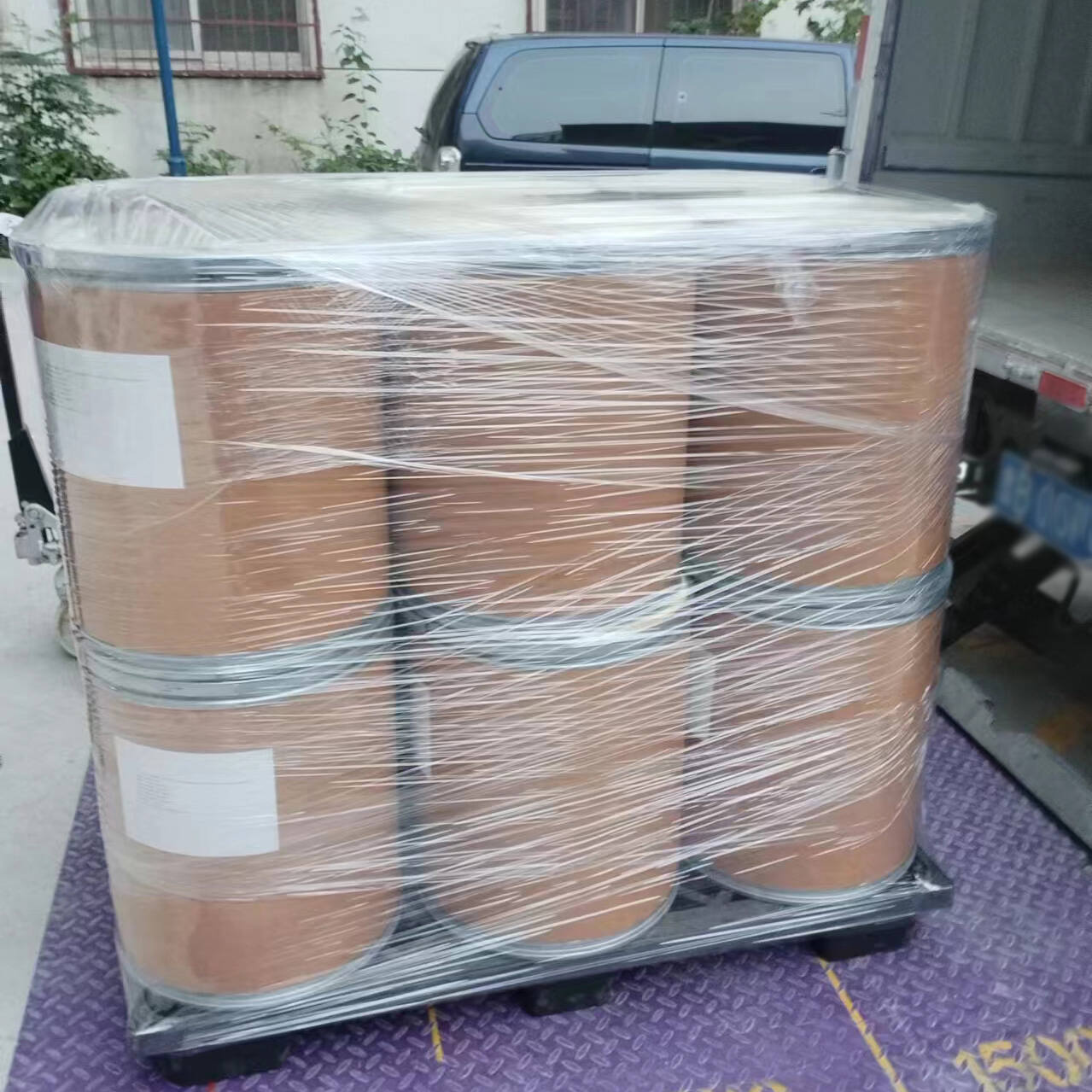
    Package Drum, Plastic Container, Vacuum Packed
    Shelf life 2 years
    Storage Cool Dry Place
    ECHEMI Editorial Reference
    18β-Glycyrrhetinic acid is the major bioactive component of Glycyrrhizae Radix and possesses anti-ulcerative, anti-inflammatory and antiproliferative properties.
    Glycyrrhetinic acid is a pentacyclic triterpenoid that is olean-12-ene substituted by a hydroxy group at position 3, an oxo group at position 11 and a carboxy group at position 30. It has a role as an immunomodulator and a plant metabolite. It is a pentacyclic triterpenoid, a cyclic terpene ketone and a hydroxy monocarboxylic acid. It is a conjugate acid of a glycyrrhetinate. It derives from a hydride of an oleanane.|Enoxolone (glycyrrhetic acid) has been investigated for the basic science of Apparent Mineralocorticoid Excess (AME).|Enoxolone is a pentacyclic triterpenoid aglycone metabolite of glycyrrhizin, which is a product of the plant Glycyrrhiza glabra (licorice), with potential expectorant, and gastrokinetic activities. After administration, enoxolone inhibits the metabolism of prostaglandins by both 15-hydroxyprostaglandin dehydrogenase [NAD(+)] and prostaglandin reductase 2. Therefore, this agent potentiates the activity of prostaglandin E2 and F2alpha, which inhibits gastric secretion while stimulating pancreatic secretion and the secretion of intestinal and respiratory mucus, leading to increased intestinal motility and antitussive effects. Additionally, this agent inhibits 11 beta-hydroxysteroid dehydrogenase and other enzymes involved in the conversion of cortisol to cortisone in the kidneys.|An oleanolic acid from GLYCYRRHIZA that has some antiallergic, antibacterial, and antiviral properties. It is used topically for allergic or infectious skin inflammation and orally for its aldosterone effects in electrolyte regulation.

    Basic Info
    Product Name:

    Glycyrrhetinic acid

    Other Name:

    Olean-12-en-29-oic acid,3-hydroxy-11-oxo-,(3β,20β)-;Olean-12-en-30-oic acid,3β-hydroxy-11-oxo-;Uralenic acid;(3β,20β)-3-Hydroxy-11-oxoolean-12-en-29-oic acid;Glycyrrhetic acid;18β-Glycyrrhetic acid;Glycyrrhetinic acid;18β-Glycyrrhetinic acid;α-Glycyrrhetinic acid;Biosone;Enoxolone;Glycyrrhetin;Subglycyrrhelinic acid;GM 1658;STX 352;Arthrodont;PO 12;NSC 35347;8055-71-8;15301-63-0;107420-91-7;202522-39-2;299198-00-8;2088830-40-2;2442477-01-0

    CAS No.:

    471-53-4

    Molecular Formula:

    C30H46O4

    InChIKeys:

    InChIKey=MPDGHEJMBKOTSU-YKLVYJNSSA-N

    Molecular Weight:

    470.68400

    Exact Mass:

    470.68

    EC Number:

    215-907-9

    UNII:

    P540XA09DR

    DSSTox ID:

    DTXSID9020669

    NCI Thesaurus Code:

    C526

    ATC Code:

    D - Dermatologicals

    HScode:

    2938909030

    Categories:

    Plant Extracts

    Characteristics
    PSA:

    74.60000

    XLogP3:

    6.41260

    Appearance:

    white crystalline powder

    Density:

    1.14g/cm3

    Melting Point:

    296 °C

    Boiling Point:

    588.3ºC at 760mmHg

    Flash Point:

    323.7ºC

    Refractive Index:

    1.563

    Water Solubility:

    SOLUBLE IN ACETIC ACID

    Storage Conditions:

    Store in a cool, dry place. Store in a tightly closed container. Refrigerator (approx 4ºC).

    Vapor Pressure:

    2.71E-16mmHg at 25°C

    Collision Cross Section:

    213.9 Ų [M+H]+ [CCS Type: TW, Method: calibrated with polyalanine and drug standards]

    Hazard Identification

    Classification of the substance or mixture

    Not classified.

    GHS label elements, including precautionary statements

    Pictogram(s) No symbol.
    Signal word

    No signal word

    Hazard statement(s)

    none

    Precautionary statement(s)
    Prevention

    none

    Response

    none

    Storage

    none

    Disposal

    none

    Other hazards which do not result in classification

    no data available

    Handling and Storage

    Precautions for safe handling

    Handling in a well ventilated place. Wear suitable protective clothing. Avoid contact with skin and eyes. Avoid formation of dust and aerosols. Use non-sparking tools. Prevent fire caused by electrostatic discharge steam.

    Conditions for safe storage, including any incompatibilities

    Store the container tightly closed in a dry, cool and well-ventilated place. Store apart from foodstuff containers or incompatible materials.

  • Seller Information
    Business Type:

    Trader

    Main Products:

    Weight Loss Peptide,Reta,Tirz,Sema,5 Amino 1mq,Cosmetic raw material,API,SLU-PP-332

    Location:

    Unit D01,3/F., Wong King Industrial Building,No.2 Tai Yau Street, Kowloon

    Payment Terms:

    TT against copy of documents,D/P,L/C,D/A,O/A,TT against B/L draft before shipment,100% TT in advance

    Average lead Time:

    7 days

    Total Annual Revenue:

    $50 million-$100 million

    Total Employees:

    51-100

    Year of Establishment:

    2012

    We have more than 10 years experience in the pharmacy filed. Mainly manufactures pharmaceutical APIs,Pharmaceutical intermediate and Cosmetic raw material. Owing to the good quality and competitive price, we have a very good reputation in China's pharmaceutical circles.

    In the principle of "Quality Oriented", Jianfeng passed the certification of ISO9001:2008 Quality Management System.

    Our products are based on bulk, high volume, wholesale price, third party testing, certificate reporting, and bring high quality ingredients to many domestic and overseas enterprises.

    "Honesty, practicality, innovation, development" are our values. Jianfeng would like to cooperate with you with high quality products and competitive price.

  • Inquiry History
    5 Inquiries
    Country Product Purchase Quantity Date Posted
    Spain

    18-BETA-GLYCYRRHETINIC ACID 99% CAS 471-53-4 18β-Glycyrrhetinic Acid

    1 KG Sep 19, 2023
    Serbia

    Glycyrrhetinic acid; Enoxolone

    25 KG Mar 6, 2024
    Mexico

    Glycyrrhetinic Acid

    2 KG Jan 5, 2024
    India

    18 beta glycyrrehetinic acid

    25 G Nov 29, 2024
    India

    18β-Glycyrrhetinic acid

    2 G Oct 20, 2024
    Post an enquiry for this product
pic ×

Scan the QR Code to Share

All products displayed on this website are only for non-medical purposes such as industrial applications or scientific research, and cannot be used for clinical diagnosis or treatment of humans or animals. They are not medicinal or edible.

According to relevant laws and regulations and the regulations of this website, units or individuals who purchase hazardous materials should obtain valid qualifications and qualification conditions.

The information shown above is provided by the enterprise itself, and the authenticity, accuracy and legitimacy of the content are the responsibility of the publishing company. ECHEMI does not bear any guarantee responsibility for this. Please be aware that risks in internet transactions objectively exist.

Feedback & Suggestions
Send Message

Thank you for your feedback. If you require further assistance, please contact us by email at info@echemi.com or call us at +86-532-55729510.