Product
Supplier
Encyclopedia
Inquiry
Propylamine107-10-8 buy - large image1
Propylamine107-10-8 buy - image1
Propylamine107-10-8 buy - image2
Propylamine107-10-8 buy - image3
Propylamine107-10-8 buy - image4
Propylamine107-10-8 buy - image5
Propylamine107-10-8 buy - image6

Propylamine107-10-8

1 Inquiries

Unit Price: Get Latest Price
CAS No.:

107-10-8

Grade:

Pharmaceutical Grade

Content:

99.5%

Port:

上海

Brand:

OORENT

Packaging:

Vial/Bottle/Bag/Carton

Price valid (until):

2026-07-16

Company Type:
Trader
Location:
China
Qualification:
Main Products:

pharmaceutical intermediates,peptides,electronic chemicals

  • Product Description

  • Seller Information

  • Inquiry History

  • Description


      Product Detail  


    Propylamine Basic information
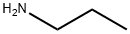
    Product Name: Propylamine
    Synonyms: 1-Aminopropan;1-Amino-propan;1-Propylamine;Monopropylamine;n-C3H7NH2;Propanamine;Propylamin;n-Propylaminwe
    CAS: 107-10-8
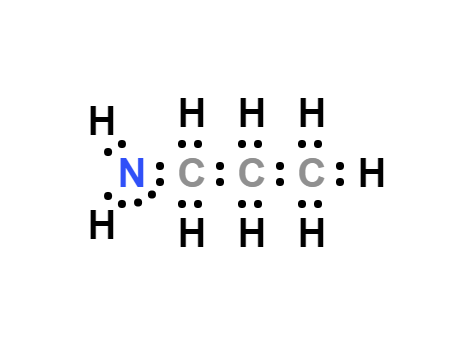
    MF: C3H9N
    MW: 59.11
    EINECS: 203-462-3
    Product Categories: Alkylamines;Monofunctional & alpha,omega-Bifunctional Alkanes;Monofunctional Alkanes;bc0001;T0001;KT00001
    Mol File: 107-10-8.mol
    Shop Propylamine107-10-8-Detailed Image 1

    Propylamine Chemical Properties
    Melting point  -83 °C (lit.)
    Boiling point  48 °C (lit.)
    density  0.719 g/mL at 25 °C (lit.)
    vapor density  2 (vs air)
    vapor pressure  4.79 psi ( 20 °C)
    refractive index  n20/D 1.388(lit.)
    FEMA  4237 | PROPYLAMINE
    Fp  −35 °F
    storage temp.  Store below +30°C.
    solubility  water: soluble0.4 part(lit.)
    pka 10.6(at 20℃)
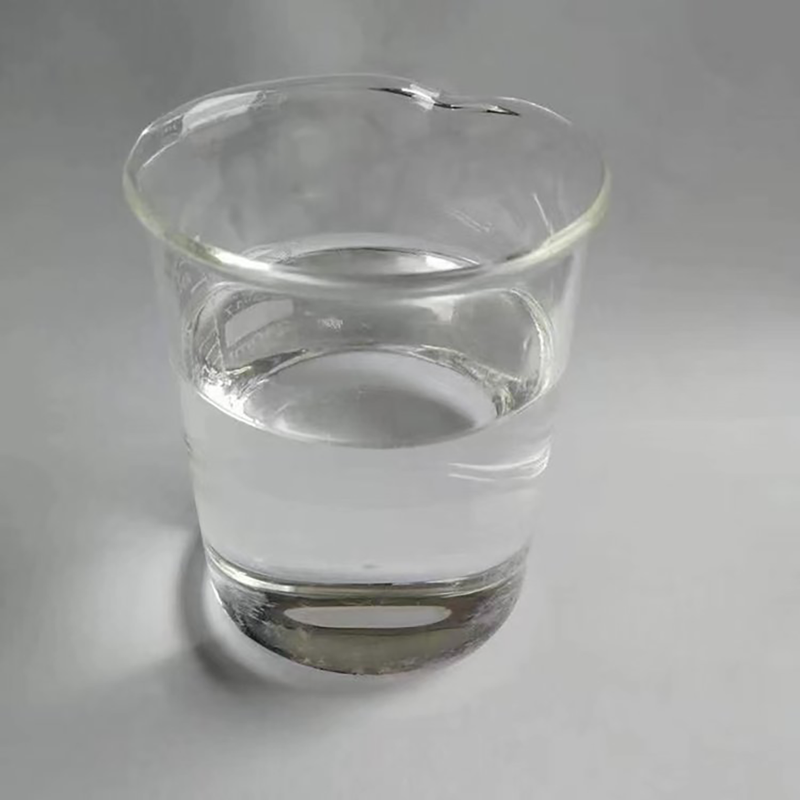
    form  Liquid
    color  Clear colorless to pale yellow
    Specific Gravity 0.7173
    PH 12.6 (100g/l, H2O, 20℃)
    Odor ammoniacal
    Odor Threshold 0.061ppm
    Odor Type ammoniacal
    biological source human blood
    explosive limit 2.1-13.6%(V)
    Water Solubility  soluble
    Sensitive  Air Sensitive
    Merck  14,7843
    JECFA Number 1580
    BRN  1098243
    Henry's Law Constant 6.6×10⁻¹ mol/(m3Pa) at 25℃, Burkholder et al. (2019)
    Exposure limits No exposure limit has been set. Based on its similarity to ethylamine in irritation and toxicity, a TLV-TWA of 10 ppm (~24 mg/m3) should be appropriate. .
    Dielectric constant 3.0(Ambient)
    Stability: Stable. Highly flammable. Note low flash point. Readily forms explosive mixtures with air. Incompatible with oxidising agents, strong acids. Store cool.
    InChI 1S/C3H9N/c1-2-3-4/h2-4H2,1H3
    InChIKey WGYKZJWCGVVSQN-UHFFFAOYSA-N
    SMILES CCCN
    LogP 0.55
    CAS DataBase Reference 107-10-8(CAS DataBase Reference)
    NIST Chemistry Reference 1-Propanamine(107-10-8)
    EPA Substance Registry System Propylamine (107-10-8)

    Safety Information
    Hazard Codes  F,C
    Risk Statements  11-20/21/22-34-35-52/53
    Safety Statements  26-36/37/39-45-16-7/9-36-61
    RIDADR  UN 1277
    WGK Germany  1
    RTECS  UH9100000
    34
    Autoignition Temperature 604 °F
    TSCA  TSCA listed
    HS Code  2921 19 99
    HazardClass  3
    PackingGroup  II
    Storage Class 3 - Flammable liquids
    Hazard Classifications Acute Tox. 3 Dermal
    Acute Tox. 3 Inhalation
    Acute Tox. 4 Oral
    Eye Dam. 1
    Flam. Liq. 2
    Met. Corr. 1
    Skin Corr. 1B
    STOT SE 3
    Hazardous Substances Data 107-10-8(Hazardous Substances Data)
    Toxicity LD50 orally in rats: 0.57 g/kg (Smyth)

    Propylamine Usage And Synthesis
    Chemical Properties n-Propylamine, also known as propylamine, is a colorless liquid with a pungent odor resembling ammonia. It has strong basic properties, leading to its easy formation of salts when combined with acids. Its reactivity is similar to that described for the other short chain aliphatic amines (Astel 1961).
    Shop Propylamine107-10-8-Detailed Image 2
    Uses n-Propylamine is used as an intermediate inmany organic reactions. It has been used in the synthesis of single crystals of siliceous ferrierite.
    Uses 1-Propylamine is used in chemical analysis and to make other chemicals, used as a solvent in organic synthesis. And it is used as finishing agent of drugs, paints, rubber, fiber, textile and resin. Additionally, it can be used as petroleum additive and preservative.
    Definition ChEBI: Propylamine is a member of the class of alkylamines that is propane substituted by an amino group at C-1. It is a conjugate base of a propan-1-aminium.
    Production Methods There are several methods employed in the manufacture of propylamine. Typically, ammonia and propanol are reacted over a dehydration catalyst at high temperature and pressure. Ammonia, propanol, and hydrogen can also be reacted over a dehydrogenation catalyst such as metallic silver. Propylamine can also be synthesized from propionaldehyde and ammonia with a Raney nickel catalyst (Schweizer et al 1978).
    Aroma threshold values High strength odor; ammoniacal type; recommend smelling in a 0.10% solution or less.
    General Description A clear colorless liquid with an ammonia-like odor. Flash point -35°F. Less dense than water and soluble in water. Vapors are heavier than air. Produces toxic oxides of nitrogen during combustion. Used in chemical analysis and to make other chemicals.
    Air & Water Reactions Highly flammable. Slightly soluble in water.
    Reactivity Profile Colorless, alkaline liquid, very volatile (b. p. 48° C), moderately toxic, highly flammable. Dangerous fire hazard when exposed to heat, flame, sparks, or strong oxidizers. When heated to decomposition Propylamine emits toxic fumes of oxides of nitrogen. Incompatible with triethylaluminum, complex may explode on sublimation [Chini, P. et al., Chim. e Ind (Milan), 1962, 44, p. 1220].
    Hazard Highly flammable, dangerous fire risk, explosive limits in air 2–10%, use alcohol foam to extinguish. Strong irritant to skin and tissue.
    Health Hazard n-Propylamine is a strong irritant and a mod erately toxic substance. the toxic routes areinhalation, ingestion, and absorption throughthe skin. Contact of the liquid on the skincan cause burns and possibly skin sensitization. Irritation in the eyes from exposure tohigh concentrations can be severe. It is a respiratory tract irritant, similar to ethylamine.Inhalation of 2300 ppm of n-propylamine for4 hours caused labored breathing, hepatitis,and hepatocellular necrosis in rats. It is somewhat less toxic than ethylamine by oral anddermal routes.
    LC50 value, inhalation (mice): 2500 mg/m3/2 hr

    LD50 value, oral (rats): 570 mg/kg
    LD50 value, skin (rabbits): 560 mg/kg.
    Fire Hazard Highly flammable liquid; flash point (closed cup) -37°C (-35°F); vapor density 2.0 (air = 1), vapor can travel a considerable distance to a source of ignition and flash back; autoignition temperature 318°C (604°F); fire extinguishing agent: dry chemical, CO2, or “alcohol” foam; water should be used to keep fire-exposed containers cool and to flush and dilute the spill.
    n-Propylamine forms explosive mixtures in air; LEL and UEL values are 2.0% and 10.4% by volume in air, respectively. There is no report of explosion associated with this compound. It is expected to exhibit violent reactions characteristic of lower aliphatic primary amines .
    Industrial uses Propylamine is important as a chemical intermediate for rubber chemicals, dyestuffs, propyl isocyanate, textile and leather finishing resins and corrosion inhibitors. It is also used in the production of pharmaceuticals such as Prilocaine, pesticides including Profluralin and in petroleum additives. In 1976, 500 tons of propylamine were manufactured in the U.S. (HSDB 1988).
    Safety Profile Moderately toxic by inhalation, ingestion, and skin contact routes. A skin and severe eye irritant. Possibly a skin sensitizer. Very dangerous fire hazard when exposed to heat, flame, or oxidizers. Explosive in the form of vapor when exposed to heat or flame. To fight fire, use alcohol foam. When heated to decomposition it emits toxic fumes of NOx. Incompatible with triethynyl aluminum. See also AMINES.
    Potential Exposure Propylamine is used to make textile resins, drugs, pesticides, and other chemicals.
    Metabolism To date, there are several studies which indicate that propylamine may be metabolized in many animal species, including man. When propylamine hydrochloride was administered to humans orally, little of the parent compound was recovered in the urine (Rechenberger 1940). It has also been reported that dogs are capable of metabolizing propylamine (Bernhard 1938). McEwen et al (1966) demonstrated that monoamine oxidase, purified from rabbit serum, was capable of oxidizing propylamine, although less actively than substituted phenylethylamines such as dopamine. Further characterization revealed that the protonated amine is bound by an unprotonated enzyme group, that the enzyme active site is composed of hydrophobic residues, and that interaction of the amine residues determines maximal velocity and affinity constant (McEwen and Sober 1967). Oxidation of the amine could be stimulated by the presence of aliphatic alcohols which apparently bond in a tertiary complex with the enzyme and substrate, thereby increasing the effectiveness of substrate binding.
    Other investigators have provided evidence that propylamine may not be a substrate for tissue monoamine oxidase. When given intraperitoneally to rats it had no effect on the liver enzyme and little effect on activity in the brain (Valiev 1974). Early work by Pugh and Quastel (1937) indicated that slices of rat brain did not metabolize propylamine.
    Shipping UN1277 Propylamine, Hazard Class: 3; Labels: 3-Flammable liquid, 8-Corrosive material.
    Purification Methods Distil the amine from zinc dust, under reduced pressure, in an atmosphere of nitrogen. [Beilstein 4 IV 464.]
    Incompatibilities Propylamine Vapors may form explosive mixture with air. Violent reaction on contact with oxidizers and mercury, strong acids; organic anhydrides; isocyanates, aldehydes, nitroparrafins, halogenated hydrocarbons; alcohols and many other compounds. Attacks many metals and alloys, especially those of copper. Aqueous solution is acidic and may attack glass.
    Toxics Screening Level The initial threshold screening level (ITSL) for propylarnine is 112 μg/m3 based on anannual averaging time.
    Waste Disposal Consult with environmental regulatory agencies for guidance on acceptable disposal practices. Generators of waste containing this contaminant (≥100 kg/mo) must conform with EPA regulations governing storage, transportation, treatment, and waste disposal.


    Shop 4-Aminopyridine504-24-5C5H6N2-Detailed Image 2 Shop 4-Aminopyridine504-24-5C5H6N2-Detailed Image 3 Shop Semaglutide 910463-68-2C187H291N45O59-Detailed Image 5 Shop Semaglutide 910463-68-2C187H291N45O59-Detailed Image 6 Shop Semaglutide 910463-68-2C187H291N45O59-Detailed Image 7 Shop Semaglutide 910463-68-2C187H291N45O59-Detailed Image 8


    Basic Info
    Product Name:

    Propylamine

    Other Name:

    1-Propanamine;Propylamine;1-Aminopropane;Mono-n-propylamine;n-Propylamine;1-Propylamine;Monopropylamine;NSC 7490;Propan-1-ylamine;(n-Propan-1-yl)amine;3-Aminopropane;Propan-1-amine;42939-71-9

    CAS No.:

    107-10-8

    Molecular Formula:

    C3H9N

    InChIKeys:

    InChIKey=WGYKZJWCGVVSQN-UHFFFAOYSA-N

    Molecular Weight:

    59.11

    Exact Mass:

    59.11

    BRN:

    1098243

    EC Number:

    203-462-3

    UNII:

    I76F18D635

    ICSC Number:

    0941

    NSC Number:

    7490

    UN Number:

    1277

    DSSTox ID:

    DTXSID6021878

    Color/Form:

    Colorless liquid

    Characteristics
    PSA:

    26

    XLogP3:

    0.15

    Appearance:

    Clear colorless to pale yellow Liquid

    Density:

    0.719 g/cm3 @ Temp: 20 °C

    Melting Point:

    -83 °C

    Boiling Point:

    48-49 °C

    Flash Point:

    −35 °F

    Refractive Index:

    n20/D 1.388(lit.)

    Water Solubility:

    H2O: soluble

    Storage Conditions:

    0-6°C

    Vapor Pressure:

    4.79 psi ( 20 °C)

    Vapor Density:

    2 (vs air)

    Toxicity:

    Inhalation-rat LC50: 2310PPM/4 hours; inhalation-mouse LC50: 2500 mg/m3/2 hours

    Flammability characteristics:

    Inflammable in case of open flame, high temperature, oxidant; burning produces toxic nitrogen oxide fumes

    Explosive limit:

    2.1-13.6%(V)

    Odor:

    Strong ammonia odor

    PH:

    Alkaline

    Henrys Law Constant:

    1.48e-05 atm-m3/mole|Henry's Law constant = 1.48X10⁻⁵ atm-cu m/mole at 25 °C

    Dissociation Constants:

    pKa = 10.71 (conjugate acid)

    Experimental Properties:

    CONVERSION UNITS: 1 MG/L= 414 PPM; 1 PPM= 2.42 MG/CU M|VAPOR PRESSURE: 400 MM HG AT 31.5 °C|Hydroxyl radical reaction rate constant = 3.3X10⁻¹¹ cu cm/molec-sec at 25 °C (est)

    Air and Water Reactions:

    Highly flammable. Slightly soluble in water.

    Reactive Group:

    Amines, Phosphines, and Pyridines

    Reactivity Alerts:

    Highly Flammable

    Reactivity Profile:

    Colorless, alkaline liquid, very volatile (b. p. 48° C), moderately toxic, highly flammable. Dangerous fire hazard when exposed to heat, flame, sparks, or strong oxidizers. When heated to decomposition it emits toxic fumes of oxides of nitrogen. Incompatible with triethylaluminum, complex may explode on sublimation [Chini, P. et al., Chim. e Ind (Milan), 1962, 44, p. 1220].

    Autoignition Temperature:

    604 °F (USCG, 1999)|604 °F (317 °C)|320 °C

    Heat of Combustion:

    -2365.3 kJ/mole at 25 °C (liquid)

    Flammable Limits:

    Lower flammable limit: 2% by volume; Upper flammable limit: 10.4% by volume

    Physical Dangers:

    The vapour is heavier than air and may travel along the ground; distant ignition possible.

    Heat of Vaporization:

    31.27 kJ/mol at 25 °C

    Critical Temperature & Pressure:

    Critical temperature: 497.0 K; critical pressure = 4.72 MPa

  • Seller Information
    Business Type:

    Trader

    Main Products:

    pharmaceutical intermediates,peptides,electronic chemicals

    Location:

    Room 102, 1st Floor, East Office Building, No. 45 Pengwan Road, Qianwan Bonded Port Area, Qingdao Zone, China (Shandong) Pilot Free Trade Zone

    Payment Terms:

    100% TT in advance

    Average lead Time:

    10

    Total Annual Revenue:

    $10 million-$25 million

    Total Employees:

    51-100

    Year of Establishment:

    2024

    A reliable supplier is like insurance.

    We are mainly specilized in supply of pharmaceutical intermediates, electronic chemicals,food additives, and other fine chemical products.
    Integrity is the foundation, quality is life. We would like to work together with you to build a greener and brighter future.

    Website: orientchem.cc
    Email: scarlett@orientchem.cc
    WhatsApp: +86 17753254221

  • Inquiry History
    1 Inquiries
    Country Product Purchase Quantity Date Posted
    Indonesia

    PA

    2 20' Fcl Oct 17, 2023
    Post an enquiry for this product
pic ×

Scan the QR Code to Share

All products displayed on this website are only for non-medical purposes such as industrial applications or scientific research, and cannot be used for clinical diagnosis or treatment of humans or animals. They are not medicinal or edible.

According to relevant laws and regulations and the regulations of this website, units or individuals who purchase hazardous materials should obtain valid qualifications and qualification conditions.

The information shown above is provided by the enterprise itself, and the authenticity, accuracy and legitimacy of the content are the responsibility of the publishing company. ECHEMI does not bear any guarantee responsibility for this. Please be aware that risks in internet transactions objectively exist.

Feedback & Suggestions
Send Message

Thank you for your feedback. If you require further assistance, please contact us by email at info@echemi.com or call us at +86-532-55729510.