Product
Supplier
Encyclopedia
Inquiry
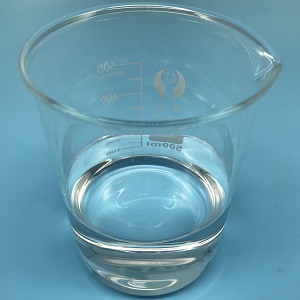
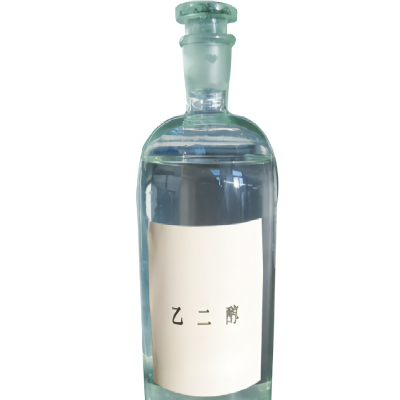
Diethanolamine111-42-2C4H11NO2 buy - large image1
Diethanolamine111-42-2C4H11NO2 buy - image1
Diethanolamine111-42-2C4H11NO2 buy - image2
Diethanolamine111-42-2C4H11NO2 buy - image3
Diethanolamine111-42-2C4H11NO2 buy - image4
Diethanolamine111-42-2C4H11NO2 buy - image5
Diethanolamine111-42-2C4H11NO2 buy - image6

Diethanolamine111-42-2C4H11NO2

29 Inquiries

Unit Price: Get Latest Price
CAS No.:

111-42-2

Grade:

Pharmaceutical Grade

Content:

99.5%

Port:

上海

Brand:

OORENT

Packaging:

Vial/Bottle/Bag/Carton

Price valid (until):

2026-07-16

Company Type:
Trader
Location:
China
Qualification:
Main Products:

pharmaceutical intermediates,peptides,electronic chemicals

  • Product Description

  • Seller Information

  • Inquiry History

  • Description

    Product Detail  

    Diethanolamine Basic information
    Product Name: Diethanolamine
    Synonyms: 2,2'-DIHYDROXYDIETHYLAMINE;2,2-IMINODIETHANOL;2,2'-IMINODIETHANOL,BIS(BETA-HYDROXYETHYL)AMINE;Bis(beta-hydroxyethyl)amine;DETHANOLOMINE;Diethanlamine (DEA);DIETHANOLAMINE, ACS;DIETHANOLAMINE 98.5% A.C.S. REAGENT
    CAS: 111-42-2
    MF: C4H11NO2
    MW: 105.14
    EINECS: 203-868-0
    Product Categories: Biological Buffers;Buffers A to Z;Amino Alcohols;Building Blocks;Chemical Synthesis;Organic Building Blocks;Analytical Chemistry;Mass Spectrometry;Matrix Materials (FABMS & liquid SIMS);Oxygen Compounds;ACS Grade;Essential Chemicals;Inorganic Salts;Research Essentials;Pharmaceutical Intermediates;Thanolamine Series;Solutions and Reagents;Chemical raw materials;111-42-2;1
    Mol File: 111-42-2.mol
    Shop Diethanolamine111-42-2C4H11NO2-Detailed Image 1

    Diethanolamine Chemical Properties
    Melting point  28 °C (lit.)
    Boiling point  217 °C/150 mmHg (lit.)
    density  1.097 g/mL at 25 °C (lit.)
    vapor density  3.6 (vs air)
    vapor pressure  <0.98 atm ( 100 °C)
    refractive index  n20/D 1.477(lit.)
    Fp  280 °F
    storage temp.  2-8°C
    solubility  H2O: 1 M at 20 °C, clear, colorless
    form  Viscous Liquid or Low Melting Solid
    color  APHA: ≤15
    Specific Gravity 1.09
    Odor Mild ammoniacal; faint, fishy; characteristic.
    PH 11.0-12.0 (25℃, 1M in H2O)
    pka 8.88(at 25℃)
    explosive limit 2.1-10.6%(V)
    Water Solubility  MISCIBLE
    λmax λ: 260 nm Amax: 0.04
    λ: 280 nm Amax: 0.02
    Sensitive  Hygroscopic
    Merck  14,3107
    BRN  605315
    Henry's Law Constant 3.3×10³ mol/(m3Pa) at 25℃, Nguyen (2013)
    Exposure limits TLV-TWA 3 ppm (~13 mg/m3) (ACGIH).
    Dielectric constant 2.8(25℃)
    Stability: Stable. Incompatible with carbon dioxide, strong acids, strong oxidizing agents. Deliquescent.
    Cosmetics Ingredients Functions BUFFERING
    Cosmetic Ingredient Review (CIR) Diethanolamine (111-42-2)
    InChI 1S/C4H11NO2/c6-3-1-5-2-4-7/h5-7H,1-4H2
    InChIKey ZBCBWPMODOFKDW-UHFFFAOYSA-N
    SMILES OCCNCCO
    LogP -2.46 at 25℃
    Surface tension 47.2mN/m at 293.15K
    CAS DataBase Reference 111-42-2(CAS DataBase Reference)
    NIST Chemistry Reference Diethanolamine(111-42-2)
    IARC 2B (Vol. 77, 101) 2013
    EPA Substance Registry System Diethanolamine (111-42-2)

    Safety Information
    Hazard Codes  Xn
    Risk Statements  22-38-41-48/22
    Safety Statements  26-36/37/39-46
    RIDADR  3267
    OEB A
    OEL TWA: 3 ppm (15 mg/m3)
    WGK Germany  1
    RTECS  KL2975000
    3
    Autoignition Temperature 689 °F
    TSCA  TSCA listed
    HazardClass  9
    PackingGroup  II
    HS Code  29221200
    Storage Class 11 - Combustible Solids
    Hazard Classifications Acute Tox. 4 Oral
    Eye Dam. 1
    Repr. 2
    Skin Irrit. 2
    STOT RE 2 Oral
    Hazardous Substances Data 111-42-2(Hazardous Substances Data)
    Toxicity LD50 orally in rats: 12.76 g/kg (Smyth)
    MSDS Information
    Provider Language
    ACROS English
    SigmaAldrich English
    ALFA English

    Diethanolamine Usage And Synthesis
    Description Diethanolamine is an organic base which has been used as an emulsifying and dispersing agent.It can also be used as a basic buffer, with optimal pH about pH 9, if titrated with HCl or other acid. Other uses include: to "scrub" gases, as a chemical intermediate, as humectant or softening agent.
    Chemical Properties The USP32–NF27 describes diethanolamine as a mixture of ethanolamines consisting largely of diethanolamine. At about room temperature it is a white, deliquescent solid. Above room temperature diethanolamine is a clear, viscous liquid with a mildly ammoniacal odor.
    Shop Diethanolamine111-42-2C4H11NO2-Detailed Image 2
    Diethanolamine is used as surface-active agent in metal-cutting fluids and oils, as a corrosion inhibitor, as a dispersant in agricultural chemical formulations, and as an intermediate in the production of other compounds such as fatty acid condensates of diethanolamine which are extensively used in soaps and cosmetics as emulsifiers, thickeners, wetting agents and detergents (Beyer et al., 1983). In the cosmetic formulations, the concentration of diethanolamine may range from 1 to 25% (National Toxicology Program, 1999a).
    Uses Diethanolamine similar to triethanolamine (T775580) is used as a surfactant. It also has the potential to be a corrosion inhibitor by means of chemisorption.
    Uses To scrub gases as indicated under ethanolamine. Diethanolamine can be used with cracking gases and coal or oil gases which contain carbonyl sulfide that would react with monoethanolamine. As rubber chemicals intermediate. In the manufacture of surface active agents used in textile specialties, herbicides, petroleum demulsifiers. As emulsifier and dispersing agent in various agricultural chemicals, cosmetics, and pharmaceuticals. In the production of lubricants for the textile industry. As humectant and softening agent. In organic syntheses.
    Uses Diethanolamine is used in the production ofsurface-active agents and lubricants for thetextile industry; as an intermediate for rubberchemicals; as an emulsifier; as a humectantand softening agent; as a detergent in paints,shampoos, and other cleaners; and as anintermediate in resins and plasticizers.
    Preparation Diethanolamine is prepared commercially by the ammonolysis of ethylene oxide. The reaction yields a mixture of monoethanolamine, diethanolamine, and triethanolamine which is separated to obtain the pure products.
    Definition ChEBI: A member of the class of ethanolamines that is ethanolamine having a N-hydroxyethyl substituent.
    Production Methods Diethanolamine is produced with monoethanolamine and triethanolamine by ammonolysis of ethylene oxide; diethanolamine is then separated by distillation (Mullins 1978). In 1984, 166.2 million pounds of diethanolamine were produced in the United States (USTIC 1985).
    General Description Oily colorless liquid or solid white crystals. Slight rotten fish or ammonia odor. Denser than water.
    Air & Water Reactions Water soluble.
    Reactivity Profile 2,2'-Iminodiethanol is an aminoalcohol. Amines are chemical bases. They neutralize acids to form salts plus water. These acid-base reactions are exothermic. The amount of heat that is evolved per mole of amine in a neutralization is largely independent of the strength of the amine as a base. Amines may be incompatible with isocyanates, halogenated organics, peroxides, phenols (acidic), epoxides, anhydrides, and acid halides. Flammable gaseous hydrogen is generated by amines in combination with strong reducing agents, such as hydrides. 2,2'-Iminodiethanol is hygroscopic. 2,2'-Iminodiethanol may be sensitive to exposure to air and light. 2,2'-Iminodiethanol can react with oxidizing materials, acids, CO2, copper alloys, aluminum, zinc, galvanized iron and copper.
    Health Hazard The irritant action of diethanolamine on theeyes can be severe. Direct contact of thepure liquid can impair vision. Irritation onthe skin may be mild to moderate. Theacute oral toxicity of this compound waslow in test animals. The toxic symptomsinclude somnolence, excitement, and musclecontraction.
    LD50 value, oral (mice): 3300 mg/kg
    The vapor pressure of diethanolamine isnegligibly low (<0.01 torr at 20°C (68°F)).At ordinary temperature, this compoundshould not cause any inhalation hazard. Themists, fumes, or vapors at high temperatures,however, can produce eye, skin, and respiratory tract irritation.
    In contrast to monoethanolamine, dieth anolamine administered to mice at 1125 mg/kg/day caused no change in maternal mortality, litter size, or percentage survival of thepups (Environmental Health Research andTesting 1987).
    Fire Hazard Special Hazards of Combustion Products: Irritating vapors are generated when heated.
    Flammability and Explosibility Non flammable
    Chemical Reactivity Reactivity with Water : No reaction; Reactivity with Common Materials: No reaction; Stability During Transport: Stable; Neutralizing Agents for Acids and Caustics: Flush with water; Polymerization: Not pertinent; Inhibitor of Polymerization: Not pertinent.
    Pharmaceutical Applications Diethanolamine is primarily used in pharmaceutical formulations as a buffering agent, such as in the preparation of emulsions with fatty acids. In cosmetics and pharmaceuticals it is used as a pH adjuster and dispersant.
    Diethanolamine has also been used to form the soluble salts of active compounds, such as iodinated organic acids that are used as contrast media. As a stabilizing agent, diethanolamine prevents the discoloration of aqueous formulations containing hexamethylenetetramine-1,3-dichloropropene salts.
    Diethanolamine is also used in cosmetics.
    Industrial uses Diethanolamine undergoes reactions characteristic of secondary amines and of alcohols. Two industrially important reactions of the ethanolamines involve reaction with carbon dioxide or hydrogen sulfide to yield water soluble salts, and reaction with long chain fatty acids to form neutral ethanolamine soaps (Mullins 1978). Substituted ethanolamine compounds, such as soaps, are used extensively as emulsifiers, thickeners, wetting agents, and detergents in cosmetic formulations (including skin cleaners, creams, and lotions) (Beyer et al 1983).
    Diethanolamine is used as a dispersing agent in various agricultural chemicals, as an absorbent for acidic gases (hydrogen sulfide and carbon dioxide), as a humectant, as an intermediate in the synthesis of morpholine, as a surface-active agent in cutting fluids, as a corrosion inhibitor, as a component in textile specialty agents, and as a secondary vulcanization accelerator in the rubber industry. Diethanolamine is also used in cleaners and pharmaceutical ointments, in polyurethane formulations, in herbicides, and in a variety of organic syntheses (Beyer et al 1983; Mullins 1978; Windholz 1983). Diethanolamine is permitted in articles intended for use in the production, processing, or packaging of food (CFR 1981), and is permitted as a secondary direct food additive from use in delinting cottonseed in the production of cottonseed oil or meal cake (Fed. Reg. 1982). Because of the wide industrial and consumer uses, large amounts of this chemical are discharged into water and sewage in an unaltered form (Yordy and Alexander 1981).
    Contact allergens Diethanolamine is contained in many products, as a metalworking fuid. Traces may exist in other etha- nolamine-containing fuids.
    Safety Profile Poison by intraperitoneal route. Moderately toxic by ingestion and subcutaneous routes. Mildly toxic by skin contact. A severe eye and mild skin irritant. Experimental reproductive effects. Combustible when exposed to heat or flame; can react with oxidizing materials. To fight fire, use alcohol foam, water, Co2, dry chemical. When heated to decomposition it emits toxic fumes such as NOx. See also AMINES.
    Safety Diethanolamine is used in topical and parenteral pharmaceutical formulations, with up to 1.5% w/v being used in intravenous infusions. Experimental studies in dogs have shown that intravenous administration of larger doses of diethanolamine results in sedation, coma, and death.
    Animal toxicity studies suggest that diethanolamine is less toxic than monoethanolamine, although in rats the oral acute and subacute toxicity is greater. Diethanolamine is said to be heptacarcinogenic in mice and has also been reported to induce hepatic choline deficiency in mice.
    Diethanolamine is an irritant to the skin, eyes, and mucous membranes when used undiluted or in high concentration. However, in rabbits, aqueous solutions containing 10% w/v diethanolamine produce minor irritation. The lethal human oral dose of diethanolamine is estimated to be 5–15g/kg body-weight.
    The US Cosmetic Ingredient Review Expert Panel evaluated diethanolamine and concluded that it is safe for use in cosmetic formulations designed for discontinuous, brief use followed by thorough rinsing from the surface of the skin. In products intended for prolonged contact with the skin, the concentration of ethanolamines should not exceed 5%. Diethanolamine should not be used in products containing N-nitrosating agents.
    LD50 (guinea pig, oral): 2.0g/kg
    LD50 (mouse, IP): 2.3g/kg
    LD50 (mouse, oral): 3.3g/kg
    LD50 (rabbit, skin): 12.2g/kg
    LD50 (rat, IM): 1.5g/kg
    LD50 (rat, IP): 0.12g/kg
    LD50 (rat, IV): 0.78g/kg
    LD50 (rat, oral): 0.71g/kg
    LD50 (rat, SC): 2.2g/kg
    Potential Exposure Diethanolamine is present in machining and grinding fluids and has been detected in workplace air in the metal manufacturing industry. It was present in bulk cutting fluids at levels ranging from 4 to 5% (Kenyon et al., 1993). Diethanolamine has also been reported to be present in wetting fluids used in road paving. A level of 0.05 mg/m3 was detected in a stationary sample at a slurry machine discharging a bitumen emulsion containing 0.2% of the amine. All personal exposures were below the detection limit (0.02 mg/m3) (Levin et al., 1994). In a German study (1992–94), diethanolamine was measured in samples of metalworking fluids in a range of 0–44% (n = 69). The number of samples with diethanolamine present steadily declined from 90% to 60% over the study period (Pfeiffer et al., 1996).
    First aid If this chemical gets into the eyes, remove anycontact lenses at once and irrigate immediately for at least15 min, occasionally lifting upper and lower lids. Seek medical attention immediately. If this chemical contacts theskin, remove contaminated clothing and wash immediatelywith soap and water. Seek medical attention immediately. Ifthis chemical has been inhaled, remove from exposure,begin rescue breathing (using universal precautions, including resuscitation mask) if breathing has stopped and CPR ifheart action has stopped. Transfer promptly to a medicalfacility. When this chemical has been swallowed, get medical attention. Give large quantities of water and inducevomiting. Do not make an unconscious person vomit.
    Carcinogenicity When DEA was administered cutaneously to pregnant rats and rabbits during organogenesis, developmental toxicity (skeletal variations) was observed only in the rat and only at doses causing significant maternal toxicity.
    The 2003 ACGIH threshold limit valuetime- weighted average (TLV-TWA) is 3ppm (13mg/m3).
    Metabolism Treatment of Wistar or Sherman rats with diethanolamine caused increases in the formation of hepatic phospholipids (Artom et al 1949). In addition, dietary administration led to incorporation of ethanolamine into hepatic phospholipids (Artom et al 1949), and repeated oral administration of diethanolamine in drinking water (one to three wk) at a dose of 320 mg/kg/d was found to reduce the level of incorporation of ethanolamine and choline into hepatic and renal phospholipids in Sprague-Dawley rats (Barbee and Hrtung 1979b).
    Dermal absorption of diethanolamine is suggested to occur in rats since Nnitrosodiethanolamine was excreted in the urine of male Sprague-Dawley rats which had been administered diethanolamine by dermal application and given nitrite in their drinking water (Preussman et al 1981).
    storage Diethanolamine is hygroscopic and light- and oxygen-sensitive; it should be stored in an airtight container, protected from light, in a cool, dry place.
    Shipping UN2491 Ethanol amine or Ethanolamine solutions, Hazard class: 8; Labels: 8-Corrosive material.
    Purification Methods Fractionally distil the amine twice, then fractionally crystallise it from its melt. Its solubility in H2O is 10% at 20o. [Perrin & Dempsey Buffers for pH and Metal Ion Control Chapman & Hall, London 1974, Beilstein 4 H 283, 4 II 729, 4 III 689, 4 IV 1514.]
    Incompatibilities Diethanolamine is a secondary amine that contains two hydroxy groups. It is capable of undergoing reactions typical of secondary amines and alcohols. The amine group usually exhibits the greater activity whenever it is possible for a reaction to take place at either the amine or a hydroxy group.
    Diethanolamine will react with acids, acid anhydrides, acid chlorides, and esters to form amide derivatives, and with propylene carbonate or other cyclic carbonates to give the corresponding carbonates. As a secondary amine, diethanolamine reacts with aldehydes and ketones to yield aldimines and ketimines. Diethanolamine also reacts with copper to form complex salts. Discoloration and precipitation will take place in the presence of salts of heavy metals.
    Toxics Screening Level The initial threshold screening level (ITSL) for diethanolamine (DEA) is 0.2 μg/m3 (annual averaging time) and an acute ITSL for diethanolamine is 10 μg/m3 (8-hour averaging time).
    Waste Disposal Controlled incineration; incinerator equipped with a scrubber or thermal unit to reduce nitrogen oxides emissions
    Regulatory Status Included in the FDA Inactive Ingredients Database (IV infusions, ophthalmic solutions, and topical preparations). Included in medicines licensed in the UK. Included in the Canadian List of Acceptable Non-medicinal Ingredients.

    Diethanolamine Preparation Products And Raw materials
    Raw materials Ammonia-->ETHYLENE OXIDE-->Monoethanolamine-->Triethanolamine-->Crystal Violet
    Preparation Products Glyphosate-->Bis(2-chloroethyl)amine hydrochloride-->Casein-->2-Methoxyethanol-->N-(2-[4-(4-CHLOROPHENYL)PIPERAZIN-1-YL]ETHYL)-3-METHOXYBENZAMIDE-->Dropropizine-->4-(PYRROLIDIN-1-YLMETHYL)BENZENEBORONIC ACID, PINACOL ESTER 97%1-[4-(4,4,5,5-TETRAMETHYL-1,3,2-DIOXABOROLAN-2-YL)BENZYL]PYRROLIDINE-->PIPERAZINE HEXAHYDRATE-->4-(2-CYANOETHYLAMINOCARBONYL)PHENYLBORONIC ACID-->3-(2-CYANOETHYLAMINOCARBONYL)PHENYLBORONIC ACID-->4-(PIPERIDINE-1-CARBONYL)PHENYLBORONIC ACID-->Iminodiacetic acid-->4-CYANO-4-PHENYLPIPERIDINE HYDROCHLORIDE-->Cyclen-->fatliquor RCF I/II-->1-(3,5-DICHLOROPHENYL)PIPERAZINE-->Ketoconazole-->Desulfurizer,high efficiency-->1-(3-Chlorophenyl)piperazine dihydrochloride-->NORMEPERIDINE-->softener 101-->antistatic Agent P-->1-(3-Chlorophenyl)-4-(3-chloropropyl)piperazine hydrochloride-->4-phenyl-1-(p-tolylsulphonyl)piperidine-4-carboxylic acid-->1-(2,6-DIMETHYLPHENYL)PIPERAZINE-->MORPHOLINEFATTYACIDSALT-->2-[[4-[[4-[bis(2-hydroxyethyl)amino]-6-chloro-1,3,5-triazin-2-yl]amino]phenyl]azo]-p-cresol-->Chlormethine-->Fluorescent Brightener 220-->N-Methyldiethanolamine-->coconut oil alcohol acylamide-->Bis(2-chloroethyl)aminophosphonic dichloride-->N,N-BIS(2-CHLOROETHYL)-P-TOLUENESULFONAMIDE-->dodecay diethanol amine sulfate-->dodecylyl diethanol amide 1︰2 type-->coconut oil biethyl alcohol acylamine 1︰1 type-->Mechlorethamine hydrochloride-->lauroyl bi-ethyl alcohol acylamine 1︰1 type-->Cyclophosphamide monohydrate-->2-Bromo-N-(2-bromoethyl)ethanamine


        Shop Hypophosphorous acid6303-21-5-Detailed Image 3 Shop Hypophosphorous acid6303-21-5-Detailed Image 4 Shop Hypophosphorous acid6303-21-5-Detailed Image 5 Shop Hypophosphorous acid6303-21-5-Detailed Image 6 Shop Hypophosphorous acid6303-21-5-Detailed Image 7 Shop Hypophosphorous acid6303-21-5-Detailed Image 8


    The USP32–NF27 describes diethanolamine as a mixture of ethanolamines consisting largely of diethanolamine. At about room temperature it is a white, deliquescent solid. Above room temperature diethanolamine is a clear, viscous liquid with a mildly ammoniacal odor. ChEBI: A member of the class of ethanolamines that is ethanolamine having a N-hydroxyethyl substituent.Oily colorless liquid or solid white crystals. Slight rotten fish or ammonia odor. Denser than water.

    Basic Info
    Product Name:

    Diethanolamine

    Other Name:

    Ethanol,2,2′-iminobis-;Ethanol,2,2′-iminodi-;2,2′-Iminobis[ethanol];Diethanolamine;2,2′-Dihydroxydiethylamine;Di(2-hydroxyethyl)amine;Bis(2-hydroxyethyl)amine;2,2′-Iminodi-1-ethanol;Iminodiethanol;2,2′-Iminodiethanol;N,N-Diethanolamine;Diolamine;2-[(2-Hydroxyethyl)amino]ethanol;N,N-Bis(2-hydroxyethyl)amine;Bis(hydroxyethyl)amine;Di(β-hydroxyethyl)amine;Niax DEOA-LF;Dabco DEOA-LF;NSC 4959;DEA 80;DEAO-LF;N,N-Di(2-hydroxyethyl)amine;Diethanolamine 80;Tegoamin DEOA 85;DEOA LF;2,2′-Azanediyldiethanol;2,2′-Azanediylbis(ethanol);D 5230;DEOA;2-[(2-Hydroxyethyl)amino]ethan-1-ol;Tegoamin DEOA;8033-73-6;165126-26-1;1357848-47-5;2122854-14-0

    CAS No.:

    111-42-2

    UN No.:

    3082

    Molecular Formula:

    C4H11NO2

    InChIKeys:

    InChIKey=ZBCBWPMODOFKDW-UHFFFAOYSA-N

    Molecular Weight:

    105.13600

    Exact Mass:

    105.14

    EC Number:

    263-179-6

    HScode:

    2922120090

    Characteristics
    PSA:

    52.49000

    XLogP3:

    -1.04850

    Appearance:

    solid or viscous liquid with an amine odour

    Density:

    1.0966 g/cm3 @ Temp: 20 °C

    Melting Point:

    28 °C

    Boiling Point:

    268.8 °C @ Press: 760 Torr

    Flash Point:

    179ºC

    Refractive Index:

    1.475-1.479

    Water Solubility:

    Micible with water.

    Storage Conditions:

    Store at RT

    Vapor Pressure:

    <0.98 atm ( 100 °C)

    Vapor Density:

    3.6 (vs air)

    Toxicity:

    LD50 orally in rats: 12.76 g/kg (Smyth)

    Flammability characteristics:

    Class IIIB Combustible Liquid: Fl.P. at or above 200°F.
    Combustible Solid

    Explosive limit:

    vol% in air: 1.7.8

    Hazard Identification

    Classification of the substance or mixture

    Acute toxicity - Category 4, Oral

    Skin irritation, Category 2

    Serious eye damage, Category 1

    Specific target organ toxicity – repeated exposure, Category 2

    GHS label elements, including precautionary statements

    Pictogram(s)

    Signal word

    Danger

    Hazard statement(s)

    H302 Harmful if swallowed

    H315 Causes skin irritation

    H318 Causes serious eye damage

    H373 May cause damage to organs through prolonged or repeated exposure

    Precautionary statement(s)
    Prevention

    P264 Wash ... thoroughly after handling.

    P270 Do not eat, drink or smoke when using this product.

    P280 Wear protective gloves/protective clothing/eye protection/face protection/hearing protection/...

    P260 Do not breathe dust/fume/gas/mist/vapours/spray.

    Response

    P301+P317 IF SWALLOWED: Get medical help.

    P330 Rinse mouth.

    P302+P352 IF ON SKIN: Wash with plenty of water/...

    P321 Specific treatment (see ... on this label).

    P332+P317 If skin irritation occurs: Get medical help.

    P362+P364 Take off contaminated clothing and wash it before reuse.

    P305+P354+P338 IF IN EYES: Immediately rinse with water for several minutes. Remove contact lenses, if present and easy to do. Continue rinsing.

    P317 Get medical help.

    P319 Get medical help if you feel unwell.

    Storage

    none

    Disposal

    P501 Dispose of contents/container to an appropriate treatment and disposal facility in accordance with applicable laws and regulations, and product characteristics at time of disposal.

    Other hazards which do not result in classification

    no data available

    Handling and Storage

    Precautions for safe handling

    NO open flames. Handling in a well ventilated place. Wear suitable protective clothing. Avoid contact with skin and eyes. Avoid formation of dust and aerosols. Use non-sparking tools. Prevent fire caused by electrostatic discharge steam.

    Conditions for safe storage, including any incompatibilities

    Separated from strong oxidants and acids. Dry.Keep container tightly closed in a dry and well-ventilated place. Containers which are opened must be carefully resealed and kept upright to prevent leakage. Air sensitive.

  • Seller Information
    Business Type:

    Trader

    Main Products:

    pharmaceutical intermediates,peptides,electronic chemicals

    Location:

    Room 102, 1st Floor, East Office Building, No. 45 Pengwan Road, Qianwan Bonded Port Area, Qingdao Zone, China (Shandong) Pilot Free Trade Zone

    Payment Terms:

    100% TT in advance

    Average lead Time:

    10

    Total Annual Revenue:

    $10 million-$25 million

    Total Employees:

    51-100

    Year of Establishment:

    2024

    A reliable supplier is like insurance.

    We are mainly specilized in supply of pharmaceutical intermediates, electronic chemicals,food additives, and other fine chemical products.
    Integrity is the foundation, quality is life. We would like to work together with you to build a greener and brighter future.

    Website: orientchem.cc
    Email: scarlett@orientchem.cc
    WhatsApp: +86 17753254221

  • Inquiry History
    29 Inquiries
    Country Product Purchase Quantity Date Posted
    Malaysia

    ETHANOLAMINE

    200 KG Sep 20, 2023
    United States

    diethanolamine 99%

    20 MT Jun 30, 2026
    India

    Diethanolamine 99%

    1 20' Fcl May 26, 2026
    India

    Diethanolamine

    3.00 L May 22, 2026
    Sri Lanka

    Diethanolamine

    160 L Mar 26, 2026
    India

    Diethanolamine

    50.00 MT Oct 27, 2025
    Uzbekistan

    Diethanolamine (DEA) 85%

    85 TON May 19, 2025
    Algeria

    DEA

    250 MT Mar 28, 2025
    India

    Diethanolamine

    660.00 KG Aug 28, 2024
    South Korea

    Diethanolamine

    1 TON Jul 29, 2024
    Uzbekistan

    Dea 85%

    90 TON Jun 27, 2024
    Lebanon

    Diethanolamine

    400 KG Jan 8, 2024
    Pakistan

    Diethanolamine Gluconate

    25 KG Sep 12, 2023
    India

    Diethanolamine Dea

    17 MT Jul 27, 2026
    Argentina

    Diethanolamine

    40000 KG Mar 19, 2026
    India

    Diethanlamine DEA 99.5%

    10 MT Mar 8, 2025
    Russia

    Diethanolamine

    25 KG Nov 11, 2024
    India

    diethanolamine

    10 MT Sep 24, 2024
    Uzbekistan

    DEA 85%

    90 TON Jul 25, 2024
    India

    Di ethnol amine

    10.00 MT Jun 13, 2024
    • 1
    • 2
    • Go to Page Go
    Post an enquiry for this product
pic ×

Scan the QR Code to Share

All products displayed on this website are only for non-medical purposes such as industrial applications or scientific research, and cannot be used for clinical diagnosis or treatment of humans or animals. They are not medicinal or edible.

According to relevant laws and regulations and the regulations of this website, units or individuals who purchase hazardous materials should obtain valid qualifications and qualification conditions.

The information shown above is provided by the enterprise itself, and the authenticity, accuracy and legitimacy of the content are the responsibility of the publishing company. ECHEMI does not bear any guarantee responsibility for this. Please be aware that risks in internet transactions objectively exist.

Feedback & Suggestions
Send Message

Thank you for your feedback. If you require further assistance, please contact us by email at info@echemi.com or call us at +86-532-55729510.