Product
Supplier
Encyclopedia
Inquiry
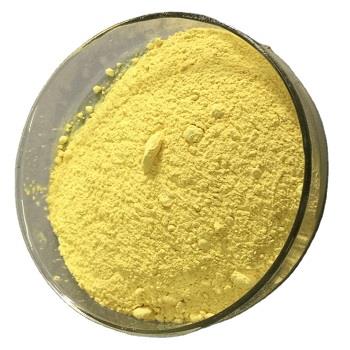
Lead monoxide1317-36-8 buy - large image1
Lead monoxide1317-36-8 buy - image1
Lead monoxide1317-36-8 buy - image2
Lead monoxide1317-36-8 buy - image3
Lead monoxide1317-36-8 buy - image4
Lead monoxide1317-36-8 buy - image5
Lead monoxide1317-36-8 buy - image6

Lead monoxide1317-36-8

11 Inquiries

Unit Price:

$33-34/MT FOB

Get Latest Price
CAS No.:

1317-36-8

Grade:

Industrial Grade

Content:

99.5%

Port:

上海

Brand:

OORENT

Packaging:

Vial/Bottle/Bag/Carton

Price valid (until):

2026-07-18

Company Type:
Trader
Location:
China
Qualification:
Main Products:

pharmaceutical intermediates,peptides,electronic chemicals

  • Product Description

  • Seller Information

  • Inquiry History

  • Description

    Product Detail

    Lead monoxide Basic information
    Chemical properties Uses applications Toxicity production
    Product Name: Lead monoxide
    Synonyms: RED LEAD;litharge regular;yellow lead monoxide;Yellow Lead Oxide Granular;LEAD OXIDE (YELLOW)/LITHARGE;LEAD OXIDE YELOW PB;LEAD(II) OXIDE 99+% A.C.S. REAGENT;LEAD(II) OXIDE, DAC, B. P. C.
    CAS: 1317-36-8
    MF: OPb
    MW: 223.1994
    EINECS: 215-267-0
    Product Categories: Oxides;Catalysis and Inorganic Chemistry;Chemical Synthesis;LeadMetal and Ceramic Science;I-N, Puriss p.a.Metal and Ceramic Science;Analytical Reagents for General Use;Inorganics;Lead;Metal and Ceramic Science;Puriss p.a.;ACS GradeChemical Synthesis;Essential Chemicals;Routine Reagents;metal oxide;Inorganic Chemicals
    Mol File: 1317-36-8.mol
    Shop Lead monoxide1317-36-8-Detailed Image 1

    Lead monoxide Chemical Properties
    Melting point  886 °C(lit.)
    Boiling point  1470 °C
    bulk density 3500-3700kg/m3
    density  9.53
    vapor pressure  10 mm Hg ( 0 °C)
    refractive index  2.67
    storage temp.  Store below +30°C.
    solubility  Soluble in concentrated alkali, HCl and ammonium chloride. Insoluble in dilute alkali and alcohol.
    form  powder
    color  yellow
    Specific Gravity 9.53
    PH 8-9 (100g/l, H2O, 20℃)(slurry)
    Water Solubility  Soluble in concentrated alkali, hydrochloric acid, and ammonium chloride. Insoluble in water, dilute alkali and alcohol.
    Crystal Structure Rutile type
    Hydrolytic Sensitivity 4: no reaction with water under neutral conditions
    crystal system square
    Merck  14,5413
    Space group P42/mnm
    Lattice constant
    a/nm b/nm c/nm α/o β/o γ/o V/nm3
    0.4955 0.4955 0.3383 90 90 90 0.0831
    Exposure limits ACGIH: TWA 0.05 mg/m3
    NIOSH: IDLH 100 mg/m3; TWA 0.050 mg/m3
    Stability: Stable. Reacts violently with hydrogen peroxide, strong oxidizing agents, aluminium, zirconium, halogens, sulphur trioxide, boron, silicon, sodium, zinc.
    InChI 1S/O.Pb
    InChIKey YEXPOXQUZXUXJW-UHFFFAOYSA-N
    SMILES O=[PbH2]
    CAS DataBase Reference 1317-36-8(CAS DataBase Reference)
    NIST Chemistry Reference Lead monoxide(1317-36-8)
    EPA Substance Registry System Lead monoxide (1317-36-8)

    Safety Information
    Hazard Codes  T,N
    Risk Statements  61-20/22-33-50/53-62
    Safety Statements  53-45-60-61
    RIDADR  UN 2291 6.1/PG 3
    WGK Germany  3
    RTECS  OG1750000
    TSCA  TSCA listed
    HS Code  2824 10 00
    HazardClass  6.1(b)
    PackingGroup  III
    Storage Class 6.1C - Combustible acute toxic Cat.3
    toxic compounds or compounds which causing chronic effects
    Hazard Classifications Acute Tox. 4 Inhalation
    Acute Tox. 4 Oral
    Aquatic Acute 1
    Aquatic Chronic 1
    Carc. 2
    Lact.
    Repr. 1A
    STOT RE 1
    Hazardous Substances Data 1317-36-8(Hazardous Substances Data)
    Toxicity LD50 i.p. in rats: 40 mg Pb/100g (Bradley, Fredrick)
    MSDS Information
    Provider Language
    ACROS English
    SigmaAldrich English
    ALFA English

    Lead monoxide Usage And Synthesis
    Chemical properties Lead monoxide is a yellow tetragonal powder; insoluble in water and ethanol; soluble in acetone, nitric acid, caustic soda and ammonium chloride.
    Shop Lead monoxide1317-36-8-Detailed Image 2
    It is amphoteric oxide and thus dissolves both in acids and in alkalies.
    PbO + 2HNO3-->Pb(NO3)2+ H2O
    PbO+ 2NaOH -->Na2PbO2(Sod. plumbite)+ H2O
    On heating in air at 470°C it changes into red lead.
    6PbO +O2-->2Pb3O4(red lead)
    Uses 1. Lead oxide is Mainly used in electron tubes, picture tubes, optical glass, anti-X-ray lead glass and radiation-resistant rubber products.
    2. Used in smelting metal lead and preparing lead glass, lead compound, catalyst and paint drier.
    3. Used as analytical reagents, silicate flux, but also for the precipitation of amino acids
    4. Lead oxide is used in the manufacture of PVC plastic stabilizer and also is the raw materials of other lead salts. In the paint industry, it can be used with oil to make lead soap for paint driers. It can also be used in the manufacture of high refractive index optical glass, ceramic enamel, plane grinding agent of precision machine tool, medical raw materials and rubber coloring agent. It is also used for battery plate manufacturing, oil refining and so on.
    5. Used as pigments, metallurgical fluxes and paint driers, and also used in petroleum, rubber, glass, enamel and other industries
    6. Used as fluxing agents of decomposing silicate and metallurgy and paint driers, and also used for determination of gold and silver and precipitation of amino acids. It can be blended with glycerol to produce hard materials as adhesives in glass and rubber industry.
    applications Lead(II) Oxide is used as the starting material in the synthesis of Dibasic Lead Phthalate Hydrate (D417070); a compound that is used in vinyl wire insulation as a flame retardant.
    The principal use of lead monoxide is in the manufacture of pastes for the grids used in lead-acid batteries. It is also widely used in optical, electrical, and electronic glasses, as well as in .To render the lead compounds insoluble in foods, the glazes and vitreous enamels are prepared from frits, in which the lead monoxide is converted to lead bisilicate, for example.
    Litharge is also used in rubber as a vulcanizing agent, in lead soaps employed as driers in varnishes, in high-temperature lubricants, as a neutralizing agent in organic syntheses, as a heat stabilizer in plastics, and as a starting material in the production of pigments. The preparation, properties, and other uses of lead oxide are described in.
    Toxicity (1) see lead monoxide
    (2) The early poisoning symptom is that lead lines appear on the edge of the gums, which may not appear when obviously poisoning, and the skin is soil gray. Neurasthenic syndrome will also emerge in the early period of poisoning. The cerebellar poisoning can result in lead poisoning depression, lead poisoning mania, as well as lead toxicity and paralysis sensitivity multiple neuritis. The lead poisoning can also cause hypochromic anemia and metabolic and endocrine disorders. Moreover, the lead poisoning can inhibit the activity of certain enzymes in digestive system and cause indigestion, abdominal severe pain and liver damage. And it can also cause high blood pressure and cholesterol increasing.
    If there is severe abdominal pain, some measures can be taken, such as subcutaneous injection of atropine and other drugs, abdominal warm, enema, hot water bath and so on.
    The maximum allowable concentration in air is 0.01 mg/m3.
    Wearing mask in operation can block 95% to 97% of lead dust. When steam concentration is high, the filter-type gas mask or hose-type gas masks can be used to mandatorily supply fresh air. In the workplace, eating and smoking are prohibited during working hours. It is essential to take a shower after work and gargle and brush your teeth before meals and after work. After bathing, the lead on the hands or other contaminated parts should also be washed with 1% acetic acid solution. People who have symptoms of lead poisoning should be temporarily out of work, and serious people should be exchanged to the operating post long-termly exposed to lead.
    production (1) Lead oxidation method: heat lead for melting to make lead tablets, and then grind at 170~210℃ and roast for oxidation at high temperature above 600℃. The oxide products are grind to obtain the finished lead oxide.
    2Pb + O2-->2PbO
    (2) The lead oxidation method sees "lead monoxide".Lead monoxide can also be prepared by heating lead nitrate or lead carbonate as:
    2Pb(NO3)2-->2PbO+ 4NO2+O2
    PbCO3-->PbO +CO2
    Description Lead(II) oxide occurs in two polymorphs, red, having a tetragonal crystal structure and yellow, having an orthorhombic crystal structure. Both forms occur naturally as rare minerals. The red form is known as “Litharge” and the yellow form is known as “Massico”.
    Chemical Properties Lead monoxide, litharge, PbO, exists in a reddish alpha form up to 489 °C; it then transforms to a yellow beta form (massicot), which is stable at high temperatures. It has a water solubility of 17 mg/L at 20 °C, and is soluble in nitric acid, alkalies, lead acetate, ammonium chloride, and chlorides of calcium and strontium. In alkalies, it forms the plumbite ion, [PbO2]2 . Lead oxides are produced industrially by thermal processes in which lead is directly oxidized with air. In the ball mill process, metallic lead balls are tumbled in air to produce a “leady” oxide, which typically contains 20-35% free lead. The Barton pot process oxidizes droplets of molten lead at ca. 430°C to produce either litharge or leady litharge.
    Physical properties The oxide exhibits two crystalline modifications, the reddish or orange-red alpha form, known as litharge, and the yellow beta form, massicot. The alpha form constitutes tetragonal crystals while the beta modification is a yellow amorphous powder of orthorhombic crystal structure. The alpha form is stable at ordinary temperatures, converting to the beta form when heated at 489°C; density 9.35 g/cm3 (beta form); Moh’s hardness 2 (alpha form); the oxide melts at 888°C; vaporizes at 1,472°C with decomposition; vapor pressure 1 torr at 943°C and 5 torr at 1,039°C; practically insoluble in water (the solubility of alpha form is 17 mg/L at 20°C and that of beta form 23 mg/L at 22°C); insoluble in ethanol; soluble in dilute nitric acid and alkalies.
    Uses . Glazing pottery; glass flux for painting on porcelain and glass; lead glass; varnishes; with glycerol as metal cement; producing iridescent colors on brass and bronze; ; manufacture of artificial tortoise shell and horn; pigment for rubber; manufacture of boiled linseed oil; in assay of gold and silver ores.
    Uses Lead(II) oxide is employed mostly in lead-based industrial glass and industrial ceramics, including computer components. It is used as an intermediate/precursor in the manufacture of several products, for example water proof cements, lubricants, lubricating oils, inorganic pigments, lead soaps, petroleum refining, rubber, cathode ray tube glass, and polyvinyl chloride (PVC). It is useful for lead acid batteries as cathode and anode. Lead monoxide scores significant applications in oil, gas and chemical manufactures. It is an efficient catalyst for condensation reactions in organic synthesis.
    Production Methods Lead monoxide is obtained commercially by two processes, Barton process and the Ball Mill process. The Ball-Mill process involves reaction of molten lead with oxygen or air, and in the Barton process atomized molten lead is stirred in a mechanical furnace above 550°C. The molten metal splashed by the stirring paddle comes in contact with air fed into the cover of the furnace through a pipe, thus forming a mist of finely divided lead monoxide. The mist also contains a small amount of unreacted lead. The mist is passed through an upright shaft where a major portion of unreacted lead falls back into the furnace. It is then rapidly cooled and collected in condensing chambers. The crude product may contain 1 to 3% lead. It is finely ground and sold. The remaining lead in the crude product may be converted into the lead monoxide by stirring the molten mass in presence of air for several hours. The hot product is then cooled rapidly to a temperature below 300°C to prevent any formation of lead tetroxide, Pb3O4.
    In an alternate process, a variation of the above method, molten lead is atomized in a shaft furnace. An air stream carries the very finely divided metal into the hot zone of the shaft furnace where the metal evaporates and oxidizes producing very finely divided lead monoxide. The product is passed through the cold zone of the furnace and cooled rapidly. The product obtained is a yellow powdery material, the beta form of lead oxide, massicot, consisting of orthorhombic crystals.
    The red lead oxide (the tetragonal alpha modification) is obtained by slow cooling of the lead monoxide melt. The solidified mass may contain the red alpha form of the oxide resulting from slow cooling of the melt, under an outer layer of yellow beta form that may result from the rapid cooling of the outer portion.
    Lead monoxide also is produced by a modified Ball Mill process in which high purity lead balls placed in the mill are partially oxidized to produce black or grey oxide. Both the red and yellow form of the oxide may be prepared by alkaline dehydration of lead hydroxide, Pb(OH)2.
    General Description Odorless gray or yellow green or red-brown solid. Sinks in water.
    Reactivity Profile Lead monoxide has weak oxidizing or reducing powers. Redox reactions can however still occur. The majority of compounds in this class are slightly soluble or insoluble in water. If soluble in water, then the solutions are usually neither strongly acidic nor strongly basic. These compounds are not water-reactive. Aluminum carbide is oxidized with incandescence on warming with lead oxide, [Mellor, 1946, Vol. 5, 872]. Mixtures of lead oxide with aluminum powder(as with other metals: sodium, zirconium) give a violent explosions, [Mellor, 1946, Vol. 5, 217, 1941].
    Health Hazard General symptoms of lead poisoning (delayed). Inhalation or ingestion causes abdominal pain (lead colic), metallic taste in mouth, loss of weight, pain in muscles, and muscular weakness. Dust may irritate eyes.
    Flammability and Explosibility Not classified
    reaction suitability reagent type: catalyst
    core: lead
    Purification Methods Higher oxides are removed by heating under vacuum at 550o with subsequent cooling under vacuum. It is red at room temperature but becomes yellow at high temperatures (~480o) reversibly. [Ray & Ogg J Am Chem Soc 78 5994 1956, Kwestroo et al. J Inorg Nucl Chem 29 39 1967.]

    Shop 3-Chloro-1-propene107-05-1-Detailed Image 2 Shop 3-Chloro-1-propene107-05-1-Detailed Image 3 Shop 3-Chloro-1-propene107-05-1-Detailed Image 4 Shop 3-Chloro-1-propene107-05-1-Detailed Image 5 Shop 3-Chloro-1-propene107-05-1-Detailed Image 6 Shop 3-Chloro-1-propene107-05-1-Detailed Image 7


    Basic Info
    Product Name:

    Lead oxide (PbO)

    Other Name:

    Lead oxide (PbO);C.I. 77577;C.I. Pigment Yellow 46;Lead monooxide;Lead monoxide;Lead(II) oxide;Lead oxide yellow;Lead protoxide;Litharge Yellow L 28;Plumbous oxide;Yellow lead ocher;Lead oxide;Lead(2+) oxide;Litharge S;Litharge;Pigment Yellow 46;G 2;1309-59-7;12359-23-8

    CAS No.:

    1317-36-8

    Molecular Formula:

    OPb

    InChIKeys:

    InChIKey=YEXPOXQUZXUXJW-UHFFFAOYSA-N

    Molecular Weight:

    223.2

    Exact Mass:

    223.97200

    EC Number:

    215-267-0

    ICSC Number:

    0288

    NSC Number:

    57634

    UN Number:

    2291|3288|3077

    DSSTox ID:

    DTXSID0029638

    Color/Form:

    Exists in 2 forms: red to reddish-yellow, tetragonal crystals at ordinary temperature; yellow, orthorhombic crystals, stable above 489 °C|Yellow orthorhombic crystals

    Categories:

    Oxides and Peroxides

    Characteristics
    PSA:

    17.07000

    XLogP3:

    -0.49960

    Appearance:

    yellow powder

    Density:

    9.53 g/cm3

    Melting Point:

    888 °C

    Boiling Point:

    1470 °C

    Refractive Index:

    2.67

    Water Solubility:

    soluble in concentrated alkali, hydrochloric acid, and ammonium chloride.Insoluble in water, dilute alkali and alcohol.

    Storage Conditions:

    Store below +30°C.

    Vapor Pressure:

    10 mm Hg ( 0 °C)

    Toxicity:

    Abdominal cavity-rat LDL0: 430 mg/kg; abdominal cavity-mouse LD50: 217 mg/kg

    Flammability characteristics:

    Non-combustible substance; heat produces toxic leaded fumes

    PH:

    Strong base

    Experimental Properties:

    Commercial grades are yellow to reddish, depending on treatment and purity|At 300-450 °C in air converted slowly into lead tetraoxide (Pb3O4) but at higher temp reverts to lead oxide (PbO)|Reddish, alpha form (litharge)is stable up to 489 °C where it transforms to the yellow, beta form (massicot). The latter is stable at high temperatures.|Amphoteric, dissolving in acids and alkalies. In alkalies, it forms the plumbite ion, PbO2(2-).

    Air and Water Reactions:

    No rapid reaction with air. No rapid reaction with water.

    Reactive Group:

    Non-Redox-Active Inorganic Compounds

    Reactivity Profile:

    LITHARGE has weak oxidizing or reducing powers. Redox reactions can however still occur. The majority of compounds in this class are slightly soluble or insoluble in water. If soluble in water, then the solutions are usually neither strongly acidic nor strongly basic. These compounds are not water-reactive. Aluminum carbide is oxidized with incandescence on warming with lead oxide, [Mellor, 1946, Vol. 5, 872]. Mixtures of lead oxide with aluminum powder(as with other metals: sodium, zirconium) give a violent explosions, [Mellor, 1946, Vol. 5, 217, 1941].

    Hazard Identification

    Classification of the substance or mixture

    Acute toxicity - Category 4, Oral

    Acute toxicity - Category 4, Inhalation

    Carcinogenicity, Category 2

    Reproductive toxicity, Category 1A

    Reproductive toxicity, Additional category for effects on or via lactation

    Specific target organ toxicity – repeated exposure, Category 1

    Hazardous to the aquatic environment, short-term (Acute) - Category Acute 1

    Hazardous to the aquatic environment, long-term (Chronic) - Category Chronic 1

    GHS label elements, including precautionary statements

    Pictogram(s)

    Signal word

    Danger

    Hazard statement(s)

    H302 Harmful if swallowed

    H332 Harmful if inhaled

    H351 Suspected of causing cancer

    H360 May damage fertility or the unborn child

    H362 May cause harm to breast-fed children

    H372 Causes damage to organs through prolonged or repeated exposure

    H410 Very toxic to aquatic life with long lasting effects

    Precautionary statement(s)
    Prevention

    P264 Wash ... thoroughly after handling.

    P270 Do not eat, drink or smoke when using this product.

    P261 Avoid breathing dust/fume/gas/mist/vapours/spray.

    P271 Use only outdoors or in a well-ventilated area.

    P203 Obtain, read and follow all safety instructions before use.

    P280 Wear protective gloves/protective clothing/eye protection/face protection/hearing protection/...

    P260 Do not breathe dust/fume/gas/mist/vapours/spray.

    P263 Avoid contact during pregnancy and while nursing.

    P273 Avoid release to the environment.

    Response

    P301+P317 IF SWALLOWED: Get medical help.

    P330 Rinse mouth.

    P304+P340 IF INHALED: Remove person to fresh air and keep comfortable for breathing.

    P317 Get medical help.

    P318 IF exposed or concerned, get medical advice.

    P319 Get medical help if you feel unwell.

    P391 Collect spillage.

    Storage

    P405 Store locked up.

    Disposal

    P501 Dispose of contents/container to an appropriate treatment and disposal facility in accordance with applicable laws and regulations, and product characteristics at time of disposal.

    Other hazards which do not result in classification

    no data available

    Handling and Storage

    Precautions for safe handling

    Handling in a well ventilated place. Wear suitable protective clothing. Avoid contact with skin and eyes. Avoid formation of dust and aerosols. Use non-sparking tools. Prevent fire caused by electrostatic discharge steam.

    Conditions for safe storage, including any incompatibilities

    Separated from food and feedstuffs and incompatible materials. See Chemical Dangers.

  • Seller Information
    Business Type:

    Trader

    Main Products:

    pharmaceutical intermediates,peptides,electronic chemicals

    Location:

    Room 102, 1st Floor, East Office Building, No. 45 Pengwan Road, Qianwan Bonded Port Area, Qingdao Zone, China (Shandong) Pilot Free Trade Zone

    Payment Terms:

    100% TT in advance

    Average lead Time:

    10

    Total Annual Revenue:

    $10 million-$25 million

    Total Employees:

    51-100

    Year of Establishment:

    2024

    A reliable supplier is like insurance.

    We are mainly specilized in supply of pharmaceutical intermediates, electronic chemicals,food additives, and other fine chemical products.
    Integrity is the foundation, quality is life. We would like to work together with you to build a greener and brighter future.

    Website: orientchem.cc
    Email: scarlett@orientchem.cc
    WhatsApp: +86 17753254221

  • Inquiry History
    11 Inquiries
    Country Product Purchase Quantity Date Posted
    Pakistan

    Litharge Pbo

    20 MT Mar 10, 2026
    United States

    Lead monoxide

    1 MT Jun 8, 2025
    India

    lead mono oxide yellow

    2000.00 KG Nov 7, 2024
    Colombia

    LITHARGE

    27 TON Apr 3, 2024
    Namibia

    Litharge CHEMICAL

    1 TON Jan 15, 2024
    Serbia

    PbO lead oxide litharge yellow 99.5%

    1 MT Dec 27, 2023
    Pakistan

    LEAD OXIDE (LITHARGE) 99%

    500 KG Nov 29, 2023
    United States

    Litharge

    13000 KG Feb 26, 2026
    India

    Lead Oxide powder

    6000.00 KG Aug 11, 2025
    Germany

    OXIDE LEAD REAGENT LABORATORY INDUSTRIAL GRADE POWDERY GOLD CONTE

    400 KG Feb 4, 2025
    Egypt

    pbo lead oxide litharge yellow 99.5%

    50 KG Dec 20, 2024
    Post an enquiry for this product
pic ×

Scan the QR Code to Share

All products displayed on this website are only for non-medical purposes such as industrial applications or scientific research, and cannot be used for clinical diagnosis or treatment of humans or animals. They are not medicinal or edible.

According to relevant laws and regulations and the regulations of this website, units or individuals who purchase hazardous materials should obtain valid qualifications and qualification conditions.

The information shown above is provided by the enterprise itself, and the authenticity, accuracy and legitimacy of the content are the responsibility of the publishing company. ECHEMI does not bear any guarantee responsibility for this. Please be aware that risks in internet transactions objectively exist.

Feedback & Suggestions
Send Message

Thank you for your feedback. If you require further assistance, please contact us by email at info@echemi.com or call us at +86-532-55729510.