Product
Supplier
Encyclopedia
Inquiry
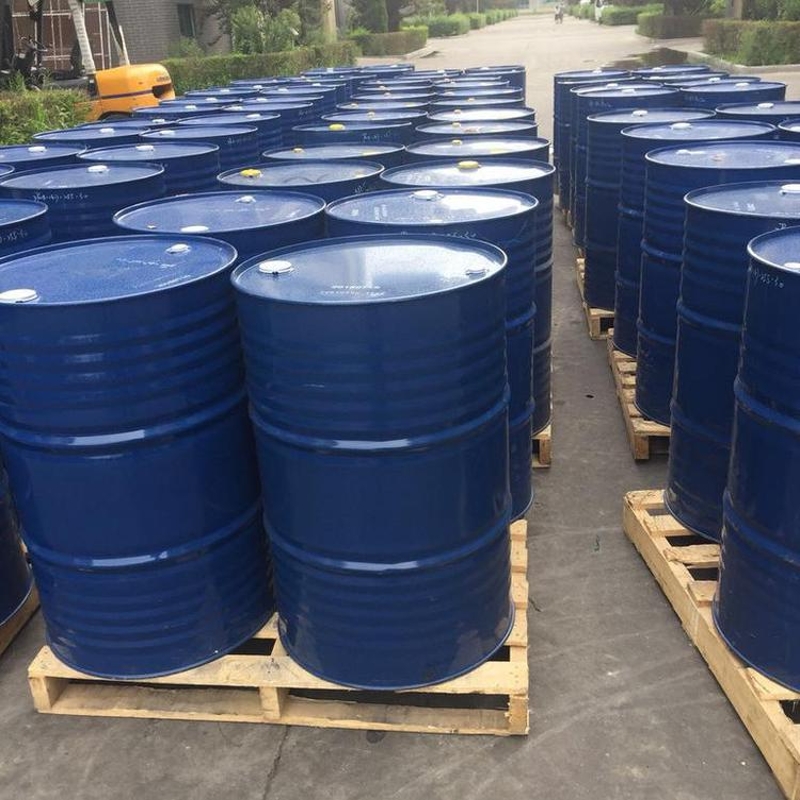
Heptane142-82-5 buy - large image1
Heptane142-82-5 buy - image1
Heptane142-82-5 buy - image2
Heptane142-82-5 buy - image3
Heptane142-82-5 buy - image4
Heptane142-82-5 buy - image5
Heptane142-82-5 buy - image6

Heptane142-82-5

22 Inquiries

Unit Price: Get Latest Price
CAS No.:

142-82-5

Grade:

Industrial Grade

Content:

99.5%

Port:

上海

Brand:

OORENT

Packaging:

Vial/Bottle/Bag/Carton

Price valid (until):

2026-07-18

Company Type:
Trader
Location:
China
Qualification:
Main Products:

pharmaceutical intermediates,peptides,electronic chemicals

  • Product Description

  • Seller Information

  • Inquiry History

  • Description

    Product Detail

    Heptane Basic information
    Product Name: Heptane
    Synonyms: Aliphatic hydrocarbon;Dipropylmethane;Eptani;Exxsol heptane;Gettysolve-C;Heptan;heptane(n-heptane);Heptanen
    CAS: 142-82-5
    MF: C7H16
    MW: 100.2
    EINECS: 205-563-8
    Product Categories: HPLC Solvents;n-Paraffins (GC Standard);Analytical Chemistry;Solvents for HPLC & Spectrophotometry;Solvents for Spectrophotometry;Standard Materials for GC;Composite Drums;ACS and Reagent Grade Solvents;Carbon Steel Cans with NPT Threads;Drums Product Line;Nutrition Research;Phytochemicals by Plant (Food/Spice/Herb);ReagentPlus;ReagentPlus Solvent Grade Products;Semi-Bulk Solvents;Solvent by Application;Zingiber officinale (Ginger);CHROMASOLV for HPLC;HPLC &;HPLC Grade Solvents (CHROMASOLV);HPLC/UHPLC Solvents (CHROMASOLV);UHPLC Solvents (CHROMASOLV);Biotech Solvents;Sure/Seal Bottles;Anhydrous;Anhydrous Solvents;Products;Returnable Containers;Reagent;Chemical Class;Spectrophotometric Grade Solvents;Spectrophotometric GradeSolvents;Chromatography/CE Reagents;Pestanal/Residue Analysis;Solvents - GC/SH;Biotech SolventsSolvents;Pesticide Residue Analysis (PRA) SolventsSolvent Bottles;PRA;E-H;Amber Glass Bottles;Analytical Reagents;Analytical Reagents for General Use;Analytical/Chromatography;Heptane;Multi-Compendial;Puriss p.a.;Solvent Bottles;Solvent by Type;Alpha Sort;Analytical Standards;Chromatography;E-L;Environmental Standards;Volatiles/ Semivolatiles;LC-MS Solvents;LC-MS Solvents &;Reagents (CHROMASOLV);Chromatography Reagents &;CHROMASOLV Plus;HPLC Plus Grade Solvents (CHROMASOLV);NOWPak Products;VerSA-Flow Products;E-H, Puriss p.a.;Puriss p.a.;Analytical Reagents for General Use;Anhydrous Grade SolventsSolvents;AnhydrousSolvents;Returnable Container Solvents;Solvent Bottles;Solvents;Sure/Seal? Bottles;LC-MS Solvents;Mass Spectrometry (MS)&LC-MS;Spectroscopy;Amber Glass Bottles;CHROMASOLV for HPLCSolvents;CHROMASOLV Solvents (HPLC, LC-MS);CHROMASOLV(R) HPLC Grade Solvents;Protein Sequencing;Protein Structural Analysis;Reagents for Protein Sequencing;CHROMASOLV PlusCHROMASOLV Solvents (HPLC, LC-MS);CHROMASOLV(R) Plus;LC-MS Plus and Gradient;ReagentPlus(R)Drums Product Line;Carbon Steel Cans with NPT Threads;Composite Drums;ReagentPlus(R) Solvent Grade Products;ReagentPlus(R)Semi-Bulk Solvents;ReagentPlus(R)Solvents;Alphabetic;H;HA -HTChemical Class;Hydrocarbons;Neats;Capillary GC Solvents;CHROMASOLV for HPLCSemi-Bulk Solvents;CHROMASOLV(R) for HPLCSolvents;NOWPak(R) Products;Semi-Bulk Solvents;VerSA-Flow? Products;Alpha Sort;E-LAlphabetic;HA -HT;Volatiles/ Semivolatiles;Solvent Packaging Options;HA -HT;Pharmaceutical Intermediates;bc0001;abz
    Mol File: 142-82-5.mol
    Shop Heptane142-82-5-Detailed Image 1

    Heptane Chemical Properties
    Melting point  −91 °C(lit.)
    Boiling point  98 °C(lit.)
    density  0.684 g/mL at 20 °C
    vapor density  3.5 (vs air)
    vapor pressure  40 mm Hg ( 20 °C)
    refractive index  n20/D 1.397
    Fp  30 °F
    storage temp.  Store at +5°C to +30°C.
    solubility  acetone: miscible(lit.)
    pka >14 (Schwarzenbach et al., 1993)
    form  Liquid
    color  ≤10(APHA)
    Specific Gravity 0.684 (20/4℃)
    Relative polarity 0.012
    Odor Gasoline.
    Odor Threshold 0.67ppm
    explosive limit 1-7%(V)
    Water Solubility  practically insoluble
    Thermal Conductivity 0.1222 W/(m·K) at 25 ℃
    λmax λ: 200 nm Amax: ≤1.0
    λ: 225 nm Amax: ≤0.10
    λ: 250 nm Amax: ≤0.01
    λ: 300-400 nm Amax: ≤0.005
    Merck  14,4659
    BRN  1730763
    Henry's Law Constant 0.901, 1.195, and 1.905(atmm3/mol) at 26.0, 35.8, and 45.0 °C, respectively (dynamic headspace, Hansen et al., 1995)
    Exposure limits ACGIH:TLV-TWA 200 ppm; TLV-STEL 400 ppm
    OSHA:PEL-TWA 500 ppm (2000 mg/m3)
    NIOSH:REL-TWA 85 ppm; REL-STEL 440 ppm [15-min]
    Dielectric constant 1.9(20℃)
    Stability: Stable. Incompatible with oxidizing agents, chlorine, phosphorus. Highly flammable. Readily forms explosive mixtures with air.
    Major Application microbiology
    Cosmetics Ingredients Functions SOLVENT
    InChI 1S/C7H16/c1-3-5-7-6-4-2/h3-7H2,1-2H3
    InChIKey IMNFDUFMRHMDMM-UHFFFAOYSA-N
    SMILES CCCCCCC
    LogP 4.660
    Surface tension 21.12mN/m at 293.15K
    CAS DataBase Reference 142-82-5(CAS DataBase Reference)
    NIST Chemistry Reference Heptane(142-82-5)
    EPA Substance Registry System Heptane (142-82-5)
    Absorption 0.10 at 225nm
    0.40 at 210nm
    1.0 at 197nm

    Safety Information
    Hazard Codes  F,Xn,N
    Risk Statements  11-38-50/53-65-67
    Safety Statements  9-16-29-33-60-61-62-23
    RIDADR  UN 1206
    OEB A
    OEL TWA: 85 ppm (350 mg/m3), Ceiling: 440 ppm (1800 mg/m3) [15-minute]
    WGK Germany  3
    RTECS  MI7700000
    3-10
    Autoignition Temperature 433 °F
    TSCA  TSCA listed
    HazardClass  3
    PackingGroup  II
    HS Code  29011000
    Storage Class 3 - Flammable liquids
    Hazard Classifications Aquatic Acute 1
    Aquatic Chronic 1
    Asp. Tox. 1
    Flam. Liq. 2
    Skin Irrit. 2
    STOT SE 3
    Hazardous Substances Data 142-82-5(Hazardous Substances Data)
    Toxicity LC (2 hr in air) in mice: 75 mg/l (Lazarew)
    IDLH 750 ppm
    MSDS Information
    Provider Language
    ACROS English
    SigmaAldrich English
    ALFA English

    Heptane Usage And Synthesis
    Chemical Properties n-Heptane is a flammable liquid, present in crude oil and widely used in the auto- mobile industry. For example, as a solvent, as a gasoline knock testing standard, as automotive starter fl uid, and paraffi nic naphtha. n-Heptane causes adverse health effects in occupational workers, such as CNS depression, skin irritation, and pain. Other compounds such as n-octane (CH 3 (CH 2 ) 6 CH 3 ), n-nonane (CH 3 (CH 2 ) 7 CH 3 ), and n-decane (CH 3 (CH 2 ) 8 CH 3 ) have different industrial applications. Occupational workers exposed to these compounds also show adverse health effects. In principle, manage- ment of these aliphatic compounds requires proper handling and disposal to avoid health problems and to maintain chemical safety standards for safety to workers and the living environment.
    Chemical Properties n-Heptane is a clear liquid which is highly flammable and volatile with a mild, gasoline-like odor. The odor threshold is 40 547 ppm; also reported @ 230 ppm.
    Physical properties Clear, colorless, very flammable liquid with a faint, pleasant odor resembling hexane or octane. Based on a triangle bag odor method, an odor threshold concentration of 670 ppbv was reported by Nagata and Takeuchi (1990).
    Uses As standard in testing knock of gasoline engines.
    Uses heptane is a solvent and viscosity-decreasing agent.
    Definition A colorless liquid alkane obtained from petroleum refining. It is used as a solvent.
    Definition Heptane is a straight-chain alkane with seven carbon atoms. It has been found in Jeffrey pine (Pinus jeffreyi). It has a role as a non-polar solvent and a plant metabolite. It is a volatile organic compound and an alkane. In standardizing octanenumbers, heptane is given a valuezero.
    Production Methods Heptane is produced in refining processes. Highly purified heptane is produced by adsorption of commercial heptane on molecular sieves.
    Synthesis Reference(s) Tetrahedron Letters, 3, p. 43, 1962 DOI: 10.1007/BF01499754
    General Description N-heptane is a clear colorless liquids with a petroleum-like odor. Flash point 25 °F. Less dense than water and insoluble in water. Vapors heavier than air.
    Air & Water Reactions Highly flammable. Insoluble in water.
    Reactivity Profile HEPTANE is incompatible with the following: Strong oxidizers .
    Hazard Toxic by inhalation. Flammable, dangerous fire risk.
    Health Hazard VAPOR: Not irritating to eyes, nose or throat. If inhaled, will cause coughing or difficult breathing. LIQUID: Irritating to skin and eyes. If swallowed, will cause nausea or vomiting.
    Fire Hazard FLAMMABLE. Flashback along vapor trail may occur. Vapor may explode if ignited in an enclosed area.
    Chemical Reactivity Reactivity with Water No reaction; Reactivity with Common Materials: No reactions; Stability During Transport: Stable; Neutralizing Agents for Acids and Caustics: Not pertinent; Polymerization: Not pertinent; Inhibitor of Polymerization: Not pertinent.
    Potential Exposure n-Heptane is used in graphics, textiles, adhesives, and coatings; as an industrial solvent and in the petroleum refining process; as a standard in testing knock of gasoline engines.
    First aid If this chemical gets into the eyes,Iremove; anycontact lenses at once and irrigate immediately for at least 15 min, occasionally lifting upper and lower lids. Seek med-ical ;attention immediately. If this chemical contacts theskin, remove contaminated clothing and wash immediatelywith soap and water. Seek medical attention immediately. Ifthis chemical has been inhaled, remove from exposure,begin rescue breathing (using universal precautions, includ-ing resuscitation mask) if breathing has stopped and CPR ifheart action has stopped. Transfer promptly to a medicalfacility. When this chemical has been swallowed, get medi-cal attention. Give large quantities of water and induce :vomiting. Do not make an unconscious person vomit.
    Source Schauer et al. (1999) reported heptane in a diesel-powered medium-duty truck exhaust at an emission rate of 470 g/km.
    Identified as one of 140 volatile constituents in used soybean oils collected from a processing plant that fried various beef, chicken, and veal products (Takeoka et al., 1996).
    Schauer et al. (2001) measured organic compound emission rates for volatile organic compounds, gas-phase semi-volatile organic compounds, and particle-phase organic compounds from the residential (fireplace) combustion of pine, oak, and eucalyptus. The gas-phase emission rate of heptane was 28.9 mg/kg of pine burned. Emission rates of heptane were not measured during the combustion of oak and eucalyptus.
    California Phase II reformulated gasoline contained heptane at a concentration of 9,700 mg/kg.
    Gas-phase tailpipe emission rates from gasoline-powered automobiles with and without catalytic converters were 1.82 and 268 mg/km, respectively (Schauer et al., 2002).
    Environmental fate Biological. Heptane may biodegrade in two ways. The first is the formation of heptyl hydroperoxide, which decomposes to 1-heptanol followed by oxidation to heptanoic acid. The other pathway involves dehydrogenation to 1-heptene, which may react with water forming 1- heptanol (Dugan, 1972). Microorganisms can oxidize alkanes under aerobic conditions (Singer and Finnerty, 1984). The most common degradative pathway involves the oxidation of the terminal methyl group forming the corresponding alcohol (1-heptanol). The alcohol may undergo a series of dehydrogenation steps forming heptanal followed by oxidation forming heptanoic acid. The acid may then be metabolized by β-oxidation to form the mineralization products, carbon dioxide and water (Singer and Finnerty, 1984). Hou (1982) reported hexanoic acid as a degradation product by the microorganism Pseudomonas aeruginosa.
    Photolytic. The following rate constants were reported for the reaction of hexane and OH radicals in the atmosphere: 7.15 x 10⁻¹² cm3/moleculesec (Atkinson, 1990). Photooxidation reaction rate constants of 7.19 x 10⁻¹² and 1.36 x 10⁻¹⁶ cm3/moleculesec were reported for the reaction of heptane with OH and NO3, respectively (Sablji and Güsten, 1990). Based on a photooxidation rate constant 7.15 x 10⁻¹² cm3/moleculesec for heptane and OH radicals, the estimated atmospheric lifetime is 19 h in summer sunlight (Altshuller, 1991).
    Chemical/Physical. Complete combustion in air yields carbon dioxide and water vapor. Heptane will not hydrolyze because it has no hydrolyzable functional group.
    storage Color Code- _Red: Flammability Hazard: Store ina flammable liquid storage area or approved cabinet awayfrom ignition sources and corrosive and reactive materials.Prior to working with heptane you should be trained on itsproper handling and storage. Before entering confined spacewhere heptane may be present, check to make sure that anexplosive concentration does not exist. Store in tightlyclosed containers in a cool, well-ventilated area. Metalcontainers involving the transfer of this chemical should be grounded and bonded. Where possible, automatically pumpliquid from drums or other storage containers to processcontainers.Drums must be equipped with self-closingvalves, pressure vacuum bungs, and flame arresters. Useonly nonsparking tools and equipment, especially whenopening and closing containers of this chemical. Sources ofignition, such as smoking and open flames, are prohibitedwhere this chemical is used, handled, or stored in a mannerthat could create a potential fire or explosion hazard.Wherever this chemical is used, handled, manufactured, orstored, use explosion-proof electrical equipment and fittings.
    Shipping UN1206 Heptanes, Hazard Class: 3; Labels: 3-Flammable liquid.
    Toxicity evaluation The acute mechanism of toxicity is suspected be similar to other solvents that rapidly induce anesthesia-like effects, i.e., a ‘nonspecific narcosis’ because of disruption (solvation) of the integrity of the cellular membranes of the central nervous system (CNS). This disruptive narcosis may also contribute to the pathology seen with chronic toxicity, although the gamma diketone metabolite of n-heptane would be responsible for any delayed peripheral neurotoxicity seen in humans following chronic exposure, similar to the mechanism seen for hexane. Although the mechanism of toxicity of n-heptane, with respect to polyneuropathy, is believed to be similar to hexane, human exposures in the workplace are often a mixture of other solvents and the animal data are not compelling.
    Heptane is generally considered to be less toxic than hexane but slightly more toxic than octane. This is probably because it is less volatile than the former but more volatile than the latter (consistent with the nonspecific narcotic mechanism of toxicity of volatile organic compounds). If it is aspirated into the lungs, however, n-heptane will cause adverse effects similar to those seen with petroleum distillates.
    Incompatibilities May form explosive mixture with air. Strong oxidizers may cause fire and explosions. Attacks some plastics, rubber and coatings. May accumulate static electric charges that can ignite its vapors.
    Toxics Screening Level The initial threshold screening level for heptane is 3500 μg/m3 based on an 8-hour averaging time.
    Waste Disposal Dissolve or mix the material with a combustible solvent and burn in a chemical incinera tor equipped with an afterburner and scrubber. All federal, state, and local environmental regulations must be observed.

    Shop 3-Chloro-1-propene107-05-1-Detailed Image 2 Shop 3-Chloro-1-propene107-05-1-Detailed Image 3 Shop 3-Chloro-1-propene107-05-1-Detailed Image 4 Shop 3-Chloro-1-propene107-05-1-Detailed Image 5 Shop 3-Chloro-1-propene107-05-1-Detailed Image 6 Shop 3-Chloro-1-propene107-05-1-Detailed Image 7


    Basic Info
    Product Name:

    N-Heptane

    Other Name:

    Heptane;Dipropylmethane;Heptyl hydride;n-Heptane;Skellysolve C;NSC 62784;8031-33-2;44607-13-8

    CAS No.:

    142-82-5

    Molecular Formula:

    C7H16

    InChIKeys:

    InChIKey=IMNFDUFMRHMDMM-UHFFFAOYSA-N

    Molecular Weight:

    100.2

    Exact Mass:

    100.20

    BRN:

    1730763

    EC Number:

    205-563-8

    HScode:

    29011000

    Categories:

    Organic Reagents

    Characteristics
    PSA:

    0

    XLogP3:

    4.4

    Appearance:

    ≤10(APHA) Liquid

    Density:

    0.68 g/cm3

    Melting Point:

    -91 °C

    Boiling Point:

    98 °C

    Flash Point:

    30 °F

    Refractive Index:

    1.385-1.389

    Water Solubility:

    Practically insoluble in water;acetone: miscible(lit.)

    Storage Conditions:

    2-8°C

    Vapor Pressure:

    40 mm Hg ( 20 °C)

    Vapor Density:

    3.5 (vs air)

    Toxicity:

    Inhalation-mouse LC50: 75000 mg/m3/ 2 hours; intravenous-mouse LD50: 222 mg/kg

    Flammability characteristics:

    Inflammable in case of open flame, high temperature, oxidant; burning produces irritating smoke

    Explosive limit:

    1-7%(V)

    Odor:

    Gasoline-like odor

    Hazard Identification

    Classification of the substance or mixture

    Flammable liquids, Category 2

    Skin irritation, Category 2

    Aspiration hazard, Category 1

    Specific target organ toxicity – single exposure, Category 3

    Hazardous to the aquatic environment, short-term (Acute) - Category Acute 1

    Hazardous to the aquatic environment, long-term (Chronic) - Category Chronic 1

    GHS label elements, including precautionary statements

    Pictogram(s)
    Signal word

    Danger

    Hazard statement(s)

    H225 Highly flammable liquid and vapour

    H315 Causes skin irritation

    H304 May be fatal if swallowed and enters airways

    H336 May cause drowsiness or dizziness

    H410 Very toxic to aquatic life with long lasting effects

    Precautionary statement(s)
    Prevention

    P210 Keep away from heat, hot surfaces, sparks, open flames and other ignition sources. No smoking.

    P233 Keep container tightly closed.

    P240 Ground and bond container and receiving equipment.

    P241 Use explosion-proof [electrical/ventilating/lighting/...] equipment.

    P242 Use non-sparking tools.

    P243 Take action to prevent static discharges.

    P280 Wear protective gloves/protective clothing/eye protection/face protection/hearing protection/...

    P264 Wash ... thoroughly after handling.

    P261 Avoid breathing dust/fume/gas/mist/vapours/spray.

    P271 Use only outdoors or in a well-ventilated area.

    P273 Avoid release to the environment.

    Response

    P303+P361+P353 IF ON SKIN (or hair): Take off immediately all contaminated clothing. Rinse affected areas with water [or shower].

    P370+P378 In case of fire: Use ... to extinguish.

    P302+P352 IF ON SKIN: Wash with plenty of water/...

    P321 Specific treatment (see ... on this label).

    P332+P317 If skin irritation occurs: Get medical help.

    P362+P364 Take off contaminated clothing and wash it before reuse.

    P301+P316 IF SWALLOWED: Get emergency medical help immediately.

    P331 Do NOT induce vomiting.

    P304+P340 IF INHALED: Remove person to fresh air and keep comfortable for breathing.

    P319 Get medical help if you feel unwell.

    P391 Collect spillage.

    Storage

    P403+P235 Store in a well-ventilated place. Keep cool.

    P405 Store locked up.

    P403+P233 Store in a well-ventilated place. Keep container tightly closed.

    Disposal

    P501 Dispose of contents/container to an appropriate treatment and disposal facility in accordance with applicable laws and regulations, and product characteristics at time of disposal.

    Other hazards which do not result in classification

    no data available

    Handling and Storage

    Precautions for safe handling

    NO open flames, NO sparks and NO smoking. Closed system, ventilation, explosion-proof electrical equipment and lighting. Prevent build-up of electrostatic charges (e.g., by grounding). Do NOT use compressed air for filling, discharging, or handling. Use non-sparking handtools. Handling in a well ventilated place. Wear suitable protective clothing. Avoid contact with skin and eyes. Avoid formation of dust and aerosols. Use non-sparking tools. Prevent fire caused by electrostatic discharge steam.

    Conditions for safe storage, including any incompatibilities

    Fireproof. Separated from strong oxidants. Store in an area without drain or sewer access. Provision to contain effluent from fire extinguishing.Fireproof. Separated from strong oxidants. Store in an area without drain or sewer access.

  • Seller Information
    Business Type:

    Trader

    Main Products:

    pharmaceutical intermediates,peptides,electronic chemicals

    Location:

    Room 102, 1st Floor, East Office Building, No. 45 Pengwan Road, Qianwan Bonded Port Area, Qingdao Zone, China (Shandong) Pilot Free Trade Zone

    Payment Terms:

    100% TT in advance

    Average lead Time:

    10

    Total Annual Revenue:

    $10 million-$25 million

    Total Employees:

    51-100

    Year of Establishment:

    2024

    A reliable supplier is like insurance.

    We are mainly specilized in supply of pharmaceutical intermediates, electronic chemicals,food additives, and other fine chemical products.
    Integrity is the foundation, quality is life. We would like to work together with you to build a greener and brighter future.

    Website: orientchem.cc
    Email: scarlett@orientchem.cc
    WhatsApp: +86 17753254221

  • Inquiry History
    22 Inquiries
    Country Product Purchase Quantity Date Posted
    Russia

    n-heptane

    1 20' Fcl Feb 11, 2025
    India

    N-Heptane

    24 MT Jul 3, 2026
    Serbia

    Heptane

    700 MT Apr 1, 2026
    India

    Heptane

    1 KG Feb 25, 2026
    India

    N-Heptane

    20.00 MT Sep 22, 2025
    Russia

    Heptane

    10 KG Aug 8, 2025
    India

    n heptane

    10.00 MT Jun 4, 2025
    Vietnam

    N- Heptane

    1.00 20' Fcl Jan 3, 2025
    India

    n-heptane

    30.00 TON Nov 28, 2024
    India

    N heptane

    10.00 MT Oct 8, 2024
    Malaysia

    heptane

    1000 KG Sep 19, 2024
    India

    N-heptane

    5.00 L Feb 5, 2024
    United States

    N heptane

    500 MT Oct 11, 2023
    India

    N-Heptane

    24 MT Apr 27, 2026
    India

    n-heptane

    24 MT Apr 23, 2026
    Philippines

    N-Heptane 99%

    1 KG Feb 25, 2026
    Australia

    Heptane

    200 L Feb 13, 2025
    India

    N HEPTANE

    2.00 20' Fcl Jan 21, 2025
    Colombia

    heptane solvent

    1 KG Jul 2, 2026
    India

    N-Heptane

    1.00 G Jun 23, 2026
    • 1
    • 2
    • Go to Page Go
    Post an enquiry for this product
pic ×

Scan the QR Code to Share

All products displayed on this website are only for non-medical purposes such as industrial applications or scientific research, and cannot be used for clinical diagnosis or treatment of humans or animals. They are not medicinal or edible.

According to relevant laws and regulations and the regulations of this website, units or individuals who purchase hazardous materials should obtain valid qualifications and qualification conditions.

The information shown above is provided by the enterprise itself, and the authenticity, accuracy and legitimacy of the content are the responsibility of the publishing company. ECHEMI does not bear any guarantee responsibility for this. Please be aware that risks in internet transactions objectively exist.

Feedback & Suggestions
Send Message

Thank you for your feedback. If you require further assistance, please contact us by email at info@echemi.com or call us at +86-532-55729510.