Product
Supplier
Encyclopedia
Inquiry
Home > Pharmaceutical Intermediates > Blood Glucose Regulators > Butane for Sale > n-Butane | Pharmaceutical Grade | 99.99% Purity | 10mg 20mg 30mg Vials | CAS 106-97-8
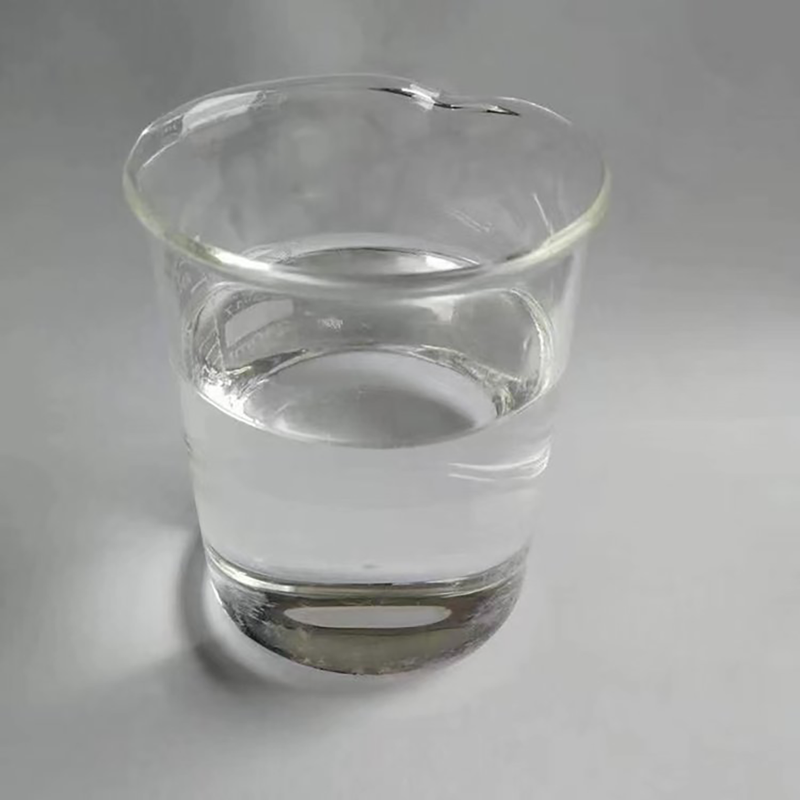
n-Butane | Pharmaceutical Grade | 99.99% Purity | 10mg 20mg 30mg Vials | CAS  106-97-8 buy - large image1
n-Butane | Pharmaceutical Grade | 99.99% Purity | 10mg 20mg 30mg Vials | CAS  106-97-8 buy - image1
n-Butane | Pharmaceutical Grade | 99.99% Purity | 10mg 20mg 30mg Vials | CAS  106-97-8 buy - image2
n-Butane | Pharmaceutical Grade | 99.99% Purity | 10mg 20mg 30mg Vials | CAS  106-97-8 buy - image3
n-Butane | Pharmaceutical Grade | 99.99% Purity | 10mg 20mg 30mg Vials | CAS  106-97-8 buy - image4
n-Butane | Pharmaceutical Grade | 99.99% Purity | 10mg 20mg 30mg Vials | CAS  106-97-8 buy - image5
n-Butane | Pharmaceutical Grade | 99.99% Purity | 10mg 20mg 30mg Vials | CAS  106-97-8 buy - image6

n-Butane | Pharmaceutical Grade | 99.99% Purity | 10mg 20mg 30mg Vials | CAS 106-97-8

TDS 4 Inquiries

Unit Price:

$33-34/G FOB

Get Latest Price
CAS No.:

106-97-8

Grade:

Pharmaceutical Grade

Content:

99.99%

Port:

Shanghai

Brand:

Orient

Packaging:

Vial/Bottle/Bag/Carton

Price valid (until):

2028-12-18

Company Type:
Trader
Location:
China
Qualification:
Main Products:

pharmaceutical intermediates,peptides,electronic chemicals

  • Product Description

  • Seller Information

  • Inquiry History

  • Description

    Product Name:
    n-Butane
    Synonyms:
    A-17;Bu-Gas;butane(liquefiedgas);butane(non-specificname);Butanen;Butani;butylhydride;Freon 600
    CAS:
    106-97-8
    MF:
    C4H10
    MW:
    58.12
    EINECS:
    203-448-7
    Product Categories:
    Organics;Chemical Synthesis;Compressed and Liquefied Gases;Synthetic Reagents;Gas Cylinders;Hydrocarbons (Low Boiling point);Synthetic Organic Chemistry;refrigerants
    Mol File:
    106-97-8.mol

    n-Butane Chemical Properties
    Melting point 
    −138 °C(lit.)
    Boiling point 
    −0.5 °C(lit.)
    density 
    0.579 g/mL at 20 °C(lit.)
    vapor density 
    2.11 (vs air)
    vapor pressure 
    3.21, 1.26, and 0.66 mM at 4, 25, and 50 °C, respectively (Kresheck et al., 1965)
    refractive index 
    1.3326
    Fp 
    45
    solubility 
    Chloroform: Sparingly soluble: 1-10 mg/ml
    Methanol: Slightly soluble: 0.1-1 mg/ml
    form 
    gas
    Odor
    faint disagreeable odor
    Flame Color
    Bright blue
    Odor Threshold
    1200ppm
    Water Solubility 
    73.24mg/L(25 ºC)
    Merck 
    1515
    BRN 
    969129
    Henry's Law Constant
    (atm?m3/mol): 0.356 at 5 °C, 0.454 at 10 °C, 0.568 at 15 °C, 0.695 at 20 °C, 0.835 at 25 °C (Ben-Naim et al., 1973)
    Exposure limits
    TLV-TWA 800 ppm (~1920 mg/m3) (ACGIH), 500 ppm (1200 mg/m3) (MSHA).
    Dielectric constant
    1.4(-1℃)
    Stability:
    Stable. Extremely flammable. Readily forms explosive mixtures with air. Note low flash point. Incompatible with strong oxidizing agents, strong acids, strong alkalies.
    LogP
    2.890
    CAS DataBase Reference
    106-97-8(CAS DataBase Reference)
    EPA Substance Registry System
    Butane (106-97-8)
    Safety Information
    Hazard Codes 
    F+,F,T
    Risk Statements 
    12-46-45
    Safety Statements 
    9-16-45-53
    OEB
    A
    OEL
    TWA: 800 ppm (1900 mg/m3)
    RIDADR 
    UN 2037 2.1
    WGK Germany 
    -
    RTECS 
    EJ4200000

    4.5-31
    Hazard Note 
    Extremely Flammable
    DOT Classification
    2.1 (Flammable gas)
    HazardClass 
    2.1
    HS Code 
    2901100000
    Hazardous Substances Data
    106-97-8(Hazardous Substances Data)
    Toxicity
    LC50 (inhalation) for mice 680 gm/m3/2-h, rats 658 gm/m3/4-h (quoted, RTECS, 1985).
    IDLA
    1,600 ppm (>10% LEL)

    n-Butane Usage And Synthesis

    Overview
    N-Butane [C4H10] is a colorless gas with a faint petroleum-like odor. The main sources of butane are the refinery of crude oil and the processing of natural gas. It is commonly blended into motor vehicle gasoline to increase the fuel’s volatility and to make engine starting easier. Butane contains mixtures of methane, ethane, propane, isobutane, and n-butane and is a colourless aliphatic hydrocarbon gas with a gasoline-like odour. Butane is a component of liquefied petroleum gas (LPG) and as such is used in a wide variety of fuel applications for both recreational and leisure use, including heating and air conditioning, refrigeration, cooking, and lighters. Butane is commonly used alone or in mixtures as a propellant in aerosol consumer products, such as hairsprays, deodorants and antiperspirants, shaving creams, edible oil and dairy products, cleaners, pesticides, and coatings (e.g. automobile or household spray paint). Butane is used as a chemical intermediate in the production of maleic anhydride, ethylene, methyl tert-butyl ether (MTBE), synthetic rubber, and acetic acid and its by-products. Butane is a simple asphyxiant with explosive and flammable potential. It is also a widely used substance of abuse. The main target organs are in the CNS and cardiovascular system. Improper use and handling cause poisoning. Exposure to high levels of butane vapors can result in asphyxia. The symptoms of butane poisoning include but not limited to, rapid breathing and pulse rate, headache, dizziness, visual disturbances, mental confusion, incoordination, mood changes, muscular weakness, tremors, cyanosis, narcosis and numbness of the extremities, and unconsciousness leading to central nervous system injury.

    Figure 1 Chemical structure of n-butane.

    Production
    Butane is extremely abundant in many parts of the world, being relatively inexpensive to produce and mine. It is a fossil fuel, which has been created over the course of millions of years by a complex process deep inside the earth from the remains of plants, animals, and numerous microorganisms[4]. Different types of machinery that require butane to operate seemed quite magical when they were developed long ago, but there really is little magic involved in butane production. Its production demands human ingenuity, hard work, repeatable production processes, and following safety procedures every step of the way[4]. General its production includes the following steps: removal of oil and condensate; remove the water; glycol dehydration.

    Applications
    n-Butane can be used in the production of ethylene and 1,3-butadiene. It can also be used as a chemical feedstock for special chemicals in the solvent, rubber, and plastics industries, in the blending of gasoline or motor fuel, as a constituent in liquefied petroleum gas [LPG], and as an extraction solvent in deasphalting processes[5, 6].
    N-Butane can be used for the manufacture of ethylene and butadiene, a key ingredient of synthetic rubber[7]. N-butane [R600] is a kind of ozone depletion neutral refrigerant, being a potential refrigerant for household appliances. N-butane has a slightly higher Ranking COP level compared to isobutane and a much higher COP than R134a of which the latter is still used in household appliances around the world[8].
    Warning and Risk
    Inhaling of butane can cause various central nerve system effects including drowsiness, narcosis, asphyxia, headache, cardiac arrhythmia and frostbite, which can result in instant death from Asphyxiation, Acute toxicity and ventricular fibrillation. Skin and eyes contact may cause burn or frostbite[9, 10]. Butane is the most commonly misused volatile solvent in the UK, and was the cause of 52% of solvent related deaths in 2000[9].
    Description
    Butane Residual Solvent Standard (Item No. 25932) is a certified reference material standard for butane, a solvent that has been used in the extraction of cannabinoids from Cannabis and has been identified as a contaminant in butane hash oil and Δ9-THC concentrates. It is designed for use as a reference standard for butane by GC- or LC-MS. This product is intended for research and forensic applications.
    Description
    Butane is a flammable, colorless gas that follows propane in the alkane series. Butane is also called n-butane, with the “n” designating it as normal butane, the straight chain isomer. Butane’s other isomer is isobutane. The chemical name of isobutane is 2-methylpropane. Isomers are different compounds that have the same molecular formula. Normal butane and isobutane are two different compounds, and the name butane is used collectively to denote both n-butane and isobutane; the names n-butane and isobutane are used to distinguish properties and chemical characteristics unique to each compound. Butane, along with propane, is a major component of liquefied petroleum gas . It exists as a liquid under moderate pressure or below 0℃ at atmospheric pressure, which makes it ideal for storage and transportation in liquid form.
    Chemical Properties
    The main sources of butane are crude oil refi ning and natural gas processing. It is usually blended into motor vehicle gasoline to increase the fuel’s volatility and to make engine starting easier. Butane contains mixtures of methane, ethane, propane, iso-butane, and n-butane and is a colorless aliphatic hydrocarbon gas with a gasoline-like odor. Butane is a component of liquefi ed petroleum gas (LPG) and as such is used in a wide variety of fuel applications for both recreational and leisure use, including heating and air-conditioning, refrigeration, cooking, and in lighters. Butane is commonly used alone or in mixtures as a propellant in aerosol consumer products, such as hair sprays, deodorants and antiperspirants, shaving creams, edible oil and dairy products, cleaners, pesticides and coatings (e.g., automobile or household spray paint). Butane is used as a chemical intermediate in the production of maleic anhydride, ethylene, methyl tert-butyl ether (MTBE), synthetic rubber, and acetic acid and its by-products. Butane is a simple asphyxiant with explosive and flammable potential. It is also widely used as a substance of abuse. The main target organs are in the central nervous and cardio vascular systems. Butane is found in aerosols, lighter fuel and refi lls, small blow torches, and camping stoves. Pure grades of butane are used in calibrating instruments and as a food additive. It is widely available. Misuse and adulteration of butane is a common com mercial practice.
    Physical properties
    Colorless, flammable gas with a faint, disagreeable, natural gas or gasoline-like odor. Odor threshold concentration in air is 1,200 ppmv (Nagata and Takeuchi, 1990). Detected in water at a concentration of 6.2 mg/L (Bingham et al., 2001).
    History
    Butane is extracted from natural gas and is also obtained during petroleum refining. Butane can be obtained from natural gas by compression, adsorption, or absorption. All three processes were used in the early days of the LPG industry, but compression and adsorption were generally phased out during the 20th century. Most butane now is obtained from absorption and separation from oil.
    Uses
    Butane is the common fuel used in cigarette lighters and also as an aerosol propellant, a calibration gas, a refrigerant, a fuel additive, and a chemical feedstock in the petrochemical industry.
    Uses
    n-Butane can be obtained from natural gas and from refinery hydro cracker streams. Most of the n-butane goes into fuel additive uses. The major chemical use is as a feedstock for ethylene production by cracking . The other important chemical uses for butane are in oxidation to acetic acid and in the production of maleic anhydride. In the past, butane also was the main feedstock for the production of butadiene by dehydrogenation, but it has been replaced by coproduct butadiene obtained from ethylene production.
    Ethylene. The largest potential chemical market for n-butane is in steam cracking to ethylene and coproducts. n-Butane is a supplemental feedstock for olefin plants and has accounted for 1-4 percent of total ethylene production for most years since 1970. It can be used at up to 10-15 percent ofthe total feed in ethane/propane crackers with no major modifications . n-Butane can also be used as a supplemental feed at as high as 20-30 percent in heavy naphtha crackers. The consumption of C4S has fluctuated considerably from year to year since 1970, depending on the relative price ofbutane and other feedstocks. The yield of ethylene is only 36-40 percent, with the other products including methane, propylene, ethane, and butadiene, acetylene, and butylenes. About 2-3 billion Ib of butane are consumed annually to produce ethylene.
    Uses
    As producer gas; raw material for motor fuels, in the manufacture of synthetic rubbers.

    Shop n-Butane | Pharmaceutical Grade | 99.99% Purity | 10mg 20mg 30mg Vials | CAS  106-97-8-Detailed Image 1


    Shop n-Butane | Pharmaceutical Grade | 99.99% Purity | 10mg 20mg 30mg Vials | CAS  106-97-8-Detailed Image 2
    Shop n-Butane | Pharmaceutical Grade | 99.99% Purity | 10mg 20mg 30mg Vials | CAS  106-97-8-Detailed Image 3
    Shop n-Butane | Pharmaceutical Grade | 99.99% Purity | 10mg 20mg 30mg Vials | CAS  106-97-8-Detailed Image 4
    Shop n-Butane | Pharmaceutical Grade | 99.99% Purity | 10mg 20mg 30mg Vials | CAS  106-97-8-Detailed Image 5
    Shop n-Butane | Pharmaceutical Grade | 99.99% Purity | 10mg 20mg 30mg Vials | CAS  106-97-8-Detailed Image 6
    Shop n-Butane | Pharmaceutical Grade | 99.99% Purity | 10mg 20mg 30mg Vials | CAS  106-97-8-Detailed Image 7
    Shop n-Butane | Pharmaceutical Grade | 99.99% Purity | 10mg 20mg 30mg Vials | CAS  106-97-8-Detailed Image 8
    Shop n-Butane | Pharmaceutical Grade | 99.99% Purity | 10mg 20mg 30mg Vials | CAS  106-97-8-Detailed Image 9
    Shop n-Butane | Pharmaceutical Grade | 99.99% Purity | 10mg 20mg 30mg Vials | CAS  106-97-8-Detailed Image 10
    Shop n-Butane | Pharmaceutical Grade | 99.99% Purity | 10mg 20mg 30mg Vials | CAS  106-97-8-Detailed Image 11
    Shop n-Butane | Pharmaceutical Grade | 99.99% Purity | 10mg 20mg 30mg Vials | CAS  106-97-8-Detailed Image 12
    Shop n-Butane | Pharmaceutical Grade | 99.99% Purity | 10mg 20mg 30mg Vials | CAS  106-97-8-Detailed Image 13
    Shop n-Butane | Pharmaceutical Grade | 99.99% Purity | 10mg 20mg 30mg Vials | CAS  106-97-8-Detailed Image 14
    Shop n-Butane | Pharmaceutical Grade | 99.99% Purity | 10mg 20mg 30mg Vials | CAS  106-97-8-Detailed Image 15
    Shop n-Butane | Pharmaceutical Grade | 99.99% Purity | 10mg 20mg 30mg Vials | CAS  106-97-8-Detailed Image 16
    Shop n-Butane | Pharmaceutical Grade | 99.99% Purity | 10mg 20mg 30mg Vials | CAS  106-97-8-Detailed Image 17
    Shop n-Butane | Pharmaceutical Grade | 99.99% Purity | 10mg 20mg 30mg Vials | CAS  106-97-8-Detailed Image 18
    Shop n-Butane | Pharmaceutical Grade | 99.99% Purity | 10mg 20mg 30mg Vials | CAS  106-97-8-Detailed Image 19


    Certificates

    Basic Info
    Product Name:

    Butane

    Other Name:

    Butane;n-Butane;Diethyl;Liquefied petroleum gas;LPG;R 600;R 600 (alkane);A 21;HC 600 (hydrocarbon);HC 600;A 21 (blowing agent);A 17

    CAS No.:

    106-97-8

    Molecular Formula:

    C4H10

    InChIKeys:

    InChIKey=IJDNQMDRQITEOD-UHFFFAOYSA-N

    Molecular Weight:

    58.12220

    Exact Mass:

    58.12

    EC Number:

    271-032-2

    HScode:

    3606100000

    Characteristics
    PSA:

    0

    XLogP3:

    1.80640

    Appearance:

    Butane is a colorless gas with a faint petroleum-like odor. For transportation it may be stenched. It is shipped as a liquefied gas under its vapor pressure. Contact with the liquid can cause frostbite. It is easily ignited. Its vapors are heavier than air. Any leak can be either liquid or vapor. Under prolonged exposure to fire or intense heat the containers may rupture violently and rocket. It is used as a fuel, an aerosol propellant, in cigarette lighters, and to make other chemicals.

    Density:

    0.5788 g/cm3 @ Temp: 20 °C

    Melting Point:

    -138.2 °C

    Boiling Point:

    -0.50 °C

    Flash Point:

    45

    Refractive Index:

    1.3326

    Water Solubility:

    Slight

    Storage Conditions:

    Storage temp: ambient; venting: safety relief.

    Vapor Pressure:

    1920mmHg at 25°C

    Vapor Density:

    2.11 (vs air)

    Flammability characteristics:

    Flammable Gas

    Explosive limit:

    vol% in air: 1.8.4

    Odor:

    Faint, disagreeable odor

    Hazard Identification

    Classification of the substance or mixture

    Gases under pressure: Liquefied gas

    Flammable gases, Category 1A, Flammable gas

    Germ cell mutagenicity, Category 1B

    Carcinogenicity, Category 1A

    GHS label elements, including precautionary statements

    Pictogram(s)
    Signal word

    Danger

    Hazard statement(s)

    H220 Extremely flammable gas

    H340 May cause genetic defects

    H350 May cause cancer

    Precautionary statement(s)
    Prevention

    P210 Keep away from heat, hot surfaces, sparks, open flames and other ignition sources. No smoking.

    P203 Obtain, read and follow all safety instructions before use.

    P280 Wear protective gloves/protective clothing/eye protection/face protection/hearing protection/...

    Response

    P377 Leaking gas fire: Do not extinguish, unless leak can be stopped safely.

    P381 In case of leakage, eliminate all ignition sources.

    P318 IF exposed or concerned, get medical advice.

    Storage

    P410+P403 Protect from sunlight. Store in a well-ventilated place.

    P403 Store in a well-ventilated place.

    P405 Store locked up.

    Disposal

    P501 Dispose of contents/container to an appropriate treatment and disposal facility in accordance with applicable laws and regulations, and product characteristics at time of disposal.

    Other hazards which do not result in classification

    no data available

    Handling and Storage

    Precautions for safe handling

    NO open flames, NO sparks and NO smoking. Closed system, ventilation, explosion-proof electrical equipment and lighting. Prevent build-up of electrostatic charges (e.g., by grounding) if in liquid state. Use non-sparking handtools. Handling in a well ventilated place. Wear suitable protective clothing. Avoid contact with skin and eyes. Avoid formation of dust and aerosols. Use non-sparking tools. Prevent fire caused by electrostatic discharge steam.

    Conditions for safe storage, including any incompatibilities

    Fireproof. Cool.Butane in liquid form may be stored both above and below ground. Besides storage in liquefied form under its vapor pressure at normal atmospheric temperatures, refrigerated liquid storage at atmospheric pressure may be used. Such systems are closed and insulated, and the liquid petroleum gas vapor is circulated through pumps and compressors to serve as the refrigerant for the system. Butane may be stored in pits in the earth capped by metal domes and in underground chambers.

  • Seller Information
    Business Type:

    Trader

    Main Products:

    pharmaceutical intermediates,peptides,electronic chemicals

    Location:

    Room 102, 1st Floor, East Office Building, No. 45 Pengwan Road, Qianwan Bonded Port Area, Qingdao Zone, China (Shandong) Pilot Free Trade Zone

    Payment Terms:

    100% TT in advance

    Average lead Time:

    10

    Total Annual Revenue:

    $10 million-$25 million

    Total Employees:

    51-100

    Year of Establishment:

    2024

    A reliable supplier is like insurance.

    We are mainly specilized in supply of pharmaceutical intermediates, electronic chemicals,food additives, and other fine chemical products.
    Integrity is the foundation, quality is life. We would like to work together with you to build a greener and brighter future.

    Website: orientchem.cc
    Email: scarlett@orientchem.cc
    WhatsApp: +86 17753254221

  • Inquiry History
    4 Inquiries
    Country Product Purchase Quantity Date Posted
    Germany

    Butane

    25 MT Mar 15, 2024
    India

    Butone

    25 MT Jul 24, 2025
    Russia

    GAS Propane Butane Technical (LPG)

    1000 MT Jul 25, 2024
    Australia

    Butane Gas

    1 L Jun 19, 2025
    Post an enquiry for this product
pic ×

Scan the QR Code to Share

All products displayed on this website are only for non-medical purposes such as industrial applications or scientific research, and cannot be used for clinical diagnosis or treatment of humans or animals. They are not medicinal or edible.

According to relevant laws and regulations and the regulations of this website, units or individuals who purchase hazardous materials should obtain valid qualifications and qualification conditions.

The information shown above is provided by the enterprise itself, and the authenticity, accuracy and legitimacy of the content are the responsibility of the publishing company. ECHEMI does not bear any guarantee responsibility for this. Please be aware that risks in internet transactions objectively exist.

Feedback & Suggestions
Send Message

Thank you for your feedback. If you require further assistance, please contact us by email at info@echemi.com or call us at +86-532-55729510.