Product
Supplier
Encyclopedia
Inquiry
Home > Water Treatment Chemical > Water Stabilizer > (1-Hydroxyethylidene)-1,1-diphosphonic acid for Sale > HEDP 60% Phosphonate Antiscalant Industrial Grade
HEDP 60% Phosphonate Antiscalant Industrial Grade buy - large image1
HEDP 60% Phosphonate Antiscalant Industrial Grade buy - image1
HEDP 60% Phosphonate Antiscalant Industrial Grade buy - image2
HEDP 60% Phosphonate Antiscalant Industrial Grade buy - image3
HEDP 60% Phosphonate Antiscalant Industrial Grade buy - image4
HEDP 60% Phosphonate Antiscalant Industrial Grade buy - image5
HEDP 60% Phosphonate Antiscalant Industrial Grade buy - image6

HEDP 60% Phosphonate Antiscalant Industrial Grade

TDS 24 Inquiries

Unit Price:

$750-825/MT FOB

Get Latest Price
CAS No.:

2809-21-4

Grade:

Industrial Grade

Content:

60%

Port:

Poland

Brand:

OEM

Packaging:

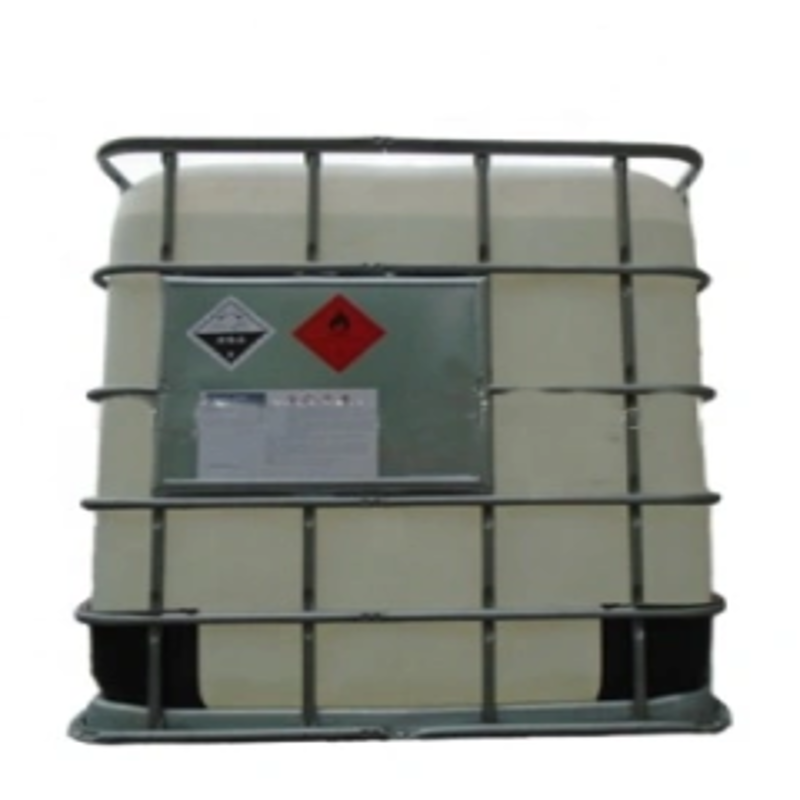
1250kg/IBC

Price valid (until):

2026-10-30

Company Type:
Distributor
Location:
United States
Qualification:
Main Products:

Fertilizer,Urea,APIs,Sodium Hypochloride

  • Product Description

  • Seller Information

  • Inquiry History

  • Description


      Product Detail  


    HEDP 60% Antiscalant Water Treatment Scale Inhibitor

    HEDP 60% Antiscalant, chemically known as 1-Hydroxyethylidene-1,1-Diphosphonic Acid, is a high-performance phosphonate-based water treatment chemical used for scale inhibition, metal-ion sequestration, water stabilization, and corrosion-control support in industrial water systems.

    The product is supplied as a clear colorless to pale yellow transparent liquid containing a minimum of 60% active HEDP. It is highly soluble in water and is widely used in reverse osmosis pretreatment systems, cooling towers, boiler-water treatment programs, circulating-water systems, heat exchangers, desalination plants, industrial process-water systems, cleaning formulations, and other applications where mineral scale control is required.

    HEDP has strong complexing ability toward metal ions such as calcium, magnesium, iron, copper, and zinc. By interacting with these ions and interfering with crystal formation and growth, HEDP helps reduce the formation and deposition of mineral scale on membranes, pipelines, heat-transfer surfaces, process equipment, and water-treatment systems.

    Its phosphonate chemistry makes it suitable for a wide range of industrial water-treatment formulations and operating conditions.

    Shop HEDP 60% Phosphonate Antiscalant Industrial Grade-Detailed Image 1

    Product Information

    Product Name: HEDP 60% Antiscalant
    Chemical Name: 1-Hydroxyethylidene-1,1-Diphosphonic Acid
    Alternative Name: Hydroxyethylidene Diphosphonic Acid
    Abbreviation: HEDP / HEDPA
    CAS No.: 2809-21-4
    EC No.: 220-552-8
    Molecular Formula: C₂H₈O₇P₂
    Molecular Weight: 206.02 g/mol
    Grade: Industrial Grade
    Physical Form: Aqueous Liquid
    Appearance: Clear Colorless to Pale Yellow Transparent Liquid
    Active Content: ≥60.0%
    Water Solubility: Completely Soluble
    Standard Packaging: 250 kg HDPE Drum
    Alternative Packaging: 1250 kg IBC, where available

    Key Features

    • HEDP active content ≥60%
    • CAS 2809-21-4
    • Industrial Grade
    • Phosphonate-based scale inhibitor
    • Strong metal-ion complexing ability
    • Excellent water solubility
    • Helps reduce mineral scale formation
    • Supports industrial water stabilization
    • Suitable for formulated antiscalant systems
    • Suitable for RO pretreatment
    • Suitable for cooling-water systems
    • Suitable for boiler-water treatment programs
    • Suitable for industrial circulating-water systems
    • Suitable for heat exchangers
    • Suitable for desalination applications
    • Suitable for industrial cleaning formulations
    • Supplied in chemically compatible HDPE packaging

    Technical Data Sheet

    Parameter Specification
    Product Name HEDP 60%
    Chemical Name 1-Hydroxyethylidene-1,1-Diphosphonic Acid
    CAS No. 2809-21-4
    EC No. 220-552-8
    Molecular Formula C₂H₈O₇P₂
    Molecular Weight 206.02 g/mol
    Grade Industrial Grade
    Appearance Clear Colorless to Pale Yellow Transparent Liquid
    Active HEDP Content ≥60.0%
    Phosphorous Acid ≤2.0%
    Phosphoric Acid ≤0.8%
    Chloride ≤0.02%
    pH, 1% Solution 1.5–2.0
    Density at 20°C ≥1.40 g/cm³
    Calcium Chelation Value ≥500 mg/g
    Iron as Fe ≤20 mg/L
    Water Solubility Completely Soluble
    Physical Form Liquid
    Standard Packaging 250 kg HDPE Drum

    Scale Inhibition Mechanism

    HEDP works through several complementary mechanisms to control mineral scale formation.

    It can interact with dissolved metal ions and interfere with the normal formation and growth of mineral crystals.

    Its performance may include:

    • Metal-ion complexation
    • Crystal-growth inhibition
    • Crystal distortion
    • Threshold scale inhibition
    • Reduction of mineral precipitation
    • Deposit-control support
    • Water stabilization
    • Mineral-dispersion support

    In industrial water systems, dissolved calcium, magnesium, and other mineral ions can form deposits when water becomes supersaturated.

    HEDP helps disrupt this process, reducing the tendency of hard crystalline scale to form on process surfaces.

    Reverse Osmosis Applications

    HEDP-based antiscalant chemistry may be used in suitable reverse osmosis pretreatment programs to reduce the risk of mineral scale formation on membrane surfaces.

    Potential scale types include:

    • Calcium carbonate
    • Calcium sulfate
    • Barium sulfate
    • Strontium sulfate
    • Selected metal salts

    The actual effectiveness depends on the complete treatment formulation and feed-water chemistry.

    Important factors include:

    • Calcium hardness
    • Magnesium hardness
    • Alkalinity
    • Sulfate
    • Silica
    • Barium
    • Strontium
    • Iron
    • pH
    • Temperature
    • RO recovery rate
    • Concentration factor
    • Membrane configuration

    The correct dosage should be selected based on water analysis and system-specific calculations.

    Cooling Tower Water Treatment

    HEDP is widely used in industrial cooling-water programs to help control scale and support corrosion-control formulations.

    Suitable systems may include:

    • Open recirculating cooling towers
    • Closed-loop cooling systems
    • Condensers
    • Heat exchangers
    • Cooling-water pipelines
    • Process cooling systems

    HEDP can assist with:

    • Calcium-scale control
    • Metal-ion sequestration
    • Mineral-deposit control
    • Water stabilization
    • Heat-transfer surface protection
    • Deposit-control formulations

    It may be combined with other phosphonates, polymers, dispersants, corrosion inhibitors, and treatment chemicals depending on the application.

    Boiler Water Treatment

    HEDP may be used in selected boiler-water treatment formulations where scale-control and metal-ion management are required.

    Potential functions include:

    • Scale inhibition
    • Deposit-control support
    • Metal-ion sequestration
    • Feed-water conditioning
    • Boiler-water formulation support

    The suitability of HEDP depends on:

    • Boiler pressure
    • Boiler temperature
    • Feed-water quality
    • System metallurgy
    • Cycles of concentration
    • Other treatment chemicals

    A qualified water-treatment program should determine the appropriate dosage and compatibility.

    Industrial Circulating Water

    HEDP is suitable for a wide variety of industrial circulating-water systems.

    Typical applications include:

    • Process-water circuits
    • Utility-water systems
    • Cooling-water systems
    • Industrial closed loops
    • Heat-transfer systems
    • Production-water circuits

    Its ability to bind metal ions and interfere with mineral crystallization makes it useful as a component in water-treatment programs designed to minimize scaling and deposits.

    Desalination Systems

    HEDP-based antiscalant chemistry may be incorporated into suitable desalination pretreatment systems.

    It can help control mineral scale where concentrated salts may otherwise precipitate during membrane treatment.

    Important application factors include:

    • Source-water chemistry
    • Calcium concentration
    • Magnesium concentration
    • Sulfate
    • Alkalinity
    • Silica
    • pH
    • Temperature
    • Membrane recovery
    • Concentration factor

    System-specific testing or scale calculations should be performed before use.

    Metal-Ion Sequestration

    HEDP demonstrates strong complexing ability toward several metal ions.

    It can interact with:

    • Calcium
    • Magnesium
    • Iron
    • Copper
    • Zinc

    This makes it useful in industrial formulations where metal-ion control can help reduce precipitation, deposits, discoloration, or process interference.

    Heat Exchangers

    Scale formation on heat-transfer surfaces can reduce heat-transfer efficiency and increase energy consumption.

    HEDP may be used as part of an industrial treatment program to help reduce mineral deposits on:

    • Plate heat exchangers
    • Shell-and-tube heat exchangers
    • Condensers
    • Evaporators
    • Cooling surfaces
    • Industrial process equipment

    The treatment program should be based on water chemistry and operating temperature.

    Industrial Cleaning

    HEDP may be used in industrial cleaning formulations where sequestration and scale-control properties are required.

    Potential uses include:

    • Equipment-cleaning formulations
    • Descaling-support formulations
    • Metal-cleaning formulations
    • Process-cleaning products
    • CIP-related industrial formulations where compatible

    HEDP can help bind dissolved metal ions and reduce precipitation during cleaning.

    Detergent & Cleaning Formulations

    HEDP can function as a chelating or sequestration component in selected cleaning formulations.

    It may be incorporated into:

    • Industrial detergents
    • Institutional cleaners
    • Process cleaners
    • Hard-surface cleaning formulations
    • Metal-cleaning products
    • Bleaching-support formulations

    Its use helps manage hardness ions and trace metals that may interfere with cleaning performance.

    Textile Processing

    HEDP may be used in selected textile-process formulations to help control metal ions and mineral deposits.

    Potential applications include:

    • Textile washing
    • Bleaching-process support
    • Dyeing-process water treatment
    • Process-water conditioning
    • Equipment scale control

    Product compatibility should be evaluated for the specific textile chemistry involved.

    Pulp & Paper Industry

    HEDP may be used in selected pulp and paper applications where mineral scale and metal-ion control are required.

    Possible uses include:

    • Process-water stabilization
    • Heat-exchanger protection
    • Deposit control
    • Equipment cleaning
    • Mineral-scale inhibition
    • Metal-ion sequestration

    Oilfield & Industrial Process Water

    HEDP may also be used in selected oilfield and industrial-process-water systems.

    Potential applications include:

    • Scale inhibition
    • Water stabilization
    • Metal-ion control
    • Process-equipment protection
    • Industrial water circulation
    • Injection-water treatment formulations

    The required dosage and formulation should be determined by water analysis and application testing.

    Recommended Dosage

    There is no universal dosage suitable for every HEDP application.

    The required dosage depends on:

    • Water hardness
    • Calcium concentration
    • Magnesium concentration
    • Alkalinity
    • Sulfate
    • Silica
    • Iron
    • pH
    • Temperature
    • Flow rate
    • System pressure
    • Concentration cycles
    • Membrane recovery rate
    • Scale saturation index
    • Contact time
    • Other treatment chemicals

    A water analysis and system-specific treatment calculation should be performed before full-scale use.

    Important Product Positioning

    This product is:

    HEDP 60% Industrial Grade phosphonate scale inhibitor and antiscalant raw material.

    It may be used as a primary active ingredient in many industrial water-treatment formulations.

    However, HEDP 60% should not automatically be described as a proprietary multi-component RO antiscalant if the product being supplied consists only of HEDP solution.

    A formulated commercial RO antiscalant may contain:

    • HEDP
    • Other phosphonates
    • Polymeric dispersants
    • Carboxylate polymers
    • Specialty scale-control agents
    • Stabilizers
    • Other formulation components

    Those products should normally have their own separate specification.

    Packaging

    Standard Packaging

    250 kg HDPE Drum

    HDPE packaging provides suitable chemical compatibility for acidic phosphonate solution when properly specified.

    Bulk Packaging

    Where available:

    1250 kg IBC
    Shop HEDP 60% Phosphonate Antiscalant Industrial Grade-Detailed Image 2

    Other compatible bulk packaging may be available according to order volume and transportation requirements.

    Storage

    Store HEDP 60%:

    • In a cool and dry area
    • In a well-ventilated chemical warehouse
    • In suitable corrosion-resistant containers
    • With containers tightly closed
    • Away from excessive heat
    • Protected from direct sunlight
    • Protected from contamination
    • Away from incompatible chemicals
    • With suitable secondary containment

    Use chemically compatible:

    • Tanks
    • Pumps
    • Valves
    • Pipes
    • Hoses
    • Seals
    • Gaskets

    Avoid prolonged storage in unsuitable reactive metal containers.

    Handling

    HEDP 60% is acidic and should be handled using appropriate industrial chemical procedures.

    Avoid:

    • Skin contact
    • Eye contact
    • Inhalation of mist
    • Ingestion
    • Uncontrolled release
    • Splashing
    • Contact with incompatible materials

    Suitable personal protective equipment may include:

    • Chemical-resistant gloves
    • Safety goggles
    • Face shield where splash risk exists
    • Chemical-resistant protective clothing
    • Appropriate footwear

    Work areas should have suitable:

    • Ventilation
    • Eyewash facilities
    • Emergency safety showers
    • Spill containment
    • Chemical handling procedures

    Always follow the current product-specific SDS.

    Transport Information

    Typical transport reference:

    UN Number: UN 3265
    Transport Description: Corrosive Liquid, Acidic, Organic, N.O.S.
    Hazard Class: 8
    Packing Group: II

    The exact shipping classification should always be checked against the current SDS and relevant transport rules for the supplied concentration and destination.

    Applicable regulations may include:

    • ADR
    • RID
    • IMDG
    • IATA
    • National road-transport regulations
    • Port and carrier requirements

    Quality Control

    Commercial HEDP 60% should be inspected against the approved product specification before shipment.

    Typical quality-control parameters include:

    • Appearance
    • HEDP active content
    • Phosphorous acid
    • Phosphoric acid
    • Chloride
    • pH
    • Density
    • Calcium chelation value
    • Iron content

    Each shipment should be supported by a batch-specific Certificate of Analysis where required.

    Certificate of Analysis Specification

    Test Item Specification
    Appearance Clear Colorless to Pale Yellow Transparent Liquid
    Active HEDP Content ≥60.0%
    Phosphorous Acid ≤2.0%
    Phosphoric Acid ≤0.8%
    Chloride ≤0.02%
    pH, 1% Solution 1.5–2.0
    Density at 20°C ≥1.40 g/cm³
    Calcium Chelation Value ≥500 mg/g
    Iron as Fe ≤20 mg/L
    Batch Number Actual Batch
    Production Date Actual Date
    Inspection Date Actual Date
    QC Conclusion Actual Batch Result

    The specification column may be included in the product listing or TDS.

    Actual COA test results should only be entered after the batch has been tested.

    Technical Data Summary

    Product: HEDP 60% Antiscalant
    Chemical Name: 1-Hydroxyethylidene-1,1-Diphosphonic Acid
    CAS: 2809-21-4
    EC: 220-552-8
    Formula: C₂H₈O₇P₂
    Molecular Weight: 206.02 g/mol
    Grade: Industrial Grade
    Appearance: Clear Colorless to Pale Yellow Transparent Liquid
    Active HEDP: ≥60.0%
    Phosphorous Acid: ≤2.0%
    Phosphoric Acid: ≤0.8%
    Chloride: ≤0.02%
    pH, 1% Solution: 1.5–2.0
    Density at 20°C: ≥1.40 g/cm³
    Calcium Chelation Value: ≥500 mg/g
    Iron as Fe: ≤20 mg/L
    Solubility: Completely Soluble in Water
    Packaging: 250 kg HDPE Drum
    Bulk Packaging: 1250 kg IBC
    Primary Function: Scale Inhibition
    Secondary Function: Metal-Ion Sequestration / Water Stabilization
    Primary Applications: RO / Cooling Towers / Boilers / Industrial Circulating Water

    Documentation

    Available documentation may include:

    • Technical Data Sheet — TDS
    • Safety Data Sheet — SDS
    • Batch-Specific Certificate of Analysis — COA
    • Commercial Invoice
    • Packing List
    • Certificate of Origin
    • Dangerous Goods Documentation where applicable

    Any additional certification should only be claimed if valid documentation exists for the supplied product.

    Grade & Certification Limitation

    This product is offered as:

    HEDP 60% Industrial Grade

    It should not automatically be represented as:

    • Food Grade
    • Pharmaceutical Grade
    • Drinking Water Grade
    • NSF Certified
    • AWWA Approved
    • Cosmetic Grade
    • Medical Grade
    • Membrane-Manufacturer Approved

    unless the actual supplied grade has the appropriate specification and supporting certification.

    Product Summary

    HEDP 60% Antiscalant, CAS 2809-21-4, is a phosphonate-based industrial water-treatment chemical supplied as a clear colorless to pale yellow transparent liquid with ≥60% active HEDP.

    The product provides strong metal-ion complexing and scale-inhibition properties and can be used as an active component in industrial treatment programs for reverse osmosis systems, cooling towers, boilers, circulating-water systems, desalination systems, heat exchangers, industrial cleaning, process water, and other scale-control applications.

    The commercial specification includes ≥60.0% active HEDP, ≤2.0% phosphorous acid, ≤0.8% phosphoric acid, ≤0.02% chloride, pH 1.5–2.0, density ≥1.40 g/cm³, calcium chelation value ≥500 mg/g, and iron ≤20 mg/L.

    Standard packaging is 250 kg HDPE drums, with 1250 kg IBC packaging available where required.

    For best performance, the treatment dosage should be determined according to actual water chemistry, system operating conditions, scale-forming potential, and technical treatment requirements.


    ECHEMI Editorial Reference
    Etidronic acid is a bisphosphonate used in detergents, water treatment, cosmetics and pharmaceutical treatment.Target: OthersEtidronic Acid is a chelating agent and may be added to bind to or counter the effects of substances such as arsenic, iron, or other metal ions that can occur in the presence of some soaps. Etidronic acid also acts to retard oxidation of fatty acids. For clarification, a chelator, or chelating agent is a binding component added to many cosmetics, beauty products, a
    Liquid|Solid
    Etidronic acid is a 1,1-bis(phosphonic acid) that is (ethane-1,1-diyl)bis(phosphonic acid) having a hydroxy substituent at the 1-position. It inhibits the formation, growth, and dissolution of hydroxyapatite crystals by chemisorption to calcium phosphate surfaces. It has a role as a bone density conservation agent, a chelator and an antineoplastic agent. It is a conjugate acid of an etidronic acid(2-).|Etidronic acid is a first generation bisphosphonate similar to [clodronic acid] and [tiludronic acid]. These drugs were developed to mimic the action of pyrophosphate, a regulator of calcification and decalcification. Etidronate’s use has decreased over the years in favor of the third generation, nitrogen containing bisphosphonate [zoledronic acid], [ibandronic acid], [minodronic acid], and [risedronic acid]. Etidronic acid was granted FDA approval on 1 September 1977.|Etidronic acid is a Bisphosphonate.|Etidronic Acid is as a member of the family of drugs known as bisphosphonates, etidronate differs from endogenous pyrophosphate in its resistance to enzymatic hydrolysis. This agent adsorbs to hydroxyapatite cells and reduces the number of osteoclasts, thereby inhibiting abnormal bone resorption. Etidronate may also directly stimulate bone formation by osteoblasts. (NCI)|A diphosphonate which affects calcium metabolism. It inhibits ectopic calcification and slows down bone resorption and bone turnover.

    Certificates

    Basic Info
    Product Name:

    (1-Hydroxyethylidene)-1,1-diphosphonic acid

    Other Name:

    Phosphonic acid,P,P′-(1-hydroxyethylidene)bis-;Phosphonic acid,(1-hydroxyethylidene)di-;Phosphonic acid,(1-hydroxyethylidene)bis-;P,P′-(1-Hydroxyethylidene)bis[phosphonic acid];1-Hydroxyethane-1,1-diphosphonic acid;Etidronic acid;Ethane-1-hydroxy-1,1-diphosphonic acid;(1-Hydroxyethylidene)diphosphonic acid;Dequest Z 010;(1-Hydroxyethylidene)-1,1-diphosphonic acid;1000SL;Oxyethylidenediphosphonic acid;Hydroxyethanediphosphonic acid;1-Hydroxyethanediphosphonic acid;EHDP;Dequest 2010;1-Hydroxy-1,1-diphosphonoethane;Dequest 2015;HEDP;(1-Hydroxyethylidene)bisphosphonic acid;Turpinal SL;1-Hydroxyethane-1,1-bisphosphonic acid;Ferrofos 510;(1-Hydroxyethylidene)-1,1-bis(phosphonic acid);Feliox 115;Wayplex;Xydiphone;Lonza 106;Tecquest 360;OEDF;OEDP;Xidiphone;Ksidifon;Defloc EH 06;Mayoquest 1500;HDEPA;Turpinal SLR;Masquol P 210;Terpil SL;RP 61;Cublen K 60;Dequest 2010CS;1-Hydroxyethane-1,1-diyldiphosphonic acid;Sone 16;Dequest 16;Briquest ADPA 60A;Acetodiphosphonic acid;Unihib 106;Anti Cal 5;Sequion 10H;1-Hydroxyethylidene-1,1′-diphosphonic acid;Mascol P 210;NSC 227995;Belclene 660;Feliox CY 115;Chelate 101;OEDFK;1-Hydroxyethylidene-1,1-diphosphoric acid;Briquest ADPA-A;Acidum etidronicum;Ethydronate;Ethidronate;Etidronate;Dequest 2010LA;Feliox 115A;Xidifon;Kochtreat 75;Chelest PH 210L;Dequest D 2010;Dequest 2010R;1-Hydroxyethylidene-1,1-diphoshonic acid;Aquacid 105EX;Aquacid 105CG;51888-66-5;66216-98-6;83047-25-0;85188-80-3;85985-26-8;86159-18-4;100511-44-2;103736-66-9;106908-76-3;129130-42-3;138360-84-6;192526-55-9;303177-33-5;853028-38-3

    CAS No.:

    2809-21-4

    UN No.:

    3265

    Molecular Formula:

    C2H8O7P2

    InChIKeys:

    InChIKey=DBVJJBKOTRCVKF-UHFFFAOYSA-N

    Molecular Weight:

    206.02800

    Exact Mass:

    206.03

    EC Number:

    220-552-8

    UNII:

    M2F465ROXU

    NSC Number:

    227995

    DSSTox ID:

    DTXSID6023028

    NCI Thesaurus Code:

    C1332

    ATC Code:

    M - Musculo-skeletal system

    HScode:

    2931900090

    Categories:

    Water Stabilizer

    Characteristics
    PSA:

    154.91000

    XLogP3:

    -3.7

    Appearance:

    Liquid

    Density:

    1.45 (60% aq.)

    Melting Point:

    155 °C (decomp)

    Boiling Point:

    578.8ºC at 760 mmHg

    Flash Point:

    303.8ºC

    Refractive Index:

    1.586

    Water Solubility:

    Soluble in water.

    Vapor Pressure:

    8.34E-16mmHg at 25°C

    Toxicity:

    LD50 oral in mouse: 1800mg/kg

    Hazard Identification

    Classification of the substance or mixture

    Corrosive to metals, Category 1

    Acute toxicity - Category 4, Oral

    Serious eye damage, Category 1

    GHS label elements, including precautionary statements

    Pictogram(s)

    Signal word

    Danger

    Hazard statement(s)

    H290 May be corrosive to metals

    H302 Harmful if swallowed

    H318 Causes serious eye damage

    Precautionary statement(s)
    Prevention

    P234 Keep only in original packaging.

    P264 Wash ... thoroughly after handling.

    P270 Do not eat, drink or smoke when using this product.

    P280 Wear protective gloves/protective clothing/eye protection/face protection/hearing protection/...

    Response

    P390 Absorb spillage to prevent material damage.

    P301+P317 IF SWALLOWED: Get medical help.

    P330 Rinse mouth.

    P305+P354+P338 IF IN EYES: Immediately rinse with water for several minutes. Remove contact lenses, if present and easy to do. Continue rinsing.

    P317 Get medical help.

    Storage

    P406 Store in a corrosion resistant/...container with a resistant inner liner.

    Disposal

    P501 Dispose of contents/container to an appropriate treatment and disposal facility in accordance with applicable laws and regulations, and product characteristics at time of disposal.

    Other hazards which do not result in classification

    no data available

    Handling and Storage

    Precautions for safe handling

    Handling in a well ventilated place. Wear suitable protective clothing. Avoid contact with skin and eyes. Avoid formation of dust and aerosols. Use non-sparking tools. Prevent fire caused by electrostatic discharge steam.

    Conditions for safe storage, including any incompatibilities

    Store the container tightly closed in a dry, cool and well-ventilated place. Store apart from foodstuff containers or incompatible materials.

  • Seller Information
    Business Type:

    Distributor

    Main Products:

    Fertilizer,Urea,APIs,Sodium Hypochloride

    Location:

    W153N8358 Manhattan Dr , WI

    Payment Terms:

    TT against copy of documents,TT against B/L draft before shipment,100% TT in advance

    Total Annual Revenue:

    $2.5 million-$5 million

    Total Employees:

    11-50

    Year of Establishment:

    2025

  • Inquiry History
    24 Inquiries
    Country Product Purchase Quantity Date Posted
    Egypt

    1-Hydroxy Ethylidene-1,1-Diphosphonic Acid (HEDP)

    1 20' Fcl Nov 15, 2025
    Russia

    Etidronic acid( HEDP)

    1 20' Fcl Feb 10, 2025
    Uzbekistan

    HEDP

    100 KG Jun 13, 2025
    United Arab Emirates

    Hydroxyethylidene Diphosphonic Acid - HEDP 60%

    20.00 MT Jun 8, 2026
    Egypt

    Hydroxyethylidene Diphosphonic Acid

    1.00 KG Apr 27, 2026
    India

    HEDP 60%

    1 KG Apr 14, 2026
    Egypt

    1-Hydroxyethylidene-1,1-diphosphonic acid

    1.00 KG Mar 25, 2026
    Uzbekistan

    1-Hydroxyethane-1,1-diphosphonic Acid

    60 MT Feb 26, 2026
    Turkey

    HEDP 60%

    1 20' Fcl Feb 9, 2026
    Egypt

    Hydroxyethylidene diphosphonic acid

    1.00 20' Fcl Nov 24, 2025
    Egypt

    HEDP Phosphonic Acid 1-Hydroxyethylidene-1, 1-Diphosphonic Acid

    1 20' Fcl Oct 11, 2025
    Egypt

    Hydroxyethylidene Diphosphonic Acid

    1.00 L Oct 9, 2025
    India

    HEDP60

    3 MT Sep 15, 2025
    India

    1-Hydroxyethylidene-1, 1-Diphosphonic Acid (HEDP)

    1000 TON Aug 4, 2025
    India

    Etidronic acid (HEDP)

    65.00 KG Aug 1, 2025
    Indonesia

    Dequest 2010 LC

    1 MT Jul 31, 2025
    Brazil

    PHOSPHONATE - HEDP UN3265 CLAS 8

    176000.00 KG Jun 13, 2025
    India

    Hydroxyethylidene Diphosphonic Acid 60%

    10.00 MT Apr 23, 2025
    India

    1-Hydroxyethylidene-1,1-diphosphonic acid

    1.00 20' Fcl Dec 9, 2024
    Vietnam

    BELCLENE 660 (HEDP)

    100.00 KG Feb 27, 2024
    • 1
    • 2
    • Go to Page Go
    Post an enquiry for this product
pic ×

Scan the QR Code to Share

All products displayed on this website are only for non-medical purposes such as industrial applications or scientific research, and cannot be used for clinical diagnosis or treatment of humans or animals. They are not medicinal or edible.

According to relevant laws and regulations and the regulations of this website, units or individuals who purchase hazardous materials should obtain valid qualifications and qualification conditions.

The information shown above is provided by the enterprise itself, and the authenticity, accuracy and legitimacy of the content are the responsibility of the publishing company. ECHEMI does not bear any guarantee responsibility for this. Please be aware that risks in internet transactions objectively exist.

Feedback & Suggestions
Send Message

Thank you for your feedback. If you require further assistance, please contact us by email at info@echemi.com or call us at +86-532-55729510.