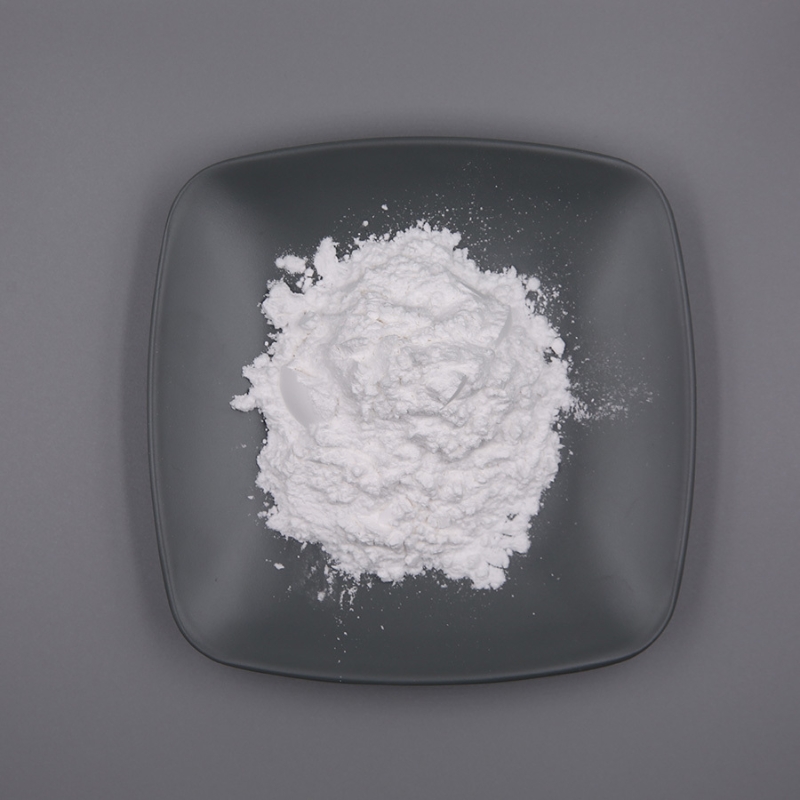
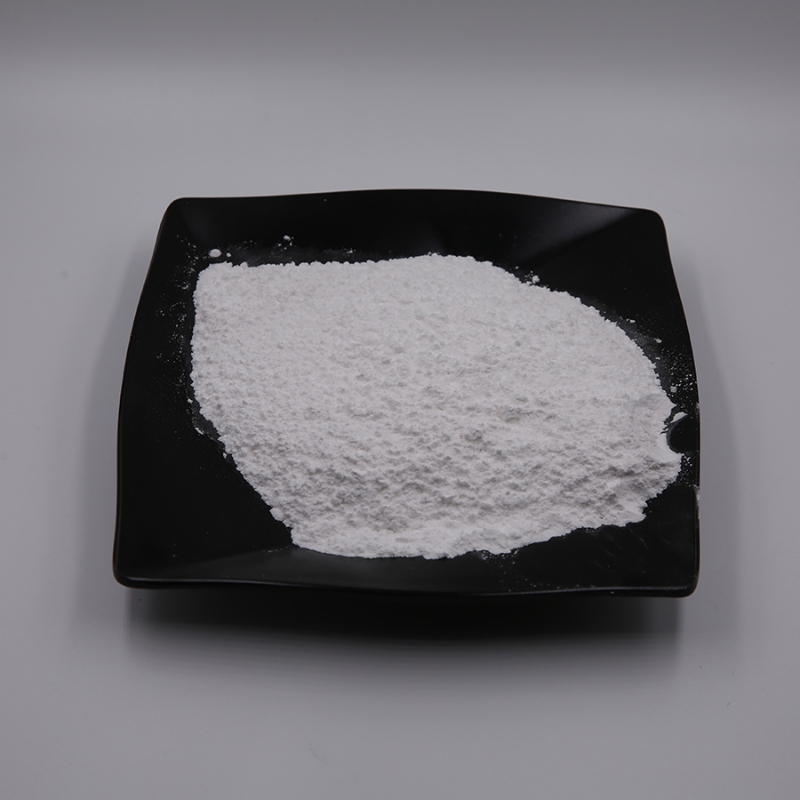
Potassium selenocyanate is an inorganic compound, a colorless, highly deliquescent needle-like crystal. It is soluble in water, dimethylformamide, ethylene glycol dimethyl ether, hexamethylphosphoric triamine, acetonitrile, and methanol, and slightly soluble in tetrahydrofuran. It can also be prepared by eutectic reaction of selenium with pure potassium cyanide, or by reaction in hot water or ethanol: Se + KCN → KSeCN. However, the reaction of selenocyanate ions with alcohols produces odorous alkyl selenocyanates, and the reaction in ethanol is undesirable. Potassium selenocyanate can also be obtained by reacting selenium with potassium ferrocyanide: K₄[Fe(CN)₆] + 4Se → eutectic reaction → 4KSeCN + FeC₂ + N₂↑. With the increasing interest in solid-state NMR of heavy metal nuclei, several mercury-thiocyanate and selenocyanate compounds have been prepared as potential models.
Potassium selenocyanate is an inorganic compound, a colorless, highly deliquescent needle-like crystal. It is soluble in water, dimethylformamide, ethylene glycol dimethyl ether, hexamethylphosphoric triamine, acetonitrile, and methanol, and slightly soluble in tetrahydrofuran. It can also be prepared by eutectic reaction of selenium with pure potassium cyanide, or by reaction in hot water or ethanol: Se + KCN → KSeCN. However, the reaction of selenocyanate ions with alcohols produces odorous alkyl selenocyanates, and the reaction in ethanol is undesirable. Potassium selenocyanate can also be obtained by reacting selenium with potassium ferrocyanide: K₄[Fe(CN)₆] + 4Se → eutectic reaction → 4KSeCN + FeC₂ + N₂↑. With the increasing interest in solid-state NMR of heavy metal nuclei, several mercury-thiocyanate and selenocyanate compounds have been prepared as potential models.
Potassium selenocyanate is an inorganic compound, a colorless, highly deliquescent needle-like crystal. It is soluble in water, dimethylformamide, ethylene glycol dimethyl ether, hexamethylphosphoric triamine, acetonitrile, and methanol, and slightly soluble in tetrahydrofuran. It can also be prepared by eutectic reaction of selenium with pure potassium cyanide, or by reaction in hot water or ethanol: Se + KCN → KSeCN. However, the reaction of selenocyanate ions with alcohols produces odorous alkyl selenocyanates, and the reaction in ethanol is undesirable. Potassium selenocyanate can also be obtained by reacting selenium with potassium ferrocyanide: K₄[Fe(CN)₆] + 4Se → eutectic reaction → 4KSeCN + FeC₂ + N₂↑. With the increasing interest in solid-state NMR of heavy metal nuclei, several mercury-thiocyanate and selenocyanate compounds have been prepared as potential models.
Potassium selenocyanate is an inorganic compound, a colorless, highly deliquescent needle-like crystal. It is soluble in water, dimethylformamide, ethylene glycol dimethyl ether, hexamethylphosphoric triamine, acetonitrile, and methanol, and slightly soluble in tetrahydrofuran. It can also be prepared by eutectic reaction of selenium with pure potassium cyanide, or by reaction in hot water or ethanol: Se + KCN → KSeCN. However, the reaction of selenocyanate ions with alcohols produces odorous alkyl selenocyanates, and the reaction in ethanol is undesirable. Potassium selenocyanate can also be obtained by reacting selenium with potassium ferrocyanide: K₄[Fe(CN)₆] + 4Se → eutectic reaction → 4KSeCN + FeC₂ + N₂↑. With the increasing interest in solid-state NMR of heavy metal nuclei, several mercury-thiocyanate and selenocyanate compounds have been prepared as potential models.
Potassium selenocyanate is an inorganic compound, a colorless, highly deliquescent needle-like crystal. It is soluble in water, dimethylformamide, ethylene glycol dimethyl ether, hexamethylphosphoric triamine, acetonitrile, and methanol, and slightly soluble in tetrahydrofuran. It can also be prepared by eutectic reaction of selenium with pure potassium cyanide, or by reaction in hot water or ethanol: Se + KCN → KSeCN. However, the reaction of selenocyanate ions with alcohols produces odorous alkyl selenocyanates, and the reaction in ethanol is undesirable. Potassium selenocyanate can also be obtained by reacting selenium with potassium ferrocyanide: K₄[Fe(CN)₆] + 4Se → eutectic reaction → 4KSeCN + FeC₂ + N₂↑. With the increasing interest in solid-state NMR of heavy metal nuclei, several mercury-thiocyanate and selenocyanate compounds have been prepared as potential models.
Potassium selenocyanate is an inorganic compound, a colorless, highly deliquescent needle-like crystal. It is soluble in water, dimethylformamide, ethylene glycol dimethyl ether, hexamethylphosphoric triamine, acetonitrile, and methanol, and slightly soluble in tetrahydrofuran. It can also be prepared by eutectic reaction of selenium with pure potassium cyanide, or by reaction in hot water or ethanol: Se + KCN → KSeCN. However, the reaction of selenocyanate ions with alcohols produces odorous alkyl selenocyanates, and the reaction in ethanol is undesirable. Potassium selenocyanate can also be obtained by reacting selenium with potassium ferrocyanide: K₄[Fe(CN)₆] + 4Se → eutectic reaction → 4KSeCN + FeC₂ + N₂↑. With the increasing interest in solid-state NMR of heavy metal nuclei, several mercury-thiocyanate and selenocyanate compounds have been prepared as potential models.
Potassium selenocyanate is an inorganic compound, a colorless, highly deliquescent needle-like crystal. It is soluble in water, dimethylformamide, ethylene glycol dimethyl ether, hexamethylphosphoric triamine, acetonitrile, and methanol, and slightly soluble in tetrahydrofuran. It can also be prepared by eutectic reaction of selenium with pure potassium cyanide, or by reaction in hot water or ethanol: Se + KCN → KSeCN. However, the reaction of selenocyanate ions with alcohols produces odorous alkyl selenocyanates, and the reaction in ethanol is undesirable. Potassium selenocyanate can also be obtained by reacting selenium with potassium ferrocyanide: K₄[Fe(CN)₆] + 4Se → eutectic reaction → 4KSeCN + FeC₂ + N₂↑. With the increasing interest in solid-state NMR of heavy metal nuclei, several mercury-thiocyanate and selenocyanate compounds have been prepared as potential models.
Potassium selenocyanate is an inorganic compound, a colorless, highly deliquescent needle-like crystal. It is soluble in water, dimethylformamide, ethylene glycol dimethyl ether, hexamethylphosphoric triamine, acetonitrile, and methanol, and slightly soluble in tetrahydrofuran. It can also be prepared by eutectic reaction of selenium with pure potassium cyanide, or by reaction in hot water or ethanol: Se + KCN → KSeCN. However, the reaction of selenocyanate ions with alcohols produces odorous alkyl selenocyanates, and the reaction in ethanol is undesirable. Potassium selenocyanate can also be obtained by reacting selenium with potassium ferrocyanide: K₄[Fe(CN)₆] + 4Se → eutectic reaction → 4KSeCN + FeC₂ + N₂↑. With the increasing interest in solid-state NMR of heavy metal nuclei, several mercury-thiocyanate and selenocyanate compounds have been prepared as potential models.
Potassium selenocyanate is an inorganic compound, a colorless, highly deliquescent needle-like crystal. It is soluble in water, dimethylformamide, ethylene glycol dimethyl ether, hexamethylphosphoric triamine, acetonitrile, and methanol, and slightly soluble in tetrahydrofuran. It can also be prepared by eutectic reaction of selenium with pure potassium cyanide, or by reaction in hot water or ethanol: Se + KCN → KSeCN. However, the reaction of selenocyanate ions with alcohols produces odorous alkyl selenocyanates, and the reaction in ethanol is undesirable. Potassium selenocyanate can also be obtained by reacting selenium with potassium ferrocyanide: K₄[Fe(CN)₆] + 4Se → eutectic reaction → 4KSeCN + FeC₂ + N₂↑. With the increasing interest in solid-state NMR of heavy metal nuclei, several mercury-thiocyanate and selenocyanate compounds have been prepared as potential models.
Potassium selenocyanate is an inorganic compound, a colorless, highly deliquescent needle-like crystal. It is soluble in water, dimethylformamide, ethylene glycol dimethyl ether, hexamethylphosphoric triamine, acetonitrile, and methanol, and slightly soluble in tetrahydrofuran. It can also be prepared by eutectic reaction of selenium with pure potassium cyanide, or by reaction in hot water or ethanol: Se + KCN → KSeCN. However, the reaction of selenocyanate ions with alcohols produces odorous alkyl selenocyanates, and the reaction in ethanol is undesirable. Potassium selenocyanate can also be obtained by reacting selenium with potassium ferrocyanide: K₄[Fe(CN)₆] + 4Se → eutectic reaction → 4KSeCN + FeC₂ + N₂↑. With the increasing interest in solid-state NMR of heavy metal nuclei, several mercury-thiocyanate and selenocyanate compounds have been prepared as potential models.
Potassium selenocyanate is an inorganic compound, a colorless, highly deliquescent needle-like crystal. It is soluble in water, dimethylformamide, ethylene glycol dimethyl ether, hexamethylphosphoric triamine, acetonitrile, and methanol, and slightly soluble in tetrahydrofuran. It can also be prepared by eutectic reaction of selenium with pure potassium cyanide, or by reaction in hot water or ethanol: Se + KCN → KSeCN. However, the reaction of selenocyanate ions with alcohols produces odorous alkyl selenocyanates, and the reaction in ethanol is undesirable. Potassium selenocyanate can also be obtained by reacting selenium with potassium ferrocyanide: K₄[Fe(CN)₆] + 4Se → eutectic reaction → 4KSeCN + FeC₂ + N₂↑. With the increasing interest in solid-state NMR of heavy metal nuclei, several mercury-thiocyanate and selenocyanate compounds have been prepared as potential models.











 United States