| Overviews |
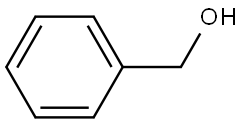
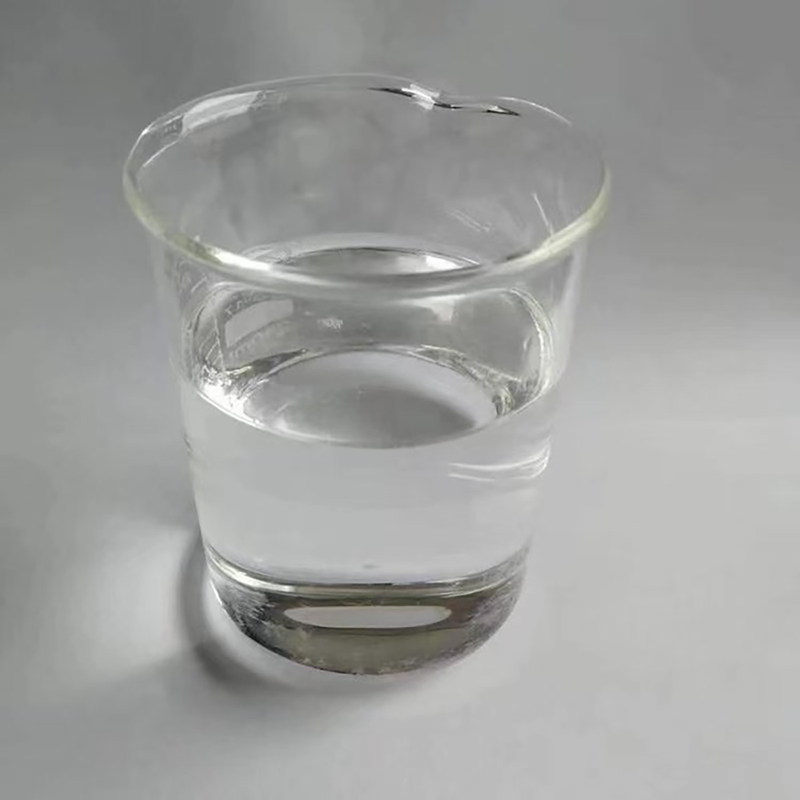
Phenylcarbinol is also known as benzyl alcohol. Its chemical formula is C6H5CH2OH and its density is 1.045 g/mL at 25 ° C (lit). Benzylalcohol is one of the simplest fatty alcohol containing phenyl. It can be seen as benzene substituted by hydroxymethyl, or methyl alcohol substituted by phenyl. It is a colorless transparent sticky liquid with faint aroma. Sometimes benzyl alcohol is placed for a long time, it will smells like bitter almond flavor because of oxidation. Polarity, low toxicity and low steam, so it is used as alcohol solvent. It is combustible, and slightly soluble in water (about 25ml of water soluble 1 gram of benzyl alcohol). It is miscible with ethanol, ethyl ether, benzene, chloroform and other organic solvents.
Benzyl alcohol mainly exists in the form of free or ester in essential oil, such as jasmine oil, ylang-ylang oil, jasmine oil, hyacinth oil, sesame oil, hyacinths balsam, peru balsam and tolu balsam, which all contain this ingredient.
Benzyl alcohol should not be stored for a long time. It can be slowly oxidized to benzaldehyde and anisole in the air.Therefore benzyl alcohol products often smell like almond aroma with characteristic of benzaldehyde. In addition, benzyl alcohol is also easily oxidized to benzoic acid by many kinds of antioxidants such as nitric acid. |
| Chemical Properties |
Benzyl alcohol has a characteristic pleasant, fruity odor and a slightly pungent, sweet taste; the note tends to become similar to that of benzyl aldehyde on aging. Slightly soluble in water, and miscible with alcohol, ether, chloroform and so on. |
| Uses |
Benzyl alcohol is a colorless clear oily liquid; its odor type is floral and its odor at 100% is described as 'floral rose phenolic balsamic'.Benzyl alcohol is used in cosmetics as afragrance component, preservative, solvent and diluting agent for perfumes and flavors, and viscosity-decreasing agent. It is used as a solvent for surface-coating materials, cellulose esters and ethers, alkyd resins,acrylic resins, fats, dyestuffs,casein (when hot), gelatin, shellac and waxes. It is added in small amounts to surface-coating materials to improve their flow and gloss. In the textile industry, benzyl alcohol is used as anauxiliary in the dyeing of wool, polyamides, and polyesters. In pharmacy it is used as a local anesthetic ingredient in over-the-counter anorectal, oral healthcare and topical analgesic drug products and, because of its antimicrobial effect, as an ingredient of ointments and other preparations (U.S. National Library of Medicine).
Benzyl alcohol is also a starting material for the preparation of numerous benzyl esters that are used as odorants, flavors, stabilizers for volatile perfumes, and plasticizers and is also employed in the extractive distillation of m- and p-xylenes and m- and p-cresols. Other uses include or have included heat-sealing of polyethylene films,in color photography as a development accelerator and in microscopy as embedding material (U.S.National Library of Medicine). |
| Production Method |
1.Benzyl chloride with potassium or sodium is heated for a long timg, and hydrolyzes to yield benzyl alcohol.
2.Benzaldehyde in methanol and sodium hydroxide solution react to benzyl alcohol at 65~75 ℃. The product has high purity.
3.Using benzyl chloride as raw materials, it is heated and hydrolyzes to yield benzyl alcohol in the presence of the sodium catalyst. Specification of spices benzyl alcohol(QB792-81): the relative density of 1.041-1.046; refractive index of 1.538-1.541; boiling range 203-206℃ and distillate volume more than 95%; dissolving completely in 30 volumes of distilled water; containing more than 98 percent of alcohol; chlorine test (NF) as the side reaction. Raw material consumption quota: benzyl chloride 1600kg/t; soda ash 1000kg/t.
4.Benzyl alcohol exists naturally in orange flower, ylang-ylang, jasmine, gardenia, acacia, lilac and hyacinth. Benzyl chloride or benzaldehyde is used as raw materials to prepare benzyl alcohol in the industry.
5.Add chlorobenzyl to 12% sodium carbonate solution, heat to 93 ℃ and stir for 5h. Then warm the mixture to 101~103℃ and react for 10h. After the reaction, cool it to the room temperature, and add salt to saturation. After still standing for stratification, take the upper liquid and get crude products through pressure distillation. Then refine to gain the target products. The yield is 70%~72%.
C6H5CH2Cl+H2O[Na2CO3]→C6H5CH2OH+NaCl+CO2↑
In the presence of sodium hydroxide, formaldehyde and benzaldehyde react to produce benzyl alcohol by disproportionation reaction.
C6H5CHO+HCHO[NaOH]→C6h5CH2OH+HCOONa |
| Description |
Benzyl alcohol is a component catalyst for epoxy resins. It is also contained in the color developer C-22. |
| Chemical Properties |
Benzyl alcohol occurs in many essential oils and foods. It is a colorless liquid with a weak, slightly sweet odor. Benzyl alcohol can be oxidized to benzaldehyde, for example, with nitric acid. Dehydrogenation over a copper–magnesium oxide–pumice catalyst also leads to the aldehyde. Esterification of benzyl alcohol results in a number of important fragrance and flavor materials. Diphenylmethane is prepared by a Friedel–Crafts reaction of benzyl alcohol and benzene with aluminum chloride or concentrated sulfuric acid. By heating benzyl alcohol in the presence of strong acids or strong bases, dibenzyl ether is formed. |
| Physical properties |
Colorless, hygroscopic, air sensitive liquid with a faint, pleasant, aromatic odor. Odor threshold concentration in water is 10 ppm (Buttery et al., 1988). |
| Occurrence |
The free alcohol is often present in several essential oils and extracts of jasmine, tobacco, tea, neroli, copaiba, Acacia farnesiana Willd., Acacia cavenia Hook. and Arn., Robinia pseudacacia, ylang-ylang, Pandanus odoratissimus, Michelia champaca, Prunus laurocerasus, tuberose, orris, castoreum, violet leaves, clove buds and others. Also found in fresh apple, apricot, mandarin peel oil, high bush blueberry, raspberry, strawberry fruit, American cranberry and cooked asparagus. |
| History |
LIEBIG and WO¨HLER first prepared benzyl alcohol from bitter almond oil (benzaldehyde) in 1832. The structure of benzyl alcohol was determined in 1853 by CANNIZZARO. CANNIZZARO used the reaction named after him, in which benzaldehyde is disproportionated into benzoic acid and benzyl alcohol through the action of an alkali. |
| Uses |
Esters of benzyl alcohol are used in makingperfume, soap, flavoring, lotion, and ointment.It finds application in color photography;the pharmaceuticals industry, cosmetics,and leather dyeing; and as an insect repellent.It occurs in natural products such as oils ofjasmine and castoreum. |
| Uses |
Benzyl alcohol is widely used as a solvent for the dielectrophoretic reconfiguration of nanowires, inks, paints, lacquers and epoxy resin coatings and as a precursor to a variety of esters used in soaps, perfumes and flavoring. It is employed as a local anesthetic which reduces the pain associated with lidocaine injection. It has a various applications in baby products, bath products, soaps and detergents, eye makeup, blushers, cleansing products, make up products as well as hair, nail and skin care products. |
| Uses |
benzyl alcohol is a preservative against bacteria, used in concentrations of 1 to 3 percent. It can cause skin irritation. |
| Definition |
ChEBI: Benzyl alcohol is an aromatic alcohol that consists of benzene bearing a single hydroxymethyl substituent. It has a role as a solvent, a metabolite, an antioxidant and a fragrance. |
| Definition |
An aromatic primary alcohol. Phenylmethanol is synthesized by Cannizzaro’s reaction, which involves the simultaneous oxidation and reduction of benzenecarbaldehyde (benzaldehyde) by refluxing in an aqueous solution of sodium hydroxide:
2C6H5CHO → C6H5CH2OH + C6H5COOH
Phenylmethanol undergoes the reactions characteristic of alcohols, especially those in which the formation of a stable carbonium ion as an intermediate (C6H5CH2 +) enhances the reaction. Substitution onto the benzene ring is also possible; the –CH2OH group directs into the 2- or 4-position by the donation of electrons to the ring. |
| Preparation |
Benzyl alcohol is prepared commercially by the distillation of benzyl chloride with potassium or sodium carbonate. It may also be prepared by the Cannizzaro reaction of benzaldehyde and potassium hydroxide. |
| World Health Organization (WHO) |
Benzyl alcohol has been used as an antimicrobial agent in pharmaceutical preparations for many years. Parenteral administration of preparations containing 0.9% benzyl alcohol resulted in the death of 16 neonates in the USA in the early 1980s. Many countries subsequently warned against using such preparations in neonates. This decision is not applicable to the use of benzyl alcohol as a preservative in other circumstances or to its use in topical preparations and no country has placed a total ban on the compound. |
| Aroma threshold values |
Detection: 1.2 to 1000 ppb; also 10 to 1000 ppm. |
| Taste threshold values |
Taste characteristics at 50 ppm: chemical, fruity with balsamic nuances. |
| Synthesis Reference(s) |
Chemical and Pharmaceutical Bulletin, 36, p. 3628, 1988 DOI: 10.1248/cpb.36.3628
Journal of the American Chemical Society, 107, p. 2428, 1985 DOI: 10.1021/ja00294a038
Tetrahedron Letters, 35, p. 1515, 1994 DOI: 10.1016/S0040-4039(00)76746-3 |
| General Description |
A clear colorless liquid with a pleasant odor. Slightly denser than water. Flash point 194°F. Boiling point 401°F. Contact may irritate skin, eyes, and mucous membranes. May be slightly toxic by ingestion. Used to make other chemicals. |
| Air & Water Reactions |
Slightly soluble in water. |
| Reactivity Profile |
Attacks plastics. [Handling Chemicals Safely 1980. p. 236]. Acetyl bromide reacts violently with alcohols or water [Merck 11th ed. 1989]. Mixtures of alcohols with concentrated sulfuric acid and strong hydrogen peroxide can cause explosions. Example: an explosion will occur if dimethylbenzylcarbinol is added to 90% hydrogen peroxide then acidified with concentrated sulfuric acid. Mixtures of ethyl alcohol with concentrated hydrogen peroxide form powerful explosives. Mixtures of hydrogen peroxide and 1-phenyl-2-methyl propyl alcohol tend to explode if acidified with 70% sulfuric acid [Chem. Eng. News 45(43):73 1967; J, Org. Chem. 28:1893 1963]. Alkyl hypochlorites are violently explosive. They are readily obtained by reacting hypochlorous acid and alcohols either in aqueous solution or mixed aqueous-carbon tetrachloride solutions. Chlorine plus alcohols would similarly yield alkyl hypochlorites. They decompose in the cold and explode on exposure to sunlight or heat. Tertiary hypochlorites are less unstable than secondary or primary hypochlorites [NFPA 491 M 1991]. Base-catalysed reactions of isocyanates with alcohols should be carried out in inert solvents. Such reactions in the absence of solvents often occur with explosive violence [Wischmeyer 1969]. |
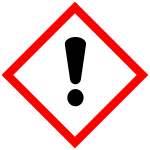
| Hazard |
Highly toxic. |
| Health Hazard |
Benzyl alcohol is a low acute toxicant witha mild irritation effect on the skin. Theirritation in 24 hours from the pure compoundwas mild on rabbit skin and moderateon pig skin. A dose of 750 μg producedsevere eye irritation in rabbits. The toxicityof benzyl alcohol is of low order,the effects varying with the species. Oralintake of high concentrations of this compoundproduced behavioral effects in rats.The symptoms progressed from somnolenceand excitement to coma. Intravenous administrationin dogs produced ataxia, dyspnea,diarrhea, and hypermotility in the animals.
Adult and neonatal mice treated withbenzyl alcohol exhibited behavioral change,including sedation, dyspnea, and loss ofmotor function. Pretreatment with pyrazoleincreased the toxicity of benzyl alcohol. Withdisulfiram the toxicity remained unchanged.The study indicated that the acute toxicitywas due to the alcohol itself andnot to bezaldehyde, its primary metabolite(McCloskey et al. 1986). |
| Fire Hazard |
Benzyl alcohol is combustible. |
| Flammability and Explosibility |
Non flammable |
| Pharmaceutical Applications |
Benzyl alcohol is an antimicrobial preservative used in cosmetics, foods, and a wide range of pharmaceutical formulations, including oral and parenteral preparations, at concentrations up to 2.0% v/v. The typical concentration used is 1% v/v, and it has been reported to be used in protein, peptide and small molecule products, although its frequency of use has fallen from 48 products in 1996, 30 products in 2001, to 15 products in 2006. In cosmetics, concentrations up to 3.0% v/v may be used as a preservative. Concentrations of 5% v/v or more are employed as a solubilizer, while a 10% v/v solution is used as a disinfectant.
Benzyl alcohol 10% v/v solutions also have some local anesthetic properties, which are exploited in some parenterals, cough products, ophthalmic solutions, ointments, and dermatological aerosol sprays.
Although widely used as an antimicrobial preservative, benzyl alcohol has been associated with some fatal adverse reactions when administered to neonates. It is now recommended that parenteral products preserved with benzyl alcohol, or other antimicrobial preservatives, should not be used in newborn infants if at all possible. |
| Contact allergens |
Benzyl alcohol is mainly a preservative, mostly used in topical antimycotic or corticosteroid ointments. It is also a component catalyst for epoxy resins and is contained in the color developer C-22. As a fragrance allergen, it has to be mentioned by name in cosmetics within the EU. |
| Safety |
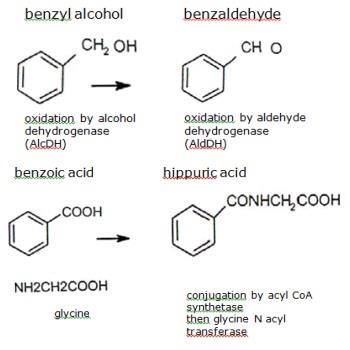
Benzyl alcohol is used in a wide variety of pharmaceutical formulations. It is metabolized to benzoic acid, which is further metabolized in the liver by conjugation with glycine to form hippuric acid, which is excreted in the urine.
Ingestion or inhalation of benzyl alcohol may cause headache, vertigo, nausea, vomiting, and diarrhea. Overexposure may result in CNS depression and respiratory failure. However, the concentrations of benzyl alcohol normally employed as a preservative are not associated with such adverse effects.
Reports of adverse reactions to benzyl alcohol used as an excipient include toxicity following intravenous administration; neurotoxicity in patients administered benzyl alcohol in intrathecal preparations; hypersensitivity, although relatively rare; and a fatal toxic syndrome in premature infants.
The fatal toxic syndrome in low-birth-weight neonates, which includes symptoms of metabolic acidosis and respiratory depression, was attributed to the use of benzyl alcohol as a preservative in solutions used to flush umbilical catheters. As a result of this, the FDA has recommended that benzyl alcohol should not be used in such flushing solutions and has advised against the use of medicines containing preservatives in the newborn.
The WHO has set the estimated acceptable daily intake of the benzyl/benzoic moiety at up to 5 mg/kg body-weight daily.
LD50 (mouse, IV): 0.32 g/kg
LD50 (mouse, oral): 1.36 g/kg
LD50 (rat, IP): 0.4 g/kg
LD50 (rat, IV): 0.05 g/kg
LD50 (rat, oral): 1.23 g/kg |
| Synthesis |
By saponification of the ester present in Tolu and Pery balsams; synthetically, it is obtained from benzyl chloride by the action of sodium or potassium carbonate. |
| Synthesis |
Research found an electrocatalytic approach that couples water oxidation with toluene oxidation in wet DMF or DMSO electrolyte. Water oxidation was catalyzed by laser-synthesized [NiFe]-(OH)2 nanosheets supported on hydrophilic carbon fiber paper anodes, enhancing water oxidation activity and toluene oxygenation efficiency. Under optimized conditions in wet DMF electrolyte, toluene oxidation achieved 100% selectivity for benzyl alcohol at yield of 87%[1].
![Shop Benzyl alcohol100-51-6-Detailed Image 2]() |
| Carcinogenicity |
In an NTP study, F344 rats were dosed by oral gavage with 0, 200, and 400 mg/kg, 5 days/ week for 2 years. Benzyl alcohol had no effect on the survival of male rats; female rats had reduced survival, and many of the early deaths were considered related to the gavage procedure. There were no treatment-related effects on nonneoplastic or neoplastic lesions in either sex treated with benzyl alcohol. It was concluded that under the conditions of the study, there was no evidence of carcinogenic activity . In the same NTP study, B6C3F1 mice were dosed by oral gavage with 0, 100, and 200 mg/kg, 5 days/week for 2 years. No effects on survival or body weight gain were observed. There were no treatment-related effects on nonneoplastic or neoplastic lesions in either sex. It was concluded that under the conditions of the study, there was no evidence of carcinogenic activity. |
| Source |
Benzyl alcohol naturally occurs in tea (900 ppm), daffodils (165–330 ppm), hyacinths (64–920 ppm), jasmine (120–228 ppm) rosemary (7–32 ppm), hyssop (0.1–30 ppm), tangerines (1–2 ppm), blueberries (0.01–0.08 ppm in fruit juice), ylang-ylang, colocynth, licorice, roselle, tomatoes, spearmint, sweet basil, apricots, tuberose (Duke, 1992), and small-flowered oregano shoots (2 ppm) (Baser et al., 1991). Also identified among 139 volatile compounds identified in cantaloupe (Cucumis melo var. reticulates cv. Sol Real) using an automated rapid headspace solid phase microextraction method (Beaulieu and Grimm, 2001). |
| Environmental fate |
Biological. Heukelekian and Rand (1955) reported a 5-d BOD value of 1.55 g/g which is 61.5% of the ThOD value of 2.52 g/g.
Chemical/Physical. Slowly oxidizes in air to benzaldehyde (Huntress and Mulliken, 1941). Benzyl alcohol will not hydrolyze because it has no hydrolyzable functional group (Kollig, 1993). |
| Metabolism |
Esters of benzyl alcohol are rapidly hydrolysed in vivo to benzyl alcohol, which is then oxidized . The animal organism readily oxidizes benzyl alcohol to benzoic acid, which after conjugation with glycine is rapidly eliminated as hippuric acid in the urine.
![Shop Benzyl alcohol100-51-6-Detailed Image 3]()
Benzyl alcohol is oxidised by alcohol dehydrogenase (AlcDH), a cytoplasmic enzyme present mainly in the liver, but also in the intestine and kidney. This reaction is saturable. The benzaldehyde formed is oxidised by aldehyde dehydrogenases (AldDH), cytoplasmic and mitochondrial enzymes mainly present in the liver, but also in the intestine and numerous organs. |
| storage |
Benzyl alcohol oxidizes slowly in air to benzaldehyde and benzoic acid; it does not react with water. Aqueous solutions may be sterilized by filtration or autoclaving; some solutions may generate benzaldehyde during autoclaving.
Benzyl alcohol may be stored in metal or glass containers. Plastic containers should not be used; exceptions to this include polypropylene containers or vessels coated with inert fluorinated polymers such as Teflon.
Benzyl alcohol should be stored in an airtight container, protected from light, in a cool, dry place. |
| Purification Methods |
It is usually purified by careful fractional distillation under reduced pressure in the absence of air. Benzaldehyde, if present, can be detected by UV absorption at 283nm. It has also been purified by shaking with aqueous KOH and extracting with peroxide-free diethyl ether. After washing with water, the extract is treated with saturated NaHS solution, filtered, washed, dried with CaO and distilled under reduced pressure [Mathews J Am Chem Soc 48 562 1926]. Peroxy compounds can be removed by shaking with a solution of Fe2+ followed by washing the alcohol layer with distilled water and fractionally distilling it. [Beilstein 6 IV 2222.] |
| Toxicity evaluation |
Due to an abundance of useful applications across society, from industrial production to consumer products, benzyl alcohol is present in the environment and is steadily released through commercial and household waste streams. Benzyl alcohol was an early object of chemists striving for greener synthetic approaches involving mixed catalysts for oxidation. It is released into the atmosphere entirely as a vapor due to its high vapor pressure, where it is lost by degradation involving reaction with hydroxyl radicals at a half-life of about 2 days. Benzyl alcohol is expected to have quite high mobility based upon its soil to water partition coefficient, and a projected soil half-life of about 13 days. |
| Incompatibilities |
Benzyl alcohol is incompatible with oxidizing agents and strong acids. It can also accelerate the autoxidation of fats. Although antimicrobial activity is reduced in the presence of nonionic surfactants, such as polysorbate 80, the reduction is less than is the case with hydroxybenzoate esters or quaternary ammonium compounds.
Benzyl alcohol is incompatible with methylcellulose and is only slowly sorbed by closures composed of natural rubber, neoprene, and butyl rubber closures, the resistance of which can be enhanced by coating with fluorinated polymers. However, a 2% v/v aqueous solution in a polyethylene container, stored at 208℃, may lose up to 15% of its benzyl alcohol content in 13 weeks. Losses to polyvinyl chloride and polypropylene containers under similar conditions are usually negligible. Benzyl alcohol can damage polystyrene syringes by extracting some soluble components |
| Toxics Screening Level |
The initial threshold screening level (ITSL) for benzyl alcohol is 400 μg/m3 (annual averaging time). |
| Regulatory Status |
Included in the FDA Inactive Ingredients Database (dental injections, oral capsules, solutions and tablets, topical, and vaginal preparations). Included in parenteral and nonparenteral medicines licensed in the UK. Included in the Canadian List of Acceptable Non-medicinal Ingredients. |
| References |
[1] Wilsey, M. K., and, Cajiao, N., and, Radovic, A., and, Neidig, M. L., and, Basdogan*, Y., and Astrid M. Müller. (2025). Selective Toluene Electrooxidation to Benzyl Alcohol. Journal of the American Chemical Society, 147 40, 36117–36135. https://doi.org/10.1021/jacs.5c05986 |






 Pakistan
 Italy
 United States
 Australia
 Kenya
 India
 Malaysia
 Canada
 Czech
 Paraguay