N,N-Diethylacetoacetamide CAS 2235-46-3 98% GC Beta-Keto Amide Building Block and Resin Cure Promoter
Keywords: N,N-diethylacetoacetamide, CAS 2235-46-3, DEAA, N,N-diethyl-3-oxobutanamide, beta-dicarbonyl building block, ketone peroxide cure promoter
Product Overview
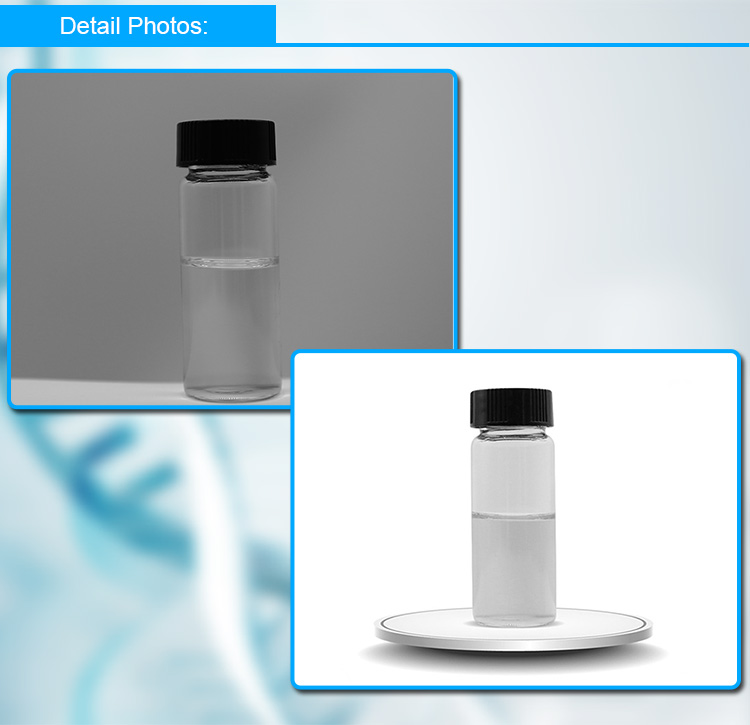
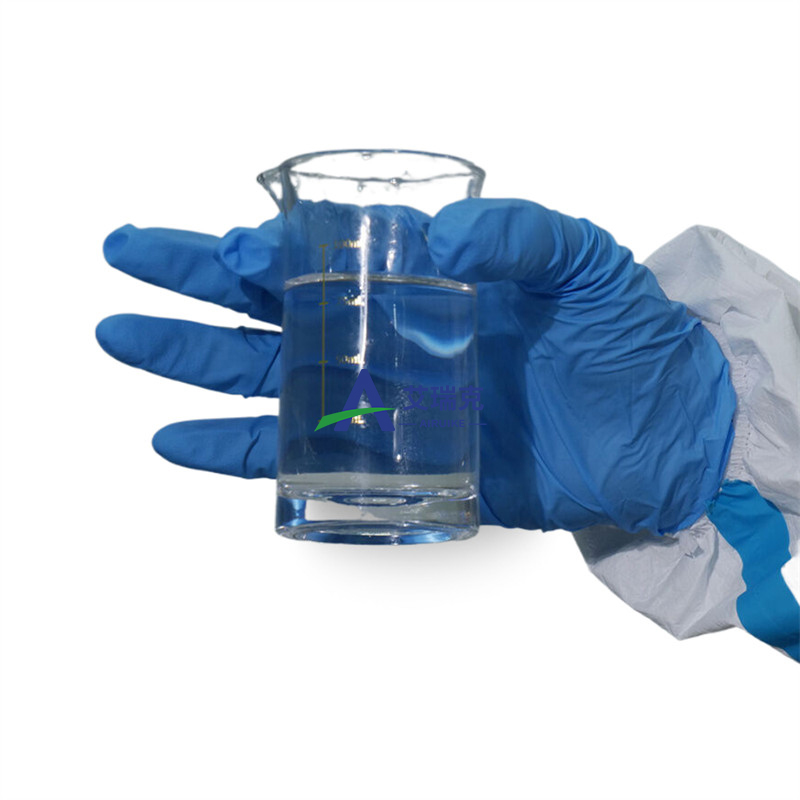
N,N-Diethylacetoacetamide (CAS 2235-46-3) is a beta-dicarbonyl amide with the molecular formula C8H15NO2 and a molecular weight of 157.21 g/mol. It is supplied as a clear yellow to yellow-orange liquid with a density of 0.994 g/mL at 20 C, a refractive index n20/D of 1.471 and a melting point of -73 C, so it remains pourable under normal warehouse and shipping conditions. The compound carries two carbonyl functions separated by an activated methylene group, which makes it a versatile C3 synthon for heterocyclic construction, and its tertiary amide nitrogen carries the diethylcarbamoyl group found in a range of pharmaceutical targets.
Commercially the material serves two distinct markets. In fine chemical synthesis it is an intermediate for agrochemical and pharmaceutical production, including organophosphate insecticides and hexahydroquinoline calcium channel blockers. In the composites industry it is established as a promoter for cobalt accelerated ketone peroxide cure systems in unsaturated polyester and vinyl ester resins, where it is used in place of aromatic amine promoters.
Key Attributes
| CAS No. | 2235-46-3 |
| Chemical Name | N,N-Diethylacetoacetamide |
| IUPAC Name | N,N-diethyl-3-oxobutanamide |
| Molecular Formula | C8H15NO2 |
| Molecular Weight | 157.21 g/mol |
| Exact Mass | 157.1103 Da |
| InChIKey | NTMXFHGYWJIAAE-UHFFFAOYSA-N |
| MDL Number | MFCD00026728 |
| EINECS Number | 218-792-3 |
| Chemical Family | Beta-keto amide, beta-dicarbonyl compound |
| Physical Form | Liquid at 20 C |
| Appearance | Clear yellow to yellow-orange liquid |
| Purity | Not less than 98.0% by GC. Assay up to 99.0% is available for industrial orders. |
| Melting Point | -73 C |
| Boiling Point | 85-87 C at 1 mmHg |
| Density | 0.994 g/mL at 20 C |
| Refractive Index | n20/D 1.471 |
| Flash Point | 94 C |
| Water Solubility | Approximately 10 g/L at 26 C |
| pH of Aqueous Dispersion | 5-7 (10 g/L in water, 20 C) |
| LogP | 0.3 (XLogP3, calculated) |
| pKa | 12.97 (predicted) |
| Polar Surface Area | 37.4 A2 |
| Hydrogen Bond Donors | 0 |
| Hydrogen Bond Acceptors | 2 |
| Rotatable Bonds | 4 |
| Tautomerism | Keto enol tautomerism. Reported as approximately 67% keto form at 25 C in the pure liquid state. |
| Storage Condition | Store at room temperature in a tightly closed container, protected from moisture |
Key Highlights
- HIGH PURITY GRADE: Standard offer is not less than 98.0 percent assay by gas chromatography, with each batch released against a lot specific certificate of analysis.
- DUAL MARKET PRODUCT: The same molecule serves both as a fine chemical synthesis intermediate and as a cure promoter for unsaturated polyester and vinyl ester resin systems, giving buyers a well characterized and widely handled material.
- ACTIVATED METHYLENE CHEMISTRY: The beta-dicarbonyl arrangement provides a nucleophilic C3 unit for Hantzsch, Biginelli and annulation reactions, allowing direct construction of dihydropyridine, pyrimidine, hexahydroquinoline and salicylate frameworks.
- BUILT IN DIETHYLCARBAMOYL GROUP: The tertiary amide delivers the N,N-diethylcarbamoyl substituent already in place, which removes a protection and deprotection sequence from routes targeting diethylamide containing active compounds.
- NON DISCOLORING PROMOTER: When used in cobalt accelerated ketone peroxide systems it does not produce the yellow to brown discoloration of the cured resin part that is normally observed with aromatic amine promoters.
- LIQUID AT AMBIENT: Melting point of -73 C and density of 0.994 g/mL at 20 C make the product easy to meter, pump and dose in both laboratory and plant scale operations.
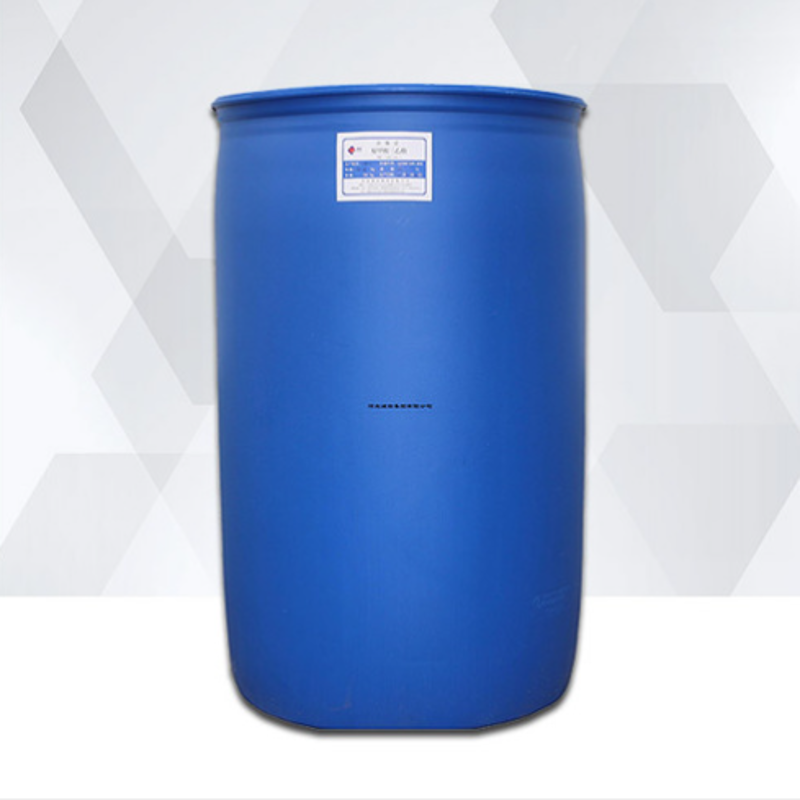
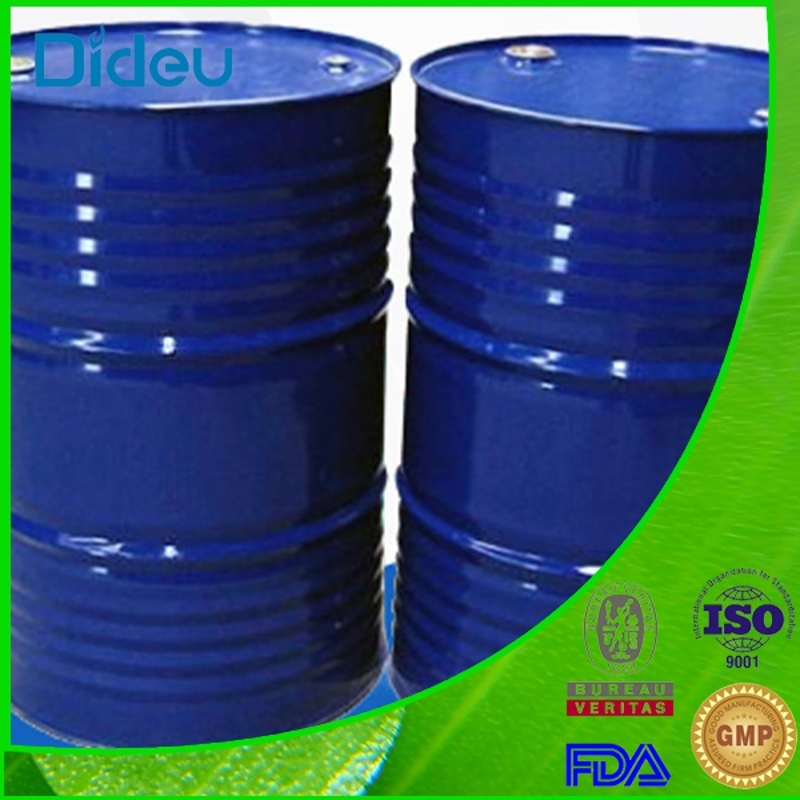
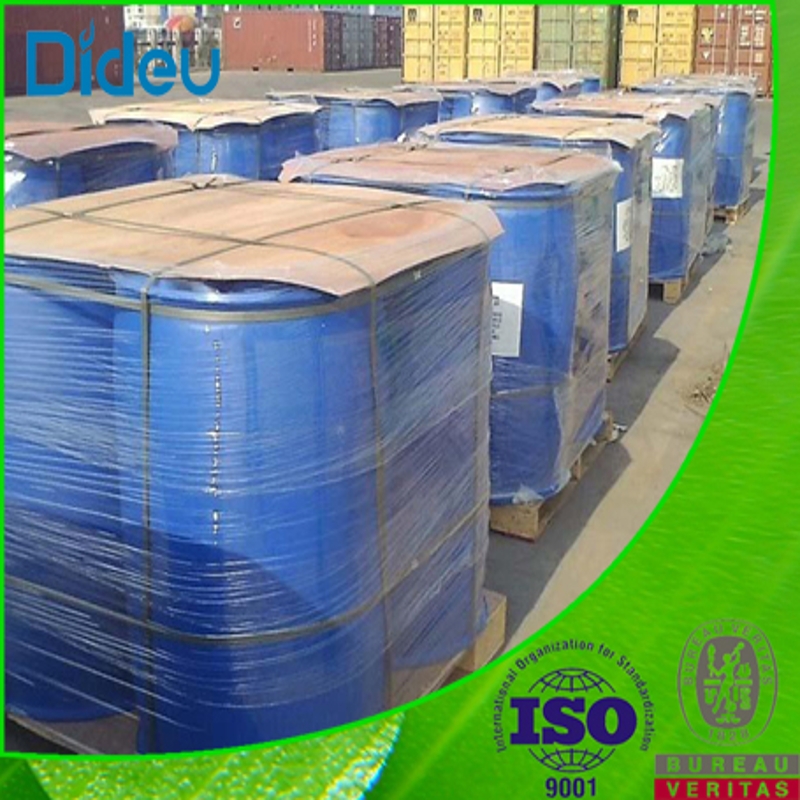
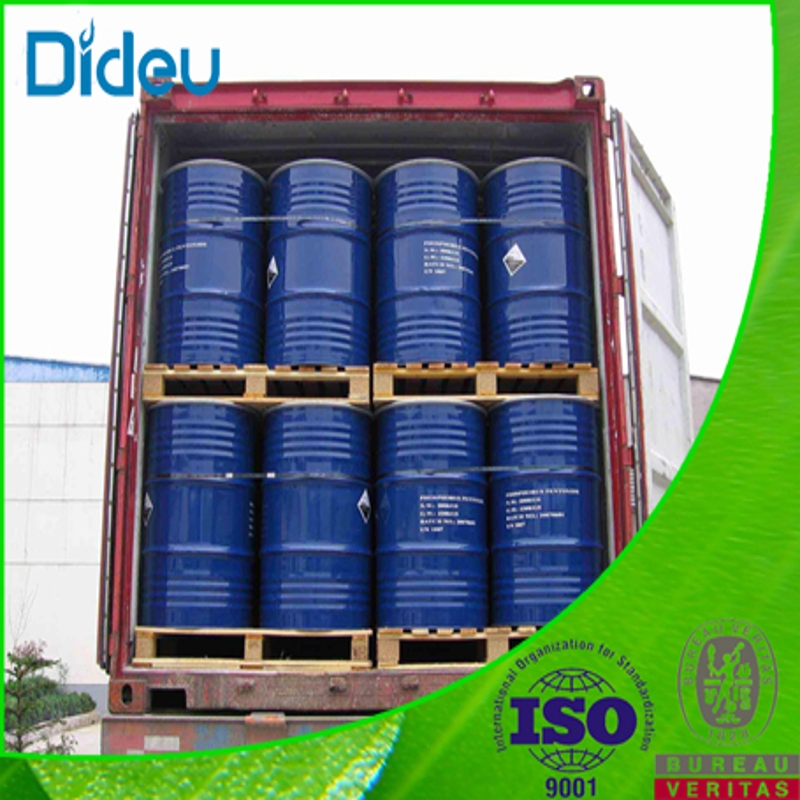
- SCALABLE SUPPLY: Minimum order quantity of 25 kg for industrial buyers, with standard 200 kg drum packing. Laboratory packs from 25 g are also available for route scouting and analytical work.
- COMPLETE DOCUMENTATION: Certificate of analysis and technical data sheet accompany every shipment, with batch traceability and structural confirmation data on request.
Product Description
N,N-Diethylacetoacetamide is prepared industrially by the condensation of diketene with diethylamine. The reaction is carried out by charging diethylamine to the reactor and adding diketene dropwise at 40-45 C, using a diketene to diethylamine molar ratio of about 1 to 1.05. The mixture is then held at approximately 45 C for one hour to complete the addition, giving the acetoacetylated amide in high content. This single step route from two commodity feedstocks is the reason the compound is available at industrial scale rather than only as a laboratory reagent.
Structurally the molecule is CH3COCH2CON(C2H5)2. The methylene group between the ketone and the amide carbonyl is strongly activated and readily deprotonated, which is the basis of its behaviour as a C3 nucleophile. The compound exists in keto enol equilibrium, and it has been reported to be about 67 percent in the keto form at 25 C as the pure liquid. Because the amide nitrogen is fully substituted there is no NH proton, so the molecule acts as a hydrogen bond acceptor only, with two acceptor sites and no donor sites. The diethylamide function is also more resistant to hydrolysis than a corresponding ester, which is why it is preferred when a carboxamide must survive subsequent reaction steps.
Physically the product is a clear yellow to yellow-orange liquid with a density of 0.994 g/mL at 20 C and a refractive index n20/D of 1.471. It boils at 85-87 C under 1 mmHg vacuum, which allows purification by short path or vacuum distillation without thermal stress. The flash point is 94 C and the melting point is -73 C, so the material stays liquid across the full range of normal handling and transport temperatures. Water solubility is limited, on the order of 10 g/L at 26 C, and aqueous dispersions at 10 g/L show a pH between 5 and 7.
Dideu Group supplies this material in drum quantities for industrial users and in small packs for research use. The standard grade is not less than 98.0 percent by GC and higher assay material up to 99.0 percent is arranged for industrial orders. Minimum order quantity is 25 kg, standard lead time is within two weeks after order confirmation, and goods move by sea or by air according to quantity and destination. Customized packaging and private labelling are arranged according to customer requirements.
Applications
Unsaturated Polyester and Vinyl Ester Resin Cure Promoter
The largest industrial use of N,N-diethylacetoacetamide is as a promoter for cobalt accelerated cure systems based on ketone peroxides. It raises the reactivity of these systems across a wide range of unsaturated polyester resins, and is effective in standard orthophthalic and isophthalic acid based polyesters, in bisphenol A fumarate resins and in vinyl ester resins. In vinyl ester formulations it is also used to increase the reactivity of specific ketone peroxide and cobalt accelerator combinations.
The practical advantage over aromatic amine promoters such as N,N-dimethylaniline is twofold. First, the cured resin part does not develop the yellow to brown discoloration that aromatic amines normally cause, which matters for light colored and visible surface laminates. Second, the compound is regarded as a lower toxicity alternative within this promoter class. Typical processing routes include resin transfer moulding, hand lay-up and spray-up, at ambient and at elevated temperature.
Agrochemical Intermediate
The compound is a documented intermediate for the manufacture of organophosphate insecticides, in particular phosphamidon. The route depends on functionalizing the activated methylene position, for example by chlorination to the alpha chloro and alpha,alpha-dichloro acetoacetamide derivatives, before phosphate ester formation. Buyers working in crop protection synthesis use this material as the C4 backbone that carries the diethylamide group into the final active substance.
Hexahydroquinoline Calcium Channel Blocker Synthesis
As a beta-dicarbonyl compound it is used to synthesize hexahydroquinoline derivatives with calcium channel blocking activity, including 2,6,6-trimethyl-3-diethylaminocarbonyl-4-aryl-5-oxo-1,4,5,6,7,8-hexahydroquinoline systems and N,N-diethyl-2,6,6-trimethyl-4-(3-nitrophenyl)-5-oxo-1,4,5,6,7,8-hexahydroquinoline-3-carboxamide. In these routes the diethylcarbamoyl group of the starting material is retained in the product, which is the reason this particular amide is selected over the corresponding ethyl ester.
Multicomponent and Heterocyclic Chemistry
The activated methylene group participates in classical multicomponent condensations. It is used in modified Hantzsch reactions to build 1,4-dihydropyridines bearing a diethylcarbamoyl substituent, and in Biginelli type condensations for 2-amino-4-arylpyrimidine derivatives, including microwave assisted solution and solid phase variants. It also undergoes oxidative [3+3] annulation with 1,3-bisnucleophiles to give six membered aromatic rings, for example converting atropaldehyde acetals into 5-phenyl-2-hydroxy-N,N-diethylbenzamide in reported yields near 89 percent.
Michael Addition and Carbon Carbon Bond Formation
The compound undergoes Michael addition in the presence of bis(2,4-pentanedionato)nickel(II) catalyst, which allows carbon carbon bond formation at the activated methylene position under mild conditions. It is also used as a 1,3-bisnucleophile and as a C3 fragment in annulation sequences directed at fused pyrimidine and pyrazine systems, where it reacts with perhalogenated aromatic precursors.
Alpha Functionalization and Diazo Chemistry
The alpha position supports halogenation and fluorination chemistry. Catalytic direct fluorination of 2-substituted carbonyl compounds has been demonstrated on this substrate to give the corresponding 2-fluoro amide, and continuous diazo transfer processes have been developed using it as the acceptor substrate. These transformations give access to fluorinated and diazo functionalized amide intermediates for medicinal chemistry programs.
Coordination Chemistry Ligand
Because the beta-dicarbonyl unit can chelate through the two oxygen atoms, the compound is used as a ligand in coordination chemistry and as a precursor to metal chelate complexes. Related beta-keto amides of this type are also employed as ligands on silica immobilized supports in analytical and separation applications.
Multidrug Resistance Reversal Research
Published work describes the use of this amide in the design and synthesis of novel 5-oxo-hexahydroquinoline derivatives evaluated for P-glycoprotein mediated multidrug resistance reversal in cancer cell lines, together with molecular dynamics studies. It therefore appears as a starting material in oncology adjacent medicinal chemistry programs.
Note: reaction yields and activity data quoted above are figures reported in the published literature for this compound and are provided for orientation only. They are not batch release specifications and do not constitute a performance guarantee for any particular process. Buyers should confirm behaviour in their own systems and formulations.
Specifications
| Item | Specification | Typical Value |
| Assay by GC | Not less than 98.0% | Complies |
| Appearance | Clear liquid | Complies |
| Color | Yellow to yellow-orange | Complies |
| Density at 20 C | 0.990 to 0.998 g/mL | Complies |
| Refractive index n20/D | 1.468 to 1.474 | Complies |
| Water content | Not more than 0.5% | Complies |
| Molecular formula | C8H15NO2 | Complies |
| Molecular weight | 157.21 g/mol | Complies |
| Packing | As ordered, from 25 g to 200 kg | Complies |
Packaging and Shipping
| Packaging Type | Standard Sizes |
| Amber glass bottle with liner | 25 g, 100 g, 500 g, 1 kg |
| HDPE canister | 5 kg, 25 kg |
| Plastic or lined steel drum | 200 kg |
| Customized packaging | Arranged according to customer requirements |
Storage Recommendations
- Store at room temperature in a cool, dry and well ventilated place.
- Keep the container tightly closed whenever the material is not in use.
- Protect from moisture and from direct sunlight.
- Keep away from heat sources and from strong oxidizing agents.
- Where practical, maintain a dry inert gas blanket over the liquid in opened drums.
Shipping and Lead Time
- Mode of transport: by sea or by air, selected according to order quantity and destination.
- Lead time: within two weeks after order confirmation.
- Minimum order quantity: 25 kg for industrial orders. Laboratory packs from 25 g are quoted on request.
Company Profile
Dideu Group is a professional supplier of fine chemicals and specialty chemicals, serving customers in global markets with a full range of products from lab scale reagents to drum quantities for industrial production. Our portfolio covers beta-dicarbonyl building blocks, pharmaceutical and agrochemical intermediates, polymer additives and resin cure promoters, and custom synthesis starting materials.
We work with qualified manufacturing partners and maintain strict incoming and outgoing quality control, so every batch of N,N-diethylacetoacetamide is released with a certificate of analysis and a technical data sheet. Orders are handled by an experienced export team that manages documentation, packing and logistics from gram quantities up to full drum loads. Our goal is to give buyers a dependable source of consistent material with clear technical support and honest lead times.
FAQ
1. What is the minimum order quantity?
The minimum order quantity at Dideu is 25 kg for industrial buyers, supplied in HDPE canisters or in 200 kg drums. For research, route scouting and analytical use, laboratory packs from 25 g upwards are quoted on request.
2. What is the lead time?
Standard lead time is within two weeks after order confirmation. The exact date is confirmed in writing when the order is placed, as it depends on the requested assay, packing format and total quantity.
3. Which packaging options do you offer?
Small quantities from 25 g to 1 kg are packed in amber glass bottles with an inner liner. Quantities of 5 kg and 25 kg are packed in HDPE canisters, and bulk orders move in 200 kg plastic or lined steel drums. Customized packaging and private labelling can be arranged according to customer requirements.
4. What payment terms do you accept?
Dideu accepts payment by T/T and by L/C. The specific terms are agreed with the buyer before the order is confirmed and are stated on the proforma invoice.
5. Do you provide a certificate of analysis and technical documents?
Yes. Every shipment is accompanied by a batch specific certificate of analysis reporting GC assay, density and refractive index, together with a technical data sheet. Structural confirmation data and batch traceability are available on request.
6. How do you ship the goods?
Goods are shipped by sea or by air depending on order quantity, destination and buyer preference. Drum quantities normally move by sea, while small packs and urgent orders are arranged by international courier or air freight.
7. Can this product be used directly as a resin cure promoter?
Yes. The compound is established as a promoter for cobalt accelerated ketone peroxide cure systems in unsaturated polyester, bisphenol A fumarate and vinyl ester resins, and it can replace aromatic amine promoters such as N,N-dimethylaniline. Dosing level depends on the resin system, the peroxide and cobalt package and the required gel time, so we recommend running a gel time trial at your own formulation ratio before switching over.
8. Which purity grade should I choose?
The standard offer is not less than 98.0 percent by GC, which suits both synthetic work and resin promotion. Industrial orders can be supplied at assay up to 99.0 percent where a tighter impurity profile is required, for example in agrochemical routes or where the color of the cured resin matters.
9. Is the material stable during transport in warm conditions?
The product is a liquid with a melting point of -73 C and a flash point of 94 C, so it does not freeze or solidify under normal transport conditions. Drums should be kept closed and out of direct sunlight, and a dry inert gas blanket is recommended once a drum has been opened.







 ISO Certificate
 REACH
 Mexico