Methyl 2-Amino-4-Bromobenzoate CAS 135484-83-2 98% Brominated Anthranilate Building Block for Heterocyclic Synthesis
Keywords: methyl 2-amino-4-bromobenzoate, CAS 135484-83-2, methyl 4-bromoanthranilate, 2-amino-4-bromobenzoic acid methyl ester, brominated aniline ester building block
Product Overview
Methyl 2-amino-4-bromobenzoate (CAS 135484-83-2) is a brominated anthranilic acid methyl ester with the molecular formula C8H8BrNO2 and a molecular weight of 230.06 g/mol. It is supplied as a white to light yellow powder to crystal with a melting point of 77-79 C, soluble in methanol. The molecule combines three orthogonal reactive sites in one ring, an ortho primary aromatic amine, a para aryl bromide and a methyl ester, which makes it a widely used orthogonally functionalized building block for heterocyclic and medicinal chemistry programs.
Key Attributes
| CAS No. | 135484-83-2 |
| Chemical Name | Methyl 2-amino-4-bromobenzoate |
| IUPAC Name | Methyl 2-aminobenzoate, 4-bromo |
| Molecular Formula | C8H8BrNO2 |
| Molecular Weight | 230.06 g/mol |
| InChIKey | MMSODGJNFCCKAZ-UHFFFAOYSA-N |
| MDL Number | MFCD07783014 |
| Chemical Family | Brominated aromatic amine, anthranilate methyl ester |
| Physical Form | Solid at 20 C, powder to crystal |
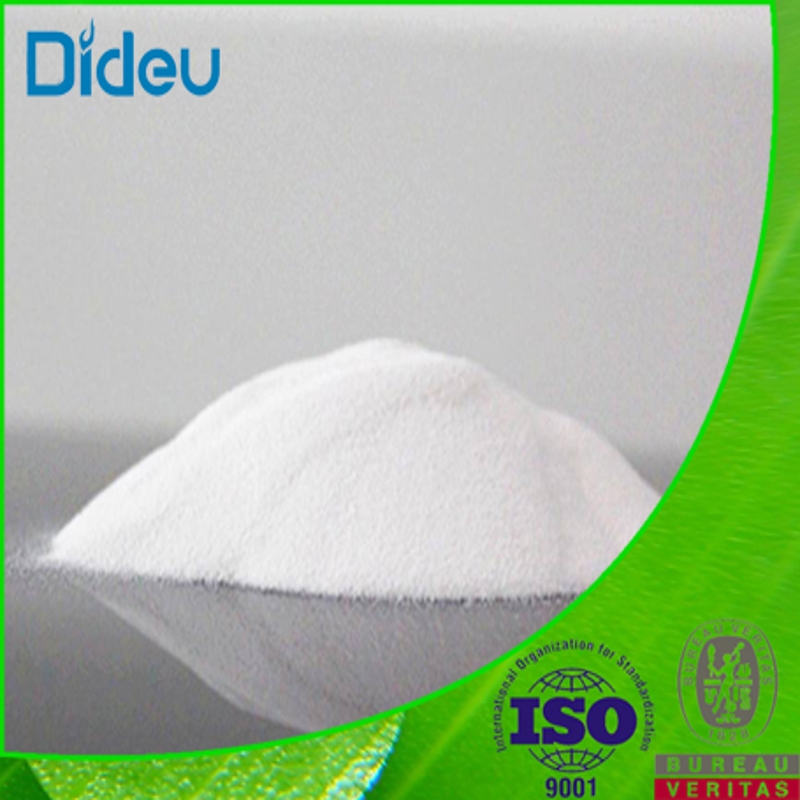
| Appearance | White to light yellow to light orange powder to crystal |
| Purity | Not less than 98.0% by HPLC. GC assay grade at 97.0% minimum is also available. |
| Melting Point | 77-79 C |
| Boiling Point | 319.3 C at 760 mmHg (calculated) |
| Density | 1.578 g/cm3 (calculated) |
| Refractive Index | 1.601 |
| Flash Point | 146.9 C |
| Solubility | Soluble in methanol |
| pKa | 1.33 (predicted) |
| Hydrogen Bond Donors | 1 |
| Hydrogen Bond Acceptors | 3 |
| HS Code | 2921420090 |
| Storage Condition | Store at 2-8 C in a tightly closed container, protected from light |
Key Highlights
- HIGH PURITY GRADE: Standard offer is not less than 98.0 percent by HPLC, with each batch released against a lot specific certificate of analysis. A 97.0 percent GC assay grade is also available for screening work.
- ORTHOGONAL REACTIVITY: Three independent reaction sites on one aromatic ring, an ortho primary amine, a para aryl bromide and a methyl ester, allow selective derivatization without protection and deprotection sequences in most routes.
- SUZUKI AND SONOGASHIRA READY: The aryl bromide undergoes palladium catalyzed cross coupling with boronic acids and terminal alkynes, which is the transformation this material is most frequently purchased for.
- HETEROCYCLE ENTRY POINT: The 2-aminobenzoate arrangement supports direct annulation to quinazolinones, quinolines, benzoxazinones, benzothiazoles and indoline systems, giving a brominated handle for a second coupling after cyclization.
- UGI MULTICOMPONENT INPUT: Functions as the amine component in Ugi four component condensations. Electron withdrawing bromo substitution has been reported to improve isolated yield over the unsubstituted anthranilate in these cascades.
- SOLID AND EASY TO HANDLE: Melting point of 77-79 C and a stable crystalline form allow accurate weighing, and the low vapor pressure at ambient temperature keeps the material non-volatile during transfer.
- SCALE RANGE: Supplied from 1 g for medicinal chemistry route scouting up to 25 kg fiber drums for pilot and production scale, so a program can carry the same material from milligram discovery through process work.
- COMPLETE DOCUMENTATION: Certificate of analysis and technical data sheet accompany every shipment, with batch traceability and structural confirmation data including proton NMR on request.
Product Description
Methyl 2-amino-4-bromobenzoate is the methyl ester of 2-amino-4-bromobenzoic acid, also described in the literature as methyl 4-bromoanthranilate. It belongs to the family of ortho amino benzoate esters, and within that family it is the para brominated member. The bromine substituent serves two purposes in synthesis. It is an electrophilic site for palladium catalyzed carbon carbon and carbon nitrogen bond formation, and it acts as an electron withdrawing group that modulates the nucleophilicity of the adjacent amine and the reactivity of the ring toward electrophilic substitution.
The compound is prepared from readily available precursors. Two documented routes are the Fischer type esterification of 2-amino-4-bromobenzoic acid with methanol, and the reduction of methyl 4-bromo-2-nitrobenzoate to the corresponding aniline. Both give the product in high purity, and the crystalline form allows straightforward purification by recrystallization from methanol or from an alcohol and water mixture. Reported downstream products include 7-bromoquinolin-3-amine, 2-amino-4-bromobenzyl alcohol, 2-amino-4-bromobenzaldehyde and 7-bromo-4,4-dimethyl-1H-benzo[d][1,3]oxazin-2(4H)-one, which illustrates the range of transformations accessible from this single ester.
Physically the product is a white to light yellow to light orange powder to crystal. The melting point is 77-79 C, the calculated density is 1.578 g/cm3, the refractive index is 1.601 and the flash point is 146.9 C. It is soluble in methanol and in common organic solvents. The material is stored at 2-8 C, protected from light, in a tightly closed container. An ortho amino benzoate with a free primary amine can darken on prolonged exposure to air and light, so keeping the container sealed and refrigerated preserves the reported color specification over the shelf life.
Dideu Group supplies this building block from 1 g up to 25 kg fiber drums. The standard grade is not less than 98.0 percent by HPLC. Minimum order quantity is 1 kg for industrial and pilot scale orders, standard lead time is within two weeks after order confirmation, and goods move by air or by sea according to quantity and destination. Customized packaging and private labelling are arranged according to customer requirements.
Applications
Pharmaceutical Intermediate and Medicinal Chemistry Building Block
The compound is a chemical intermediate in organic synthesis used in the production of agrochemicals and dyes, and it is widely used in medicinal chemistry as a starting material for discovery programs. Because the amino group, the bromide and the ester can each be addressed in a chosen order, it functions as a scaffold hopping entry point into several heterocyclic chemotypes from one common input.
ABCG2 and Multidrug Resistance Modulator Research
Published work uses methyl 2-amino-4-bromobenzoate as the starting point for quinoline carboxamide type ABCG2 modulators, for benzanilide to biphenyl bioisosteric replacement series, and for tariquidar related triazole inhibitors of ABCG2. In the triazole program the material is coupled through a Sonogashira reaction, which is exactly the transformation the para bromide is purchased for. Related quinazoline series for cyclin G associated kinase inhibitors were prepared by condensation of this ester with a triethyl orthoformate reagent.
Indoline and CD4 Mimetic Synthesis
The ester is a documented starting material for indoline scaffolds. Reported work includes indoline CD4 mimetic compounds developed as small molecule HIV-1 entry inhibitors, where a common intermediate for analogue synthesis is prepared from commercially available methyl 2-amino-4-bromobenzoate, and a route to 2-alkoxyindolin-3-one systems applied to the synthesis of N-benzyl matemone.
Multicomponent and Cascade Reactions
As the amine component of Ugi four component reactions it supports indoline piperidinone construction through a Ugi, ring expansion, pseudo Dieckmann condensation and rearrangement cascade. Reported isolated yields for the bromo substituted substrate were better than for the unsubstituted anthranilate in the same sequence, which is attributed to the electron withdrawing effect of the bromine on the intermediate.
Cross Coupling Chemistry
The aryl bromide is an effective partner for Suzuki Miyaura coupling with aryl and heteroaryl boronic acids and for Sonogashira coupling with terminal alkynes. Published examples include coupling with (4-ethoxyphenyl)boronic acid under palladium catalysis in aqueous dioxane, carried out with a green catalyst system. After coupling, the retained ortho amine and ester permit a second cyclization step to build fused heterocycles.
Heterocyclic Annulation to Fused Ring Systems
The 2-aminobenzoate core is used for rational multistep synthesis of polyfunctionalized benzo[d]thiazole systems and their thiazolo[5,4-b]pyridine analogues, where the bromine allows further chemomodulation of the resulting platform. Benzoxazinone, quinazolinone and quinoline targets are all reachable by annulation of the amine onto the adjacent carbonyl functionality.
Functional Group Interconversion and Azide Chemistry
The primary amine can be converted to a diazonium intermediate and displaced, and the ester can be reduced to the benzyl alcohol or to the aldehyde. Reported chemistry includes conversion of the 2-amino ester with sodium azide under acidic conditions to generate the corresponding methyl 2-azido benzoate, used as a crosslinker component in the design of dual stimuli responsive superabsorbent hydrogels.
Agrochemical and Dye Intermediates
Outside pharmaceutical programs the material is an intermediate for agrochemical and dye production. The ortho amino benzoate skeleton is a precursor to quinoline and benzothiazole based active structures, and the bromine position provides a handle for further elaboration of the chromophore or the active scaffold.
Flow Chemistry and Process Development
The nitration of methyl 2-amino-4-bromobenzoate has been studied as a model transformation in flow chemistry, because it is difficult to reproduce in batch. It therefore serves as a benchmark substrate for continuous processing and for reaction intensification studies under harsh conditions, which is relevant for groups transferring a discovery route into a scalable process.
Note: synthetic routes, yield figures and application examples quoted above are taken from published literature and patent references for this compound and are provided for orientation only. They are not batch release specifications and do not constitute a performance guarantee for any particular process. Buyers should confirm behaviour in their own routes and conditions.
Specifications
| Item | Specification | Typical Value |
| Assay by HPLC | Not less than 98.0% | Complies |
| Appearance | Powder to crystal | Complies |
| Color | White to light yellow to light orange | Complies |
| Melting point | 77 to 81 C | Complies |
| Water content | Not more than 0.5% | Complies |
| Molecular formula | C8H8BrNO2 | Complies |
| Molecular weight | 230.06 g/mol | Complies |
| Packing | As ordered, from 1 g to 25 kg | Complies |
Packaging and Shipping
| Packaging Type | Standard Sizes |
| Amber glass bottle with liner | 1 g, 5 g, 25 g, 100 g |
| HDPE bottle or canister | 500 g, 1 kg, 5 kg |
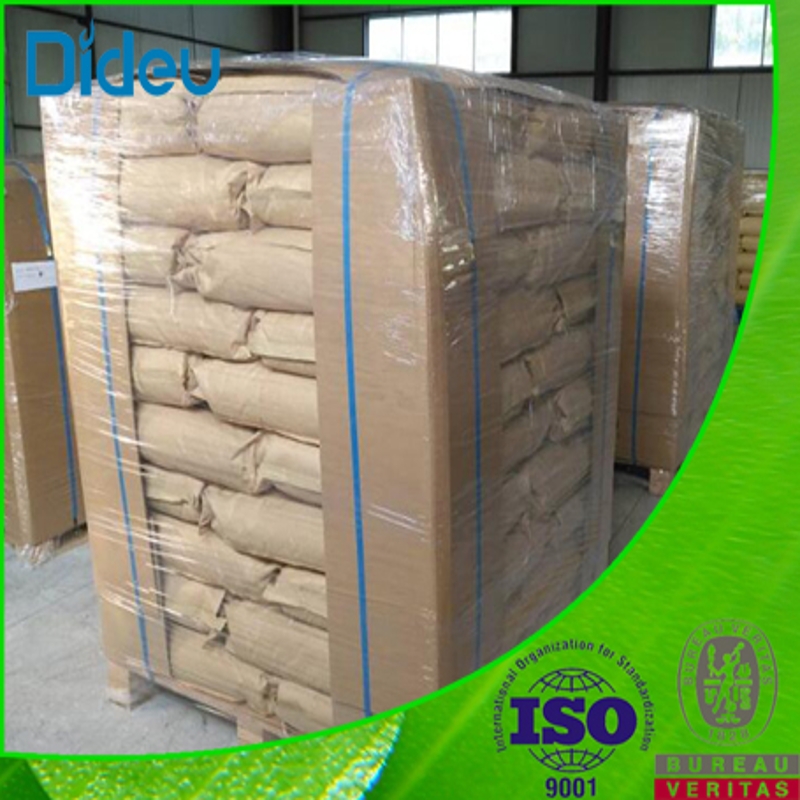
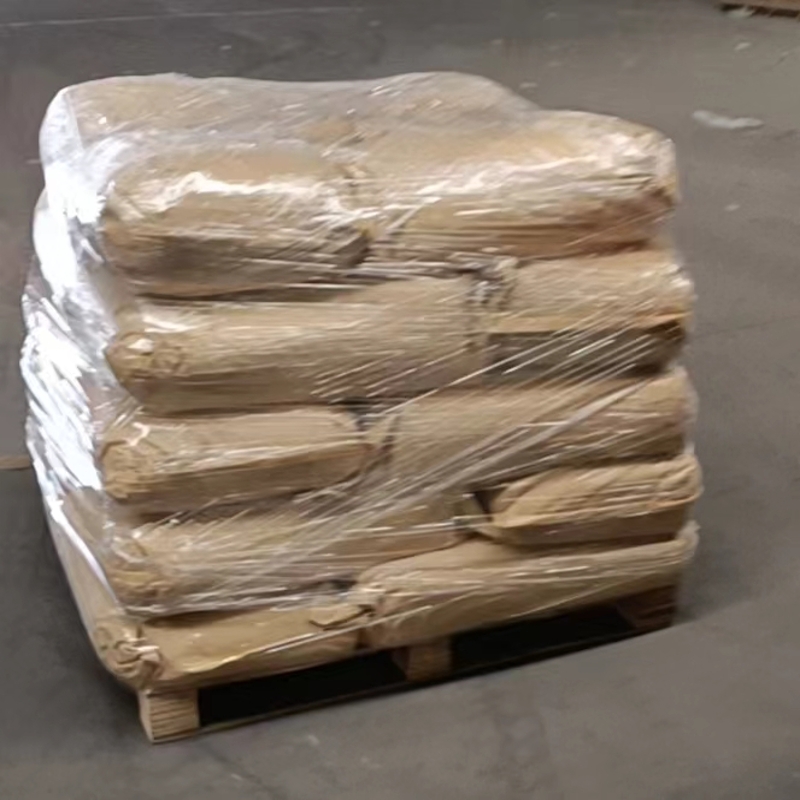
| Fiber drum with inner liner | 25 kg |
| Customized packaging | Arranged according to customer requirements |
Storage Recommendations
- Store at 2-8 C in a cool, dry and well ventilated place.
- Keep the container tightly closed whenever the material is not in use.
- Protect from light. Amber glass or opaque packing is used for all sizes.
- Protect from moisture and keep away from heat sources.
- Allow the container to reach room temperature before opening, to avoid moisture condensing on the solid.
Shipping and Lead Time
- Mode of transport: by air or by sea, selected according to order quantity and destination.
- Lead time: within two weeks after order confirmation.
- Minimum order quantity: 1 kg for industrial and pilot scale orders. Laboratory packs from 1 g are quoted on request.
Company Profile
Dideu Group is a professional supplier of fine chemicals and specialty chemicals, serving customers in global markets with a full range of products from lab scale reagents to industrial quantities. Our portfolio covers halogenated aromatic building blocks, anthranilate esters, pharmaceutical and agrochemical intermediates, and heterocyclic precursors for medicinal chemistry and process development.
We work with qualified manufacturing partners and maintain strict incoming and outgoing quality control, so every batch of methyl 2-amino-4-bromobenzoate is released with a certificate of analysis and a technical data sheet. Orders are handled by an experienced export team that manages documentation, packing and logistics from gram quantities up to full drum loads. Our goal is to give buyers a dependable source of consistent material with clear technical support and honest lead times.
FAQ
1. What is the minimum order quantity?
The minimum order quantity at Dideu is 1 kg for industrial and pilot scale buyers, supplied in HDPE canisters or in 25 kg fiber drums. For medicinal chemistry route scouting and analytical use, laboratory packs from 1 g upwards are quoted on request.
2. What is the lead time?
Standard lead time is within two weeks after order confirmation. The exact date is confirmed in writing when the order is placed, as it depends on the requested assay, packing format and total quantity.
3. What packaging options do you offer?
Small quantities from 1 g to 100 g are packed in amber glass bottles with an inner liner. Quantities of 500 g to 5 kg are packed in HDPE bottles or canisters, and bulk orders move in 25 kg fiber drums with an inner liner. Customized packaging and private labelling can be arranged according to customer requirements.
4. What payment terms do you accept?
Dideu accepts payment by T/T and by L/C. The specific terms are agreed with the buyer before the order is confirmed and are stated on the proforma invoice.
5. Do you provide a certificate of analysis and technical documents?
Yes. Every shipment is accompanied by a batch specific certificate of analysis reporting HPLC assay, melting point and appearance, together with a technical data sheet. Proton NMR structural confirmation data and batch traceability are available on request.
6. How do you ship the goods?
Goods are shipped by air or by sea depending on order quantity, destination and buyer preference. Gram quantities and urgent orders are normally arranged by international courier or air freight, while kilogram quantities and full drums move by sea.
7. Which purity grade should I choose?
The standard offer is not less than 98.0 percent by HPLC, which suits medicinal chemistry, cross coupling and annulation work. A 97.0 percent GC assay grade is available for early screening and for large volume intermediate use where a tighter impurity profile is not critical.
8. How should the material be stored on arrival?
Store at 2-8 C, protected from light, in the original tightly closed container. As with other ortho amino benzoate esters carrying a free primary amine, prolonged exposure to air and light can cause the powder to darken, so reseal the container promptly after each use.







 ISO Certificate
 REACH
REACH
 India
India