




Cosmetic Ingredient
- • Abrasive (124)
- • Absorbent (84)
- • Anticaking (66)
- • Anticorrosive (25)
- • Antifoaming (19)
- • Antimicrobials (290)
- • Antioxidant Ingredient (393)
- • Antiperspirant (20)
- • Antiplaque (48)
- • Anti-seborrheic (38)
- • Anti-sebum (38)
- • Antistatic (457)
- • Astringent (162)
- • Binding Agent (171)
- • Bleaching Agent (53)
- • Buffering (189)
- • Bulking (109)
- • Chelating (122)
- • Cleansing (680)
- • Cosmetic Colorant (212)
- • Cosmetic Preservative (158)
- • Denaturant (45)
- • Deodorant (97)
- • Depilatory (27)
- • Dissolving Agent (297)
- • Emollient (795)
- • Emulsifying Agent (481)
- • Emulsion Stabilising (153)
- • Exfoliating (19)
- • Film Forming (299)
- • Flavouring (72)
- • Foam Boosting (161)
- • Foaming (101)
- • Fragrance Ingredient (731)
- • Gel Forming (19)
- • Hair Conditioning (672)
- • Hair Dyeing (363)
- • Hair Fixing (36)
- • Hair Waving or Straightening (45)
- • Humectant (281)
- • Hydrotrope (92)
- • Keratolytic (20)
- • Light Stabilizer (77)
- • Moisturising Agent (50)
- • Nail Conditioning (42)
- • Occlusive (20)
- • Opacifying (119)
- • Oral Care (123)
- • Oxidising (19)
- • Perfuming (2106)
- • Plasticiser (98)
- • Propellant (19)
- • Reducing (51)
- • Refatting (12)
- • Refreshing (27)
- • Skin Cleansing (387)
- • Skin Conditioning (1747)
- • Skin Humectant (21)
- • Skin Protecting (281)
- • Smoothing (32)
- • Soothing (72)
- • Tonics (155)
- • UV Filter (33)
- • Viscosity Controlling (530)
Chemicals as Skincare Ingredients
Related News
-
Premium Global Chemical Sourcing Requests (20-23Aug, 2026)
2026-08-24 -
U.S. Formally Publishes India PFA Trade Cases, Raising New Barriers for Fluoropolymer Supply
2026-09-02 -
Premium Global Chemical Sourcing Requests (24-26Aug, 2026)
2026-08-27 -
Premium Global Chemical Sourcing Requests (27-30Aug, 2026)
2026-08-31 -
Multiple Positive Factors Support PTA Price Increase of Over 8% in August
2026-08-26 -
South Korea and Japan Launch Energy Supply Chain Cooperation as Hormuz Risks Grow
2026-09-03


Absorbent
Absorbent
Magnesium trisilicate
(14987-04-3)-

Chemical Grade / 99%
$1/KG FOB
-

- / 99.00%
-
")
$1-1.2/KG FOB
-

Pharmaceutical Grade / 99%




Request for quotation , get quotes from more suppliers.
β-Cyclodextrin, sulfobutyl ethers, sodium salts
(182410-00-0)-

Pharmaceutical Grade / 98.6%
-

-

Pharmaceutical Grade / 99%
-

Pharmaceutical Grade / 99%


Request for quotation , get quotes from more suppliers.
Vitreous silica
(60676-86-0)-

Pharmaceutical Grade / 99%
-

- / 99.00%
-

-

Reagent Grade / 99%
$10-12/KG FOB


Request for quotation , get quotes from more suppliers.
-

Cosmetics Grade / -
-

Pharmaceutical Grade / 99%
-

- / 99.00%
-



Request for quotation , get quotes from more suppliers.
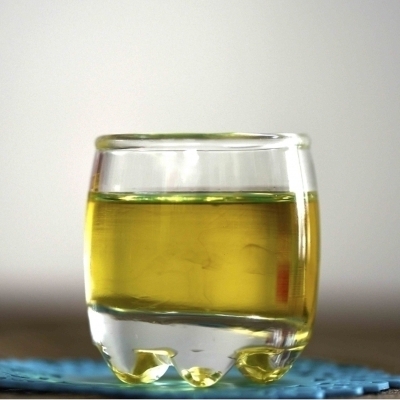
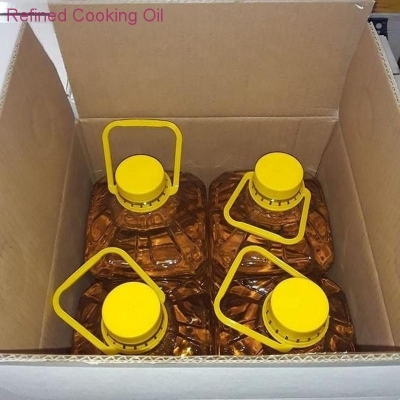
Cottonseed oil
(8001-29-4)-

-

Top Product / 98%
-

Pharmaceutical Grade / 99%
-

Food Grade / 99%


Request for quotation , get quotes from more suppliers.
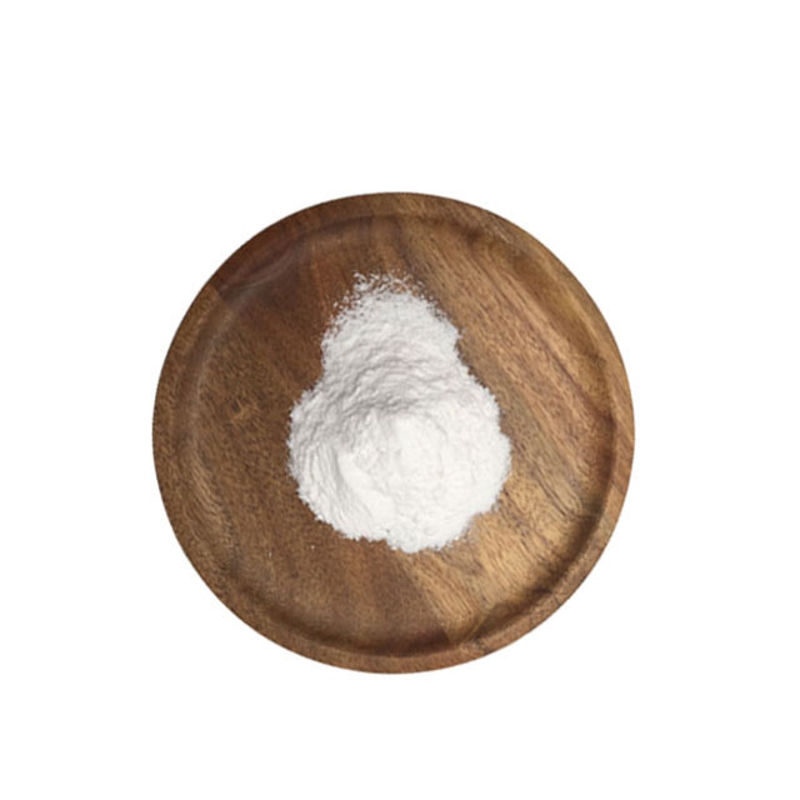
Cholestyramine
(11041-12-6)-

Chemical Grade / 99%
$1/KG FOB
-
")
$1-1.2/KG FOB
-

Pharmaceutical Grade / 99%
$5-6/MT FOB
-

Reagent Grade / 99%
$35-45/KG FOB


Request for quotation , get quotes from more suppliers.
Oils, grapefruit
(8016-20-4)-

- / 0.00%
-

Food Grade / 99%
-

-

pharmaceutical grade / 99%



Request for quotation , get quotes from more suppliers.
Calamine (pharmaceutical preparation)
(8011-96-9)-

- / 99.00%
-
 98% TOP1 supplier in China")
- / 98%
-

Industrial Grade / 99%
-

Industrial Grade / 98%



Request for quotation , get quotes from more suppliers.
HEDTA
(150-39-0)-
 Ethylenediaminetriacetic Acid")
-
ethylenediaminetriacetic acid powder CAS 150-39-0 and N-(2-Hydroxyethyl)ethylened best price")
Pharmaceutical Grade / 99%
-
ethylenediaminetriacetic acid 150-39-0")
Pharmaceutical Grade / 99%
-

pharmaceutical grade / 99%


Request for quotation , get quotes from more suppliers.
Palygorskite ([Mg(Al0.5-1Fe0-0.5)]Si4(OH)O10.4H2O)
(12174-11-7)-

Industrial Grade / 99%
-

-

Food Grade / 99%
-

Industrial Grade / 98%


Request for quotation , get quotes from more suppliers.
More Information
Cosmetic absorbents are substances that are added to cosmetic formulations to increase their viscosity or thickness.
They help prevent ingredients from separating or clumping and help to adjust the flow rate of liquids. Absorbents can also improve the appearance of products by making them look opaque and richer.
Common Absorbents:
•Kaolin
•Talc Powder
•Magnesium Oxide
Frequently Asked Questions
An absorbent is a material capable of taking in and retaining liquids or gases through absorption—where the substance is drawn into the internal structure of the material. Common absorbents include silica gel, activated carbon, clay, and cellulose-based products. They are widely used in industrial, medical, and household applications to manage spills, control humidity, or purify air and water by trapping contaminants within their porous structures.
In industrial environments, common absorbents include:1. **Oil-only absorbents** – hydrophobic materials that absorb oils but repel water, ideal for marine or outdoor spill response.2. **Universal absorbents** – designed to soak up oils, coolants, solvents, and water-based liquids.3. **Hazmat absorbents** – specially formulated for aggressive or hazardous chemicals like acids and bases.4. **Inorganic absorbents** such as vermiculite or clay, often used for cost-effective bulk spill control.Selecting the right type depends on the nature of the liquid, safety requirements, and environmental regulations.
Choosing the right absorbent for chemical spills involves evaluating:1. **Chemical compatibility** – ensure the absorbent material won’t react dangerously with the spilled substance.2. **Absorption capacity** – measured in grams of liquid per gram of absorbent; higher capacity means less material usage.3. **Regulatory compliance** – verify the product meets OSHA, EPA, or local environmental standards.4. **Form factor** – pads, rolls, pillows, or loose granules depending on spill location and volume.Always consult the Safety Data Sheet (SDS) of the chemical and test the absorbent if unsure.
Most commercial and industrial absorbents are designed for single-use and must be disposed of as hazardous or non-hazardous waste, depending on what they’ve absorbed. However, certain specialized absorbents—like some activated carbon or synthetic polymer-based products—can be regenerated through thermal or chemical processes under controlled conditions. Reusability is rare in general-purpose spill kits due to contamination risks and regulatory constraints. Always follow local disposal guidelines and manufacturer instructions.
While often confused, absorbents take in liquids or gases into their internal structure (like a sponge soaking up water), whereas adsorbents attract and hold molecules on their surface (like activated carbon capturing odors). Absorption involves bulk penetration, while adsorption is a surface phenomenon. Understanding this distinction is crucial when selecting materials for applications such as air filtration (adsorption) versus spill cleanup (absorption).