




Organic Chemistry
- • Amides (2624)
- • Alcohols, Phenols, Phenol Alcohols (327)
- • Nitrogen Compounds (259)
- • Nitrile Compound (91)
- • Hydrazine or Hydroxylamine Derivatives (213)
- • Quinones (38)
- • Ethers and Derivatives (186)
- • Aldehydes (116)
- • Carboxylic Acids and Derivatives (793)
- • Hydrocarbons and Derivatives (2317)
- • Ketones (77)
- • Inorganic Acid Esters (172)
- • Heterocyclic Ring (351)
- • Organometallic Compounds (975)
- • Organosulfur Compounds (73)
- • Phosphines (726)
- • Organometalate (285)
- • Organic Fluorine Compound (2121)
- • Triazenes (18)
- • Semicarbazides (33)
- • Organoselenium Compounds (28)
- • Nitro Compounds (96)
- • Nitrates (15)
- • Lactones (240)
- • Imines (24)
- • Free Radicals (48)
- • Dioxins and Dioxin-like Compounds (31)
- • Cyanates (31)
- • Coordination Complexes (3059)
- • Boron Compounds (84)
- • Azides (66)
- • Arsenicals (56)
Related News
-
Take an Overview of Aldehyde
2022-07-18 -
Chinese Formaldehyde Market Moved Up in Apr 2018
2018-05-02 -
Canadian Formaldehyde Emissions Regulations May Echo US Laws
2017-08-08 -
ACC Calls for Inclusion of Industry Analysis in Formaldehyde Assessment
2017-07-25 -
Surprise Check in Yangon Food Market Finds Formaldehyde Used as Preservative
2017-06-13


Aldehyde Compound and Derivatives
Aldehydes
2-Pyridinecarboxaldehyde
(1121-60-4)-

Industrial Grade / 99%
-

- / 99.00%
-

Industrial Grade / 99%
-

Pharmaceutical Grade / 99%


Request for quotation , get quotes from more suppliers.
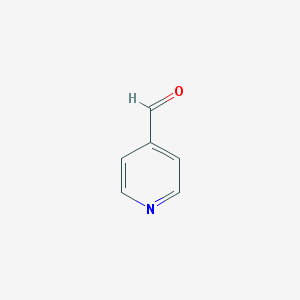
4-Pyridinecarboxaldehyde
(872-85-5)-

- / 99.00%
-

Industrial Grade / 99%
-

industrial Grade / 98%
-

Industrial Grade / 99%



Request for quotation , get quotes from more suppliers.
4-Nitrobenzaldehyde
(555-16-8)-

Food grade / 99%
-

- / 99.00%
-

Pharmaceutical Grade / 99%
-

Industrial Grade / 99%


Request for quotation , get quotes from more suppliers.
Imidazole-4-carboxaldehyde
(3034-50-2)-

-

- / 99.00%
-

-
-imidazolecarboxaldehyde 3034-50-2")
Industrial Grade / 99%


Request for quotation , get quotes from more suppliers.
2-Thiophenecarboxaldehyde
(98-03-3)-

Industrial Grade / 99%
-

- / 99.00%
-

industrial Grade / 98%
-

Industrial Grade / 90%
$4.5-4.7/MT FOB



Request for quotation , get quotes from more suppliers.
Dimethoxymethane
(109-87-5)-

Industrial Grade / 99%
-

-

-

Industrial Grade / 99%


2,6-Dichlorobenzaldehyde
(83-38-5)-

- / 99.00%
-

Feed Grade / 99%
-

Industrial Grade / 99%
-

Pharmaceutical Grade / 99%


Request for quotation , get quotes from more suppliers.
1,3,5-Benzenetricarboxylic acid
(554-95-0)-

-

- / 99.5%
-

Industrial Grade / -
-

Industrial Grade / 99%


Request for quotation , get quotes from more suppliers.
Benzil
(134-81-6)-

- / 99.00%
-

- / 99.00%
-

Cosmetics Grade / 99%
-

Industrial Grade / 99%


Request for quotation , get quotes from more suppliers.
2,3,4-Trimethoxybenzaldehyde
(2103-57-3)-

-

- / 99.00%
-

Industrial Grade / 99%
-

- / 99.00%


Request for quotation , get quotes from more suppliers.
Source Aldehydes Raw Materials by Region


More Information
Aldehyde is an organic compound with the general formula RCHO, where R stands for hydrocarbon group. Aldehydes are composed of a hydrocarbon group (or hydrogen atom) connected to an aldehyde group (-CHO). It contains carbonyl groups in their molecules, with hydrogen atoms directly connected to the carbonyl group. Based on the different hydrocarbon groups, aldehydes can be classified as aromatic aldehydes, fatty aldehydes and so on.
The relevant chemical reactions of aldehydes contain nucleophilic addition reaction and oxidation reaction. They can be obtained by alcohol oxidation, olefin oxidation, alkyne hydration, etc. Besides, Aldehyde compounds have many vital chemical properties and applications, such as participating in various chemical reactions and being important intermediates in the process of organic synthesis.
The application of oxidation of aldehydes
1. Synthesize chemical industrial products, such as methanoic acid
2. Synthesize ketone compounds
3. Used in biology study
Frequently Asked Questions
Aldehydes are organic compounds containing a carbonyl group bonded to at least one hydrogen atom (–CHO). They are widely used as intermediates in the synthesis of pharmaceuticals, fragrances, dyes, and polymers. Common examples include formaldehyde and benzaldehyde. Their reactivity makes them essential building blocks in fine chemical and specialty chemical manufacturing.
Many aldehydes are volatile, flammable, and potentially toxic or irritant. Key safety measures include using proper personal protective equipment (PPE), ensuring adequate ventilation, and storing them away from heat and oxidizing agents. Some aldehydes, like formaldehyde, are classified as carcinogens, so compliance with OSHA or REACH guidelines is critical for workplace safety and regulatory adherence.
When selecting a supplier for high-purity aldehydes, verify their certifications (e.g., ISO 9001, GMP if applicable), analytical testing capabilities (such as GC or HPLC reports), and consistency in batch quality. A reputable supplier should provide detailed safety data sheets (SDS), traceability documentation, and technical support for applications in research or industrial processes.
Aromatic aldehydes such as benzaldehyde are primarily used in the production of flavor and fragrance compounds (e.g., cherry or almond flavors), pharmaceutical intermediates (like chloramphenicol), and agrochemicals. They also serve as solvents or precursors in organic synthesis, including the manufacture of dyes and UV stabilizers.
Both aldehydes and ketones contain a carbonyl group (C=O), but in aldehydes, the carbonyl carbon is bonded to at least one hydrogen atom, whereas in ketones, it is bonded to two carbon atoms. This structural difference makes aldehydes generally more reactive—especially toward oxidation—allowing them to be easily converted to carboxylic acids, while ketones are more resistant to oxidation.