




Surfactant
- • Industrial Surfactant (79)
- • Non-ionic Surfactants (88)
- • Amphoteric Surfactants (28)
- • Cationic Surfactants (54)
- • Anionic Surfactants (70)
- • Antistatic Agents (4)
Related News
-
China: Two pesticide adjuvants will be completely banned
2022-10-14 -
2020 International Surfactants and Detergents Exhibition held in Shanghai
2020-05-09 -
Chuanwei Chemical made breakthrough in the localization of surfactants
2020-04-10 -
Ajinomoto adding new production line for surfactants in Japan
2018-12-10 -
Future of Surfactants Summit North America
2018-05-29 -
Surfactants-Based Products to See Significant Growth
2018-04-02


Antistatic Agents
Antistatic Agents
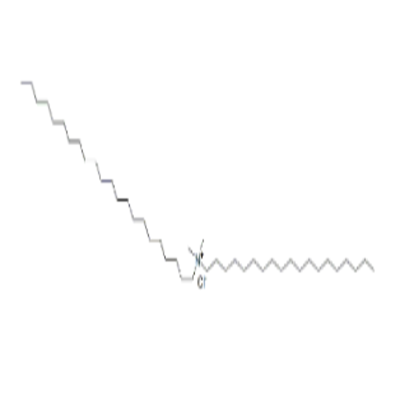
Quaternary ammonium compounds, C20-22-alkyltrimethyl, chlorides
(68607-24-9)-

Cosmetics Grade / 80%
-

-

Cosmetics Grade / 99%
$4-5/KG EXW
-

Industrial Grade / 99%


Request for quotation , get quotes from more suppliers.
Frequently Asked Questions
Antistatic agents are chemical additives used to reduce or eliminate static electricity buildup on surfaces, particularly in plastics, textiles, and electronics. They work by increasing the surface conductivity of materials, allowing static charges to dissipate more easily. This helps prevent issues like dust attraction, electrostatic discharge (ESD), and material handling problems during manufacturing or use.
Antistatic agents are generally categorized into internal and external types. Internal antistats are incorporated directly into the material during processing (e.g., in polymer resins), while external antistats are applied as topical coatings or sprays. Common chemical classes include quaternary ammonium compounds, ethoxylated amines, glycerol esters, and phosphates. The choice depends on the substrate, application method, and required performance duration.
Antistatic agents are widely used across several industries, including:1. Plastics and packaging – to prevent static cling and dust accumulation.2. Electronics – to protect sensitive components from electrostatic discharge (ESD).3. Textiles – to improve comfort and reduce shocks in synthetic fabrics.4. Automotive – in fuel systems and interior components to avoid static-related hazards.5. Pharmaceuticals – to ensure cleanroom compliance and prevent particle adhesion during production.
Selecting the right antistatic agent involves considering several factors:1. Material compatibility – ensure the agent works with your base polymer or fabric.2. Processing conditions – some agents degrade at high temperatures.3. Duration of effect – internal agents offer longer-lasting performance than topical ones.4. Regulatory compliance – especially important in food contact, medical, or cosmetic applications.5. Environmental and safety requirements – such as biodegradability or low toxicity. Consulting technical data sheets and supplier expertise is essential for optimal selection.
Yes, but only specific antistatic agents that comply with regulatory standards such as FDA 21 CFR, EU food contact regulations, or ISO 10993 for medical devices. These approved agents undergo rigorous testing for migration, toxicity, and biocompatibility. Always verify that the product is explicitly certified for your intended application and sourced from a reputable supplier with full documentation.