




Water Treatment Chemical
- • Biocide & Algicide (39)
- • Corrosion Inhibitor (51)
- • Flocculant (54)
- • Water Softener (29)
- • Water Stabilizer (43)
Related News


Biocide & Algicide
Biocide & Algicide
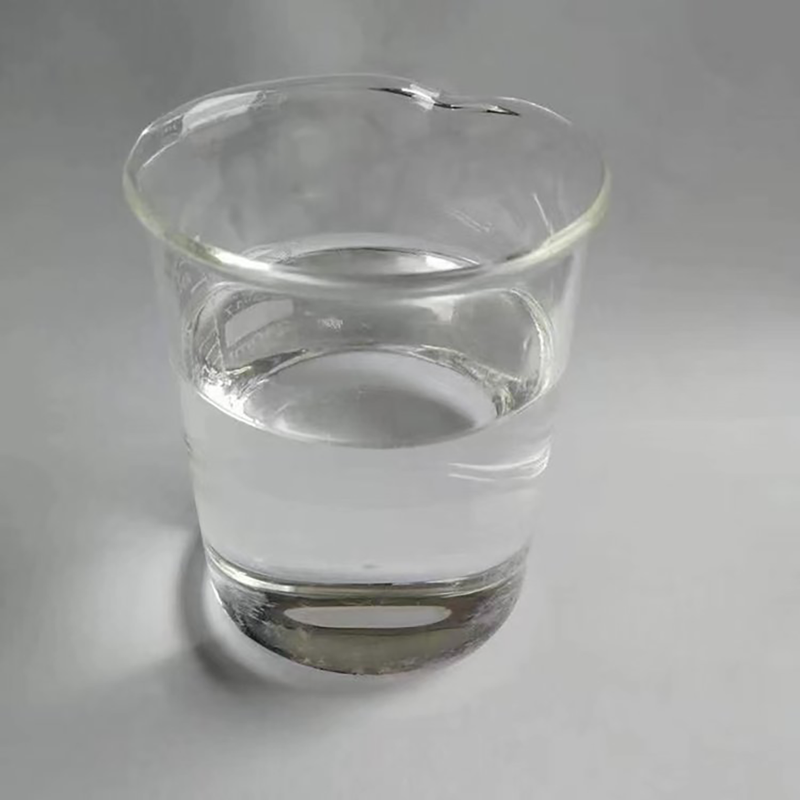
Tetrakis(hydroxymethyl)phosphonium sulfate
(55566-30-8)-
phosphonium sulfate 99% Liquid Dideu")
Industrial Grade / 99%
-
phosphonium sulfate THPS")
-
 Phosphonium Sulfate CAS 55566-30-8")
-
phosphonium sulfate55566-30-8")
Pharmaceutical Grade / 99%
$33-34/MT FOB


Request for quotation , get quotes from more suppliers.
Tetrakis(hydroxymethyl)phosphonium sulfate
(55566-30-8)-
phosphonium sulfate 99% Liquid Dideu")
Industrial Grade / 99%
-
phosphonium sulfate THPS")
-
 Phosphonium Sulfate CAS 55566-30-8")
-
phosphonium sulfate55566-30-8")
Pharmaceutical Grade / 99%
$33-34/MT FOB
Request for quotation , get quotes from more suppliers.
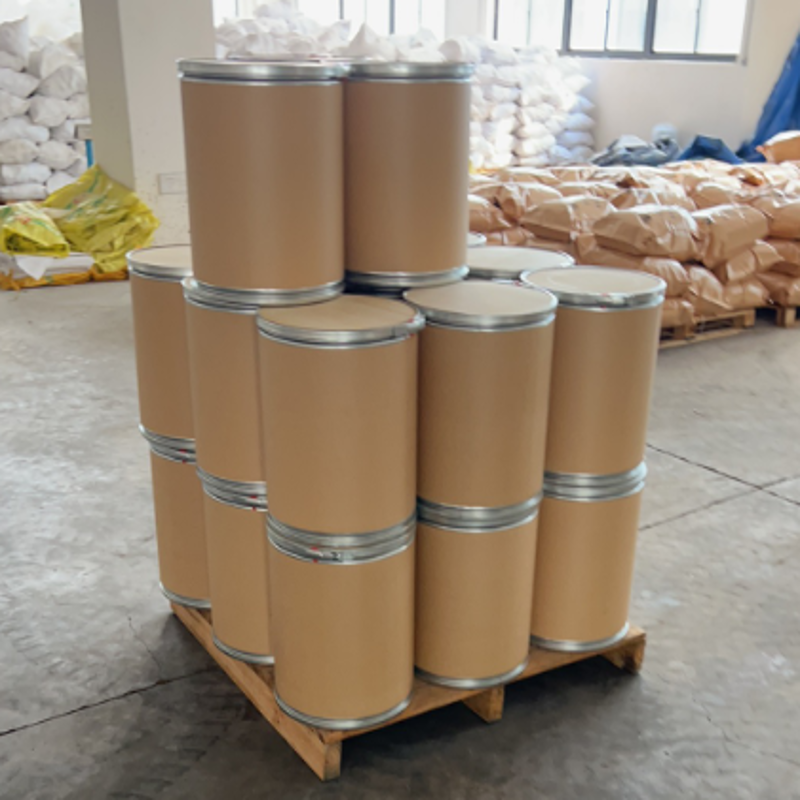
Tauroursodeoxycholic acid
(14605-22-2)-

Pharmaceutical Grade / 99%
-

Pharmaceutical Grade / 99%
$1/G FOB
-

-
 cas 14605-22-2")


Request for quotation , get quotes from more suppliers.
-

- / 99.00%
-

Industrial Grade / 99.0%
-

-
")


More Information
Biocides are substances designed to control or eradicate harmful microorganisms, while algicides target algae growth. Their applications are extensive, encompassing water treatment facilities, swimming pools, cooling towers, and industrial water systems.
The mechanisms of action for biocides and algicides vary, but generally involve disrupting essential biological processes within target organisms. Biocides may work by damaging cell membranes, interfering with metabolic pathways, or disrupting cellular functions, ultimately leading to microbial death. Algicides typically inhibit photosynthesis or cell wall synthesis in algae, preventing their growth and proliferation.
Factors when selecting biocides and algicides:
•effectiveness
•compatibility with other chemicals environmental impact
•regulatory compliance
Frequently Asked Questions
Biocides and algicides are chemical substances used to control, deter, render harmless, or kill harmful microorganisms such as bacteria, fungi, viruses, and algae. Biocides have broad applications in water treatment, industrial processes, healthcare, agriculture, and household products. Algicides specifically target algae growth in pools, cooling towers, ponds, and other water systems to prevent biofouling and maintain system efficiency.
Selecting the right biocide or algicide depends on several factors:1. The type of microorganism you need to control (e.g., bacteria, mold, algae).2. The environment or system where it will be used (e.g., industrial cooling water, swimming pools, paints).3. Compatibility with existing materials and chemicals in the system.4. Regulatory compliance and environmental safety requirements.5. Concentration, dosage frequency, and residual effectiveness.Consulting technical data sheets and working with certified suppliers ensures optimal product selection.
The environmental safety of biocides and algicides varies by formulation and active ingredients. Many modern products are designed to be biodegradable and comply with regulations such as EU BPR (Biocidal Products Regulation) or EPA guidelines. However, improper use or disposal can harm aquatic life and ecosystems. Always follow label instructions, use the minimum effective dose, and choose eco-certified products when possible to minimize environmental impact.
Common industrial biocides include isothiazolinones (e.g., MIT, BIT), quaternary ammonium compounds (quats), glutaraldehyde, and chlorine-based agents. Popular algicides include copper sulfate, sodium bromide, polyquaternium compounds, and non-oxidizing formulations like DBNPA. Each type offers different advantages in terms of spectrum of activity, stability, pH tolerance, and compatibility with system materials.
Application frequency depends on system conditions such as temperature, pH, organic load, and microbial challenge. In cooling towers or industrial water circuits, continuous low-dose feeding or periodic shock dosing (e.g., weekly or biweekly) is typical. For swimming pools or decorative ponds, algicide may be added every 1–2 weeks during peak algae season. Regular monitoring of microbial counts and biofilm formation helps determine the optimal dosing schedule.