




Food Additives
- • Coating Agent (19)
- • Preservative (33)
- • Coloring Agent (40)
- • Gum Base Agent (25)
- • Anticaking Agent (7)
- • Food Antioxidants (41)
- • Enzyme (49)
- • Flour Treatment Agent (4)
- • Leavening Agent (1)
- • Bleach (3)
- • Other Food Additives (89)
- • Emulsifier (25)
- • Food Flavorings (30)
- • Water Retention Agent (1)
- • Acidity Regulators (7)
- • Sweeteners (36)
- • Stabilizer and Coagulants (4)
- • Defoamers (5)
- • Nutrition Supplements (171)
- • Thickener (30)
- • Odorants (29)
- • Colorant (16)
Related News
-
FDA Lifts Administrative Stay, Restoring Red No. 3 Ban Timeline for Food and Ingested Drugs
2026-08-07 -
U.S. Delays Mandatory GRAS Notification Proposal, Pushing Food-Additive Overhaul to Year-End
2026-07-21 -
Hi & Fi Asia-China concluded successfully, and ECHEMI gained a lot from participating in the exhibition!
2024-06-21 -
An organic acid with a natural sour taste and antiseptic properties - lactic acid
2024-06-04 -
Citric acid, a widely used food additive
2024-06-04 -
Chinese National Health Commission Unveiling Innovative Food Additions: Paraguayan Holly Leaves, Yeast Protein, and Catechins Hit the Shelves
2023-12-15


Defoamers Featured Products
Defoamers
Petrolatum
(8009-03-8)-

Food Grade / 99%
-

- / 99.00%
-

- / 99.00%
-

Pharmaceutical Grade / 99%


Polypropylene glycol
(25322-69-4)-
")
Food Grade / 99.5%
-

Food Grade / 100%
-
 CAS 25322-69-4")
Food Grade / 99%
-
 99% liquid 25322-69-4-Shaanxi Dideu Medichem Co.Ltd")
Chemical Grade / 99%
$1/KG FOB
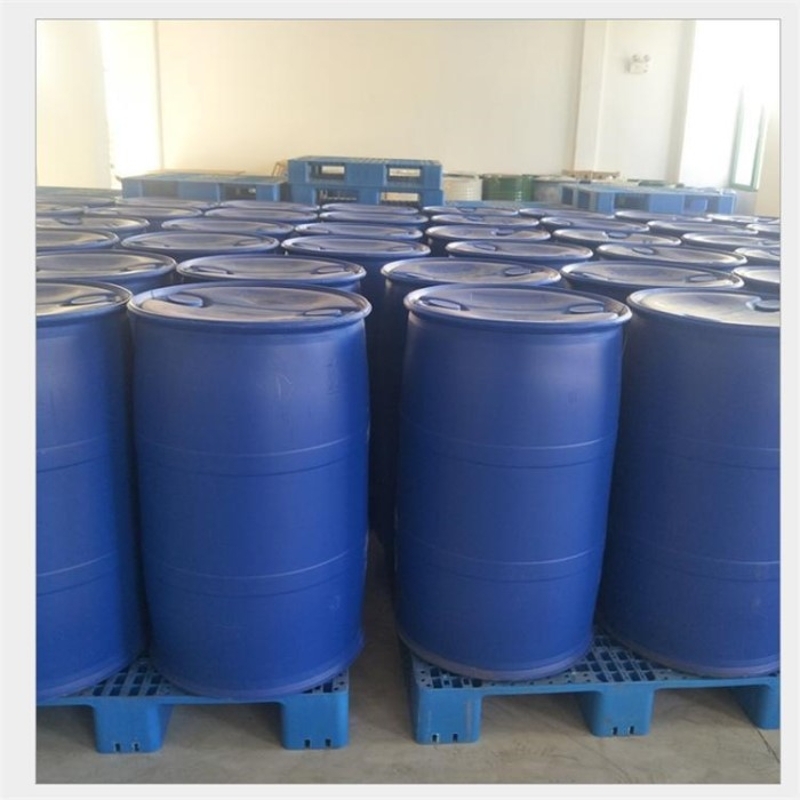


Request for quotation , get quotes from more suppliers.
Polysiloxanes, di-Me, [[[3-[(2-aminoethyl)amino]propyl]dimethoxysilyl]oxy]-terminated
(71750-80-6)-

Industrial Grade / -
-

Cosmetics Grade / 99%
-

-

Industrial Grade / 99%



Request for quotation , get quotes from more suppliers.
Source Defoamers Raw Materials by Region

Frequently Asked Questions
Defoamers are chemical additives used to reduce or prevent the formation of foam in industrial processes. They work by disrupting the surface tension of foam bubbles, causing them to collapse. Defoamers are commonly used in industries such as wastewater treatment, food processing, paints and coatings, and pharmaceuticals where excessive foam can interfere with operations, reduce efficiency, or affect product quality.
There are several types of defoamers tailored to specific applications:1. Silicone-based defoamers – effective at low concentrations and stable across a wide temperature range.2. Mineral oil-based defoamers – cost-effective and commonly used in food and beverage processing.3. Water-based defoamers – environmentally friendly and suitable for aqueous systems.4. Polyether defoamers – ideal for high-temperature or alkaline environments.Selecting the right type depends on the process conditions, compatibility with the system, and regulatory requirements.
Choosing the right defoamer involves evaluating several factors:1. The nature of the foaming medium (aqueous, acidic, alkaline, etc.).2. Operating conditions such as temperature, pH, and agitation level.3. Compatibility with other ingredients in the system to avoid adverse reactions.4. Regulatory compliance, especially in food, pharmaceutical, or cosmetic applications.5. Required dosage and ease of dispersion.Consulting with a qualified supplier or conducting small-scale trials can help identify the most effective defoamer for your specific needs.
Yes, certain defoamers are approved for use in food and pharmaceutical applications. These must comply with strict regulatory standards set by agencies such as the U.S. FDA, EFSA, or other relevant authorities. Food-grade defoamers are typically based on mineral oils, silicones, or natural fatty acids and are formulated to be non-toxic and non-reactive. Always verify that the defoamer carries appropriate certifications (e.g., FDA 21 CFR, Kosher, Halal) before use in sensitive applications.
Common indicators that foam is negatively impacting your process include:1. Reduced equipment efficiency or overflow from tanks and reactors.2. Longer processing times due to foam stabilization.3. Poor product quality, such as air entrapment in coatings or inconsistent mixing.4. Increased cleaning or maintenance requirements.5. Inaccurate sensor readings caused by foam interference.If any of these issues occur regularly, integrating an appropriate defoamer may significantly improve operational performance and product consistency.