




Inorganic Chemistry
- • Elementary Substance (191)
- • Industrial Gases (21)
- • Inorganic Bases (56)
- • Inorganic Acid (57)
- • Inorganic Salts (1924)
- • Oxides and Peroxides (187)
- • Silica gel (5)
- • Non-metallic Minerals (14)
- • Coating Materials (24)
- • Phosphorus Compounds (50)
- • Iron Compounds (22)
- • Bromine Compounds (20)
Related News
-
Member States Start Evaluating 21 Substances in 2018
2018-03-21 -
Substances of Potential Concern
2018-03-21 -
Switzerland Updates National Substances List
2017-06-27 -
12 Substances Added to REACH Authorisation List
2017-06-22 -
Echa, Member States Start RMOA on New Substances
2017-06-14


Elementary Substance
Elementary Substance
1,2,3-Propanetricarboxylic acid
(99-14-9)-

- / 99.00%
-

Pharmaceutical Grade / 99%
-

Industrial Grade / 99%
-




Request for quotation , get quotes from more suppliers.
-

Chemical Grade / 99.95%
$1/KG FOB
-

- / 99.00%
-

- / 99%
-

USP / EP / BP / JP Grade / 99%


Request for quotation , get quotes from more suppliers.
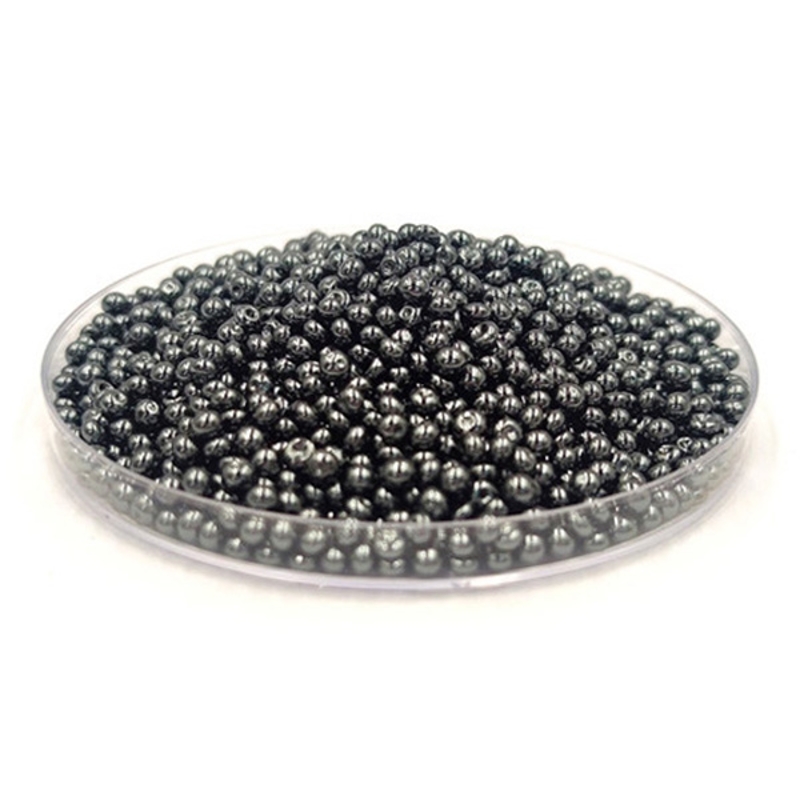
Selenium
(7782-49-2)-

Industrial Grade / 99%
-

Food Grade / 98%
-

pharmaceutical grade / 99%
-

Industrial Grade / 99%



Request for quotation , get quotes from more suppliers.
-

Industrial Grade / 99%
-

Industrial Grade / 99.0%
-

-


Request for quotation , get quotes from more suppliers.
Dipotassium chromate (K2CrO4)
(7789-00-6)-

Industrial Grade / 99%
-

Industrial Grade / 99.99%
-

Food Grade / 99.5%
-

Industrial Grade / 99%


Request for quotation , get quotes from more suppliers.
Ovalbumins
(9006-59-1)-

Chemical Grade / 95%
-

-

- / 99.00%
-

Industrial Grade / 98%
$100/Unit EXW


Request for quotation , get quotes from more suppliers.
-
-1-Boc-3-hydroxypyrrolidine")
-
-(-)-N-Boc-3-pyrrolidinol")
- / 99.00%
-
-1-Boc-3-Hydroxypyrrolidine 109431-87-0 high purity")
Pharmaceutical Grade / 99%
-
-(-)-N-Boc-3-pyrrolidinol Good shipping packing China buy")
- / 99%



Request for quotation , get quotes from more suppliers.
-

- / 99.00%
-

-

Pharmaceutical Grade / 99%
$100/KG EXW
-

Industrial Grade / 99%


Request for quotation , get quotes from more suppliers.
-

- / 0.00%
-

- / 99.00%
-

-

Industrial Grade / 99%


Request for quotation , get quotes from more suppliers.
6α,9α-Difluoro-11β,17α-dihydroxy-16α-methyl-3-oxoandrosta-1,4-diene-17β-carboxylic acid
(28416-82-2)-
-6,9-Difluoro-11,17-dihydroxy-16-methyl-3-oxoandrosta-1,4-diene-17-carboxylic acid")
- / 99.00%
-

Pharmaceutical grade / 99%
-

- / 99%
-

Pharmaceutical Grade / 99%


Request for quotation , get quotes from more suppliers.
Source Elementary Substance Raw Materials by Region


More Information
Elementary substances are fundamental components utilized in various fields, ranging from industry to scientific research. The synthesis of elementary substances typically involves intricate processes wherein raw materials undergo transformations to yield pure elemental forms. These processes may include extraction, purification, and refining techniques tailored to the specific properties of each substance.
Different classes of elementary substances exist, each with distinct characteristics and applications. For instance, metals such as iron, copper, and aluminum are utilized in construction, manufacturing, and electronics due to their conductivity and strength. Non-metals like sulfur and phosphorus find applications in agriculture, pharmaceuticals, and chemical synthesis. In scientific research, elementary substances serve as fundamental components for studying chemical reactions, elucidating atomic structures, and advancing our understanding of the natural world.
Common elementary substances include:
● Hydrogen
● Oxygen
● Carbon
● Nitrogen
● Boron
Frequently Asked Questions
An elementary substance, also known as a chemical element in its pure form, consists of only one type of atom and cannot be broken down into simpler substances by chemical means. Examples include oxygen (O₂), nitrogen (N₂), iron (Fe), and gold (Au). These substances are fundamental building blocks in chemistry and play essential roles in industrial, scientific, and commercial applications.
Elementary substances have diverse industrial applications. For instance, pure metals like copper and aluminum are used in electrical wiring and construction due to their conductivity and strength. Gaseous elements such as hydrogen and oxygen are critical in chemical synthesis, fuel cells, and medical applications. Noble gases like argon are used in lighting and welding. Understanding the properties of each elementary substance helps optimize their use across sectors.
An elementary substance contains atoms of only one chemical element and cannot be chemically decomposed into simpler substances. In contrast, a compound consists of two or more different elements chemically bonded in fixed proportions—such as water (H₂O) or sodium chloride (NaCl). While compounds can be broken down into their constituent elements through chemical reactions, elementary substances remain unchanged under normal chemical processes.
High-purity elementary substances can be sourced from certified chemical suppliers and specialty gas companies that comply with international quality standards such as ISO 9001 and ISO 17025. Look for vendors offering detailed product specifications, safety data sheets (SDS), and batch-specific Certificates of Analysis. Reputable suppliers often provide various purity grades tailored to applications in electronics, metallurgy, catalysis, or academic research.