




Active Pharmaceutical Ingredients
- • Respiratory Drugs (114)
- • Hormones and the Endocrine System (279)
- • Antipyretic Analgesics (171)
- • Antiallergic Drugs (103)
- • Antiparasitic Drugs (130)
- • Antibiotics (546)
- • Antineoplastic Agents (294)
- • Anesthetic Agents (79)
- • Urinary System Drugs (52)
- • Other Chemical Drugs (947)
- • Synthetic Anti-infective Drugs (599)
- • Nervous System Drugs (349)
- • Fluid, Electrolyte, and Acid-base Balance (48)
- • Vitamins and Minerals Medicines (106)
- • Digestive System Drugs (197)
- • Blood System Drugs (85)
- • Circulatory System Drugs (426)
- • Diagnostic Agents (58)
- • Specialty Drugs (107)
- • Drug Metabolism (23)
- • Feed Additive (22)
- • Anti-stress Drugs (1)
- • Drugs Influencing Immune Function (14)
- • Veterinary Raw Materials (24)
- • Inhibitor Drugs (81)
Related News
-
VIV Select India 2026: A Powerful First Edition Puts India at the Heart of the Global Animal Feed-to-Food Conversation
2026-04-27 -
Poland postpones ban on GM feed again
2024-08-13 -
Global feed market: Spring seeding prospects are good, but US corn exports are expected to improve
2023-03-06 -
Are More 'Vitamins' in The Feed the Better?
2022-05-09 -
2020 feed market outlook: output value will exceed 720 billion
2020-07-01 -
Latin America Animal Feed Industry: Argentinian Pet Food Industry
2019-09-20


Feed Additive Featured Products
Feed Additive
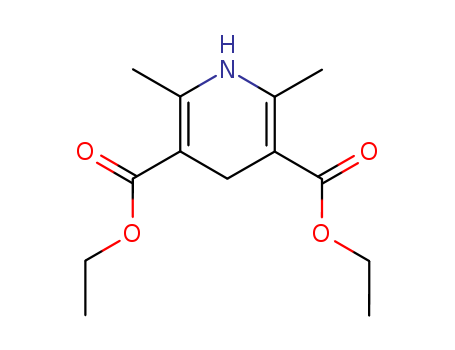
Hantzsch ester
(1149-23-1)-

Pharmaceutical Grade / 99%
-

- / 99.00%
-

-

Chemical Grade / 99%
$26.4-33/UNIT FOB


Request for quotation , get quotes from more suppliers.
Source Feed Additive Raw Materials by Region

Frequently Asked Questions
A feed additive is a substance or mixture added to animal feed in small quantities to improve nutritional value, support animal health, enhance growth performance, or preserve feed quality. Common types include vitamins, minerals, amino acids, enzymes, probiotics, and antioxidants. Feed additives play a critical role in modern livestock production by optimizing feed efficiency, reducing disease risk, and ensuring consistent animal performance.
The main types of feed additives include:1. Nutritional additives (e.g., vitamins, trace minerals, amino acids) that supplement essential nutrients.2. Technological additives (e.g., preservatives, antioxidants, emulsifiers) that maintain feed stability and shelf life.3. Sensory additives (e.g., flavors, colorants) that improve palatability.4. Zootechnical additives (e.g., enzymes, probiotics, prebiotics) that enhance digestion and gut health.5. Coccidiostats and other antimicrobials used under veterinary guidance for disease control. Each type serves specific functions aligned with animal species and production goals.
When selecting a feed additive supplier, consider the following criteria:1. Regulatory compliance—ensure the supplier meets regional standards (e.g., EU Feed Additive Regulation, FDA guidelines).2. Quality assurance—look for certifications like ISO, GMP+, or FAMI-QS.3. Product traceability and documentation, including certificates of analysis (CoA).4. Technical support and R&D capabilities to provide tailored solutions.5. Consistent supply chain reliability and global distribution capacity. A reputable supplier should offer transparency, scientific backing, and responsive customer service.
Yes, approved feed additives are rigorously evaluated for safety before market authorization. Regulatory bodies such as the European Food Safety Authority (EFSA) and the U.S. Food and Drug Administration (FDA) assess their impact on animal health, consumer safety, and the environment. When used according to recommended dosages and guidelines, feed additives pose no risk to animals or humans consuming animal-derived products like meat, milk, or eggs. Always follow label instructions and avoid unapproved or counterfeit products.
Several factors influence feed additive efficacy:1. Animal species, age, and physiological status (e.g., lactating cows vs. growing pigs).2. Base diet composition—interactions with other feed ingredients can enhance or reduce effectiveness.3. Dosage and uniformity of mixing in the final feed.4. Storage conditions—moisture, temperature, and light can degrade sensitive additives like vitamins or probiotics.5. Duration of use—some additives require sustained inclusion to show benefits. Working with a qualified nutritionist ensures optimal formulation and application.