




Food Additives
- • Coating Agent (19)
- • Preservative (33)
- • Coloring Agent (40)
- • Gum Base Agent (25)
- • Anticaking Agent (7)
- • Food Antioxidants (41)
- • Enzyme (49)
- • Flour Treatment Agent (4)
- • Leavening Agent (1)
- • Bleach (3)
- • Other Food Additives (89)
- • Emulsifier (25)
- • Food Flavorings (30)
- • Water Retention Agent (1)
- • Acidity Regulators (7)
- • Sweeteners (36)
- • Stabilizer and Coagulants (4)
- • Defoamers (5)
- • Nutrition Supplements (171)
- • Thickener (30)
- • Odorants (29)
- • Colorant (16)
Related News
-
FDA Lifts Administrative Stay, Restoring Red No. 3 Ban Timeline for Food and Ingested Drugs
2026-08-07 -
U.S. Delays Mandatory GRAS Notification Proposal, Pushing Food-Additive Overhaul to Year-End
2026-07-21 -
Hi & Fi Asia-China concluded successfully, and ECHEMI gained a lot from participating in the exhibition!
2024-06-21 -
An organic acid with a natural sour taste and antiseptic properties - lactic acid
2024-06-04 -
Citric acid, a widely used food additive
2024-06-04 -
Chinese National Health Commission Unveiling Innovative Food Additions: Paraguayan Holly Leaves, Yeast Protein, and Catechins Hit the Shelves
2023-12-15


Food Flavorings Featured Products
Food Flavorings
Amylcinnamaldehyde
(122-40-7)-

Food Grade / 99%
-

Food Grade / 99%
-

-

- / 99.00%


Request for quotation , get quotes from more suppliers.
Ethyl 3-methyl-3-phenylglycidate
(77-83-8)-

Food Grade / 99%
-

Food Grade / 99%
-

- / 0.00%
-



Request for quotation , get quotes from more suppliers.
Hydroxycitronellal
(107-75-5)-

Industrial Grade / 99%
-

Reagent Grade / 99%
$25-27/KG FOB
-

Pharmaceutical grad / 99%
$100/KG EXW
-

industrial Grade / 98%



Request for quotation , get quotes from more suppliers.
Butyl butyryllactate
(7492-70-8)-

Food grade / 99%
-

Food Grade / 95.0%
-

Food Grade / 99%
-



Request for quotation , get quotes from more suppliers.
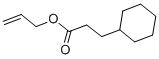
Allyl cyclohexanepropionate
(2705-87-5)-

Food Grade / 99%
-

Food Grade / 99%
-

food grade / 99.00%
-

- / 0.00%


Request for quotation , get quotes from more suppliers.
Dimethylbenzylcarbinyl acetate
(151-05-3)-

Food Grade / 99%
-

food grade / 99.00%
-

- / 0.00%
-

- / 99.00%


Request for quotation , get quotes from more suppliers.
d-Borneol
(464-43-7)-

Food Grade / 98%
-

Food Grade / 99%
$10-13/G FOB
-
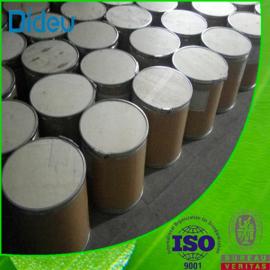
-Borneol 99% white flake 464-43-7 -Shaanxi Dideu Medichem Co.Ltd")
Chemical Grade / 99%
$1/KG FOB
-
-Borneol")
- / 99.00%



Request for quotation , get quotes from more suppliers.
3,3,5-Trimethylcyclohexanol
(116-02-9)-

Reagent Grade / 99%
$8-9/G FOB
-

- / 99.00%
-

Pharmaceutical Grade / 99%
-

Industrial Grade / 99%


Request for quotation , get quotes from more suppliers.
(3,3-Diethoxy-1-propen-1-yl)benzene
(7148-78-9)-

Food Grade / 99%
-

- / 99.00%
-

-


Request for quotation , get quotes from more suppliers.
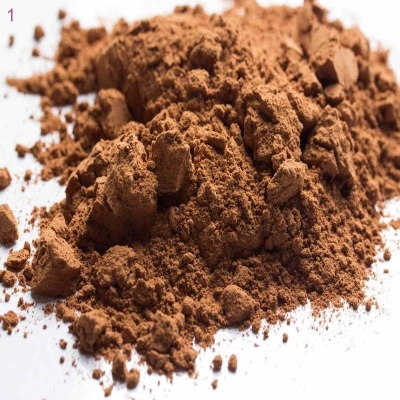
Anise, ext.
(84775-42-8)-
")
Food Grade / 99%
$3500-3800/MT FOB
-

Food Grade / 30%
-

Food Grade / 100%
-

food grade / 99%
$1/KG EXW


Request for quotation , get quotes from more suppliers.
Source Food Flavorings Raw Materials by Region

Frequently Asked Questions
Food flavorings are substances added to food and beverages to enhance or impart specific tastes and aromas. They can be natural, nature-identical, or artificial, and are widely used in products such as soft drinks, baked goods, dairy items, snacks, and processed foods. Food flavorings help maintain consistent taste profiles, compensate for flavor loss during processing, and meet consumer expectations for sensory experience.
Natural food flavorings are derived from plant or animal sources through physical, enzymatic, or microbiological processes. Artificial flavorings, on the other hand, are chemically synthesized to mimic natural flavors but are not found in nature. Both types must comply with strict safety regulations set by authorities like the FDA or EFSA. The choice between them often depends on cost, stability, availability, and labeling preferences.
When selecting a food flavoring supplier, consider the following factors:1. Regulatory compliance—ensure they meet FDA, EU, or local food safety standards.2. Quality assurance—look for certifications like ISO 22000, FSSC 22000, or GMP.3. Ingredient transparency—reputable suppliers provide full disclosure of components and allergen information.4. Technical support—choose partners offering formulation assistance and customization.5. Supply chain reliability—consistent delivery and scalability are essential for production continuity.
Yes, food flavorings approved for use by regulatory bodies such as the U.S. FDA, European Food Safety Authority (EFSA), and Joint FAO/WHO Expert Committee on Food Additives (JECFA) are considered safe when used within established limits. Each flavoring undergoes rigorous toxicological evaluation before approval. Manufacturers must adhere to maximum usage levels specified in food categories to ensure consumer safety.
Food flavorings are essential in a wide range of applications, including:1. Enhancing taste in low-sugar or reduced-fat products where flavor may be compromised.2. Creating consistent flavor profiles across batches in mass-produced items.3. Developing innovative products like plant-based meats or dairy alternatives that require authentic taste simulation.4. Masking off-notes from functional ingredients such as vitamins or proteins.5. Customizing regional or seasonal flavors to meet market trends and consumer preferences.