




Cosmetic Ingredient
- • Abrasive (124)
- • Absorbent (84)
- • Anticaking (66)
- • Anticorrosive (25)
- • Antifoaming (19)
- • Antimicrobials (291)
- • Antioxidant Ingredient (392)
- • Antiperspirant (20)
- • Antiplaque (48)
- • Anti-seborrheic (38)
- • Anti-sebum (38)
- • Antistatic (457)
- • Astringent (162)
- • Binding Agent (171)
- • Bleaching Agent (53)
- • Buffering (190)
- • Bulking (109)
- • Chelating (122)
- • Cleansing (680)
- • Cosmetic Colorant (212)
- • Cosmetic Preservative (158)
- • Denaturant (45)
- • Deodorant (98)
- • Depilatory (27)
- • Dissolving Agent (297)
- • Emollient (795)
- • Emulsifying Agent (481)
- • Emulsion Stabilising (153)
- • Exfoliating (19)
- • Film Forming (299)
- • Flavouring (72)
- • Foam Boosting (161)
- • Foaming (101)
- • Fragrance Ingredient (732)
- • Gel Forming (19)
- • Hair Conditioning (672)
- • Hair Dyeing (363)
- • Hair Fixing (36)
- • Hair Waving or Straightening (45)
- • Humectant (281)
- • Hydrotrope (92)
- • Keratolytic (20)
- • Light Stabilizer (77)
- • Moisturising Agent (50)
- • Nail Conditioning (42)
- • Occlusive (20)
- • Opacifying (119)
- • Oral Care (123)
- • Oxidising (19)
- • Perfuming (2106)
- • Plasticiser (98)
- • Propellant (19)
- • Reducing (51)
- • Refatting (12)
- • Refreshing (27)
- • Skin Cleansing (387)
- • Skin Conditioning (1747)
- • Skin Humectant (21)
- • Skin Protecting (281)
- • Smoothing (32)
- • Soothing (72)
- • Tonics (155)
- • UV Filter (33)
- • Viscosity Controlling (530)
Chemicals as Skincare Ingredients
Related News
-
Polyethylene Probes Bottom and Recovers, Sustainability Remains Uncertain
2026-07-25 -
South Korea’s Largest Petrochemical Hub Moves to Cut Cracker Capacity by 40%
2026-07-24 -
Cost Advantages Support, Polyester Staple Fiber Prices Remain on an Upward Trend
2026-07-26 -
Premium Global Chemical Sourcing Requests (20-22July, 2026)
2026-08-05 -
Cost Values and Demand-Side Game: PP Prices Consolidate After Rising in July
2026-08-02 -
U.S. Imposes 12.5% Additional Tariff! Nutritional Ingredients Including Creatine, Taurine, and Glucosamine Included in New Section 301 Tariff List
2026-07-30


Moisturising Agent
Moisturising Agent
Maltose
(69-79-4)-

- / 0.00%
-

-

Pharmaceutical Grade / 99%
-

- / 99.00%



Request for quotation , get quotes from more suppliers.
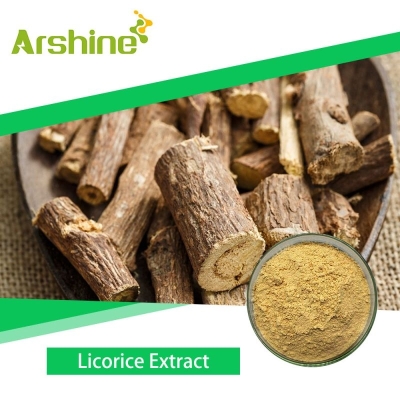
Licorice extract
(68916-91-6)-

-

Pharmaceutical Grade / 99%
-

Food Grade / 65%
-
 CAS 68916-91-6")
Food Grade / 99%


Request for quotation , get quotes from more suppliers.
Polydimethylsiloxane, dihydroxy terminated
(70131-67-8)-

-

Food grade / 99%
-

-

Industrial Grade / 99%



Request for quotation , get quotes from more suppliers.
Avocado oil
(8024-32-6)-

Industrial Grade / 99%
-

USP / EP / BP / JP Grade / 99.9%
-

Pharmaceutical Grade / 99%
-

Pharmaceutical Grade / 99.5%


Request for quotation , get quotes from more suppliers.
-

-

Pharmaceutical Grade / 99%
-

Food Grade / 4%
-

Industrial Grade / 99%


Request for quotation , get quotes from more suppliers.
JasMine Oil
(8022-96-6)-

Food Grade / 99%
-

- / 0.00%
-

-

Pharmaceutical Grade / 99%


Request for quotation , get quotes from more suppliers.
Honey
(8028-66-8)-

Industrial Grade / 99%
-

-

-



Request for quotation , get quotes from more suppliers.
Protein hydrolyzates
(9015-54-7)-

Pharmaceutical Grade / 99.9%
-

USP / EP / BP / JP Grade / 99.9%
-

Industrial Grade / 99%
-


Request for quotation , get quotes from more suppliers.
Magnesium acetylacetonate
(14024-56-7)-

Pharmaceutical Grade / 99%
$6-7/KG FOB
-

Industrial Grade / 99.0%
-
 Salt")
-


Request for quotation , get quotes from more suppliers.
ceramide NP
(178436-06-1)-

Cosmetics Grade / 95%
$1000-1300/KG FOB
-

Cosmetics Grade / 99%
-

- / 99%
$10/KG EXW
-

- / 95%


Request for quotation , get quotes from more suppliers.
More Information
Moisturizing ingredients can allure, enclose, and uphold moisture in the skin. They generally have humectants like hyaluronic acid and glycerin which draw water from the environment or deeper skin layers to hydrate the outermost layers of the skin.
Emollients such as natural oils and silicones create a protective barrier that seals in moisture within the skin. This barrier is strengthened by occlusives like petrolatum or beeswax, which reduce water evaporation from the surface of the skin thereby ensuring long-lasting hydration.
Common moisturizing ingredients:
● Hyaluronic Acid
● Glycerin
● Ceramides
● Shea Butter
Frequently Asked Questions
A moisturising agent, also known as a humectant or emollient, is an ingredient used in skincare and cosmetic formulations to help retain moisture in the skin. These agents attract water from the environment or deeper skin layers to the surface, improving hydration, softness, and barrier function. Common examples include glycerin, hyaluronic acid, and propylene glycol. Understanding how moisturising agents work is essential for formulating effective skincare products.
The most widely used moisturising agents in cosmetics fall into three categories:1. Humectants (e.g., glycerin, hyaluronic acid) that draw moisture into the skin.2. Emollients (e.g., squalane, shea butter) that smooth and soften the skin by filling gaps between skin flakes.3. Occlusives (e.g., petrolatum, dimethicone) that form a protective barrier to prevent water loss.Selecting the right type depends on the product’s intended use and target skin condition.
Choosing the right moisturising agent involves considering several factors:1. Skin type – sensitive, dry, oily, or combination.2. Desired texture and feel of the final product (lightweight vs. rich).3. Compatibility with other ingredients in the formulation.4. Regulatory compliance and safety certifications (e.g., ISO, REACH, FDA).5. Stability and shelf life under various storage conditions.Working with a reputable supplier who provides technical data sheets and samples can streamline this selection process.
Natural and synthetic moisturising agents each have distinct advantages. Natural options like aloe vera, honey, or plant-based oils appeal to clean-label trends and may offer additional bioactive benefits. However, synthetic agents such as glycerin or sodium PCA often provide more consistent performance, higher purity, and better stability in formulations. The choice depends on product positioning, regulatory requirements, and consumer preferences—not necessarily efficacy alone.
High-quality moisturising agents should be sourced from certified chemical suppliers with strong quality control systems, such as ISO 22716 (GMP for cosmetics) or FDA registration. Look for suppliers that offer comprehensive documentation including Certificates of Analysis (CoA), Safety Data Sheets (SDS), and batch traceability. Reliable sourcing ensures product safety, regulatory compliance, and consistent performance in your final formulations.