




Biochemical Engineering
- • Amino Acids and Proteins (229)
- • Nucleic Acid Drugs (17)
- • Enzymes and Coenzymes Drugs (115)
- • Inhibitors (1095)
- • Biological Response Modifiers (15)
- • Fat Medicines (8)
- • Amino Acids and Derivatives (4190)
- • Saccharides (2379)
- • Biochemical Reagents (344)
- • Nucleoside Drugs (346)
- • Condensing Agent (40)
- • Polypeptide (767)
- • Biosynthetic Natural Products (108)
- • Plant Extracts (826)
- • Chinese Herbs (354)
- • Microbiology Reagents (11)
- • Protein Research (34)
- • Lipids (281)
- • Inflammation Mediators (128)
Related News
-
Kemin promotes a variety of extract mixtures: cleansing, anti-oxidant
2020-07-21 -
Keywords for 2020 Brain Health Market: Functional Raw Materials
2020-06-02 -
AI neural research: Luo Han Guo extract can improve mood
2020-05-25 -
Could Green Tea Extract Help Fight Pulmonary Fibrosis?
2020-05-11 -
Mango Leaf Extract Zynamite Receives US Patent
2020-04-16 -
Apple peel extract can treat multiple sclerosis
2020-04-10


Plant Extracts
Sort Plant Extracts Alphabetically
Plant Extracts
Cholestanol
(80-97-7)-

Industrial Grade / 99%
-

-

-

Industrial Grade / 99%


Request for quotation , get quotes from more suppliers.
Coptisine hydrochloride
(6020-18-4)-

- / 99.00%
-

-

Industrial Grade / 98%
-


Request for quotation , get quotes from more suppliers.
Columbianadin
(5058-13-9)-

- / 99.00%
-

Chemical Grade / 99%
-

Industrial Grade / 98%
-

Industrial Grade / 99%


Request for quotation , get quotes from more suppliers.
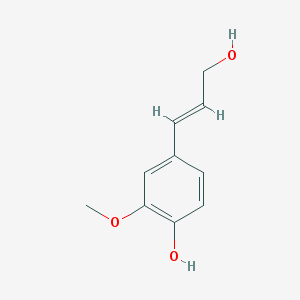
Coniferyl alcohol
(458-35-5)-

- / 99.00%
-

Pharmaceutical Grade / 99%
-

Pharmaceutical Grade / 99%
-


Request for quotation , get quotes from more suppliers.
-

-

- / 99.00%
-

Pharmaceutical Grade / 99%
-

Industrial Grade / 99%


Request for quotation , get quotes from more suppliers.
Crocin 2
(55750-84-0)-

- / 99.00%
-

Industrial Grade / 99%
-
![buy 1-[(2E,4E,6E,8E,10E,12E,14E)-b-D-glucopyranosyl 2,6,11,15-tetramethyl-2,4,6,8,10,12,14-hexadecaheptaenedioate] 6-O-b-D-glucopyranosyl-b-D-Glucopyranose]( "1-[(2E,4E,6E,8E,10E,12E,14E)-b-D-glucopyranosyl 2,6,11,15-tetramethyl-2,4,6,8,10,12,14-hexadecaheptaenedioate] 6-O-b-D-glucopyranosyl-b-D-Glucopyranose")
Industrial Grade / 99%
-
![buy 1-[(2E,4E,6E,8E,10E,12E,14E)-b-D-glucopyranosyl 2,6,11,15-tetramethyl-2,4,6,8,10,12,14-hexadecaheptaenedioate] 6-O-b-D-glucopyranosyl-b-D-Glucopyranose]( "1-[(2E,4E,6E,8E,10E,12E,14E)-b-D-glucopyranosyl 2,6,11,15-tetramethyl-2,4,6,8,10,12,14-hexadecaheptaenedioate] 6-O-b-D-glucopyranosyl-b-D-Glucopyranose")


Request for quotation , get quotes from more suppliers.
Chikusetsusaponin IVa
(51415-02-2)-

Reagent Grade / 99%
$12-15/KG FOB
-

Industrial Grade / 98%
-

Industrial Grade / 99%
-

Industrial Grade / 99%


Request for quotation , get quotes from more suppliers.
-

pharmaceutical grade/food grade / 99%
-

Food Grade / 95%
-

Pharmaceutical grad / 99%
$100/KG EXW
-

USP / EP / BP / JP Grade / 99.9%


Request for quotation , get quotes from more suppliers.
Calceolarioside B
(105471-98-5)-

Chemical Grade / 99%
$10.2-11.22/G FOB
-

Industrial Grade / 99%
-

Industrial Grade / 99.0%
-


Request for quotation , get quotes from more suppliers.
CLINODISIDE A
(916347-31-4)-

Industrial Grade / 99%
-

-

Industrial Grade / 99%
-

Industrial Grade,Pharma Grade / 99%


Request for quotation , get quotes from more suppliers.
Source Plant Extracts Raw Materials by Region


Frequently Asked Questions
Plant Extracts are concentrated substances derived from various parts of plants—such as leaves, roots, flowers, or seeds—using solvents like water, ethanol, or supercritical CO₂. They are widely used in the pharmaceutical, nutraceutical, cosmetic, and food industries for their bioactive compounds, including flavonoids, alkaloids, and polyphenols. These extracts offer natural alternatives for health supplements, skincare formulations, and functional foods due to their antioxidant, anti-inflammatory, and antimicrobial properties.
When selecting a Plant Extracts supplier, consider the following criteria:1. Certifications such as ISO, GMP, Kosher, Halal, or organic certifications.2. Transparency in sourcing and extraction methods (e.g., solvent-free or cold-pressed techniques).3. Availability of third-party lab test reports (e.g., HPLC, GC-MS) verifying purity and active compound concentration.4. Consistent batch-to-batch quality and scalability for commercial orders.5. Regulatory compliance with FDA, EU, or other relevant regional standards.A trustworthy supplier will provide full documentation and technical support to ensure product suitability for your application.
Plant Extracts play a vital role in the health and wellness sector. Common applications include:1. Dietary supplements—such as turmeric extract for joint health or ginkgo biloba for cognitive support.2. Herbal remedies—like echinacea for immune support or valerian root for sleep aid.3. Functional beverages and foods fortified with green tea extract or ginger extract for added health benefits.4. Natural preservatives and flavor enhancers in clean-label products.Their growing popularity stems from consumer demand for clean, plant-based, and scientifically backed ingredients.
Several factors influence the quality and potency of Plant Extracts:1. Plant species and genetic variety—different cultivars can yield varying levels of active compounds.2. Growing conditions—including soil quality, climate, and harvest time.3. Post-harvest handling and drying methods that preserve bioactive constituents.4. Extraction technique—solvent type, temperature, and duration impact compound stability.5. Storage conditions post-extraction, as light, heat, and oxygen can degrade sensitive phytochemicals.High-quality extracts are standardized to specific marker compounds to ensure consistent efficacy and safety.
Yes, many Plant Extracts are safe and commonly used in cosmetics and personal care formulations when properly processed and tested. Examples include aloe vera for soothing, chamomile for calming sensitive skin, and green tea extract for its antioxidant benefits. However, safety depends on:1. Purity and absence of heavy metals, pesticides, or microbial contaminants.2. Appropriate concentration levels to avoid irritation or sensitization.3. Compatibility with other formulation ingredients.Reputable manufacturers conduct dermatological testing and comply with INCI naming and regional cosmetic regulations (e.g., EU Cosmetics Regulation) to ensure consumer safety.