




How is ethyl acetate made and its properties
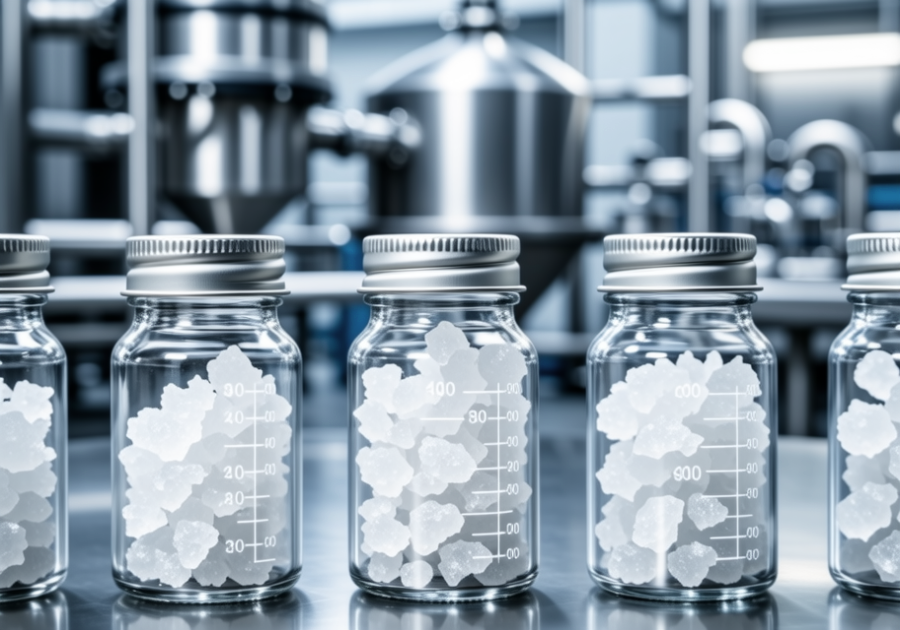
How is ethyl acetate made is a very interesting question as it is a substance that is used in some of the most famous perfumes. This chemical compound is usually manufactured from ethanol and acetic acid which are both very common. Ethyl acetate is one of the most commonly used substances for making perfumes because the molecules involved absorb easily into our skin and can be detected by smell very quickly. The following shows steps to manufacturing this substance.
1.Acetic acid is made from ethyl alcohol and water
This happen in a simple three step reaction and is what turns ethyl alcohol into acetic acid. In order to make acetic acid from ethanol it needs to be heated up first. First, the alcohol and water are mixed together and this mixture is heated up until the alcohol on the left has become a vapor. This is usually done by boiling it in water. When this happens, the alcohol will evaporate from the mixture into another liquid called acetic acid which looks like a thick liquid gas. This gas will also leave behind a lot of heat given off by the material that got converted into it.
2.The acetic acid is turned into ethyl acetate
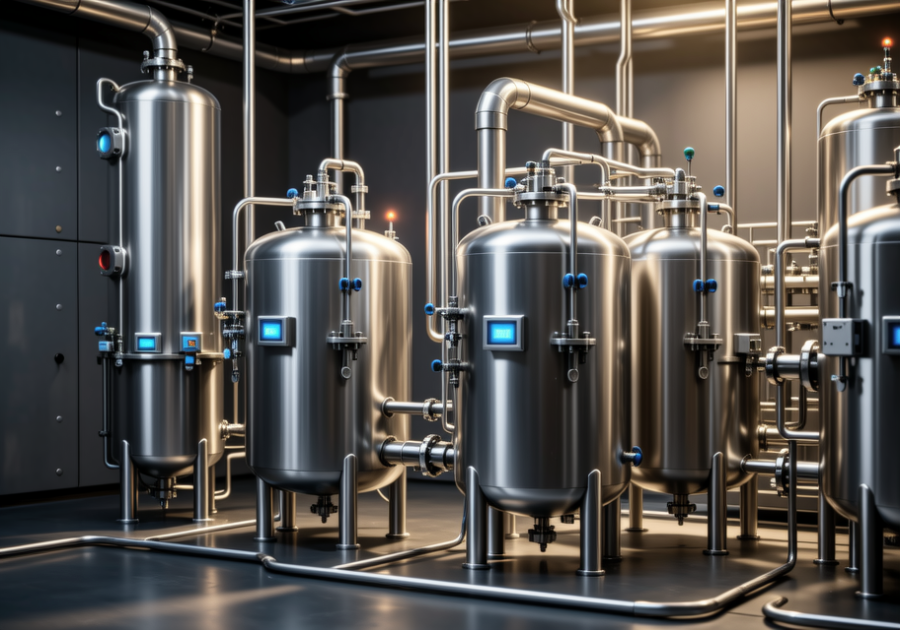
After the acetic acid gas has been created from the ethanol and water mixture, it will be cooled off and become a liquid. This liquid is then separated from the water that was in it by a process called distillation. Distillation means to vaporize a liquid and then condense it back into a liquid form again. The acetic acid vaporizes as it passes through a very hot plate at one end of the machine and then enters into another vessel where it cools down and becomes liquid again. It is now ethyl acetate
3.Ethanol is evaporated by heating
Ethanol is also a very common molecule. It is normally created by distilling corn or sugar. The reaction of distilling the ethanol and water mixture that was created in step 1 happens quickly as well. This means that with ethyl acetate being so easily formed from alcohol and acetic acid, it can be used to make up for any residual ethanol left over from the distillation process. This process happens again by raising temperature at an end of the machine which involves heating up and letting the ethanol liquefy again turning into a gas before it enters a whole where it can be separated from any water left over in it.
4.The acetic acid is turned into ethyl acetate
Ethanol is made again in the final step and this process is identical to the other step which resulted in making ethyl acetate from what was acetic acid. The difference however is that this time when ethanol turns back into a liquid, it evaporates even more. The ethanol will get quickly converted into a gas and be separated from any water in it with the help of heat being applied to it again. After being separated, the ethanol will be collected by putting it into another vessel at which point it will then distilled again with ethyl acetate already being formed inside as well as outside of water. This shows how is ethyl acetate made.
Properties of ethyl acetate
1.Taste
This substance can be broken down into ethanol and acetic acid after being on the inside of your body. Ethanol is very commonly used in drinks and has a taste that is sweet but it is kind of like ethanol. Acetic acid also has a strong smell which is usually not nice for most people to smell as it can make them feel like they are going to vomit because of how strong it is. When these two components are paired together, the acetic acid will be neutralized by the ethanol and you will not experience either of these tastes or smells anymore.
2.Odor
Ethanol is very commonly known as that smell that comes out of a freshly opened can of beer or soda. The acetic acid, on the other hand, has a very strong odor that is not pleasant to smell and can be perceived by most people. When these two components are combined together in the same container, they will make the odor turn into a neutral compound which means you will no longer feel or smell it anymore. It will also mean that ethyl acetate has the same odors as ethanol when it is in liquid form. This can be applied to other substances as well making them soluble by combining them together with ethanol and producing ethyl acetate from them.
In conclusion, how is ethyl acetate made is a question that has many answers. The specific steps that were mentioned in the example given above are just two of the many steps that make up manufacturing applications to a substance such as this. The amount of detail is something that can vary depending on where you read about this particular issue. The most important thing for you to remember is that ethyl acetate is basically an extremely easy process to make, which means it can be economically and environmentally friendly if done in a proper way. It also has some very interesting properties such as being able to neutralize odors, create an odorless solvent which can be used by companies to clean or sanitize their products, and so on.
Looking for chemical products? Let suppliers reach out to you!
You May Interested In


Glow70/KLOW80 99% China Peptides Warehouse Direct Delivery Lyophilized Powder in Stock
$169/UNIT FOB


2026-10-16
Trade Alert
Delivering the latest product trends and industry news straight to your inbox.
(We'll never share your email address with a third-party.)

Related News
Recommend Reading
-
![Business Society October 13, 2026 Melamine Trend Analysis: Clear Decline]()
Business Society October 13, 2026 Melamine Trend Analysis: Clear Decline
-
![November Maleic Anhydride Prices Generally Decline in China]()
November Maleic Anhydride Prices Generally Decline in China
-
![Business Society October 13, 2026 Propylene Oxide Trend Analysis: Clear Uptrend]()
Business Society October 13, 2026 Propylene Oxide Trend Analysis: Clear Uptrend
-
![Business Society October 13, 2026 Phthalic Anhydride Trend Analysis: Strongly Bullish]()
Business Society October 13, 2026 Phthalic Anhydride Trend Analysis: Strongly Bullish
-
![Business Society October 13, 2026 DOP Trend Analysis: Strongly Bullish]()
Business Society October 13, 2026 DOP Trend Analysis: Strongly Bullish


- Hot Searches
- retatrutide online order
- bioglutide peptide for sale
- sodium lauryl ether sulphate suppliers
- scopolamine powder for sale
- where to get retatrutide
- ammonium sulphate crystalline
- best igf 1 lr3 suppliers
- borate
- where to buy ss 31 peptide
- propene price
- anhydrous ammonia for sale
- reta for sale