What is phosphoric acid chemical reaction and its use?
What is phosphoric acid chemical reaction? Phosphoric acid is a chemical compound. It is usually classified as an inorganic compound, meaning phosphoric acid cannot be made from any organisms or living things. However, it does contain carbon, hydrogen, oxygen atoms and has the chemical formula H3PO4. A chemical reaction between acid and phosphoric acid occurs primarily due to heat, which leads to a depletion of acidity or an increase in the concentration of phosphates. The end result is an increase in phosphate ions that is known as a positive charge since when acids dissolve, they create negative ions.
How does phosphoric acid react with sulfuric acid?
Phosphoric acid reacts with sulfuric acid to form a solution or a mixture of acids. The main reason for this reaction is that phosphorus is more soluble in the solvent than sulfur. Since the phosphoric acid is more soluble, the concentration of each acid will not have enough time to change before it reacts again. So, the ratio of phosphoric acid to sulfuric acid will not be changed.
How does phosphoric acid react with sulfur dioxide?
Phosphoric acid reacts with sulfur dioxide to form a solution or a mixture of acids. The main reason for this reaction is that phosphorus is more soluble in the solvent than sulfur, so the concentration of each acid will not have enough time to change before it reacts again. The same happens if sulfuric acid and phosphoric acid react because phosphorus and sulfur are both more soluble in the solvent than oxygen. So, the ratio of each acid will not be changed.
How does phosphoric acid react with ammonia?
When phosphoric acid is mixed with ammonia, a reaction occurs where the H3PO4 is transformed into an H2PO4- ion. Since NH3 molecules have a hydrogen atom bonded to either nitrogen or oxygen atoms, they can separate and bond to H3PO4. Therefore, this reaction proceeds until the equilibrium point is reached. At this point, there are 40 moles of phosphoric acid for every 4 moles of ammonia (or .8 mol NH3 per .19 mol HPO4).
How does phosphoric acid react with nitric acid?
When phosphoric acid is mixed with nitric acid, a reaction occurs where the H3PO4 is transformed into an H2PO4- ion. Since NO molecules have a hydrogen atom bonded to either nitrogen or oxygen atoms and OH- ions are bonded to oxygen, they can separate and bond to H3PO4. Therefore, this reaction proceeds until the equilibrium point is reached. At this point, there are 40 moles of phosphoric acid for every 4 moles of nitric acid (or .8 mol HPO4 per .19 mol NO).
Uses of phosphoric acid
1. Phosphoric acid acts as an acidulant in many food products, including dairy products such as yogurt, hot cocoa mixes, and many beverages.
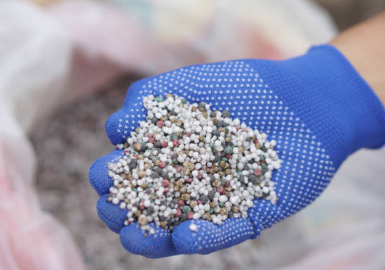
2. Phosphoric acid is used in the production of phosphates which are used in fertilizers, detergents and cleaning compounds.
3. What is phosphoric acid chemical reaction use? Phosphoric acid can be used to create a solution that can act as a preservative for fats and oils. This is done by treating the fats with phosphoric acid to allow for commercial shipment without spoiling before reaching the location where the product will be sold.
4. Phosphoric acid is used as a food additive to help prevent the growth of mold and bacteria in foods, especially those with a high water content such as flavored ice products.
5. Phosphoric acid is used to produce phosphate salts that are added to soft drinks and juice drinks to enhance flavor suppression, prevent clouding and improve shelf life stability.
6. In industries where phosphates are used in cleaners, phosphoric acid aids in their creation by acting as a catalyst and making their production more efficient.
7. In the manufacturing of certain soaps, phosphoric acid acts as an emulsifier to mix oil into a water-based liquid solution.
8. Phosphoric acid can be used to create a liquid solution that is added to beverages containing caffeine, such as soft drinks and sports drinks, and energy drinks.
9. A mixture of phosphoric acid with water is used to perform many cold weld applications in heat exchanger coils, fittings, aluminum or copper pipe connection sleeves, capillary tubing joints, etc., by creating an oxide film on both surfaces that act as a low-pressure seal for high-pressure applications.
Conclusion
What is phosphoric acid chemical reaction? Phosphoric acid is a strong, corrosive, clear and colorless liquid. It gives off acrid fumes and may ignite explosively. Phosphoric acid has a highly acidic taste and reacts vigorously with bases and certain metallic ions. With water it forms phosphoric acid solutions of varying strengths, depending on the amount of water present.
Looking for chemical products? Let suppliers reach out to you!
You May Interested In


Glow70/KLOW80 99% China Peptides Warehouse Direct Delivery Lyophilized Powder in Stock
$169/UNIT FOB


2026-10-10
Trade Alert
Delivering the latest product trends and industry news straight to your inbox.
(We'll never share your email address with a third-party.)

Related News
-
Cis 9 Hexadecenoic Acid | Explore its effects
-
Second Ascorbic acid pesticide product was approved for registration in China
-
What Happens when Copper Sulfate Reacts with Concentrated Sulphuric Acid?
-
Sino-Agri: The future trend of biostimulant market is in three aspects: integration with plant protection, soil improvement, and stimulating crop potential
-
How is Acid Used in Leather Industry?
-
How to Use Acid to Clean Concrete: A Step-by-Step Guide
-
Xingfa Group plans to invest 4.998 billion yuan to build a new project of 50,000 t/a Butanoic acid
-
What is Hydrochloric Acid used for | Chemical Properties and Applications
-
What are the methods on how to prepare vinegar from acetic acid?
-
How to dihydrate process phosphoric acid
Recommend Reading
-
![Sodium Hydroxide (Caustic Soda): Soap Making, Cleaning, and pH Control Guide]()
Sodium Hydroxide (Caustic Soda): Soap Making, Cleaning, and pH Control Guide
-
![What is Sodium Hipoklorit? (Definition, Uses & Safety)]()
What is Sodium Hipoklorit? (Definition, Uses & Safety)
-
![Sodium Nitrate: Fertilizer, Food Preservative, and Chemical Properties]()
Sodium Nitrate: Fertilizer, Food Preservative, and Chemical Properties
-
![Methanol Methyl Alcohol vs Ethanol: Toxicity, Fuel Uses, and Industrial Solvent Safety]()
Methanol Methyl Alcohol vs Ethanol: Toxicity, Fuel Uses, and Industrial Solvent Safety
-
![Glycopyrronium: Pharmaceutical Applications, Mechanism, and Chemical Specs]()
Glycopyrronium: Pharmaceutical Applications, Mechanism, and Chemical Specs
-
![Cost-Driven Stronger Rise in Phosphate Market in May]()
Cost-Driven Stronger Rise in Phosphate Market in May
-
![This Week's Aniline Market Accelerates Decline (5.25-5.29) in China]()
This Week's Aniline Market Accelerates Decline (5.25-5.29) in China
-
![Cost Side Remains Strong; ABS Rises Along with Upstream Prices at End of January]()
Cost Side Remains Strong; ABS Rises Along with Upstream Prices at End of January
-
![Cost Support: Styrene-butadiene rubber market prices rise sharply]()
Cost Support: Styrene-butadiene rubber market prices rise sharply
-
![Styrene-butadiene rubber market prices fluctuate and rise sharply]()
Styrene-butadiene rubber market prices fluctuate and rise sharply