What is Sodium Hipoklorit? (Definition, Uses & Safety)
What Is Sodium Hipoklorit?
Sodium hipoklorit is not a separate chemical substance. It is a common misspelling of sodium hypochlorite (NaOCl), a well-known chemical compound widely used for bleaching, disinfection, and water treatment.
If you searched for what is sodium hipoklorit, you are likely looking for information about sodium hypochlorite, the active ingredient in most household bleach and many industrial disinfectants.
This article explains the meaning behind the term, how sodium hipoklorit compares to sodium hypochlorite, its practical uses, and essential safety considerations—clearly and accurately.
Understanding the Term “Sodium Hipoklorit”
The spelling “hipoklorit” is often influenced by non-English languages such as Indonesian, Turkish, or some European languages where “hypo” is written as “hipo.” In English scientific and regulatory contexts, the correct and accepted term is sodium hypochlorite.
From a chemical standpoint, both terms refer to the same compound:
- Chemical formula: NaOCl
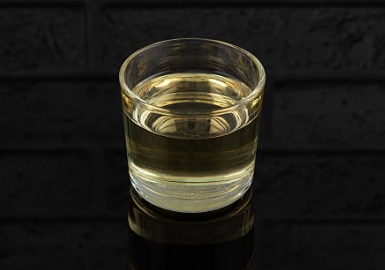
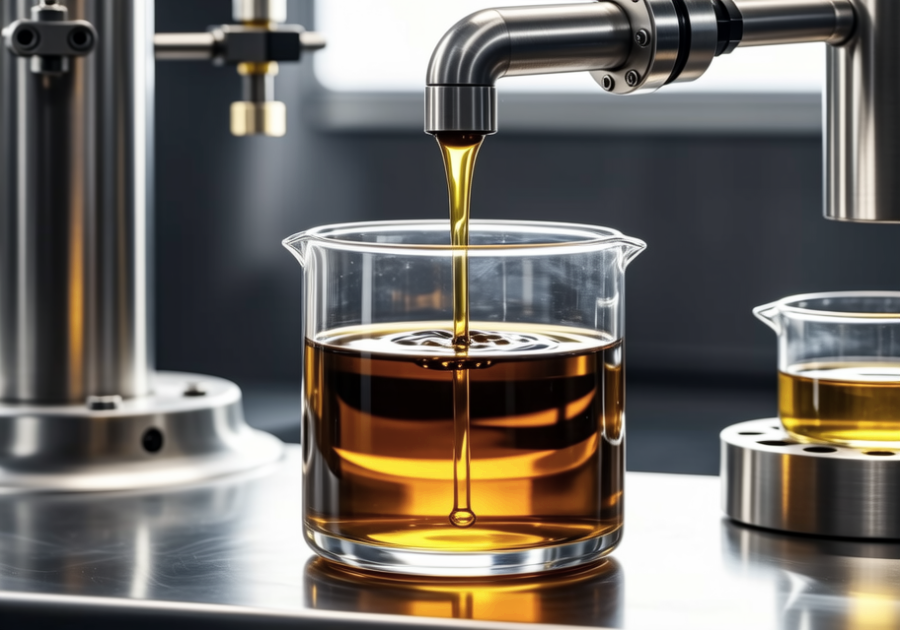
- Appearance: Pale yellow to greenish liquid
- Odor: Strong chlorine-like smell
- Nature: Strong oxidizing agent
In professional documentation, safety data sheets (SDS), and international standards, only sodium hypochlorite is used. “Sodium hipoklorit” is best understood as a linguistic variation, not a different product.
Sodium Hipoklorit vs Sodium Hypochlorite
To eliminate confusion, the table below clearly shows the difference:
| Aspect | Sodium Hipoklorit | Sodium Hypochlorite |
|---|---|---|
| Chemical identity | Same compound (NaOCl) | Same compound (NaOCl) |
| Spelling status | Common misspelling / local variation | Correct scientific English term |
| Used in regulations | No | Yes |
| Household bleach | Yes (refers to it) | Yes |
In short, sodium hipoklorit vs sodium hypochlorite is not a chemical comparison but a spelling and language issue.
Sodium Hipoklorit (Sodium Hypochlorite) Uses
The practical applications of sodium hipoklorit are identical to those of sodium hypochlorite. Its strong oxidizing and antimicrobial properties make it one of the most versatile chemicals in daily life and industry.
1. Disinfection and Sanitation
Sodium hypochlorite is widely used to kill bacteria, viruses, fungi, and algae. According to guidance from organizations such as the World Health Organization (WHO) and the U.S. Centers for Disease Control and Prevention (CDC),diluted sodium hypochlorite solutions are effective surface disinfectants.
Typical applications include:
- Household surface cleaning
- Hospital and healthcare sanitation
- Food processing facility hygiene
2. Bleaching Agent
One of the most familiar sodium hipoklorit uses is bleaching. It removes stains and whitens fabrics by breaking down color-causing compounds.
Household bleach usually contains 3–6% sodium hypochlorite, while industrial bleaching solutions may be stronger.
3. Water Treatment
Municipal water treatment plants use sodium hypochlorite to disinfect drinking water and wastewater. It helps control pathogens and prevent waterborne diseases.
The World Health Organization recognizes sodium hypochlorite as an effective and affordable option for water disinfection when properly dosed.
4. Industrial and Laboratory Applications
In industrial settings, sodium hypochlorite is used for:
- Chemical oxidation processes
- Odor control
- Cleaning industrial equipment
In laboratories, it is commonly used for surface decontamination and waste neutralization.
Is Sodium Hipoklorit the Same as Bleach?
Yes. Household bleach is usually a diluted solution of sodium hypochlorite. When people ask whether sodium hipoklorit is bleach, the answer is straightforward: they refer to the same active ingredient.
However, bleach products may also contain stabilizers or small amounts of sodium hydroxide to improve shelf life.
Safety and Handling Considerations
While sodium hypochlorite is highly effective, it must be handled responsibly.
Key Safety Points
- Never mix with acids or ammonia, as this can release toxic chlorine gas
- Use gloves and eye protection for concentrated solutions
- Store in a cool, dark place away from direct sunlight
- Follow dilution instructions carefully
Occupational safety agencies such as OSHA highlight the importance of proper ventilation and personal protective equipment when handling higher concentrations.
Conclusion
To summarize, sodium hipoklorit is simply a common misspelling or language variation of sodium hypochlorite. There is no chemical difference between the two terms.
Understanding this distinction helps you interpret product labels, safety documents, and technical information correctly. Whether used for cleaning, disinfection, bleaching, or water treatment, sodium hypochlorite remains a trusted and well-studied chemical when used according to established safety guidelines.
Looking for chemical products? Let suppliers reach out to you!
You May Interested In


Glow70/KLOW80 99% China Peptides Warehouse Direct Delivery Lyophilized Powder in Stock
$169/UNIT FOB


2026-10-15
Trade Alert
Delivering the latest product trends and industry news straight to your inbox.
(We'll never share your email address with a third-party.)

Related News
-
Uses of Sodium Citrate Dihydrate in Food Industry
-
Sodium Nitrate: Fertilizer, Food Curing, and Explosive History
-
Thymol Gel Wins EPA Approval for Beekeepers
-
Aluminum Oxide (Al2O3): Abrasive Uses, Ceramic Applications, and Safety
-
Sodium Pentothal: Medical Applications and Safety
-
Ascorbyl Palmitate: Properties, Uses, and Benefits
-
Isoascorbic Acid: Uses and Safety
-
Chemical Properties and Uses of Caesium Fluoride
-
Uses and Properties of Chromium Oxide
-
Understanding PCl5: Compound Name and Uses
Recommend Reading
-
![Salinity Solution: Preparation and Uses]()
Salinity Solution: Preparation and Uses
-
![Rubber Cement: Applications and Safety Guidelines]()
Rubber Cement: Applications and Safety Guidelines
-
![Vanillin: Properties, Uses, and Safety]()
Vanillin: Properties, Uses, and Safety
-
![What is a Surfactant? (Definition, Types, and How They Work)]()
What is a Surfactant? (Definition, Types, and How They Work)
-
![Oxalic Acid: Acidity (pKa), Sources, and Kidney Stone Risk]()
Oxalic Acid: Acidity (pKa), Sources, and Kidney Stone Risk
-
![In early April, the price of urea in China slightly increased (4.1-4.10)]()
In early April, the price of urea in China slightly increased (4.1-4.10)
-
![This Week's Pure Benzene Market Prices Declined in China (8.3-8.7)]()
This Week's Pure Benzene Market Prices Declined in China (8.3-8.7)
-
![September Isooctanol Prices in China Surge Before Declining]()
September Isooctanol Prices in China Surge Before Declining
-
![Traditional Peak Season Arrives, Palm Oil Prices Expected to Rise in China]()
Traditional Peak Season Arrives, Palm Oil Prices Expected to Rise in China
-
![This Week China Titanium Dioxide Market Prices Decreased (8.3-8.7)]()
This Week China Titanium Dioxide Market Prices Decreased (8.3-8.7)