Best of its kind – Bytovi
On June 5, 1981, the Centers for Disease Control and Prevention (CDC) published the Weekly Morbidity and Mortality Report (MMWR), which described five cases of a rare lung infection in young, healthy gay men, Pneumocystis carinii pneumonia (PCP). At that time, the cause of the disease was not yet known.
A year later, the mysterious disease got a name: acquired immunodeficiency syndrome, or AIDS, which destroys the immune system and exposes the body to various infections.
Today, AIDS is an important public health issue.
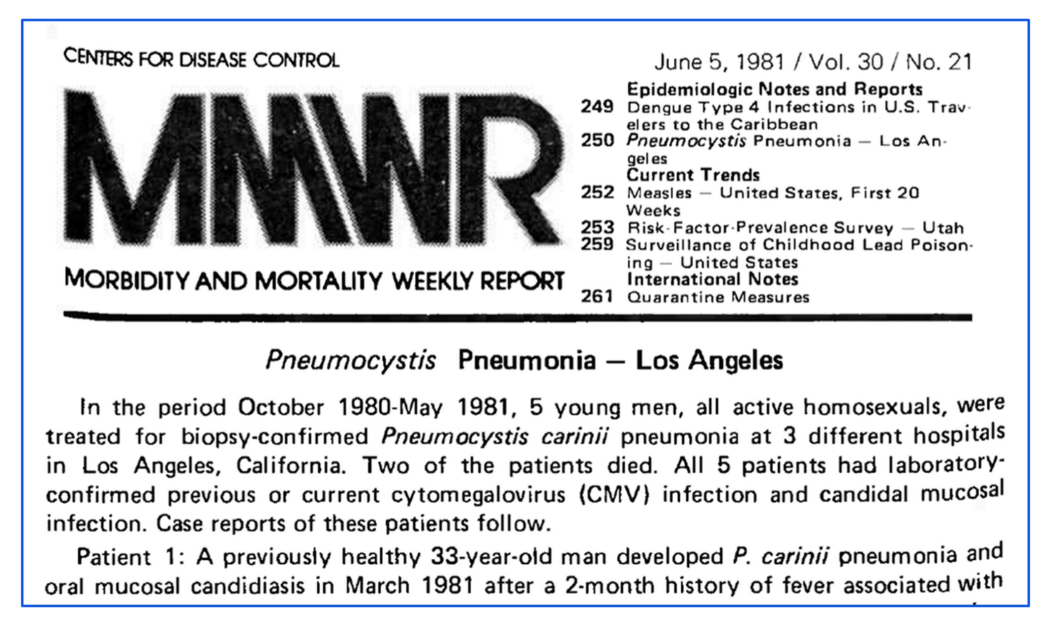
Figure 1. AIDS was first reported on June 5, 1981 (Image: https://www.cdc.gov/)
After 40 years of fighting AIDS, new drugs have been iteratively launched
In 1983, scientists finally discovered the virus that causes AIDS and named it the human immunodeficiency virus (HIV). Researchers have since turned on antiviral therapy against the virus.
However, it turns out that HIV is difficult to kill in the body. This is because HIV attacks helper T cells, which are usually the main functional cells of the body's cellular immunity. Moreover, HIV is a retrovirus, and they are good at tricking host cells in the body, producing more copies, causing lifelong infections.
In the first decade after HIV was first reported, the first anti-AIDS drug, zidovudine (AZT), was launched (1987). Zidovudine works by blocking viral reverse transcriptase, which can significantly prolong the lives of AIDS patients.
Over the next few years, the U.S. Food and Drug Administration (FDA) approved several other drugs that act similarly to AZT, all of which fall under the category of nucleoside reverse transcriptase inhibitors (NRTIs).
However, due to virus mutations, many drugs no longer work over time. By the early 90s, HIV was the number one cause of death among Americans aged 25 to 44. Therefore, there is an urgent need for antiviral drugs with new mechanisms of action.
In 1995, the FDA approved saquinavir, the first approved HIV protease inhibitor. A year later, another class of antiretroviral drugs called non-nucleoside reverse transcriptase inhibitors (NNRTI), such as nevirapine (Viramune), appeared. These drugs pave the way for a new era of comprehensive anti-HIV therapy.
Doctors began prescribing saquinavir plus AZT or other antiretroviral drugs. This combination therapy is called highly active antiretroviral therapy (HAART), or "cocktail" therapy.
"Cocktail" therapy became the new standard of HIV treatment in 1996. HAART has greatly extended the lives of AIDS patients. However, HAART requires taking many medicines every day. Multiple doses and side effects of medications have led many people to abandon HIV treatment. This led to the development of compound monolithics.
In 1997, the FDA approved a two-in-one pill called Combivir. In recent years, new HIV drug classes have been emerging. Today, more than 30 HIV drugs are available. Many people only need to take one pill a day to control HIV in their bodies.
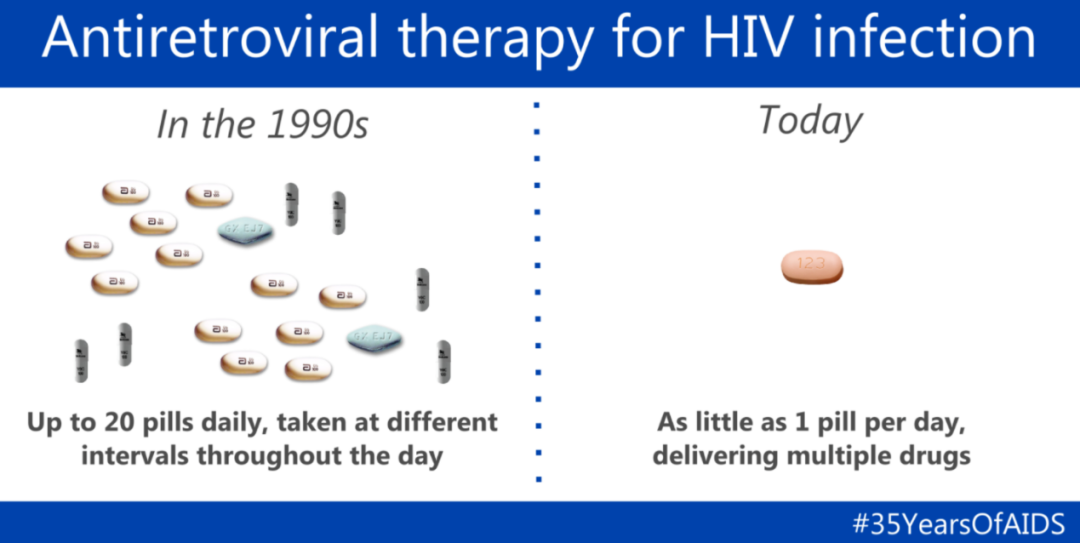
Figure 2. Anti-HIV therapy ranges from a combination of multiple monotherapies to an all-in-one combination monotablet (Source: Wikipedia)
Best in class – Biktarvy becomes king
From the world's top ten HIV drugs in 2021, sales are more than 600 million US dollars, and the highest sales is Gilead's Biktarvy (Biktarvy, Bickenpronor) launched in 2018, which is considered to be the best cocktail regimen based on antiretroviral therapy (ART) + integrase inhibitors.
Bitovir is a complete, single-tablet, once-daily prescription drug for the treatment of HIV-1 infection in patients with body weight adults and children. It can be used both for patients who have never taken an HIV-1 drug and for patients who are switching to an existing HIV-1 drug.
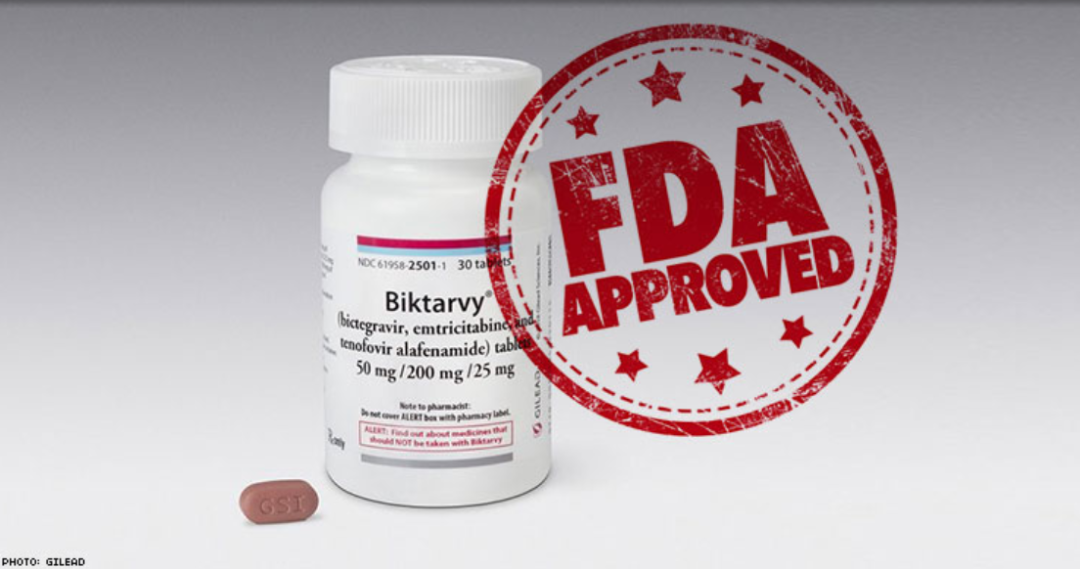
Figure 3. In 2018, the FDA approved Bitovir, a new three-in-one anti-AIDS drug developed by Gilead (Source: Gilead)
Gilead submitted a marketing application to the U.S. FDA in June 2017, was approved by the U.S. FDA in February 2018, and has since been approved in the European Union, Hong Kong and other places around the world. One of Gilead's highest-selling antiviral products, Bitova's sales reached $8.24 billion in 2021, up 18.8% from 2020. In the first half of 2022, Pitova sales continued to grow to $4.7 billion. By 2025, global sales are expected to reach $10 billion.

Figure 4. Bidova Annual Sales (Source: Reference 2)
Bitovir is a triple combination monotablet (BIC/FTC/TAF) with active ingredients including bic tepiravir (BIC)/emtricitabine (FTC)/tenofovir propofovir (TAF). Among them, bic tepiravir (BIC) is a novel integrase chain transfer inhibitor (INSTI) approved by the FDA in February 2018. BIC has been shown to be effective in inhibiting chain transfer activity at concentrations similar to evertamivir (EVG) and dolutevir (DTG), however, its unique structure minimizes drug-drug interactions, increases protein binding, and improves solubility.
Currently, BIC 50 mg per day can only be used as a fixed dose in combination with tenofovir propofovir (TAF) 25 mg per day and krntricitabine (FTC) 200 milligrams per day (BIC/FTC/TAF), i.e., bitovir.
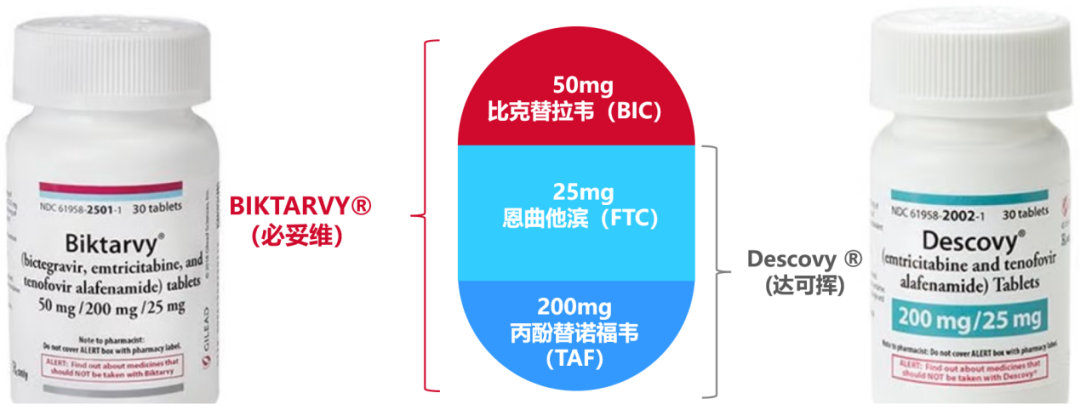
Figure 5. A triad of Bitovi (Source: Gilead official website, Bo Yao collation)
In two pivotal phase III clinical trials, more than 98% of participants in the 240-week study treated with bitovir achieved and maintained an undetectable viral load (HIV-1 RNA< 50 copies/mL). The first trial was a multicenter non-inferior efficacy study conducted by Gallant et al. in Europe, Latin America, and North America (trial No. 1489), in which participants (n = 629) were randomized to bitovir or co-formulated dorutivir / abacavir / lamivudine (50/600/300 mg, DTG/ABC/3TC), plus a companion placebo once daily for 144 weeks. The second phase III randomized controlled trial (trial 1490) was a trial in which Sax et al. evaluated the non-inferiority of bitovir compared with DTG+F/TAF in 645 participants.
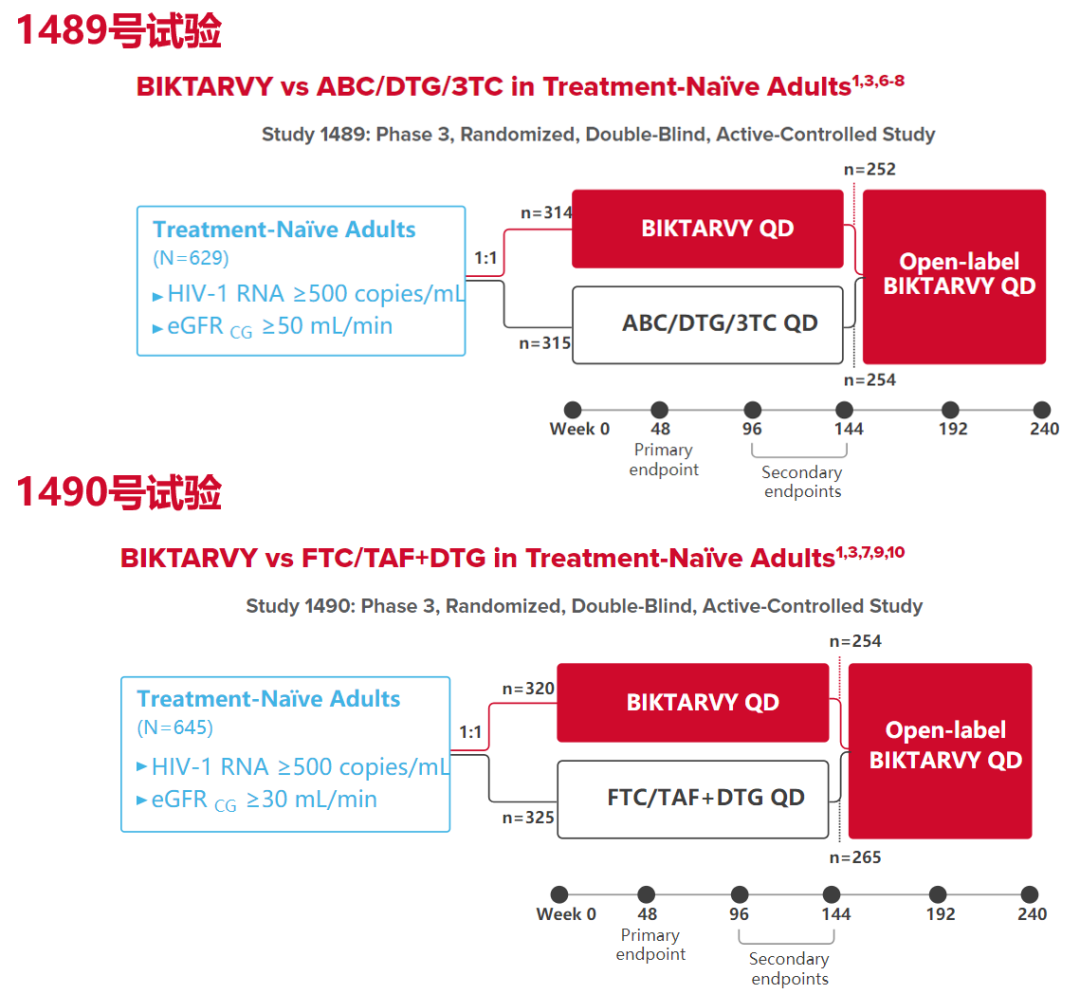
Figure 6. Test procedures Nos. 1489 and 1490. (Source: Reference 3)
The results showed that bitovir worked in different adult groups. At week 48, 92.4% (n=290/314) of patients taking bitovir and 93.0% (n=293/315) of patients taking ABC/DTG/3TC met the primary endpoint of HIV-1 RNA <50 c/ml. In the 1490 study, a total of 645 untreated adult AIDS patients were randomized 1:1 to bitovir or DTG+FTC/TAF. At week 48, 89.4% (n=286/320) of patients taking bitovir and 92.9% (n=302/325) of patients taking DTG+FTC/TAF met the primary endpoint of HIV-1 RNA <50 c/ml. In subsequent five-year follow-up analyses, no treatment failures due to drug resistance were present, further demonstrating the efficacy and tolerability of bitovir in treating HIV-1 in adults who do not respond to treatment.
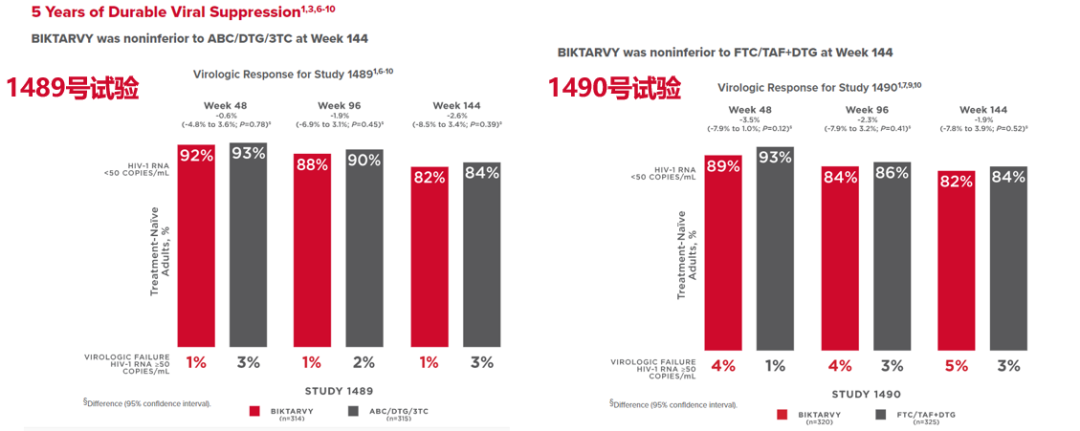
Figure 7. Results of trials Nos. 1489 and 1490 (Source: Reference 3)
The global scale is 38 billion US dollars, and the domestic HIV drug market is growing rapidly
Back to the market, according to Frost & Sullivan, the global HIV drug market grew from $32.5 billion in 2017 to $38 billion in 2021, with a compound annual growth rate of 4.0%. It is expected to reach $47.9 billion in 2025 and $57.5 billion in 2030, at a CAGR of 6.0% from 2021 to 2025 and 3.7% from 2025 to 2030.
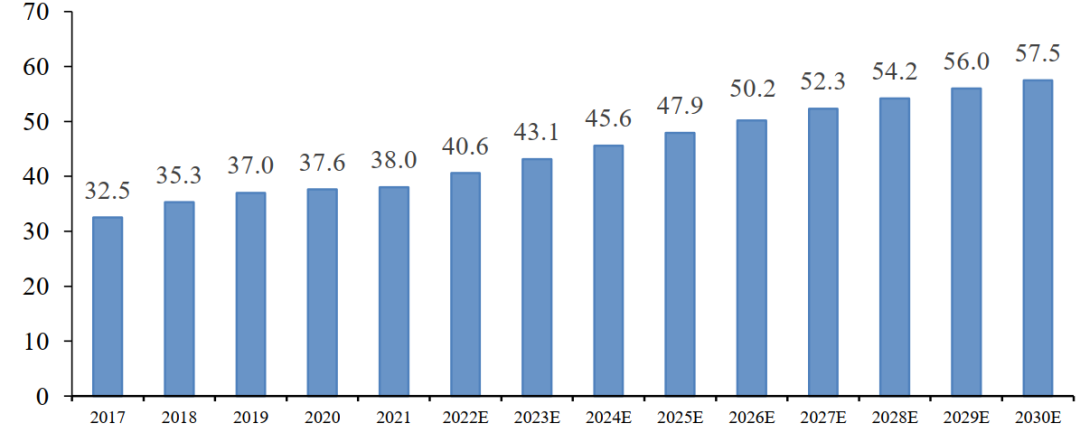
Figure 7. Global HIV Drug Market (2017-2030E, USD billion) (Source: Huaan Securities)
In China, according to Frost & Sullivan, the number of people infected with HIV reached 1.5 million in 2021, and is expected to reach 1.7 million in 2025 and 2.1 million in 2030. At present, the domestic anti-HIV drug market size is about 3-4 billion yuan. The increase in the patient base, the improvement of diagnosis and treatment rates, the improvement of medical insurance payment capacity and the gradual increase in self-paying people will jointly promote the rapid increase of the scale of China's anti-HIV drug market, and it is expected that the scale of China's anti-HIV drug market will be close to 6 billion yuan in 2024.
Although the number of cases is increasing year by year and the market size is growing rapidly, most HIV drugs in the Chinese market are single-dose antiretrovirals, rather than multiple-dose ART formulations that are more readily available in developed markets. There is still a lack of domestic innovative drugs in the field of HIV in China.
At present, there are 4 domestic innovative drugs that have been marketed in China: Avvitex of Frontier Biotech (approved in 2018), Eddie Pharmaceutical's inoverine (approved in June 2021), Azvudine of Real Bio (approved in July 2021 and conditionally listed), and Eddie Pharmaceutical's single-tablet compound agent inomide (containing the three main ingredients of inoverine, tenofovir and lamivudine) that was just approved this year.
In general, the development of anti-HIV drugs in China has a huge gap compared with developed countries, especially the lack of compound and long-acting anti-HIV drugs. However, considering the economic level, patient affordability, medical insurance policies and other factors, it is believed that the development of anti-HIV drugs will usher in a revolution in the future.
Dozens of HIV drugs have been approved for marketing in the 40 years since HIV was discovered. And with the spread of "cocktail" therapies and the advent of single-tablet combination preparations, many patients today can control their HIV by taking just one pill a day. The development of new drugs has brought a new dawn to the treatment of diseases, and the next issue of Bo Yao will continue to share the story of new drugs, welcome to follow~

You May Interested In


High Quality β-Nicotinamide adenine dinucleotide CAS 53-84-9 NADwith ready stock and best price
$3/UNIT FOB


2026-10-17
Trade Alert
Delivering the latest product trends and industry news straight to your inbox.
(We'll never share your email address with a third-party.)

Related News
-
24th Pharma Asia International Exhibition & Conferences to Open in Karachi, Pakistan
-
Pharma Asia 2026: Bringing the Global Pharmaceutical Industry to Pakistan
-
Egyptian Pharmaceutical Market Research
-
CPHI China 2023 | At the Heart of Pharma
-
A Guide Into What the Pharmaceutical Use of Hexamine Is
-
In line with the 8201, Hengrui Pharmaceutical plans the HER2 ADC in this way
-
$50 billion in products were 'returned' to rationalize those blockbuster BD deals
-
Tronsound long-acting IL-36R antibody obtained FDA clinical IND
-
Dapagliflozin is approved in the EU for the treatment of symptomatic chronic heart failure
-
The FDA accepted Zuranolone's NDA application and granted it priority review rights for the treatment of MDD and PDD
Recommend Reading
-
![“The 40-Year Ethylene Giant Collapses”: ExxonMobil’s Premature Shutdown Is Not Just Scotland’s Tragedy—It’s the Twilight Elegy of European Industrial Civilization]()
“The 40-Year Ethylene Giant Collapses”: ExxonMobil’s Premature Shutdown Is Not Just Scotland’s Tragedy—It’s the Twilight Elegy of European Industrial Civilization
-
![US Imposes Heavy Duties on Chinese L-Lysine with Combined Rates up to 188%]()
US Imposes Heavy Duties on Chinese L-Lysine with Combined Rates up to 188%
-
![EU Finalizes Anti-Dumping Duties on BDO from China, with Rates up to 113.7%]()
EU Finalizes Anti-Dumping Duties on BDO from China, with Rates up to 113.7%
-
![India Imposes Final Anti‑Dumping Duties on Ethylenediamine from China, EU, Saudi Arabia, and Taiwan, China, with Top Rate of $575/tonne]()
India Imposes Final Anti‑Dumping Duties on Ethylenediamine from China, EU, Saudi Arabia, and Taiwan, China, with Top Rate of $575/tonne
-
![Crude Tanker Freight From the Americas to Asia Tops $80 Million per Voyage Amid Global Shipping Crunch]()
Crude Tanker Freight From the Americas to Asia Tops $80 Million per Voyage Amid Global Shipping Crunch
-
![This Week's Epichlorohydrin Market Prices Decline in China (2.2-2.6)]()
This Week's Epichlorohydrin Market Prices Decline in China (2.2-2.6)
-
![Business Society October 13, 2026 Melamine Trend Analysis: Clear Decline]()
Business Society October 13, 2026 Melamine Trend Analysis: Clear Decline
-
![In early November, the phosphate market in China showed a strong performance (Nov. 1-10)]()
In early November, the phosphate market in China showed a strong performance (Nov. 1-10)
-
![Ample Supply, Toluene Market Declines in China]()
Ample Supply, Toluene Market Declines in China
-
![Business Society October 13, 2026 Propylene Oxide Trend Analysis: Clear Uptrend]()
Business Society October 13, 2026 Propylene Oxide Trend Analysis: Clear Uptrend